


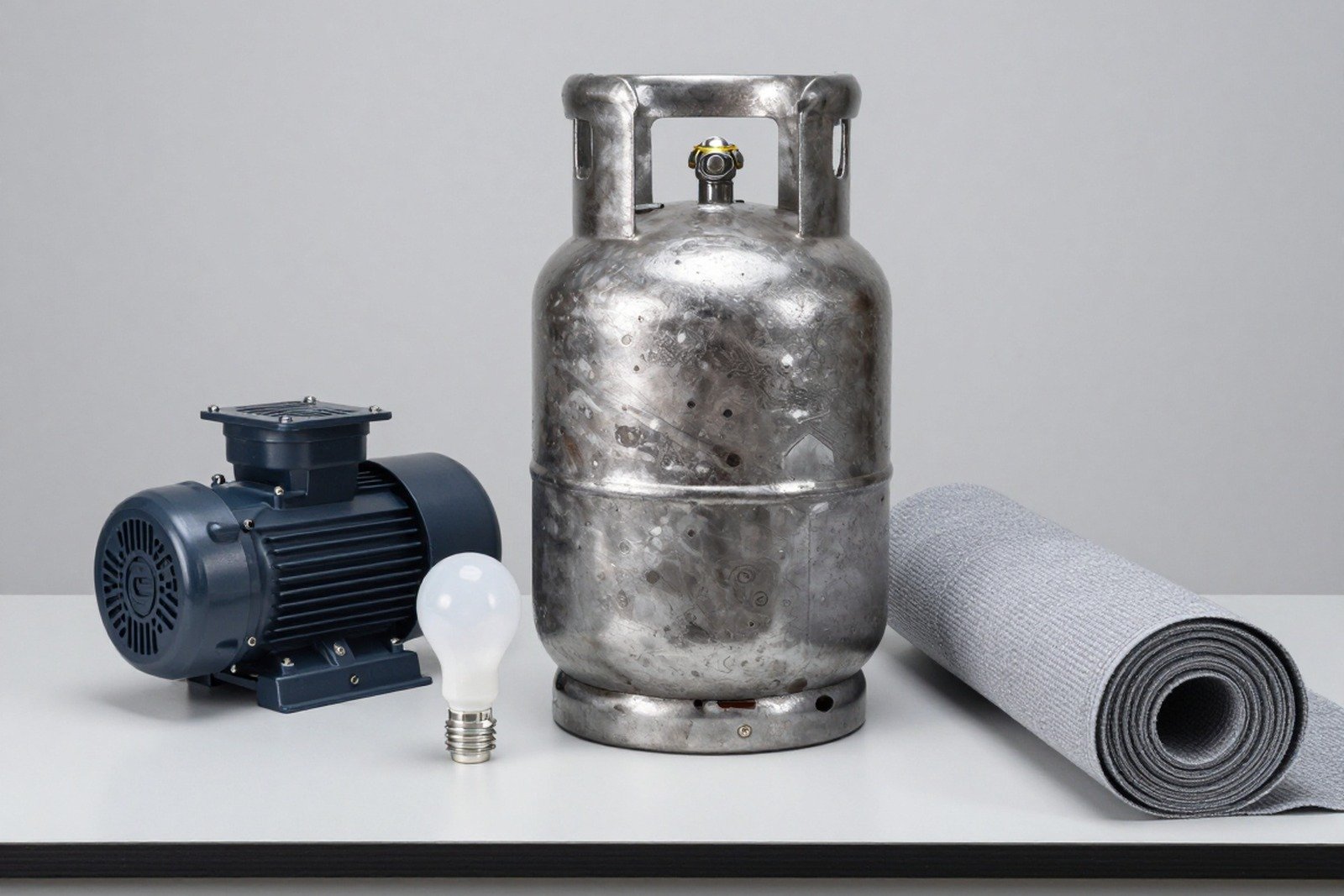
Circular No. 33/2026/TT-BCT issues the list of products and goods with medium risk and high risk under the state management responsibility of the Ministry of Industry and Trade, effective from 01/7/2026, replacing the previous classification based on the ability to cause unsafety. The document has six articles and one annex containing the list, in which each line of goods carries an HS code under Circular No. 31/2022/TT-BTC, a national technical regulation and the corresponding quality management requirement. The medium-risk part covers two groups, tissue paper and toilet paper, and chemicals and chemical-containing products with six subgroups, while the high-risk part covers four groups: industrial explosives and high explosives; industrial blasting accessories; industrial machinery, equipment and materials; and explosive precursors. This article summarises the structure of the list and the steps businesses should review before filing procedures.
1. Circular 33/2026/TT-BCT replaces Circular 41/2023/TT-BCT
Before 01/7/2026, goods under the state management responsibility of the Ministry of Industry and Trade were identified under Circular No. 41/2023/TT-BCT dated 28/12/2023 issuing the list of products and goods capable of causing unsafety, and quality control measures were then applied under separate technical regulations. Circular 33/2026/TT-BCT switches to a risk-based approach, consistent with the risk management principle of Law No. 78/2025/QH15 amending and supplementing the Law on Product and Goods Quality No. 05/2007/QH12; Article 6(2) repeals Circular No. 41/2023/TT-BCT from the effective date of Circular 33.
The legal bases include the Law on Product and Goods Quality No. 05/2007/QH12 as amended by Law No. 78/2025/QH15; the Law on Standards and Technical Regulations No. 68/2006/QH11 as amended by Law No. 70/2025/QH15; Decree No. 40/2025/ND-CP as amended by Decree No. 109/2025/ND-CP and Decree No. 193/2025/ND-CP; Decree No. 37/2026/ND-CP dated 23/01/2026; and Decree No. 22/2026/ND-CP dated 16/01/2026. The circular was signed in Hanoi on 30/6/2026 by the Deputy Minister Nguyen Sinh Nhat Tan on behalf of the Minister, and the drafting unit is the Agency for Innovation, Green Transition and Industry Promotion.
2. Structure of the list and scope of application
Article 1 issues the list together with HS codes, national technical regulations and corresponding quality management requirements in the annex. Article 2 applies to organisations and individuals producing and trading goods in the list in Vietnam, to organisations and individuals carrying out activities related to the quality management of those goods, including conformity assessment bodies and testing laboratories, and to other related agencies, organisations and individuals.
The annex is titled the list of products and goods with medium risk and high risk under the state management responsibility of the Ministry of Industry and Trade, issued with Circular No. 33/2026/TT-BCT dated 30/6/2026. One annex contains two separate parts: the medium-risk part and the high-risk part.
| Column | Content recorded in the list |
|---|---|
| No. | Ordinal number of the line of goods together with the group marking |
| Name of product or goods | Name of the group, for example tissue paper and toilet paper; compact fluorescent lamps; industrial explosives; steel liquefied petroleum gas cylinders |
| Description of product or goods | Technical description used to distinguish lines within a group, for example power limits, cylinder capacity or active substance content |
| HS code under Circular No. 31/2022/TT-BTC | HS code at four-digit heading level or eight-digit subheading level |
| Regulation | QCVN code applying to the line, for example QCVN 12-1:2021/BCT or QCVN 22:2023/BCT |
| Corresponding quality management requirement | Conformity declaration mechanism and conformity assessment method applying to the line |
HS codes are recorded at heading level, so businesses must still classify goods according to their actual characteristics when making customs declarations.
3. Medium-risk part of the list: two product groups
The medium-risk part has two groups. Group 1 is tissue paper and toilet paper. Group 2 is chemicals and chemical-containing products, with six subgroups: fluorescent lamps, industrial sodium hydroxide, poly aluminium chloride, industrial ammonia, paints and varnishes, and textile products. The textile products group accounts for most lines, from woven and knitted fabrics to ready-made garments, clothing accessories, textile-upper footwear and mattresses.
3.1. Tissue paper and toilet paper, industrial chemicals and fluorescent lamps
The tissue paper and toilet paper group covers paper for toilet or facial use, tissues, table napkins and toilet paper, HS codes 4803.00.30, 4803.00.90, 4818.10.00, 4818.20.00 and 4818.90.00, subject to QCVN 09:2015/BCT. Subgroup 2.1 is fluorescent lamps, covering compact fluorescent lamps with integrated ballast of not more than 30 W, fluorescent lamps for general lighting and cold-cathode fluorescent lamps for electronic displays, HS codes 8539.31.30, 8539.31.90 and 8539.39.40; all three lines are subject to QCVN 02A:2020/BCT.
The industrial chemical subgroups are: industrial sodium hydroxide, also called caustic soda, HS codes 2815.11.00 and 2815.12.00, subject to QCVN 03A:2020/BCT; poly aluminium chloride, HS code 3824.99.99, subject to QCVN 06A:2020/BCT; liquid industrial ammonia with a content from 10% to 35%, HS code 2814.20.00, subject to QCVN 07A:2020/BCT; and paints and varnishes including enamels and lacquers, HS codes 3208.10.90, 3208.20.90, 3208.90.90, 3209.10.40, 3209.10.90, 3209.10.00, 3210.00.20, 3210.00.30 and 3210.00.99, subject to QCVN 08:2020/BCT.
3.2. Textile products
The textile products group is subject to QCVN 01:2017/BCT for all lines. It covers woven fabrics of silk, of combed wool or fine animal hair, of cotton, of flax and jute and of man-made fibres, HS codes 50.07, 51.11 to 51.13, 52.08 to 52.12, 53.09 to 53.11, 54.07, 54.08 and 55.12 to 55.16; terry fabrics, warp knit fabrics and knitted or crocheted fabrics, HS codes 56.01 to 56.03, 57.01 to 57.05, 58.01 to 58.06, 59.03, 59.05 and 60.01 to 60.06; and ready-made garments and clothing accessories, ranging from coats, suits, dresses, trousers, jeans, shirts and blouses to underwear, nightwear, pyjamas, sportswear, swimwear, brassieres, girdles and corsets, handkerchiefs, scarves, ties, gloves, bed sheets, pillowcases, bed linen, curtains, drapes, hats, textile-upper footwear and mattresses, HS codes 61, 62, 6301 to 6308, 6404.11, 6501, 6502, 6504, 6505 and 9404.
| Group | Representative products and goods | HS codes (examples) | Regulation cited | Assessment method |
|---|---|---|---|---|
| 1. Tissue paper and toilet paper | Paper for toilet or facial use, tissues, table napkins, toilet paper | 4803.00.30, 4803.00.90, 4818.10.00, 4818.20.00, 4818.90.00 | QCVN 09:2015/BCT | Method 5, Method 7 |
| 2.1. Fluorescent lamps | Compact fluorescent lamps with integrated ballast of not more than 30 W, fluorescent tubes for general lighting, cold-cathode fluorescent lamps for electronic displays | 8539.31.30, 8539.31.90, 8539.39.40 | QCVN 02A:2020/BCT | Method 1, Method 5 |
| 2.2. Industrial sodium hydroxide | Sodium hydroxide, also called caustic soda, in solid or liquid form | 2815.11.00, 2815.12.00 | QCVN 03A:2020/BCT | Method 1, Method 5 |
| 2.3. Poly Aluminium Chloride (PAC) | PAC in liquid form (yellow or pale yellow) or in fine off-white powder form | 3824.99.99 | QCVN 06A:2020/BCT | Method 1, Method 5 |
| 2.4. Industrial ammonia | Liquid industrial ammonia with a content from 10% to 35% | 2814.20.00 | QCVN 07A:2020/BCT | Method 1, Method 5 |
| 2.5. Paints and varnishes | Paints and varnishes, including enamels and lacquers | 3208.10.90, 3208.20.90, 3208.90.90, 3209.10.40, 3209.10.90, 3209.10.00, 3210.00.20, 3210.00.30, 3210.00.99 | QCVN 08:2020/BCT | Method 1, Method 5 |
| 2.6. Textile products | Woven fabrics of silk, wool, cotton, flax, jute and man-made fibres; terry fabrics and knitted fabrics; ready-made garments, clothing accessories, bed linen, curtains, hats, textile-upper footwear, mattresses | 50.07, 51.11 to 51.13, 52.08 to 52.12, 53.09 to 53.11, 54.07, 54.08, 55.12 to 55.16, 56.01 to 56.03, 57.01 to 57.05, 58.01 to 58.06, 59.03, 59.05, 60.01 to 60.06, 61, 62, 6301 to 6308, 6404.11, 6501, 6502, 6504, 6505, 9404 | QCVN 01:2017/BCT | Method 5, Method 7 |
4. High-risk part of the list: four fields
The high-risk part covers goods subject to strict safety requirements: industrial explosives and high explosives, industrial blasting accessories, industrial machinery and equipment including flameproof electrical equipment and pressure equipment, and explosive precursors. These goods are managed under many national technical regulations issued by the Ministry of Industry and Trade, with the QCVN 12-x/BCT series accounting for a large share.
| Group | Representative products and goods | Regulation cited | Conformity assessment method |
|---|---|---|---|
| 3. Industrial explosives and high explosives | Amonit AD1, TNP1, TNT-free blasting powder, ANFO and water-resistant ANFO, emulsion explosives for open-pit and underground mines, edge-control and safety emulsion explosives, Hexogen, TNT, Octogen, Pentrit | QCVN 12-23:2024/BCT, QCVN 12-1:2021/BCT, QCVN 12-4:2021/BCT, QCVN 12-27:2024/BCT, QCVN 12-9:2022/BCT, QCVN 04:2020/BCT, QCVN 03:2020/BCT, QCVN 12-26:2024/BCT, QCVN 12-16:2023/BCT, QCVN 05:2020/BCT, QCVN 06:2020/BCT, QCVN 12-10:2022/BCT, QCVN 12-2:2021/BCT, QCVN 12-13:2022/BCT, QCVN 12-12:2022/BCT, QCVN 12-17:2023/BCT, QCVN 12-18:2023/BCT | Method 5, Method 7 |
| 4. Industrial blasting accessories | No. 8 plain detonators, No. 8 electric detonators, electric delay detonators, non-electric delay detonators for down-the-hole, surface and underground use, MS and LP non-electric delay detonators, electronic detonators, non-electric initiators, detonating signal leads, safety fuse, water-resistant detonating cord, ordinary detonating cord, primers, boulder blasting charges, boosters | QCVN 12-29:2024/BCT, QCVN 12-25:2024/BCT, QCVN 12-28:2024/BCT, QCVN 12-14:2023/BCT, QCVN 12-20:2023/BCT, QCVN 12-21:2023/BCT, QCVN 12-22:2023/BCT, QCVN 12-5:2022/BCT, QCVN 12-6:2022/BCT, QCVN 12-19:2023/BCT, QCVN 12-8:2022/BCT, QCVN 12-15:2023/BCT, QCVN 12-30:2024/BCT, QCVN 12-31:2024/BCT, QCVN 12-7:2022/BCT, QCVN 12-24:2024/BCT, QCVN 12-3:2021/BCT, QCVN 12-11:2022/BCT | Method 5, Method 7 |
| 5. Industrial machinery, equipment and materials | Mine winches, hydraulic supports for underground coal mines, flameproof transformers, flameproof electric motors, flameproof contactors and circuit breakers, 6 kV flameproof distribution boards, flameproof soft starters and generators, earth-leakage relays up to 1140 V, flameproof cables, flameproof lighting, self-rescuers, electric blasting machines, LPG storage tanks, steel and composite LPG cylinders, mini LPG cylinders | QCVN 02:2016/BCT and amendment 1:2019/BCT, QCVN 03:2017/BCT, QCVN 03:2019/BCT, QCVN 22:2023/BCT, QCVN 15:2021/BCT, QCVN 14:2021/BCT, QCVN 17:2022/BCT, QCVN 23:2024/BCT, QCVN 07:2020/BCT, QCVN 18:2022/BCT, QCVN 21:2023/BCT, QCVN 24:2024/BCT, QCVN 01:2018/BCT, QCVN 01:2015/BCT, QCVN 02:2020/BCT, QCVN 04:2013/BCT, QCVN 16:2022/BCT, QCVN 02:2017/BCT | Method 5, Method 7; flameproof transformers and LPG storage tanks follow Method 8, steel LPG cylinders follow Methods 5, 7 and 8 |
| 6. Explosive precursors | Ammonium nitrate in crystalline and porous prill form for producing emulsion and ANFO explosives, sodium nitrate, sodium chlorate, potassium nitrate, potassium chlorate, potassium perchlorate | QCVN 05:2015/BCT, QCVN 03:2012/BCT, QCVN 04A:2020/BCT | Method 5, Method 7 |
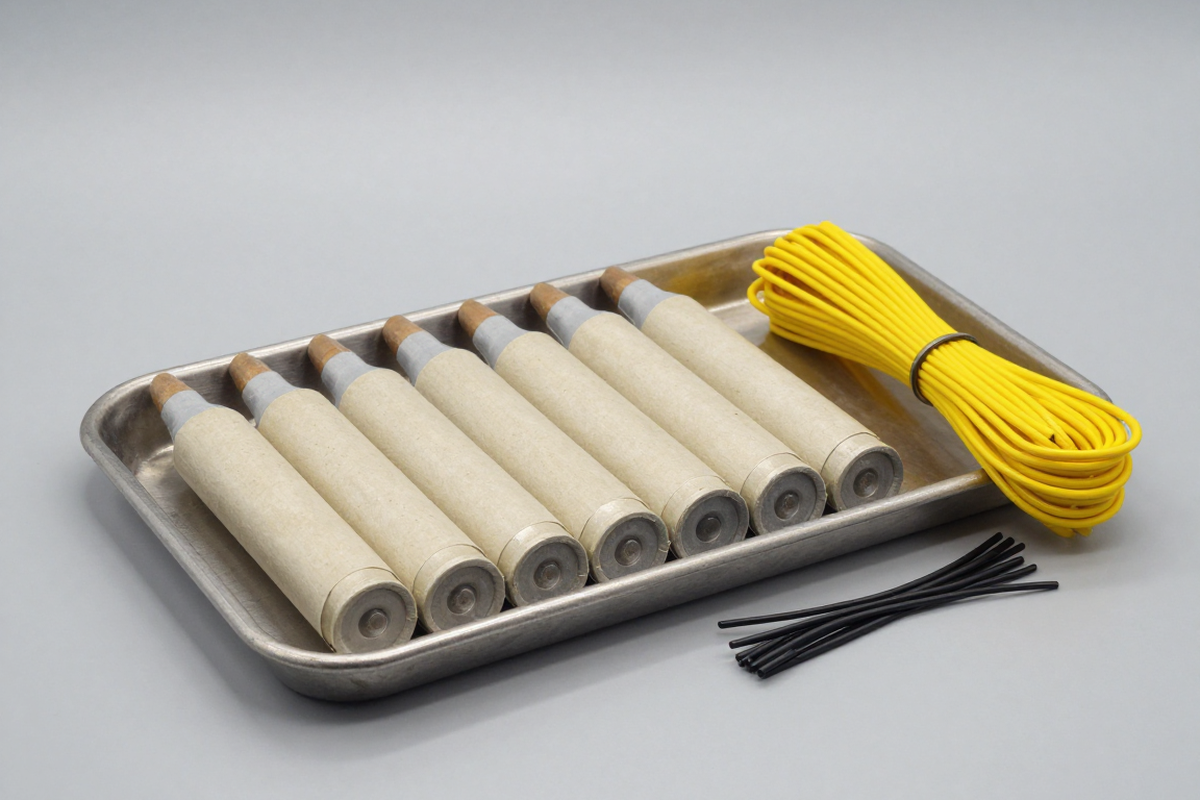
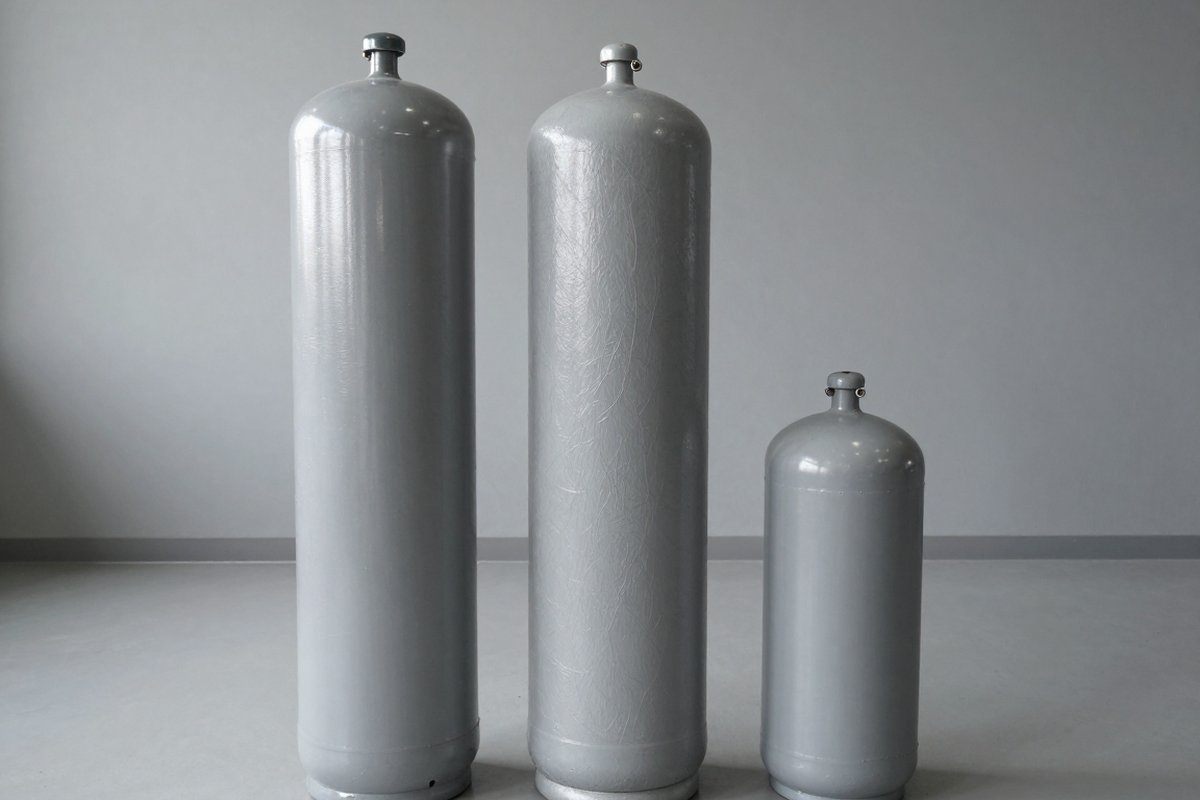
Lines in the high-risk part are distinguished by specific technical parameters. Steel liquefied petroleum gas cylinders are split into those under 30 litres and those from 30 litres to under 110 litres, while mini LPG cylinders have a capacity of not more than 7.3 litres. For explosive precursors, the description states the minimum content, for example ammonium nitrate from 98.5% and sodium chlorate from 84.0%.
5. Quality management requirements recorded in the list
The last column states the quality management requirement as a declaration of conformity with the corresponding technical regulation, based on one of three results: a conformity certification result issued by a recognised certification body; a self-assessment result based on testing by a recognised or designated testing laboratory; or a certification result issued by a conformity assessment body designated by the Ministry of Industry and Trade or by a provincial People’s Committee. The column also refers to Article 98(2) and Article 98(7) of Decree No. 37/2026/ND-CP.
Each line also states the conformity assessment method under Circular No. 14/2026/TT-BKHCN. The high-risk part uses Method 5 and Method 7; flameproof transformers and LPG storage tanks follow Method 8, while steel LPG cylinders follow Methods 5, 7 and 8. In the medium-risk part, the tissue paper and toilet paper group and the textile products group use Method 5 and Method 7, while the fluorescent lamp subgroup and the industrial chemical subgroups use Method 1 and Method 5.
6. Quality management under Article 3 and updating the list under Article 4
Article 3(1) provides that goods in the list are subject to quality management under the rules on quality management of goods within the state management responsibility of the Ministry of Industry and Trade and under the corresponding national technical regulations, while Article 3(2) provides that goods outside the list are managed under specialised law.
Where a national technical regulation issued before the effective date of this Circular provides otherwise on quality management measures for products and goods in the list issued with this Circular, this Circular shall apply.
This means that where an older regulation takes a different approach from Circular 33/2026/TT-BCT, businesses follow Circular 33. Article 3(4) deals with the case where a regulation cited in the list is amended, supplemented or replaced: the new regulation then applies.
Article 4 assigns the Agency for Innovation, Green Transition and Industry Promotion to guide implementation and to review and propose updates to the list annually. Functional units within the Ministry review, amend, supplement or replace national technical regulations, assess the risk level of goods and send update proposals with dossiers under Article 5(4) of Decree No. 37/2026/ND-CP.
7. Transitional provisions, effect and repeal
Article 5 provides that organisations and individuals that have already carried out conformity assessment, and have been granted a certificate of conformity or a conformity mark, may continue using it until its expiry and are not required to re-register the conformity declaration. This provision preserves the value of certificates granted before 01/7/2026, including where goods move from the old list to the new one.
Article 6(1) sets the effective date at 01/7/2026. Article 6(2) repeals Circular No. 41/2023/TT-BCT from the effective date of Circular 33/2026/TT-BCT. Article 6(3) requests agencies, organisations and individuals to report difficulties and problems during implementation to the Ministry of Industry and Trade for consideration and settlement.
8. What businesses need to do
The first step is to compare each product against the name, description and HS code in both parts of the list to determine its risk level. For groups with many lines, the description column needs close reading because the same product is split by power, capacity or content.
The second step is to identify the quality management mechanism and the conformity assessment method stated in the last column of the line. For high-risk goods, check the scope of recognition or designation of the certification body or testing laboratory the business intends to use.
The third step is to review existing dossiers. Certificates of conformity and conformity marks issued before 01/7/2026 remain valid until expiry and do not require re-registration of the conformity declaration, while goods formerly in the list under Circular 41/2023/TT-BCT that are no longer in the list are managed under specialised law. The fourth step is to monitor amendments to the national technical regulations cited, because Article 3(4) applies the new regulation as soon as it is issued.
Importers should confirm HS codes and the technical parameters on the label with the foreign supplier before signing the contract. Testing and certification bodies should compare the scope of their recognition with the regulations cited in the annex before accepting customer requests.
9. Related reading
- Law 78/2025/QH15: risk-based management, import inspection and conformity declaration
- Circular 14/2026/TT-BKHCN: eight certification methods and how to choose by risk level
- Circular 36/2026/TT-BKHCN: full list of medium-risk and high-risk goods
- Circular 49/2026/TT-BXD: medium-risk and high-risk goods in transport
- Circular 125/2026/TT-BCA: surveillance cameras on the medium-risk list
- High-risk goods subject to QCVN 4 testing under Circular 36/2026/TT-BKHCN
- Designation of conformity assessment bodies under Decree 37/2026/ND-CP
- Appendix I to Decree 37/2026/ND-CP: lookup table of 69 groups of goods
10. References
- Ministry of Industry and Trade, Circular No. 33/2026/TT-BCT dated 30/6/2026 issuing the list of products and goods with medium risk and high risk under the state management responsibility of the Ministry of Industry and Trade, published on the Government Portal, with six articles and the annexed list.
- Law No. 78/2025/QH15 amending and supplementing certain articles of the Law on Product and Goods Quality No. 05/2007/QH12; Decree No. 37/2026/ND-CP dated 23/01/2026 and Decree No. 22/2026/ND-CP dated 16/01/2026, available at the legal document system of the Government Portal.
- Circular No. 14/2026/TT-BKHCN on conformity assessment methods, cited for methods 1, 5, 7 and 8 in the list; Circular No. 31/2022/TT-BTC of the Ministry of Finance issuing the list of Vietnam’s export and import goods, used for HS codes. The publication on the Government Portal consists of two PDF files that are scanned copies without a text layer; the names, HS codes and regulation codes in this article were read from those scans and cross-checked against the text (.docx) version of the same Circular, but businesses should still check the originals before filing dossiers.
11. Contact
Businesses that need to compare their products with the list under Circular 33/2026/TT-BCT, or to prepare a conformity declaration dossier for medium-risk and high-risk goods, can send their details through the form below.
Note: this article is for general information only and does not replace legal documents or legal or technical advice for any specific case. When applying, please check the original Circular 33/2026/TT-BCT with its annex, the national technical regulations cited and any amendments, supplements or replacements in force.






