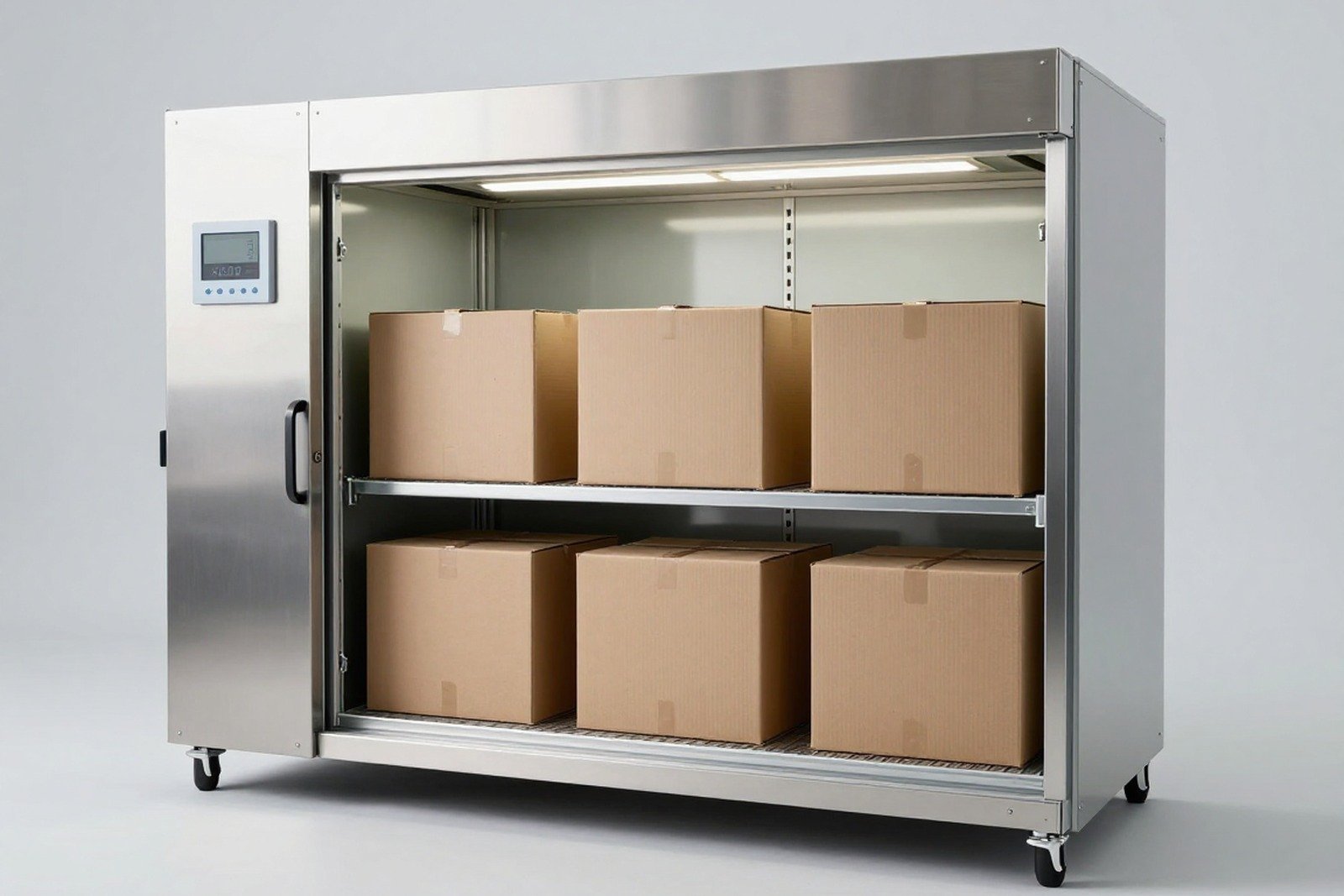
In most ISTA packaging test reports, the first part is always atmospheric conditioning (atmospheric conditioning). Many businesses consider this a “wait and see” step and don’t pay attention — while this is the step that determines whether the results reflect reality or not.
This article compiles harmonic numbers from popular ISTA procedures, to answer three questions: How often, under what conditions, and when is it required?.
1. Two easily confused concepts: preconditioning and conditioning
ISTA documents use two different terms, often in the same Test Block but with completely different roles:
| Concept | Name in the document | Conditions | Role |
|---|---|---|---|
| Preconditioning | Preconditioning | Temperature and humidity of the lab, not tightly controlled | Bring the sample to a stable state, eliminating the influence of the environment where the sample is stored/sent |
| Controlled conditioning | Atmospheric Conditioning | Temperature and humidity choose according to the table, with tolerance | Simulates the harsh climatic conditions the cargo will encounter |
These two steps do not replace each other. Controlled conditioning is always performed later Preconditioning, not replacing it. Confusing these two concepts is the most common reason why test records are evaluated as incomplete.
2. Preconditioning: a common number is 12 hours
For most processes, the preconditioning time is 12 hours at laboratory temperature and humidity, at level required. The table below shows the procedures directly compared to the documentation:
| Procedure | Preconditioning | Required? |
|---|---|---|
| ISTA 1B, 1C | Lab temperature and humidity, 12 hours | Required |
| ISTA 3F, 3H | Lab temperature and humidity, 12 hours | Required |
| ISTA 3L | Lab temperature and humidity, 12 hours | Required |
| ISTA 6-AMAZON.COM Over Boxing | Lab temperature and humidity, 12 hours | Required |
| ISTA 6-AMAZON.COM SIOC | Lab temperature and humidity, 12 hours | Required |
| ISTA 6-SAMSCLUB | Lab room temperature and humidity, at least 12 hours | Required (when required by process) |
A small but important detail: the 6-SAMSCLUB document says “not less than twelve (12) hours” — that is, 12 hours is minimum level, not a fixed number. If the sample is in cold or hot storage for a long time, 12 hours may not be enough for the sample to come into equilibrium with the lab.
3. Two notable exceptions
ISTA 3K — conditioning by distribution channel, not by lab
3K is the procedure for fast-moving consumer goods in European retail chains, so pre-conditioning is associated here sales channel of the product rather than a general level:
| Distribution and retail channels | Minimum time | Temperature | Humidity |
|---|---|---|---|
| Ambient (normal temperature) — general retail | 12 hours | 23 °C | 50% RH ± 5% |
| Chilled (cool) | 12 hours | 2 to 8 °C | Uncontrolled RH |
| Frozen (frozen) | 12 hours | −18 °C | Uncontrolled RH |
The 3K document clearly states the selection principles: cool, air-conditioned goods in cool conditions; The temperature is normally conditioned at standard laboratory conditions; Air-conditioned frozen goods in frozen conditions. Choosing the wrong channel is choosing the wrong harmonic — and the results are no longer valid for that actual channel.
ISTA 7D — 24 hours, and possibly longer
Because 7D only measures temperature, conditioning here is longer: minimum 24 hours for the product and each packaging component. The document also notes something very practical: if used frozen gel pack or ice pack, possible thermal stabilization time longer than 24 hours, especially when they are frozen in their own shipping containers instead of individually. See details in the article What is ISTA 7D?
4. Controlled conditioning: almost always 72 hours
Unlike preconditioning, controlled conditioning is usually prolonged 72 hours and is selected from a table of Anticipated Conditions. The table below is a summary of the content, appearing almost intact in the 3F, 3H, 3L and 6-AMAZON.COM Over Boxing processes:
| Conditions | Time | Temperature | Humidity |
|---|---|---|---|
| Extreme Cold (extreme cold) | 72 hours | −29 °C (−20 °F) | Uncontrolled RH |
| Severe Cold (severe cold) | 72 hours | −18 °C (0 °F) | Uncontrolled RH |
| Cold, Humid (cold, damp) | 72 hours | 5 °C (40 °F) | 85% RH ± 5% |
| Controlled Conditions (lab conditions) | 72 hours | 23 °C (73 °F) | 50% RH ± 5% |
| Hot, Humid (hot, humid) | 72 hours | 38 °C (100 °F) | 85% RH ± 5% |
| Hot, Humid then Extreme Heat, Moderate RH | 72 hours then 6 hours | 38 °C then 60 °C (140 °F) | 85%RH then 30%RH |
| Elevated Temperature (high heat) | 72 hours | 50 °C (120 °F) | Uncontrolled RH |
| Extreme Heat, Dry (extreme heat and dryness) | 72 hours | 60 °C (140 °F) | 15% RH ± 5% |
| User Defined High / Low / Cycle | 72 hours | According to the known conditions of the business | |
The last three lines are for businesses to define themselves, based on the known conditions of the actual distribution route. This is often the best option when a business has journey data — but it’s also the option that requires the most preparation, as the basis for the number must be proven.
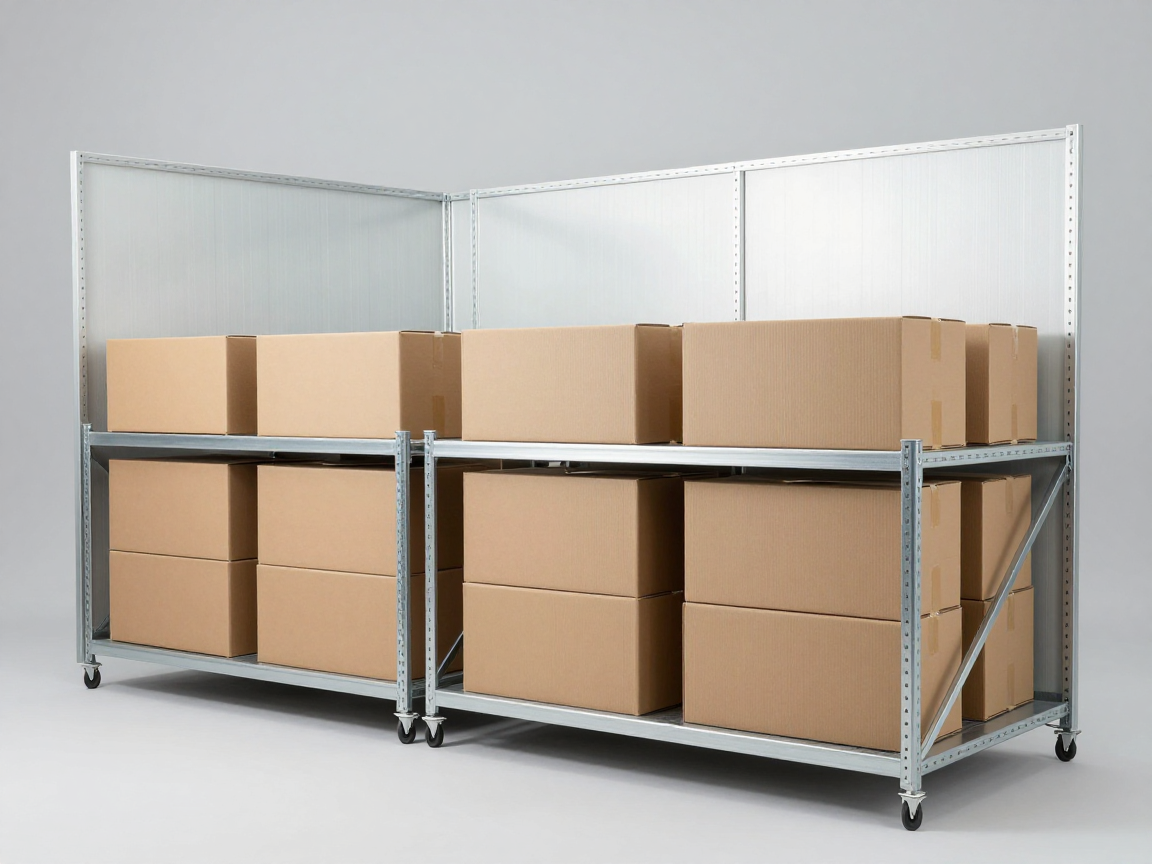
5. So is controlled conditioning mandatory or optional?
In most procedures, the line “Atmospheric Conditioning — Controlled Temperature and Humidity” is clearly stated Optional (optional), while the “Preconditioning” line is Required (required). But you need to read the explanation, because the document clearly states two points:
- If you know that Climatic extremes are harmful to the product, must be used Maximum temperature and humidity limits of product.
- Documents It is recommended to use both the highest and lowest levels — that is, run two conditioning series, each with a full test.
For goods that are perishable at temperature (food, cosmetics, pharmaceuticals, battery-powered electronics), skipping this step is skipping the biggest risk. Conversely, with climate-resistant goods, this is a step that can be cut to save chamber time — as long as the decision is documented and both parties agree.
As for 6-SAMSCLUB, the document has clear optiones: groups non-perishable (not perishable), controlled conditioning is optional; group perishable (perishable) goes straight to the mandatory option.
6. Why does the conditioning change the test results?
Two technical reasons, both very specific:
- Carton and humidity: Paper materials absorb and release moisture according to the environment. At high humidity, paper fibers soften and their ability to withstand compression decreases; At low humidity, paper is drier and more brittle. So the same carton may reach 50% RH but not 85% RH. This is why the “Cold, Humid” and “Hot, Humid” conditions in the table both use 85% RH.
- Heat sensitive products: Many products change their properties with temperature — adhesives soften when hot, liquids increase in vapor pressure, batteries lose capacity when cold, plastics become brittle at low temperatures. A product that passes the fall test at room temperature may not pass at −29 °C.
So conditioning is not a formal procedure: it is the variable that creates the difference between “passing in the lab” and “passing in the market”.
7. Three rarely mentioned rules – but get them wrong and the test means nothing
- Run the rest as quickly as possible after exiting the conditioning chamber. The document requires performing the remaining exercises immediately after removing the sample from the conditioning equipment; If possible, perform directly in a conditioned environment. Leaving the sample waiting outside the lab for several hours will invalidate the entire conditioning step.
- One condition = one new and complete test. If more than one condition is selected, each condition must run a complete series of tests with new samples, and cannot reuse samples that have already been tested.
- Record temperature and humidity at two times. Documentation required to record lab temperature and humidity when starting try and record when finished the entire test procedure. This is data to demonstrate valid test conditions; Without it, the report is unlikely to be accepted.
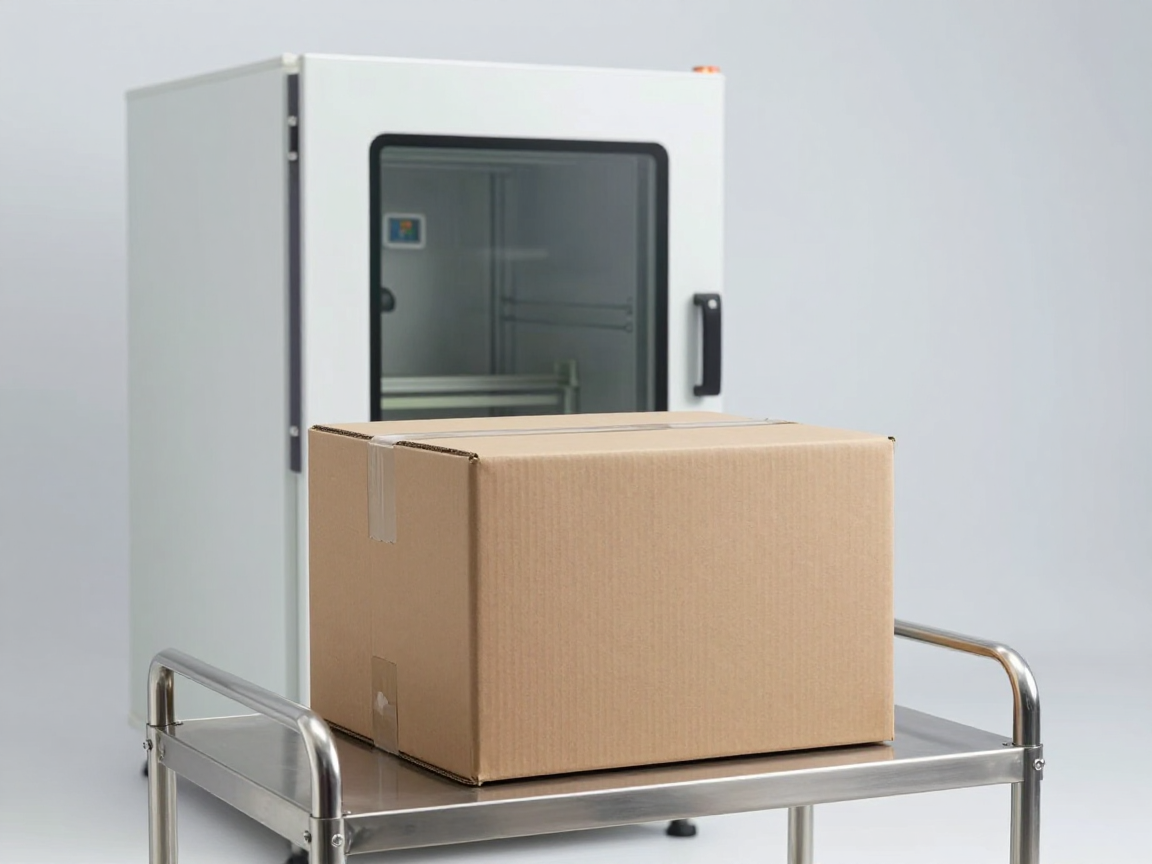
8. Common errors
- Conflate preconditioning with atmospheric conditioning. Two different steps; Controlled conditioning always does later Preconditioning, no replacement.
- Consider 12 hours as a fixed number for all cases. There is a “not less than 12 hours” recording procedure (6-SAMSCLUB) and there is a 24-hour requirement procedure (7D).
- Choose an conditioning that does not follow the actual distribution channel. With 3K, the ambient/cool/frozen channel determines the conditioning conditions.
- Let the cool/warm sample return to the lab before testing. Must move on to the next lesson immediately, as quickly as possible.
- Reuse the tested sample for different conditions. Each condition requires a new sample and a complete test series.
- Do not record the temperature and humidity of the lab. This is required data in the report.
- Do not check the calibration of the recording device. Temperature and humidity measuring equipment and conditioning equipment must be calibrated before testing.
- Skip conditioning for heat-sensitive goods to save time. This is often the product’s biggest risk — saving a few days in the test chamber but losing the value of the entire record.
- The selected standard version and conditions are not clearly stated in the report. Readers of the records need to know exactly what conditions were adjusted.
9. Frequently asked questions
Is 12-hour preconditioning required?
Yes. In most of the collated procedures, the line “Preconditioning — Temperature and Humidity — Ambient” is recorded at Required. Only in some special cases is it listed as optional (such as the preconditioning step in the test sequence table of ISTA 7D).
Can I skip controlled conditioning to save time?
Formally, much of this step recording process is optional. But if the product is known to be affected by temperature or humidity, the literature calls for the highest limit to be used — and recommends using both the highest and lowest limits. Ignoring knowing the risks is a decision that needs to be documented and agreed upon by both parties.
Conditioning is at which step in the test sequence?
Yes step 1 (and sometimes step 2) in the test sequence table, before any shock, vibration and compression tests. With 3K, conditioning is still the first step — but the condition is chosen according to the product’s distribution channel.
How to prepare samples sent to the lab?
Documentation of sample request sent to an accredited laboratory must over-packaged or Repackage in new packaging at the lab, to ensure the tester is in perfect condition. Details in the article Number of samples and sample preparation when testing ISTA packaging.
Does conditioning change the test?
Don’t change the test, but change the input conditions — so the results can be changed. That’s the goal: to bring the sample into the state it would actually encounter in the market before being subjected to shock, vibration and compression.
10. Conclusion
Climate control involves two steps and both have a reason to exist: Preconditioning for 12 hours in a laboratory environment (mandatory, and “not less than 12 hours” in some procedures), then comes 72-hour controlled conditioning according to expected conditions table (optional in form, but often practically required for heat-sensitive goods — and option-mandated for perishable goods in 6-SAMSCLUB).
Three things to remember: Conditioning conditions must match the actual distribution channel (3K is the best example: ambient / cool / frozen); After leaving the room, you must continue running immediately; and Each conditioning condition requires a new, complete test. Noteworthy time exceptions: 7D lasts for a minimum of 24 hours, and frozen gel packs may take longer.
Reference standard version: the figures in the article are compared with ISTA documents 1B (2014), 1C (2014), 3F (2017), 3H (2025), 3K (2011), 3L (2023), 6-AMAZON.COM Over Boxing (2018), 6-AMAZON.COM-SIOC (2018), 6-SAMSCLUB (2010) and 7D (2007).
References
The full standard should be searched and ordered directly from ISTA. Below are the public sources used for reference when compiling the article:
- ISTA — Test Procedures & Projects (current catalog, accessed September 28, 2026)
- ISTA 3F (2017), 3H (2025), 3L (2023), 6-AMAZON.COM Over Boxing (2018) — “Anticipated Conditions” / “Optional Conditions” table
- ISTA 3K (2011) — preconditioning by distribution and retail channels
- ISTA 7D (2007, revised 7/2022) — minimum 24-hour preconditioning
- ASTM D4332 and ISO 2233 — referenced methods for temperature and humidity recorders and conditioning chambers
Related articles
- Load cold/hot test: how to place the sensor and measure sample temperature according to IEC 60068-3-7
- Number of samples and sample preparation when testing ISTA packaging
- ISTA Packaging Test Pass/Fail Criteria: 4 Things You Must Decide Yourself
- What is ISTA 3K? Fast-moving consumer goods packaging test procedure in European retail chains
- What is ISTA 7D? Temperature testing procedures for shipping packaging
- What Drives the Cost and Lead Time of an ISTA Packaging Test?
Talk to us
Disclaimer and IP acknowledgement
This article is an explanatory content compiled by us for the purpose of introducing and disseminating knowledge. Article is not a translation, copy, abridgement or replacement of the parent standard, and is not evaluated, approved or sponsored by ISTA (International Safe Transit Association)..
The entire content of ISTA standards is copyrighted by the International Safe Transit Association, Inc. (East Lansing, Michigan, USA) — All rights reserved. ISTA® and the ISTA logo are registered trademarks of the International Safe Transit Association, Inc.; Mentioned in this article are for guidance purposes only and do not imply any affiliation, partnership or sponsorship.
The figures in this article are a summary for reference and may have been adjusted in a newer version of the standard. Article content For reference only; Before applying for any purpose — testing, evaluation, certification or commercial decision-making — the reader should refer directly to the original ISTA document, and consult an accredited testing facility when necessary.
When performing testing, it is mandatory to use the official, current version of the standard, obtained directly from ISTA. We do not redistribute ISTA materials in any form.
See more: Copyright Policy & Disclaimer by ticforall.com.