“How much does an ISTA test cost?” is a question with almost no general answer. Not because testing laboratories hide prices, but because No test is the same as another: for the same ISTA 1C, two businesses can receive two very different quotes depending on the package size, number of samples and test option chosen.
This article summarizes the factors that really determine cost and time, and how to ask for quotes to compare between units.
1. Why is there no “standard price” for a test?
ISTA is a standards developer, not a seller of testing services — ISTA does not publish a price list for performing a procedure. Costs are determined by each testing laboratory, based on equipment time, human resources, consumables and the level of documentation required by the customer.
So instead of finding a number, the practical way to do it is to understand What causes price quotes to increase? — then proactively choose the configuration that suits your goals.
2. Five factors that determine cost
- Process is selected: Series 1 (durability testing) procedures typically have fewer items than Series 2 and Series 3 (partial simulation and general simulation). The more items on the same model, the longer the equipment occupancy time.
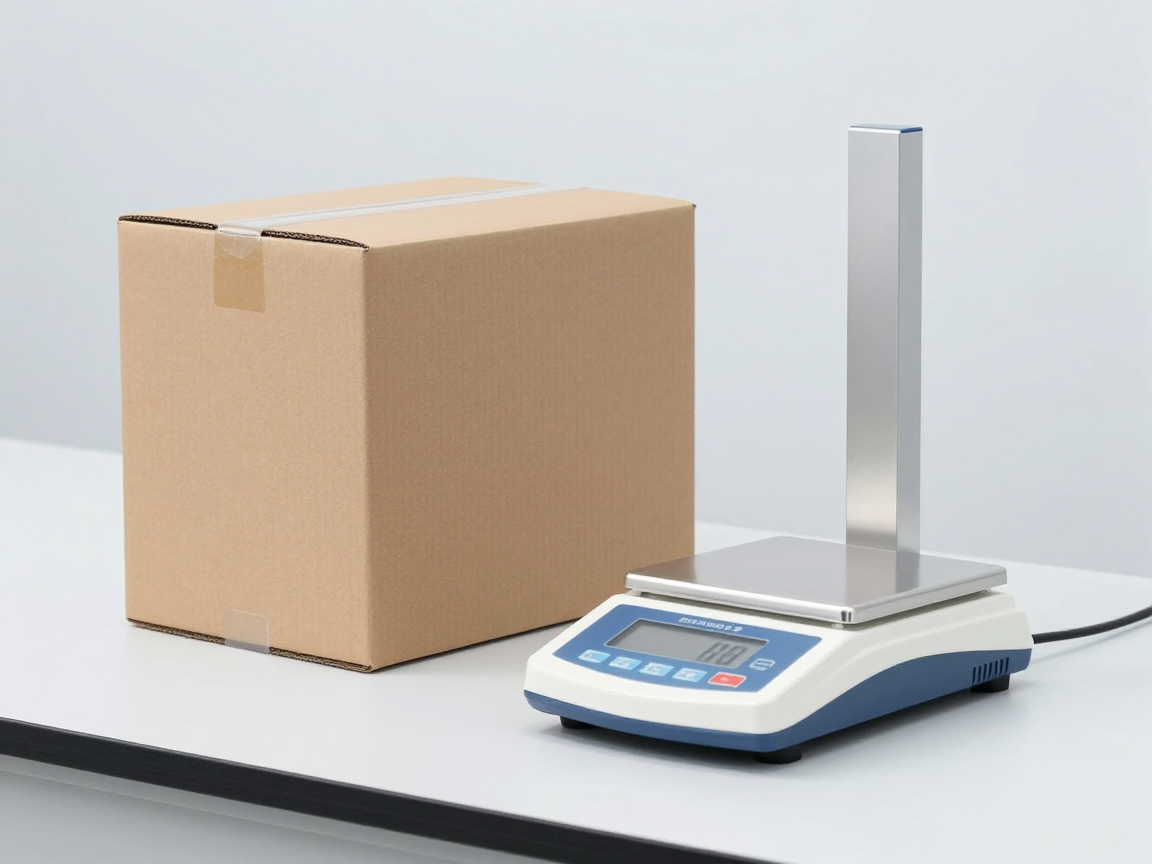
- Weight and size of package: bales over 68 kg (150 lb) require lifting equipment, heavy-duty vibrating tables, and sometimes have to rent a vehicle and load separately. Bulky packages also take up a lot of test chamber space.
- Number of samples and number of iterations: the minimum requirement is usually one sample per run, but ISTA recommends multiple iterations with new samples to obtain representative conclusions. This is the biggest variable that businesses can proactively determine.
- The test option is selected: multiple processes allow a choice of options for the same item — for example, fixed displacement or random vibration, free fall impact, incline or horizontal impact. Each option uses different equipment so prices are different.
- Documentation requirements: descriptive reports are usually cheaper than reports with detailed data, systematic images or content for certification. If the end customer has its own report form, it should be sent when asking for price.
3. Time: why is it difficult to promise a number?
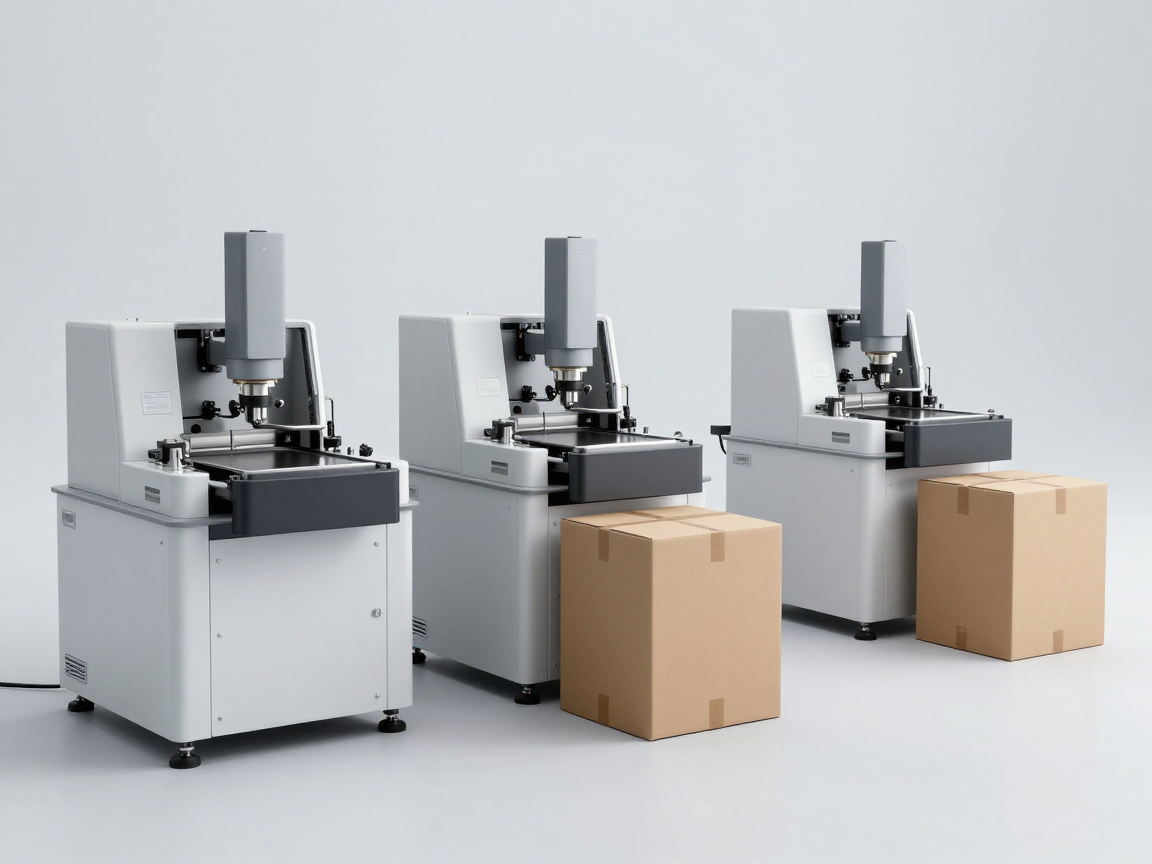
The time to complete a test is not just the running time. It includes climate conditioning time (if required by the process), time occupying the vibrating table or impact device, inspection and imaging time between steps, and equipment schedule wait time. For heavy goods, additional loading and unloading work at both ends is required.
One point that’s easy to overlook: with a multi-item process running consecutively on the same sample, if a problem arises in the middle step, you have to start over with a new sample — the actual time may be longer than planned. So you should ask the testing lab Estimated completion time is calculated in working days, and ask clearly what to do if you have to try again.
4. How to get quotes that are comparable between units
To have two quotes for the same thing, submit a single descriptor for both places, including:
- Standard procedures and codes (e.g. ISTA 1C), with optional optiones you want to use.
- External dimensions, weight, and packaging configuration of the sample.
- Desired number of samples and iterations.
- Document request: regular report or report according to customer’s form.
- Your set of pass/fail criteria — see 4 criteria businesses must determine for themselves before testing.
When getting a quote, you should clearly ask three things that are often hidden: Does the price include climate control?, Is loading and unloading labor and lifting equipment included?, and Does it include retesting if the sample fails in the middle step?.
5. Four ways to reduce costs without reducing value
- Try it out early in the design phase: The cost of repairing packaging while still on the drawing is always lower than the cost of handling damaged goods on the market.
- Choose the right process according to the real distribution channel: try again because choosing the wrong process is much more costly than identifying the right channel in the first place.
- Decide on the number of iterations based on risk: High value products, sold through strict channels, should be repeated enough; Replaceable products and packaging that have been stable over multiple batches can start with fewer iterations.
- Finalize pass/fail criteria before testing: This is the cheapest way to avoid having results but still having to try again because both sides understand “pass” differently.
6. Conclusion
The cost and time of an ISTA test is not a fixed number but is the result of five decisions: procedure, package size and weight, sample number, test arm, and record level. If you want to compare quotes, you must send the same description to the units and ask clearly about easily hidden items such as climate control, loading and unloading costs and retesting costs.
The real way to save doesn’t lie in bargaining, but in working try the correct procedure the first time and finalize pass/fail criteria before the sample leaves the factory.
References
The full standard should be searched and ordered directly from ISTA. Below are the public sources used for reference when compiling the article:
- ISTA — Test Procedures (list of current series and projects, accessed September 27, 2026)
- ISTA — Procedure 1A — Overview, 1C, 1G (free overview published by ISTA; not enough to conduct testing)
- ISTA — Certify your Lab (testing laboratory certification program)
This explanatory article is compiled from the sequence and equipment sections of the ISTA Series 1–3 overviews; ISTA standards do not publish a price list for testing.
Related articles:
- Climate control before packaging testing: 12 hours or 72 hours?
- How are SIOC and Over Boxing different? Choose the right test for products sold on Amazon
- Pass/fail criteria when testing ISTA packaging: 4 things businesses must determine for themselves
- What is ISTA standard? Instructions for choosing the right shipping packaging test
- What is ISTA 1A? The most basic shipping packaging testing process
- What is ISTA 1C? Extensive packaging testing procedures for packages up to 150 lb (68 kg)
- What is ISTA 1G? Random vibration test procedure for packages up to 150 lb (68 kg)
- What is ISTA 1H? Random Vibration Test Procedure for Packages Over 150 lb (68 kg)
Talk to us
Disclaimer and IP acknowledgement
This article is an explanatory content compiled by us for the purpose of introducing and disseminating knowledge. Article is not a translation, copy, abridgement or replacement of the parent standard, and is not evaluated, approved or sponsored by ISTA (International Safe Transit Association)..
The entire content of ISTA standards is copyrighted by the International Safe Transit Association, Inc. (East Lansing, Michigan, USA) — All rights reserved. ISTA® and the ISTA logo are registered trademarks of the International Safe Transit Association, Inc.; Mentioned in this article are for guidance purposes only and do not imply any affiliation, partnership or sponsorship.
Article content For reference only; Before applying for any purpose — testing, evaluation, certification or commercial decision-making — the reader should refer directly to the original ISTA document (the most complete and up-to-date version) and consult an accredited testing facility when necessary.
When performing testing, it is mandatory to use the official, current version of the standard, obtained directly from ISTA. We do not redistribute ISTA materials in any form. Information in this article may be out of date with the current version of the standard.
See more: Copyright Policy & Disclaimer by ticforall.com.