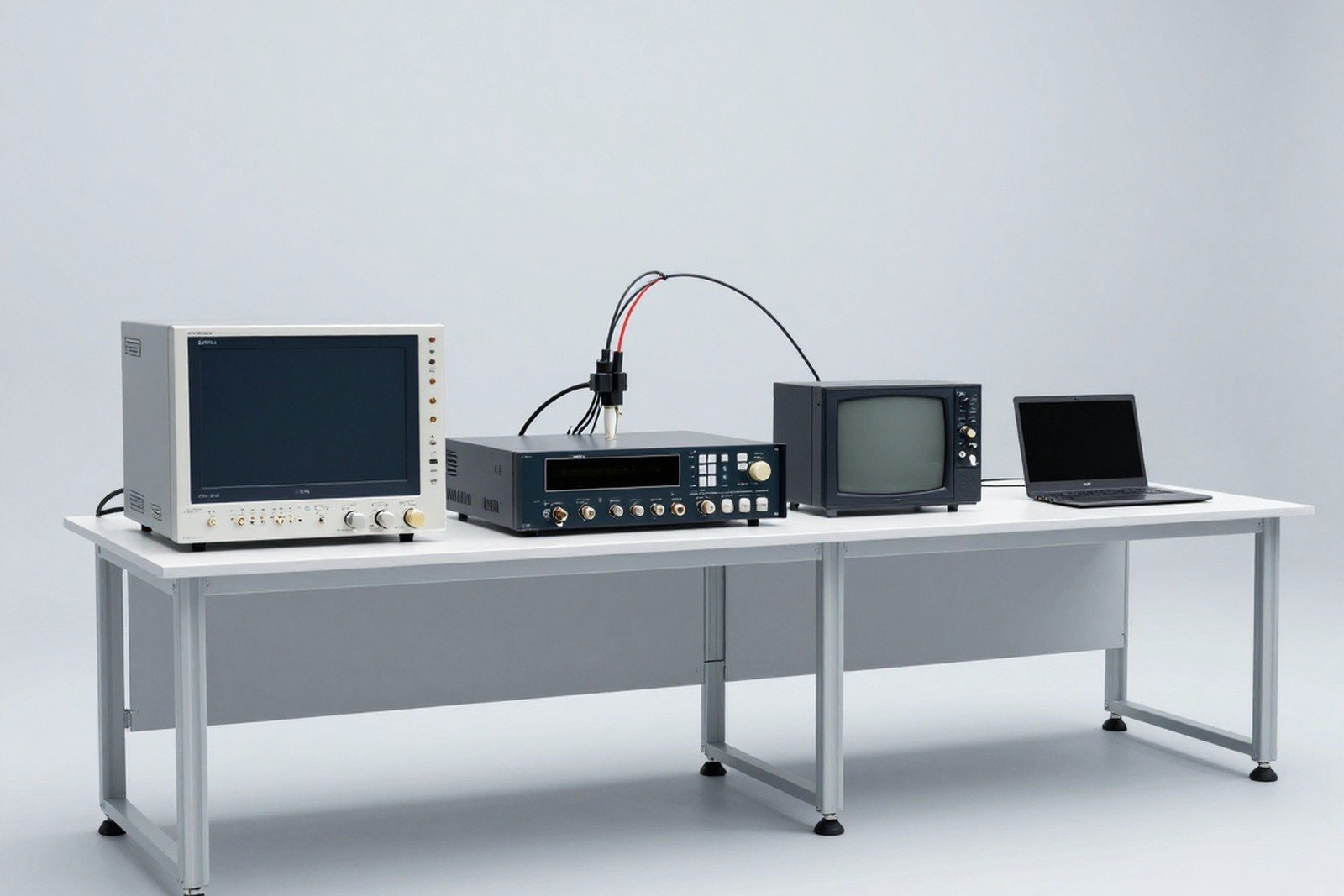
CISPR 32 is standard about electromagnetic emissions for multimedia equipment (MME). Launched in 2015 by merging CISPR 22 (information technology equipment) and CISPR 13 (radio and television receivers), CISPR 32 is currently the most cited standard for computers, network equipment, monitors, televisions, audio equipment and nearly all connected consumer electronics products.
1. Why CISPR 32 was created
Previously, a smart TV could belong to both CISPR 13 (thanks to the television reception function) and CISPR 22 (thanks to Ethernet and USB ports). The blurred line between information technology equipment and audiovisual equipment causes controversy when it comes to certification. CISPR 32 addresses it by:
- Combine the two standards into a single frame for multimedia device groups.
- Given table determining applicable levels by function and port of the device.
- Additional measurement requirements above 1 GHz for devices with high clock sources — something the old CISPR 22 did not cover.
2. Scope of application
- The device’s main function is: information technology, communications, audio and video broadcasting/recording, display: computers, servers, monitors, printers, scanners, routers, modems, switches, IP cameras, IP phones, TVs, set-top boxes, content players, amplifiers, connected speakers, projectors, video conferencing equipment.
- The whole device Use mains power, use adapter and run on battery.
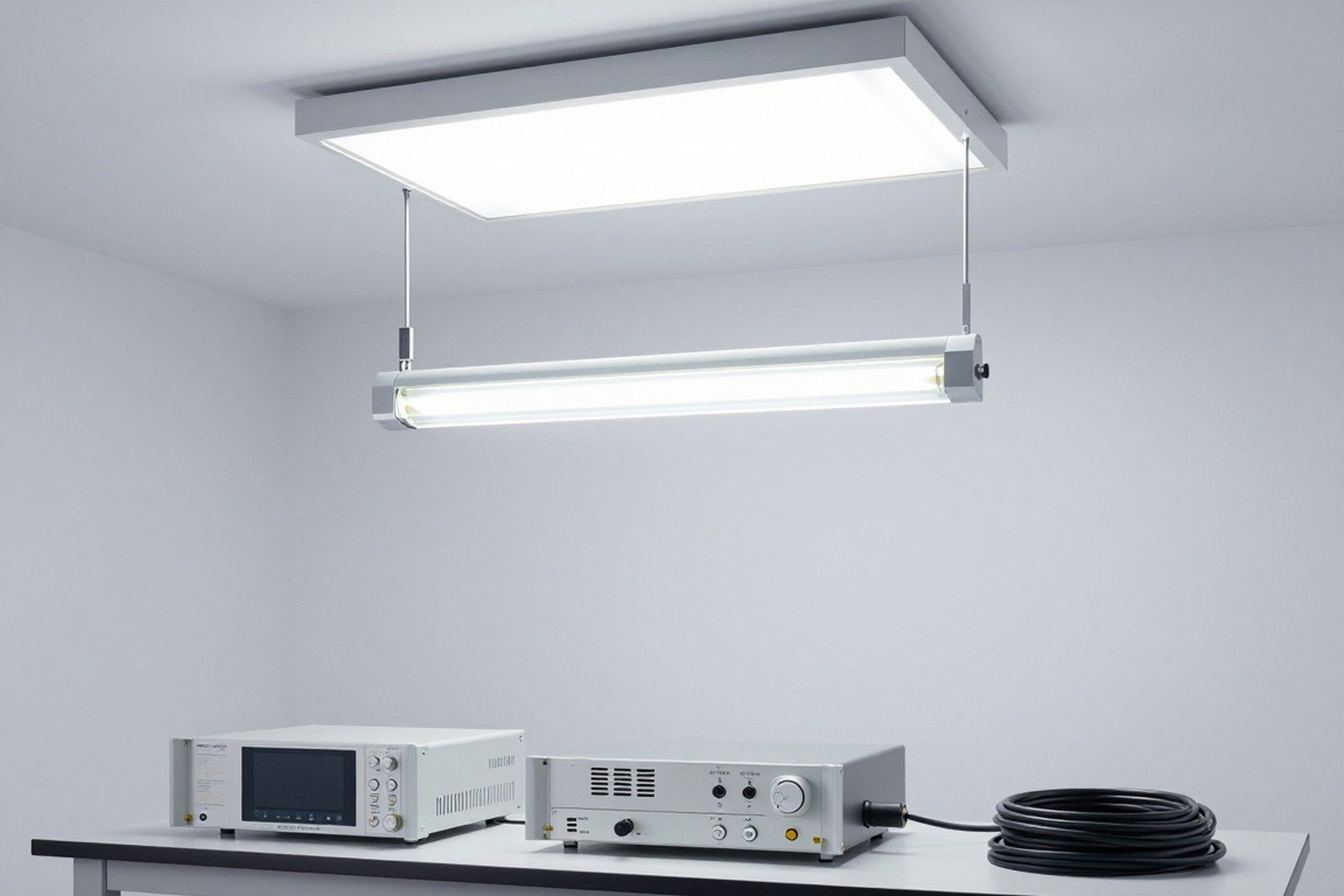
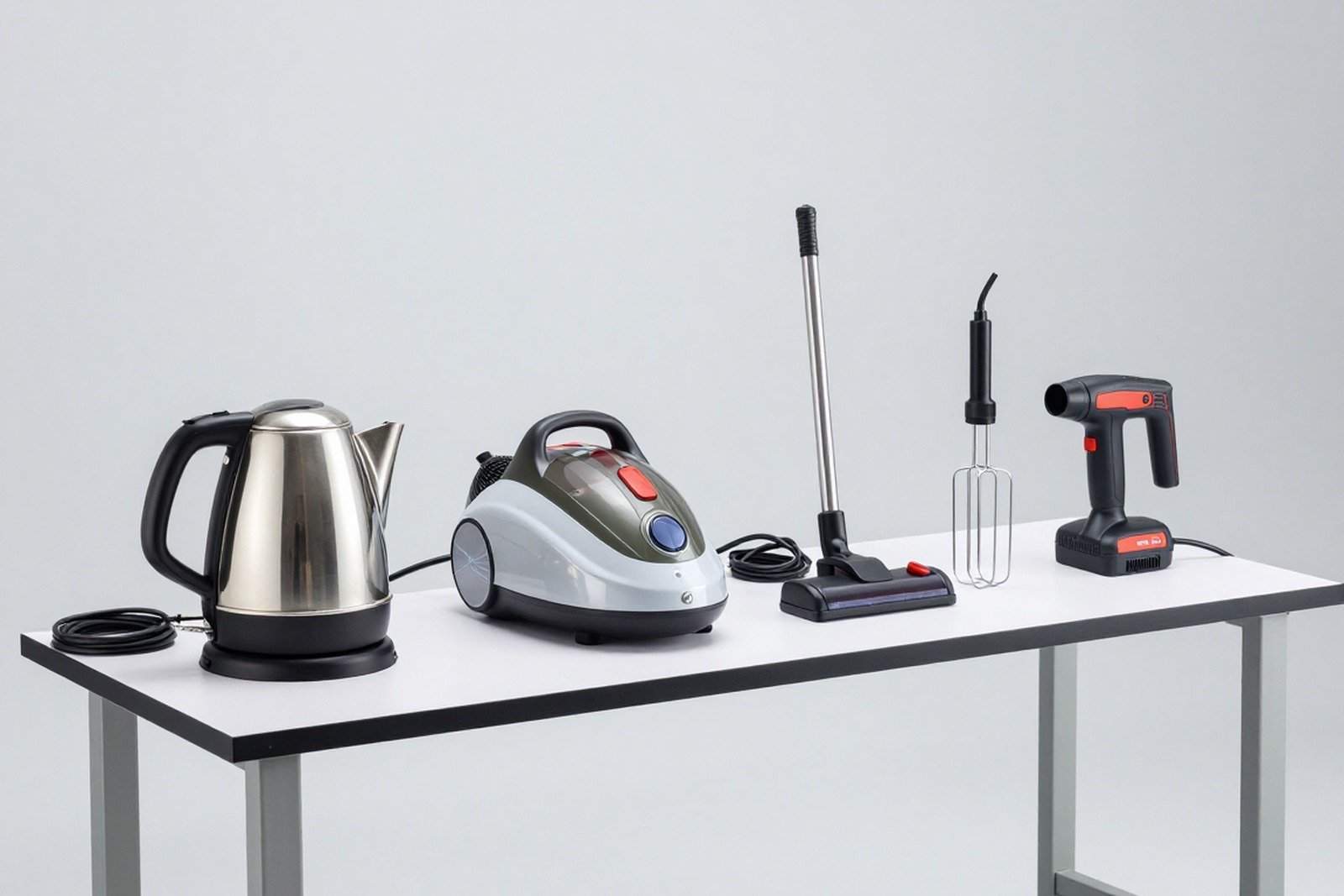
- Exclusions Equipment has its own standards: lighting equipment (CISPR 15), industrial – scientific – medical equipment (CISPR 11), household equipment (CISPR 14-1), automotive equipment (CISPR 25), radio equipment are regulated separately according to radio function.
- Mistaken points: same “LED lamp” but the lighting falls under CISPR 15, while LED display screens fall under CISPR 32 — decision function.
3. Class A and Class B
- Class B — equipment used in civil environment (houses, residential areas, places that may cause interference with radio and television waves). Tighter limits.
- Class A — equipment used in commercial and industrial environments, where there is no reason to protect the population. Limits are looser.
- Equipment sold to both households and businesses is often evaluated according to Class B so that one set of documents can be used for many sales channels.
4. Emission tests in CISPR 32
4.1. Conducted disturbance at the AC mains port — 150 kHz to 30 MHz
- Measure on source impedance stabilization network (LISN/V-AMN), evaluate also quasi-peak (QP) and average (AVG).
- Limited example Class B: 66–56 dBµV (QP) in the range 150 – 500 kHz decreasing with frequency; 56 dBµV in 500 kHz – 5 MHz; 60 dBµV in 5 – 30 MHz. AVG level is 10 dB lower.
- Limited example Class A: 79 dBµV (QP) in 150 – 500 kHz and 73 dBµV in 500 kHz – 30 MHz.
4.2. Radiated disturbance — 30 MHz to 1 GHz
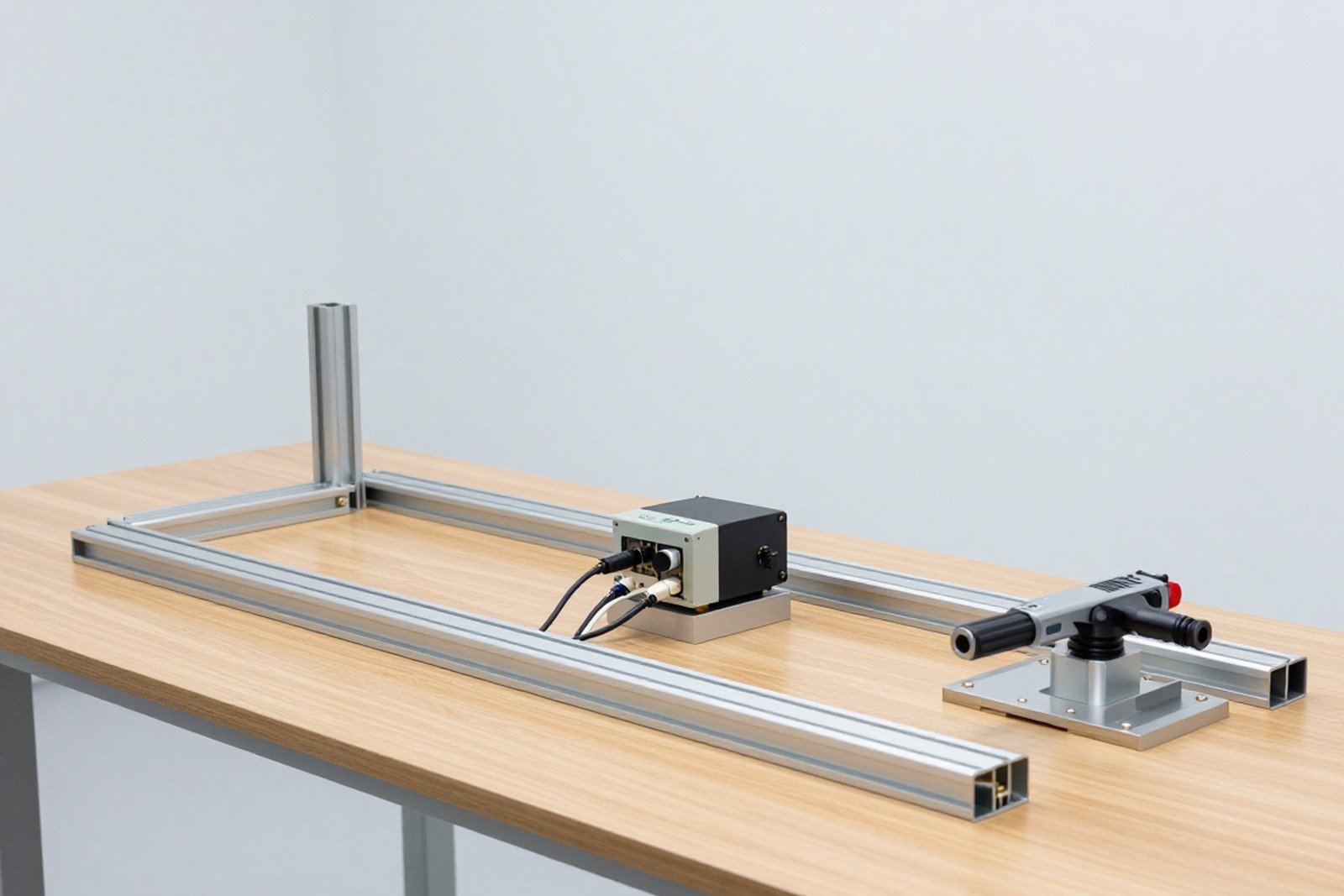
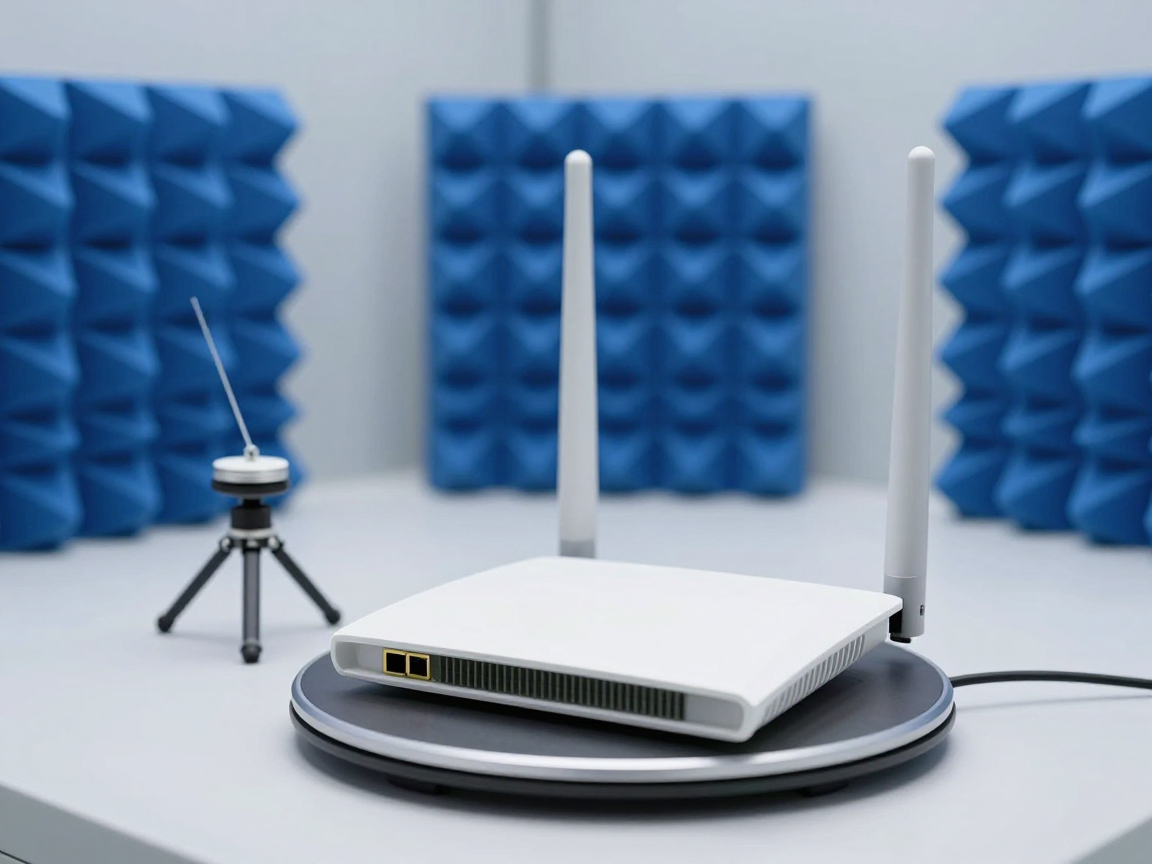
- Measured by antenna in a semi-empty chamber or outdoor test site, standard distance 10 m (some cases allow 3 m with compensation factor).
- Limit Class B typical: 30 dBµV/m in 30 – 230 MHz and 37 dBµV/m in 230 MHz – 1 GHz.
- Limit Class A at 10 m: 40 dBµV/m and 47 dBµV/m for the two ranges respectively.
- EUT placed on turntable, horizontal and vertical polarized antenna; Rotate the EUT and raise and lower the antenna to find the maximum level.
4.3. Disturbance at telecommunication and signal ports
- Measure 150 kHz – 30 MHz on communication ports using ISN, AAN, voltage probe or current probe.
- This is a unique requirement in CISPR 32 compared to the old standard, reflecting the fact that network equipment has long cables.
4.4. Emission above 1 GHz — 1 GHz to 6 GHz
- Applies depending on the largest clock source inside the device (specified frequency thresholds) or depending on configuration.
- Level measurement peak. peak and average, the antenna is located closer to the EUT — this fact is very important for Wi-Fi devices, phones, and devices with high-speed processors.
5. Test configuration — the part that decides the result
- Representative configuration: The EUT must be run in a fully functional configuration, connecting to any port (screen, network, USB, Wi-Fi, speaker), because the worst configuration determines the result.
- Working mode: For example, the computer must simultaneously read disks, transmit data over the network, and display moving images; The TV must display complex images, not a blank screen.
- Wiring: Length, height above ground plane, cable bundling, and adapter location are all specified and must be recorded — one wrong detail can change the results by several dB.
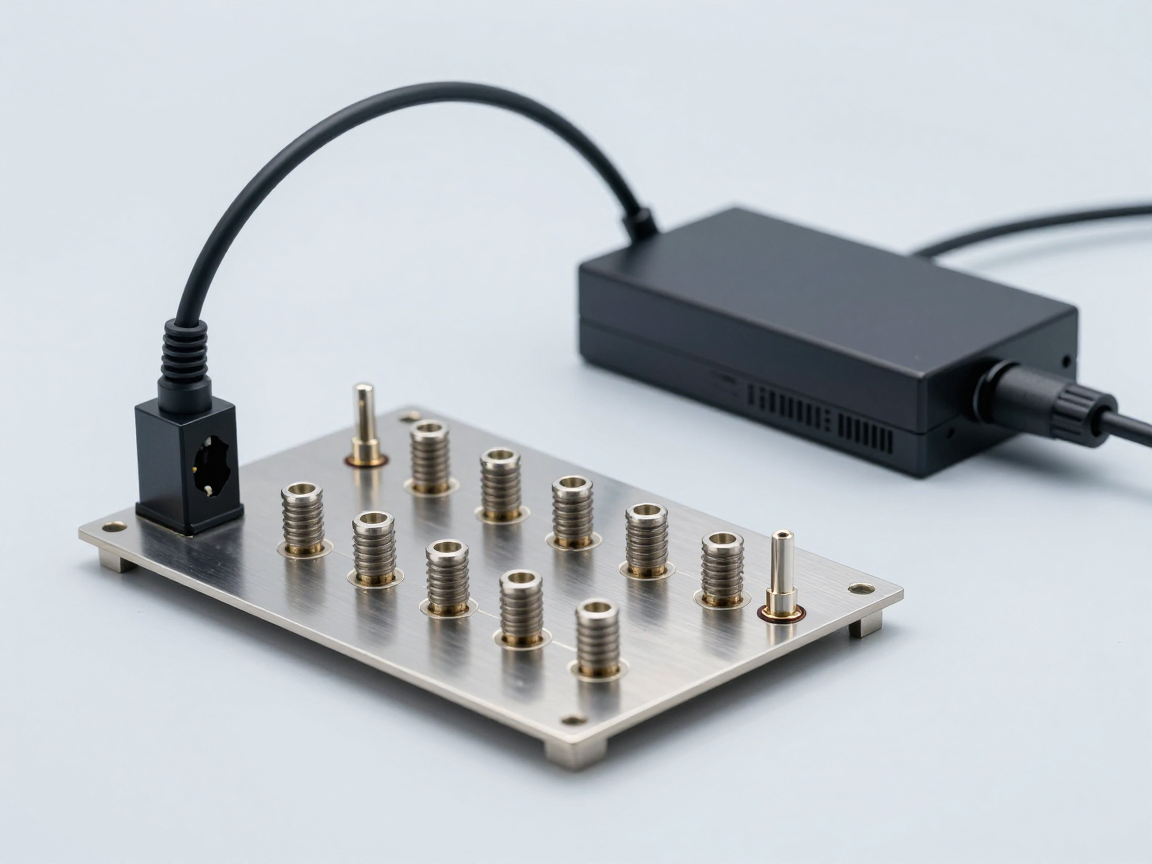
- Power and auxiliary cables: All power cables must pass through LISN, do not use free long wires in the measurement chamber.
6. CISPR 32 and CISPR 35 — the pair to remember
- CISPR 32 has emission only. Not to be confused with the full EMC version.
- CISPR 35 is the standard immunity corresponding for multimedia devices (replacing previous CISPR 24): ESD, EFT, surge, radiated RF, conducted RF, magnetic fields, voltage drop and power interruption.
- In many markets, EMC profiles for multimedia devices = CISPR 32 + CISPR 35, with 61000-3-2 and 61000-3-3 when the equipment is connected to the public low-voltage supply system.
- Measuring methods and instruments are specified in the kit CISPR 16 (CISPR 16-1-x for instruments, CISPR 16-2-x for methods).
7. Application in Vietnam and other markets
- For ICT equipment and radio equipment imported and exported into Vietnam, EMC requirements are in the specialized standards system of the Ministry of Information and Communications; Need to look up the list of goods and current conformity assessment method (refer to Appendix I/II of Circular 36/2026/TT-BKHCN and the list of the Ministry of Information and Communications).
- In the EU, multimedia equipment applies EN 55032 and EN 55035; In the US, FCC Part 15B uses Class A/B classification in the same spirit as CISPR 32; In Japan, there is VCCI CISPR 32.
- Practical note: many markets still accept CISPR 32 reporting but require it correct version cited in domestic regulations — always check before scheduling a test.
8. Frequently asked questions
Can one product fall under both CISPR 32 and CISPR 15?
Not for the same function. For example, LED lighting falls under CISPR 15; If the product is an LED advertising screen connected to the network and displaying digital content, it is usually considered according to CISPR 32.
Is measurement above 1 GHz mandatory?
Depends on the configuration and maximum clock frequency of the device as specified in the standard; Products with Wi-Fi, LTE or high-speed processors are often subject to measurement.
Does CISPR 32 include immunity requirements?
No. CISPR 32 only regulates emissions; immunity is at CISPR 35.
9. Conclusion
CISPR 32 is the EMC “gateway” for nearly all consumer electronics and networking equipment today. Good preparation means: determining the correct Class, running the correct worst configuration, arranging cables correctly, and remember that the file is only complete when adding CISPR 35 and current harmonic/flicker requirements if the device is grid-connected.
Related articles
- Which EMC standards apply to your product? Selection diagram
- What is emission and immunity? EMC platform
- CISPR 14-1: emissions for household appliances and power tools
- IEC 61000-3-2: current harmonic limits for equipment ≤ 16 A
Talk to us
Disclaimer
The article was compiled by us for interpretation; not legal advice. The above limit is an illustrative example of a common range; The original table in the CISPR 32 version cited for the specific product must be consulted. Copyright Policy & Disclaimer.