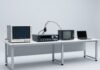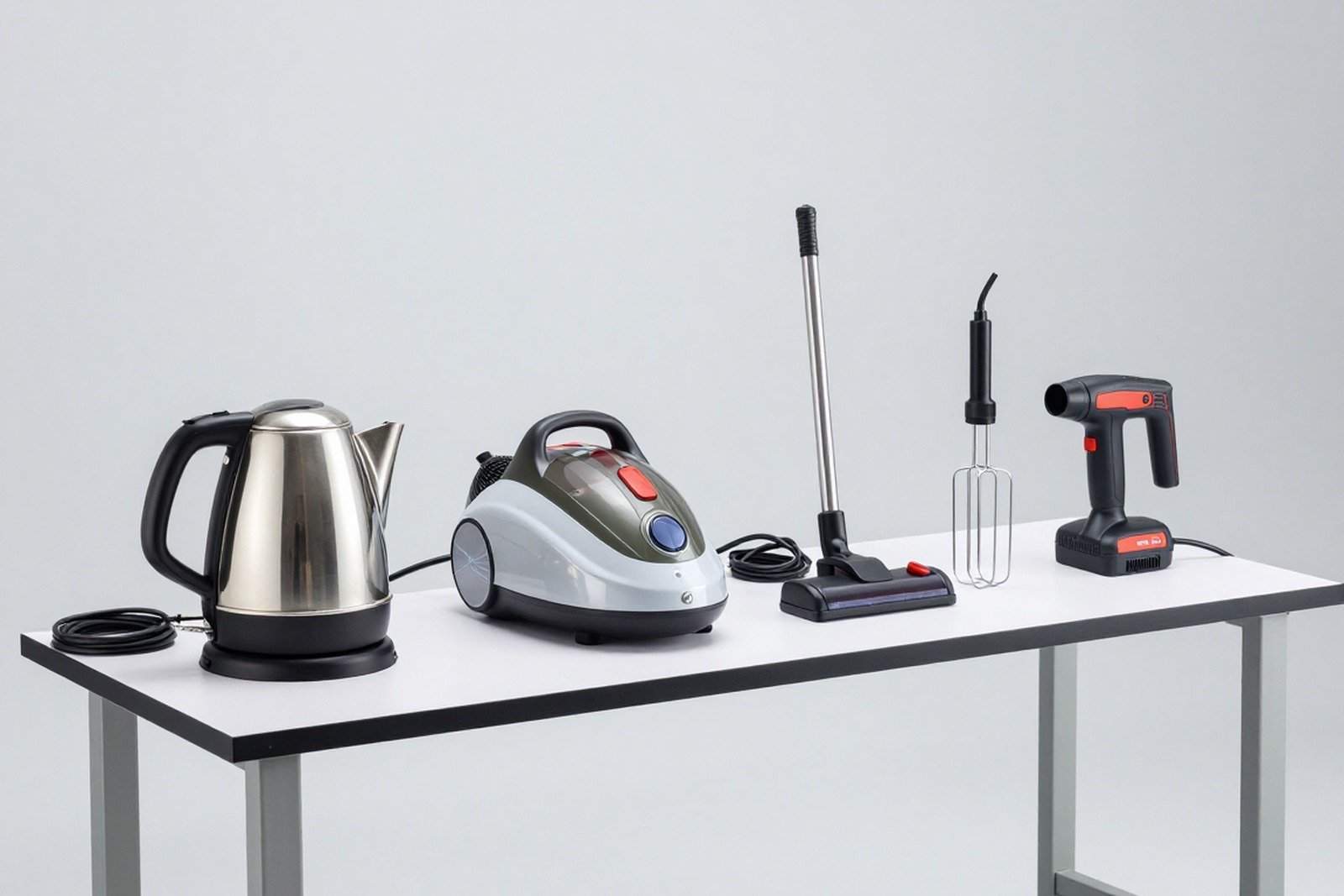
CISPR 14-1 regulations Limits and methods for measuring electromagnetic emissions for household appliances, electric tools and similar equipment — product groups with motors, heating elements or electronic control circuits, using mains or battery power. This is the “gateway” standard for nearly all exported household products: rice cookers, vacuum cleaners, fans, drills, mixers, microwave ovens, heating equipment.
1. Scope of application
- Household appliances: rice cooker, kettle, microwave, refrigerator, washing machine, vacuum cleaner, fan, mixer, iron, heating equipment.
- Electric tools: drills, grinders, saws, screwdrivers, garden tools — even cordless handhelds.
- Similar devices: vending machines, electrical equipment used in the home but not in the information technology or lighting group.
- Equipment Runs on batteries or accumulators is also within the scope when it has the same function as a mesh device.
- Exclusions: lighting equipment (CISPR 15), multimedia equipment (CISPR 32), industrial – scientific – medical equipment (CISPR 11).
2. The four test groups of CISPR 14-1
2.1. Terminal voltage disturbance at the mains port — 150 kHz to 30 MHz
- Measured by source impedance stabilization network, evaluate both quasi-peak and average.
- Typical limits for residential environments: 66 → 56 dBµV gradually decreasing in the range of 150 – 500 kHz, 56 dBµV in 500 kHz – 5 MHz and 60 dBµV in 5 – 30 MHz; average level is 10 dB lower.
- For hand-held power tools, the limits may be relaxed according to specific regulations for this group.
2.2. Disturbance power — 30 MHz to 300 MHz
- This is the test characteristic of CISPR 14-1 and is also the biggest difference compared to CISPR 32.
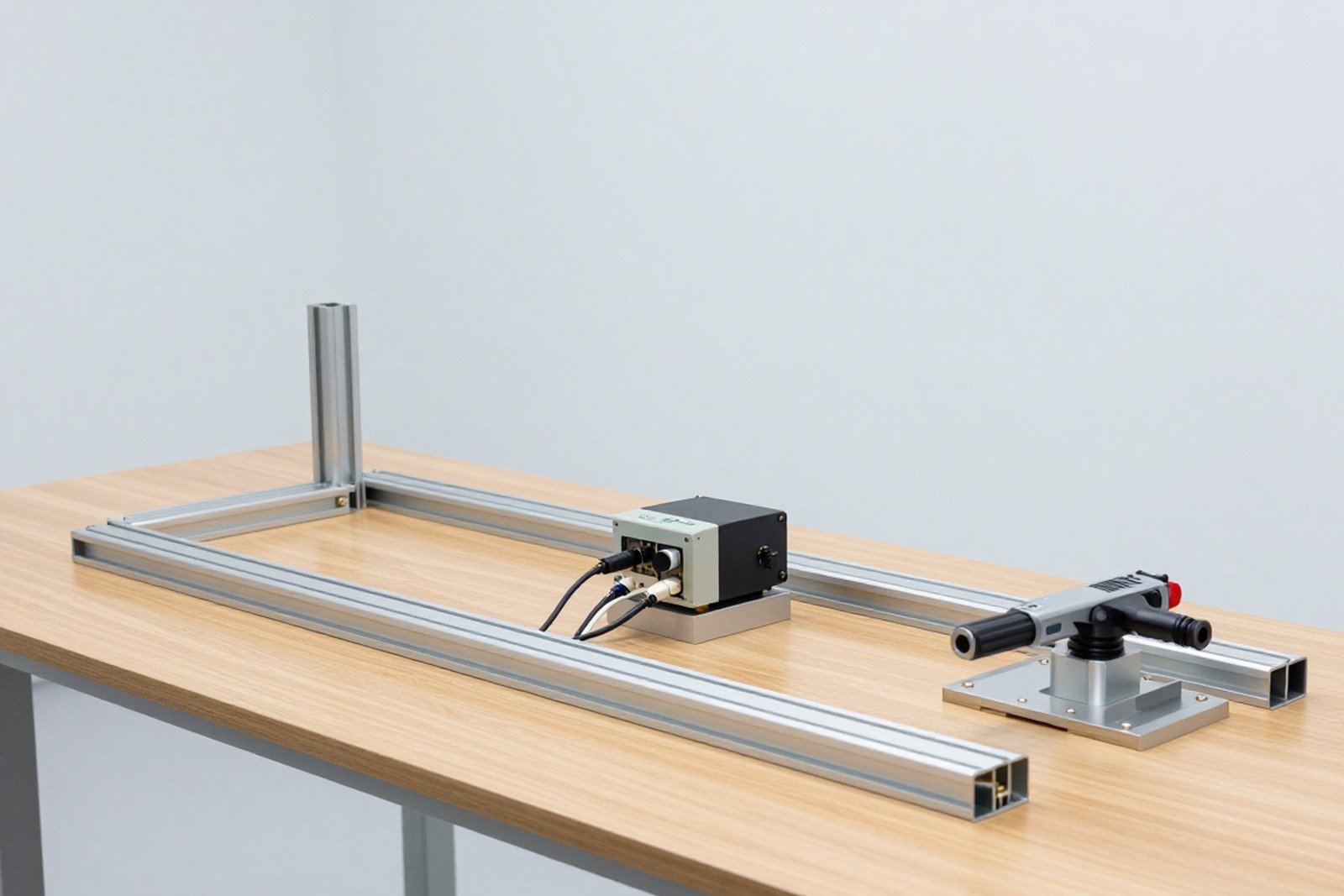
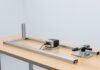
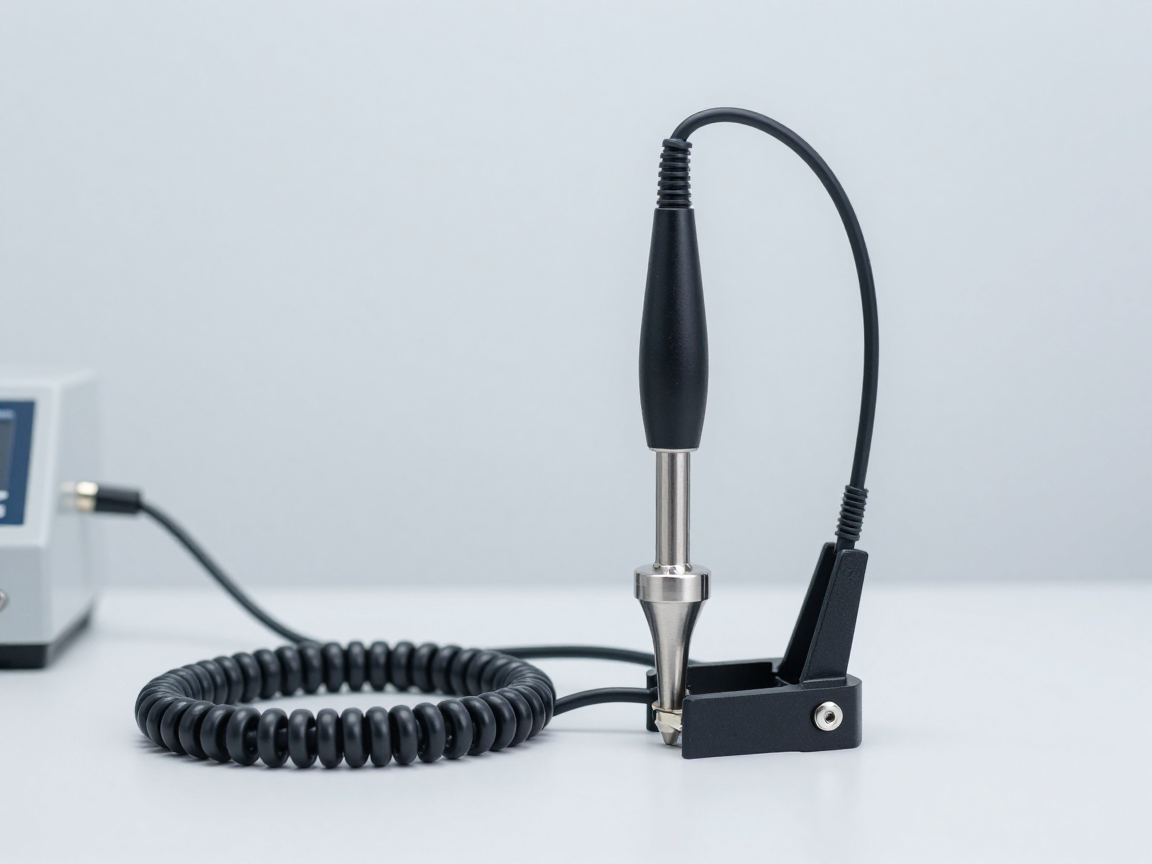
- Use absorbing clamp clamp around the power cord with real load, measure the disturbance power transmitted along the cable and record it in dBpW.
- Advantage: this test replaces part of the radiated measurement with a small device with a power cord — faster and more stable in a standard test room.
- The limit depends on the device type and frequency band, so you must look up the table in the standard according to the correct product group.
2.3. Radiated disturbance
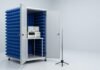
- Applicable to some product groups, usually in the range of 30 MHz – 1 GHz, measured in a semi-sterilization chamber or test field.
- Devices with radio transmitters (remote control, Wi-Fi, Bluetooth) must also consider specific radio requirements according to specialized standards.
2.4. Discontinuous disturbance — the “click” test
- Many household appliances emit interference short pulse when switching (relays, switches, starter motors, thermostats) rather than generating continuous noise. The standard evaluates this type of interference separately.
- How to evaluate: count the rate at which pulses appear (number of “clicks” per minute) and apply the corresponding limit — the more pulses, the lower the level must be, until it is considered continuous noise and applies the limit continuously.
- This is an easy part to miss when preparing the sample yourself: the test device in quiet mode “passes”, but when running enough switching cycles, it actually exceeds click.
3. Operating conditions — the most error-prone point
- Run in full mode: start, acceleration/deceleration, reversing, heating, electronic control, power saving mode, load and unload mode.
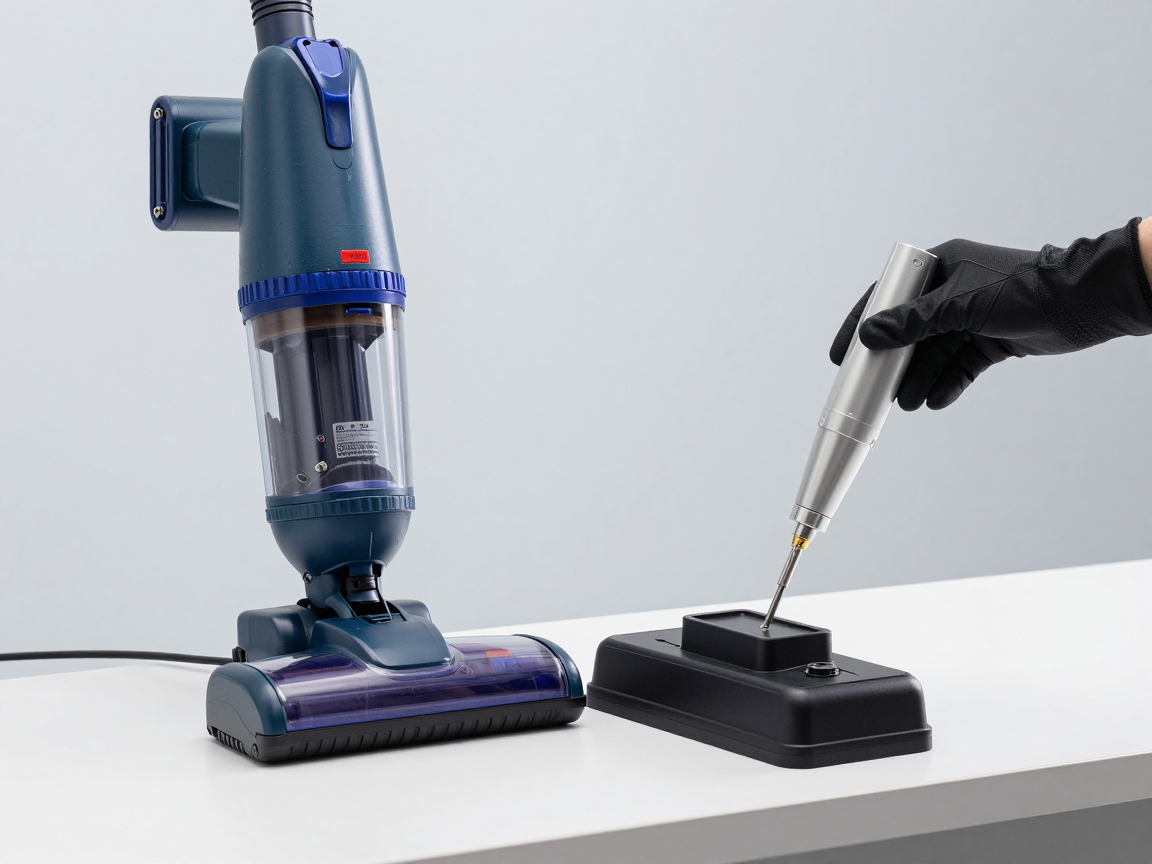
- Measurement in worst mode: with vacuum cleaners, when the engine is heavily loaded; With microwave ovens, the magnetron operates stably; With inverter devices, the switching frequency causes resonance.
- Stabilization time: Some appliances (iron, fryer) need to run hot enough for proper evaluation; The electronic device needs to completely boot up.
- Cables and accessories: Use the correct type of power cord and accessories when sold on the market, do not use replacement cords.
4. CISPR 14-1 and CISPR 14-2 — the pair that goes together
- CISPR 14-1: emission.
- CISPR 14-2: immunity — ESD, EFT, surge, radiated RF, conducted RF, voltage drop, power interruption, magnetic fields, and phenomena specific to motor equipment.
- Full EMC profiles for household appliances typically include: CISPR 14-1 + CISPR 14-2, included IEC 61000-3-2 and IEC 61000-3-3 If the device is connected to the public low-voltage supply system with a current ≤ 16 A.
- Electrical safety is a parallel document, not a replacement: IEC 60335 (in Vietnam, TCVN 5699 and QCVN 4).
5. Edition and application in Vietnam
- The commonly used version of CISPR 14-1, issued in 2020, has had additional amendments; When preparing documents, you need to look up the current version on the IEC Webstore and the version cited by market regulations.
- In Vietnam, QCVN 9:2012/BKHCN and Revision 1:2018 regulate electromagnetic compatibility requirements for household electrical and electronic equipment; The referenced standards are CISPR 14-1, CISPR 15 and CISPR 11, translated as TCVN 7492-1, TCVN 7186 and TCVN 6988.
- For exported power tools, additional electrical safety requirements need to be checked — passing EMC records does not mean passing safety records.
- The list of potentially unsafe goods and the method of assessing conformity are specified in Appendix I/II of Circular 36/2026/TT-BKHCN — should be compared before planning a test.
6. Frequently asked questions
Do battery-powered appliances have to be tested to CISPR 14-1?
Yes, if the function is similar to the mesh device. When measuring, the device is powered as it is in use (battery/battery or charging source), and the charging status must be considered if sold with a charger.
Why use an absorbing clamp instead of a radiated measurement?
For small devices with short power cords, interference spreads mainly along the power cord; Measurement with absorbent clamps gives better reproducible results and is consistent with the standard’s orientation for this product group.
Is the click test mandatory?
Applicable when the device has an intermittent noise source (switching, thermostat, motor start). Many home appliances must evaluate for clicks, not just intermittent noise.
7. Conclusion
CISPR 14-1 is a “normal” standard but not simple: three tests (mains terminal voltage disturbance, disturbance power, radiated disturbance) plus a click test, with the same requirement to run in full operating modes. Practical experience shows Most CISPR 14-1 errors come from not testing enough modes, not from the limit.
Related articles
- Which EMC standards apply to your product? Selection diagram
- What is CISPR 32? Emission for multimedia devices
- CISPR 15: interference limits for lighting equipment
- IEC 61000-3-2: current harmonic limits for equipment ≤ 16 A
Talk to us
Disclaimer
The article was compiled by us for interpretation; not legal advice. The above limits and tests are for illustration purposes only; You must look up the full text of CISPR 14-1 and the regulations applicable to the specific product. Copyright Policy & Disclaimer.