Quick summary
- Circular 36/2026/TT-BKHCN (issued on June 30, 2026, effective from July 1, 2026) divides products and goods under the management responsibility of the Ministry of Science and Technology into two levels: medium-risk (Appendix II) and high-risk (Appendix I).
- Appendix I – high risk includes 84 product and goods lines with 155 HS codes. Particularly in the field of standards – measurement – quality 8 lines subject to QCVN 4:2009/BKHCN and Amendment 1:2016 QCVN 4:2009/BKHCN.
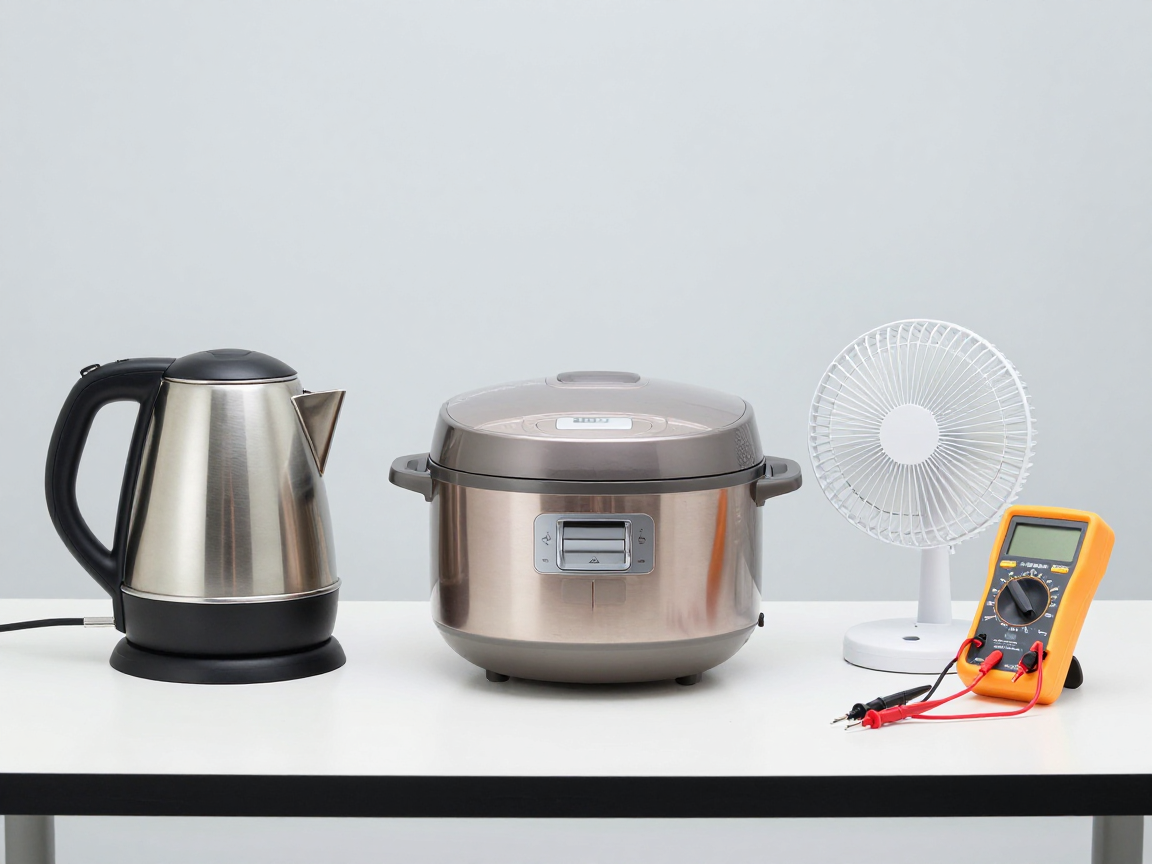
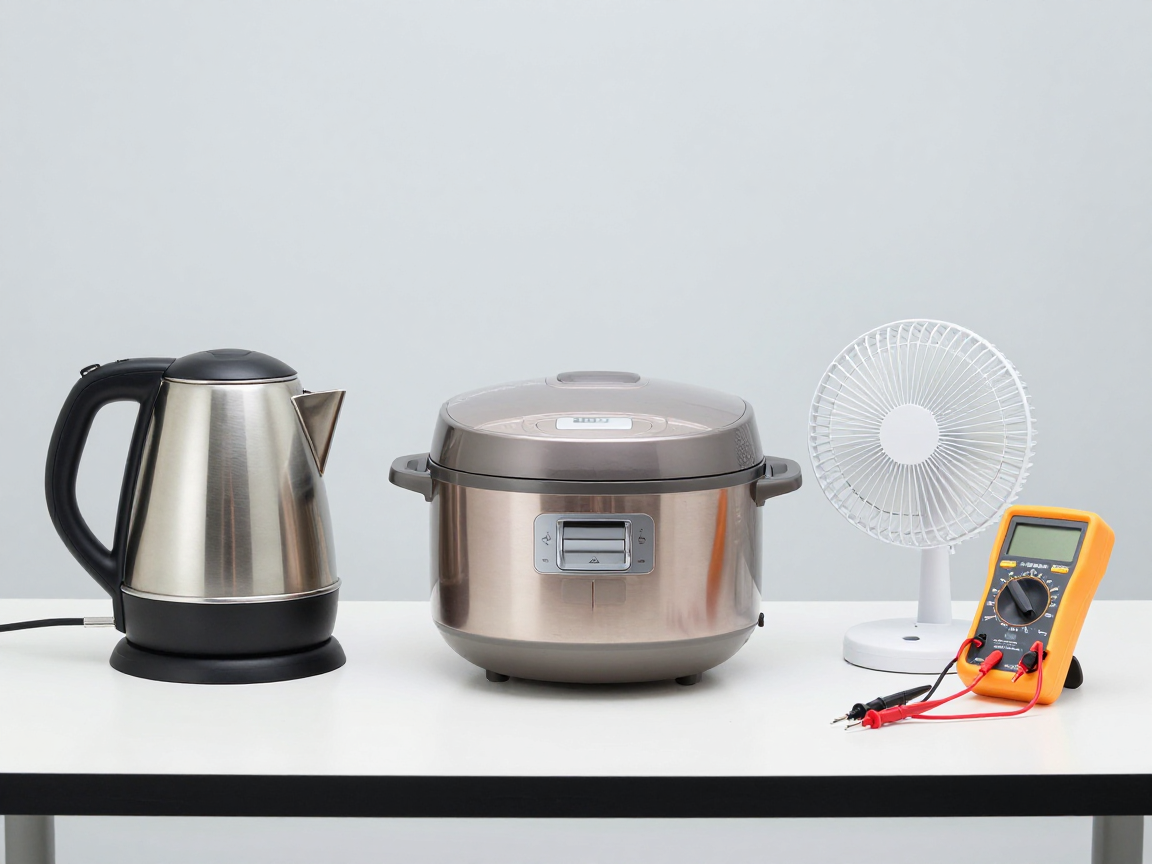
- Eight high-risk product lines belong to QCVN 4: instant water heaters, storage water heaters, hair dryer, rice cookers – kettles – thermos, household fans ≤ 125 W, household electric heating appliances (oven, electric stove…), PVC-coated electrical wires according to TCVN 6610 and insulated cables according to TCVN 5935-1.
- Obligations at high-risk level: Declaration of conformity based on conformity certification results from a designated certification body; only Methods 5 and 7 apply under Circular 14/2026/TT-BKHCN; imported goods must undergo state quality inspection.
- Test results used as the basis for conformity certification must come from a testing laboratory that is accredited, or designated/recognized by the Ministry of Science and Technology, with a testing scope matching the corresponding regulation (Article 3, Clause 3).
- Confusion warning: many products are “in the same family” but only medium-risk — curling irons, microwave, electric iron, pressure cooker, floor fan… — businesses may use self-assessment and Methods 1/5/7; certification by a designated body is not required.
The article is an interpretation of ticforall.com. Look up the full text of the list at Full text of Circular 36/2026/TT-BKHCN.
1. How does Circular 36/2026/TT-BKHCN change the way “group 2” is determined?
Before July 1, 2026, goods subject to quality control are identified by concept “group 2 goods” with many discrete lists issued for each field. From July 1, 2026, the approach is replaced by risk level:
- High risk — list at Appendix I (84 lines, 155 HS codes);
- Medium risk — list at Appendix II (93 lines, 252 HS codes).
Each line in the list has four pieces of information pre-attached for businesses to compare: product and commodity names; applicable technical regulations; HS code according to Circular 31/2022/TT-BTC; and corresponding quality management requirements. Article 6 of the Circular also abolishes six documents previously applied to the list of group 2 goods in the fields of standards – measurement – quality and information technology – telecommunications (such as Circular 29/2025/TT-BKHCN, Circular 30/2011/TT-BTTTT, Circular 15/2018/TT-BTTTT…).
2. Why does the “high-risk” level determine the whole dossier?
Article 3 of Circular 36/2026/TT-BKHCN stipulates three layers of content for high-risk goods:
- Scope — determine which goods fall within the scope (Clause 1);
- Corresponding quality management requirements — recorded right in the last column of Appendix I (clause 2);
- Conditions on the testing laboratory — test results used as the basis for conformity certification must be performed by a testing laboratory accredited, or designated/recognized by the Ministry of Science and Technology, whose testing scope matches the respective national technical regulation (Clause 3).
Article 5 adds an often overlooked principle: if a product simultaneously falling under two or more national technical regulations must fully meet them, but duplicate technical requirements are not assessed twice. For a kettle, this usually means: both QCVN 4 on electrical safety, and requirements for energy efficiency or radiation safety if applicable.
3. List of high-risk goods subject to QCVN 4 testing (Appendix I)
The eight lines below belong to Section I – the field of standards, measurement, and quality of Appendix I. All apply QCVN 4:2009/BKHCN and Amendment 1:2016 QCVN 4:2009/BKHCN.
| No | Group of products and goods | HS code | Management requirements (Appendix I column) |
|---|---|---|---|
| 4.1 | Instant water heater (electrical device that heats water instantly) for household use, heating to temperatures lower than boiling point | 8516.10.19 | – Declaration of conformity based on conformity certification results from a designated certification body. – Conformity assessment methods: Method 5 and Method 7 (Circular 14/2026/TT-BKHCN). – Imported goods must undergo state quality inspection as prescribed. |
| 4.2 | Storage water heater for household use | 8516.10.19 | |
| 4.3 | Hair dryer for household use | 8516.31.00 | |
| 4.4 | Rice cooker; kettle; electric thermos pot (water dispenser) | 8516.60.10; 8516.79.10; 8516.10.11 | |
| 4.5 | Table fan, box fan, ceiling fan, standing fan, wall fan, tower fan, bladeless fan — built-in motor, power ≤ 125 W | 8414.51.10; 8414.51.91; 8414.51.99 | |
| 4.6 | Household electric electric heating appliances ≤ 250 V, portable type or mass ≤ 18 kg: contact oven, contact grill, convection oven, radiant oven, electric stove | 8516.60.90 | |
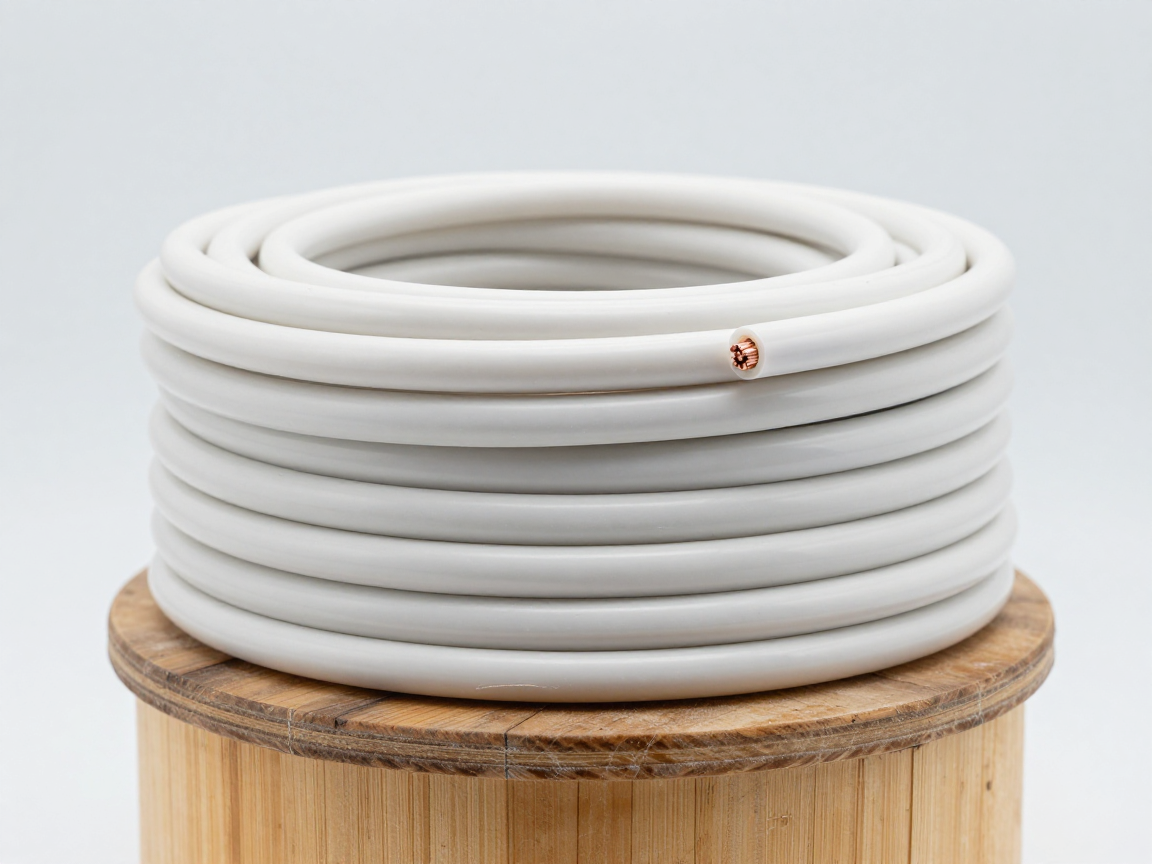
| 5.1 | PVC-coated electrical wires within the scope of TCVN 6610, nominal voltage up to 750 V | 8544.49.41; 8544.49.42 | |
| 5.2 | Extruded-insulation cables under TCVN 5935-1, nominal voltage 0.6/1 kV | 8544.49.41; 8544.49.42 |
4. Three layers of compliance obligations in the list
4.1. Tested at an accredited or designated laboratory
This is the biggest difference compared to old habits. With high-risk goods, not every test result is accepted: the testing laboratory must be accredited (e.g. according to ISO/IEC 17025), or designated by the Ministry of Science and Technology, or accredited by regulation — and the scope of accreditation/designation must match the applicable regulation. A test result technically correct but outside the accredited scope will not be accepted as a basis for conformity certification.
4.2. Certificate of conformity according to Method 5 or Method 7
The management requirements column of Appendix I only allows two methods:
- Method 5 — combined sample testing with evaluation of the production process, with periodic monitoring. Suitable for regularly produced or imported goods, same product line, same manufacturer.
- Method 7 — testing and certification by batch of specific goods; the batch is considered conforming if the number of nonconforming samples is within the allowable limit. Suitable for imported goods in batches, without information about the production process.
The principles for applying methods under Circular 14/2026/TT-BKHCN also restrict: Methods 1 and 6 do not apply to high-risk goods — so businesses can’t “just test the prototype” and then announce it themselves. The certificate must be issued by a designated certification body; conditions and designation dossiers are specified in Decree 37/2026/NĐ-CP (Designation of conformity assessment organizations).
4.3. Declaration of conformity and state inspection upon import
After receiving the certificate, businesses submit a declaration of conformity as prescribed (regulation conformity mark and announcement procedures according to Decree 22/2026/NĐ-CP). For imported goods, Appendix I requires state quality inspection — meaning registration and being accepted by the inspection agency before customs clearance, not just submitting a declaration of conformity like medium-risk goods.
5. Same QCVN 4 but medium risk: 10 lines businesses often misread
Appendix II – Section I also applies QCVN 4 to many familiar product groups, but with lighter management requirements: declaration of conformity based on certification results of a recognized or designated body or self-assessment results, and Methods 1, 5 and 7.
| No | Group of products and goods | HS code |
|---|---|---|
| 8.1 | Instant water heating equipment and tools other than instant water heaters (for example, faucets with instant water heating parts) | 8516.10.19 |
| 8.2 | Skin/hair care equipment: curling comb, curling tong, curling iron, hair steamer, hair iron, hand dryer | 8516.32.00; 8516.33.00 |
| 8.3 | Single-phase household electric fans ≤ 125 W: ventilation fans, ducted fans, floor fans and others | 8414.51.91; 8414.51.99; 8414.59.41; 8414.59.49 |
| 8.4 | Drinking water heating equipment (drinking water heater; filter with hot and cold ≤ 500 liters/hour) | 8516.10.19; 8421.21.11; 8418.69.90 |
| 8.5 | Electric liquid heating equipment for household use ≤ 250 V: pressure cooker, slow cooker, egg boiler, steamer, decoction kettle, electric pan, tea/coffee making equipment, wash pot… | 8516.60.90; 8516.71.00; 8516.79.90 |
| 8.6 | Electric irons for household use (not including industrial types) | 8516.40.90 |
| 8.7 | Microwave ovens and combined microwave ovens for household use ≤ 250 V | 8516.50.00; 8516.60.90 |
| 8.8 | Other household electric heating appliances: range oven, raclette oven, meat roaster, toaster oven | 8516.60.90; 8516.72.00 |
| 8.9 | Immersion type electric water heater (electric heating rod) ≤ 250 V | 8516.10.30 |
| 8.10 | Low voltage wires and cables used in electrical installations up to 1000 V AC/1500 V DC (except control cables, signal cables, cables in equipment…) | 8544.49.41; 8544.49.42 |
6. Quickly compare two risk levels with QCVN 4
| Criteria | High risk (Appendix I) | Medium risk (Appendix II) |
|---|---|---|
| Basis for declaration of conformity | Conformity certification result from a designated certification body | Certification results of recognized/designated organizations or self-assessment results |
| Conformity assessment method | Methods 5 and 7 (do not use Method 1) | Methods 1, 5 and 7 |
| Testing laboratory conditions | Must be accredited/designated/recognized with a scope matching the regulation (Article 3, Clause 3) | General rules on declaration of conformity |
| Imported goods | State inspection of quality before customs clearance | Declaration of conformity before placing on the market |
| Typical example | Hair dryer; table/ceiling/standing fan ≤ 125 W; electric cooker; PVC wire TCVN 6610 | Hair curling tongs; microwave oven; electric iron; pressure cooker; electric kettle |
7. Five common business mistakes
- Mistaking “same product family” as the same level of risk. Hair dryers (4.3) are high-risk, but curling irons are in 8.2 – medium-risk. Check the product name and HS code, don’t guess.
- Look up the HS code for the wrong version. The list uses HS codes under Circular 31/2022/TT-BTC; codes in other tariffs may not match.
- Using test results outside the recognized/specified range, or of non-accredited laboratories.
- Apply Method 1 for high-risk goods. Methods 1 and 6 should not be used for high-risk.
- Skip state inspection when importing or declare conformity after the goods have been circulated; At the same time, do not check whether the product is subject to several regulations according to Article 5, Clause 2.
Frequently asked questions
1. Which products in Circular 36/2026/TT-BKHCN must be tested according to QCVN 4 at high-risk?
Eight lines in Section I, Appendix I: instant water heater; storage water heater; hair dryer; rice cooker, kettle, thermos; household fans ≤ 125 W (table, box, ceiling, standing, wall-mounted, tower, bladeless); Household electric electric heating appliances ≤ 250 V or ≤ 18 kg (oven, grill, electric stove); PVC coated electrical wire according to TCVN 6610; extruded insulated cable according to TCVN 5935-1.
2. Can high-risk goods be self-declared as conforming to regulations?
No. Declaration of conformity must be based on results Certificate of conformity from a designated certification organization, according to Method 5 or Method 7. Businesses cannot use self-assessment results for this product group.
3. Are test results from foreign labs accepted?
Yes, if the laboratory is accredited, designated or recognized under the law on standards and technical regulations, and its testing scope matches the corresponding national technical regulation. Recognition of test results is carried out according to current regulations.
4. What is the biggest difference between high and medium-risk goods when importing?
High-risk goods require State inspection of quality before customs clearance; medium-risk goods only need Declaration of conformity before placing on the market.
5. How to handle a product that belongs to both QCVN 4 and another standard?
According to Article 5 paragraph 2, the product must fully meets the corresponding national technical regulations, carry out a conformity assessment according to the level of risk, but No duplicate reviews for the same technical requirements have been evaluated.
Related articles
- Circular 36/2026/TT-BKHCN: full text of list of medium-risk and high-risk goods
- QCVN 4:2009/BKHCN: safety requirements for electrical and electronic equipment and Amendment 1:2016
- Conformity assessment procedure 2026: household electrical appliances and ICT equipment
- 8 certification methods according to Circular 14/2026/TT-BKHCN
- Appoint a conformity assessment organization according to Decree 37/2026/NĐ-CP
- Decree 37/2026/NĐ-CP: overview of 8 chapters – 99 articles
- QCVN 55:2023/BTTTT: short range devices 9 kHz–30 MHz
Discuss further
Disclaimer
This article was compiled by ticforall.com to disseminate legal knowledge about standards, measurement, and quality; content not legal advice. List data are restated according to Appendix I and Appendix II of Circular No. 36/2026/TT-BKHCN dated June 30, 2026 of the Ministry of Science and Technology; Referenced documents may be amended, supplemented or replaced. In case there is a difference between the article and the original text, the original text prevails. Enterprises need to compare the verbatim circulars, appendices and corresponding technical regulations before applying them to each specific product and shipment.
See more: Copyright Policy & Disclaimer by ticforall.com.