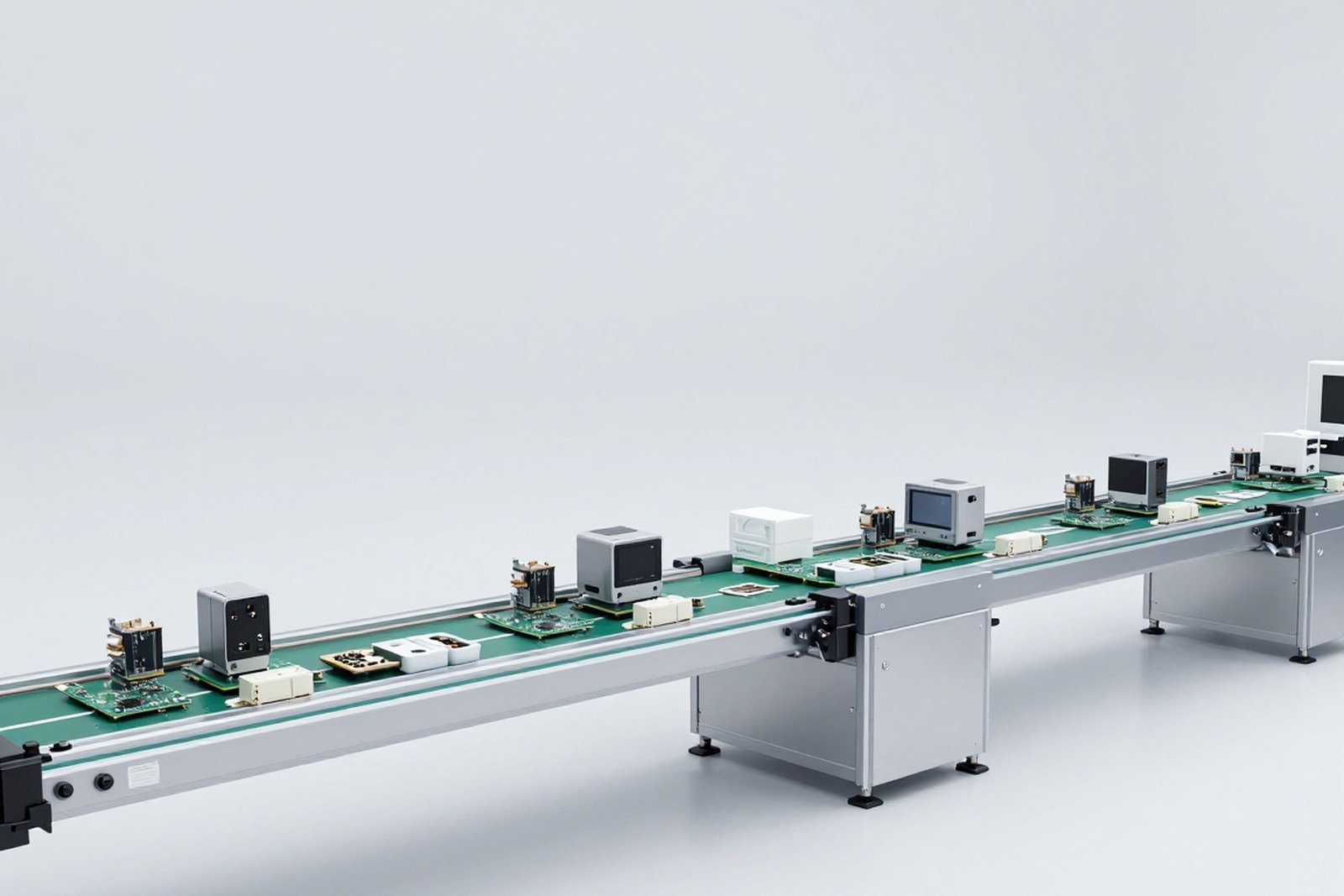
An enterprise manufacturing electrical and electronic equipment in Vietnam often faces two layers of obligations at the same time: domestic regulations on limits of toxic chemicals in electrical and electronic products (the background document is Circular 30/2011/TT-BCT of the Ministry of Industry and Trade), and European RoHS If the product is exported to the EU.
These two classes have the same root — both approach “homogeneous materials” and both are based on the same familiar group of substances — but are not identical. Confusion between the two classes leads to two types of mistakes: making a domestic application and thinking it is enough for the EU, or running two separate sets of tests, causing unnecessary costs.
This article compares the two frameworks, points out what can be shared and what must be done separately, and includes a streamlined process for businesses that both sell domestically and export.
1. Two layers of obligations, one product
| Class | When to apply | Text/frame |
|---|---|---|
| In the country | Electrical and electronic products circulating in Vietnam | Circular 30/2011/TT-BCT (Ministry of Industry and Trade) |
| Export | Products sold into the EU | Directive 2011/65/EU (RoHS 2) and Directive (EU) 2015/863 |
Bottom line: EU obligations no replacement domestic obligations, and vice versa. A product sold in both markets must satisfy both frames.
2. Circular 30/2011/TT-BCT: domestic framework
Circular 30/2011/TT-BCT is Vietnam’s basic regulatory document temporary on allowable content limits of some toxic chemicals in electrical and electronic products. Approach of this text Similar to RoHS EU: evaluated according to homogeneous material, that is, each constituent material is tested separately instead of testing the entire product.
Three things to note about this text:
- This is the rule temporary — meaning that the scope and details may be superseded, expanded, or replaced by new text over time.
- Document stipulating limits for some hazardous chemicals, not all 10 substances of the current EU RoHS.
- List of substances, specific limits and product ranges need to be compared verbatim to the current document — due to its “temporary” nature, businesses should periodically check it instead of considering it permanent.
3. RoHS EU: broader framework
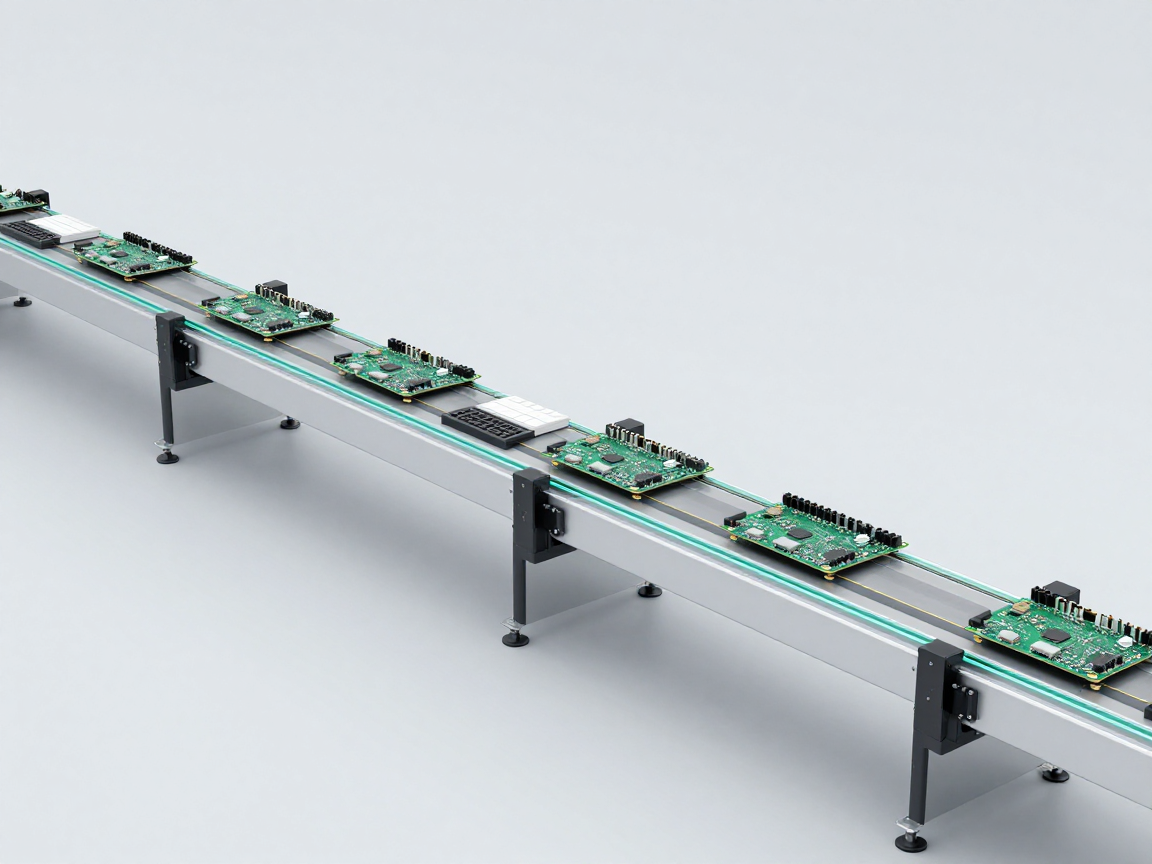
Current EU RoHS restrictions 10 substances — 6 familiar substances (Pb, Hg, Cd, Cr(VI), PBB, PBDE) plus four phthalates (DEHP, BBP, DBP, DIBP) added by Directive (EU) 2015/863. Pressure limit follows homogeneous material: 0.1% for most substances and 0.01% for cadmium.
Two characteristics make the EU framework broader than the domestic framework:
- Broader substance categories: contains four additional phthalates — plasticizers in the PVC of cables and flexible plastic covers.
- Open range: The EU applies “open scope” — nearly all products with electrical/electronic components are covered, barring specific exclusion categories.
Regarding certification, the EU attaches RoHS to it CE mark and technical dossier with declaration of conformity — a system of documents for which the domestic framework has no direct equivalent.
4. Table comparing two frames
| Criteria | Circular 30/2011/TT-BCT (domestic) | RoHS EU |
|---|---|---|
| Approach | According to homogeneous material | According to homogeneous material |
| List of substances | Some toxic chemicals (compare current documents) | 10 substances (including 4 phthalates) |
| Threshold | According to current documents | 0.1% (Cd 0.01%) |
| Scope | According to the scope of prescribed documents | Open scope |
| Certification/label | There is no CE marking mechanism | CE mark + declaration of conformity + technical documents |
5. Shared space: one test data set for two frames
The good news is that the two frameworks share the same technical foundation. Since both evaluate according to identical materials, businesses can organize a single material data set then reuse for both purposes:
- Dissection according to homogeneous material — bill of materials created once, used for both.
- Test 6 basic substances (Pb, Hg, Cd, Cr(VI), PBB, PBDE) — serves both domestic and EU frameworks.
- Try adding 4 phthalates — mandatory for EU; If you are not sure if the domestic frame requires it, you should still try if the product has a PVC cable or soft plastic cover.
- Standard test method — uses IEC 62321 (multi-part series), which is the common reference for markets using RoHS EU.
If this order is followed correctly, the data set will try to “cover” both frames — the only difference is the part of the output document.
6. Three easy points to get stuck in
- Wrong product range. There are products within the EU but outside the domestic framework, and vice versa. Don’t assume the two ranges are identical.
- Omitting phthalates. The EU framework definitely has four phthalates; If the old dossier only had 6 substances, it would not be enough for the EU.
- Missing CE certificate. EU RoHS attached to CE marking and technical records; Domestic frames do not have CE marking. Selling into the EU with only a domestic test card is not enough.
7. Compact process for both domestic and export businesses
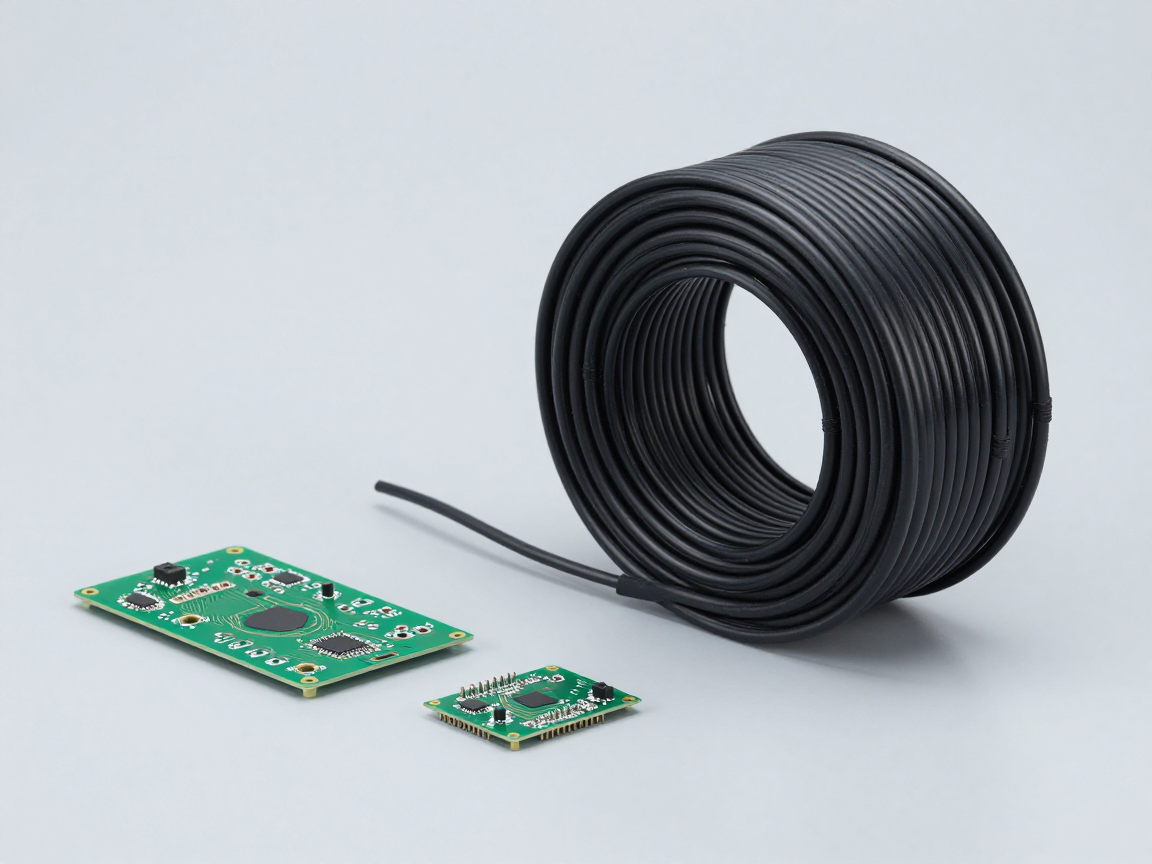
- Step 1 — Identify the market: List where each product line is sold (Vietnam, EU, or both).
- Step 2 — Compare ranges: For each market, determine whether the product is within the scope of application or not (compare current documents).
- Step 3 — Create a homogeneous material list: common to all markets.
- Step 4 — Run the coverage test: 6 basic substances + 4 phthalates, according to IEC 62321, to avoid retesting.
- Step 5 — Export documents for each market: domestic records according to Circular 30/2011/TT-BCT; CE dossier (declaration of conformity + technical dossier) for the EU.
8. Frequently asked questions
Is Circular 30/2011/TT-BCT enough to sell into the EU?
Not yet. The domestic framework sets limits for a number of chemicals, while EU RoHS currently requires 10 substances (including four phthalates) and is associated with CE marking and technical documentation. Achieving the domestic framework is a necessary but not sufficient condition for the EU.
On the contrary, does achieving EU RoHS automatically achieve domestic framework?
Regarding the technical foundation, it is almost certain to pass, because the domestic framework has a narrower approach. But businesses still need to compare the scope and documentary requirements of current domestic documents to ensure there is no lack of procedures.
Why is Circular 30/2011/TT-BCT called “temporary”?
Because the document was issued as a temporary regulation, waiting for a more complete legal framework. The practical consequence is that businesses should monitor updates instead of treating categories and limits as fixed.
Do we have to make two separate test sets for domestic and EU?
Not necessarily. Because both use the same materials approach, businesses can run a large coverage test set (6 substances + 4 phthalates) and use it for both purposes, the only difference is the output documents.
Where are the obligations of a business that imports components and then assembles them?
Obligations are often attached to products placed on the market. Assembly businesses still need material data from component suppliers to prove compliance, and should request documents for each target market.
9. Conclusion
Circular 30/2011/TT-BCT and RoHS EU are two layers of overlapping obligations for Vietnamese electrical and electronic enterprises. They share the same technical roots — a uniform materials approach — but are different in design substance list (EU has four additional phthalates), range and documents (EU attached with CE mark).
Three key sentences: one, don’t consider the two frames as one; two, sharing a large test data set for savings; three, issue separate documents for each market. Because Circular 30/2011/TT-BCT is “temporary”, please compare the current text verbatim before applying to each product.
References
- Circular 30/2011/TT-BCT (Ministry of Industry and Trade) — temporary regulations on allowable content limits of some toxic chemicals in electrical and electronic products
- Directive 2011/65/EU (RoHS 2) — restriction of substances in electrical and electronic products in the EU
- Directive (EU) 2015/863 — adding four phthalates to the list of restricted substances
- IEC 62321 — a common test method standard for RoHS-compliant markets
Related articles
- Same toy, three sets of limits: RoHS vs EN 71-3 vs CPSIA
- What is RoHS? Complete guide to Directive 2011/65/EU and its 10 restricted substances
- 10 RoHS restricted substances: how do the 0.1% and 0.01% limits apply to “homogeneous materials”?
- Circular 36/2026/TT-BKHCN: Full Text of the List of Medium-Risk and High-Risk Goods
Discuss further
Disclaimer
This article is an interpretive content compiled by us; not legal advice. Because Circular 30/2011/TT-BCT is “temporary”, the list of substances, limits and scope may have changed compared to the original.
Before applying to a specific product, businesses need to compare the original text of Circular 30/2011/TT-BCT and current replacement/amended documents, along with Directive 2011/65/EU and amended EU directives.
See more: Copyright Policy & Disclaimer by ticforall.com.