
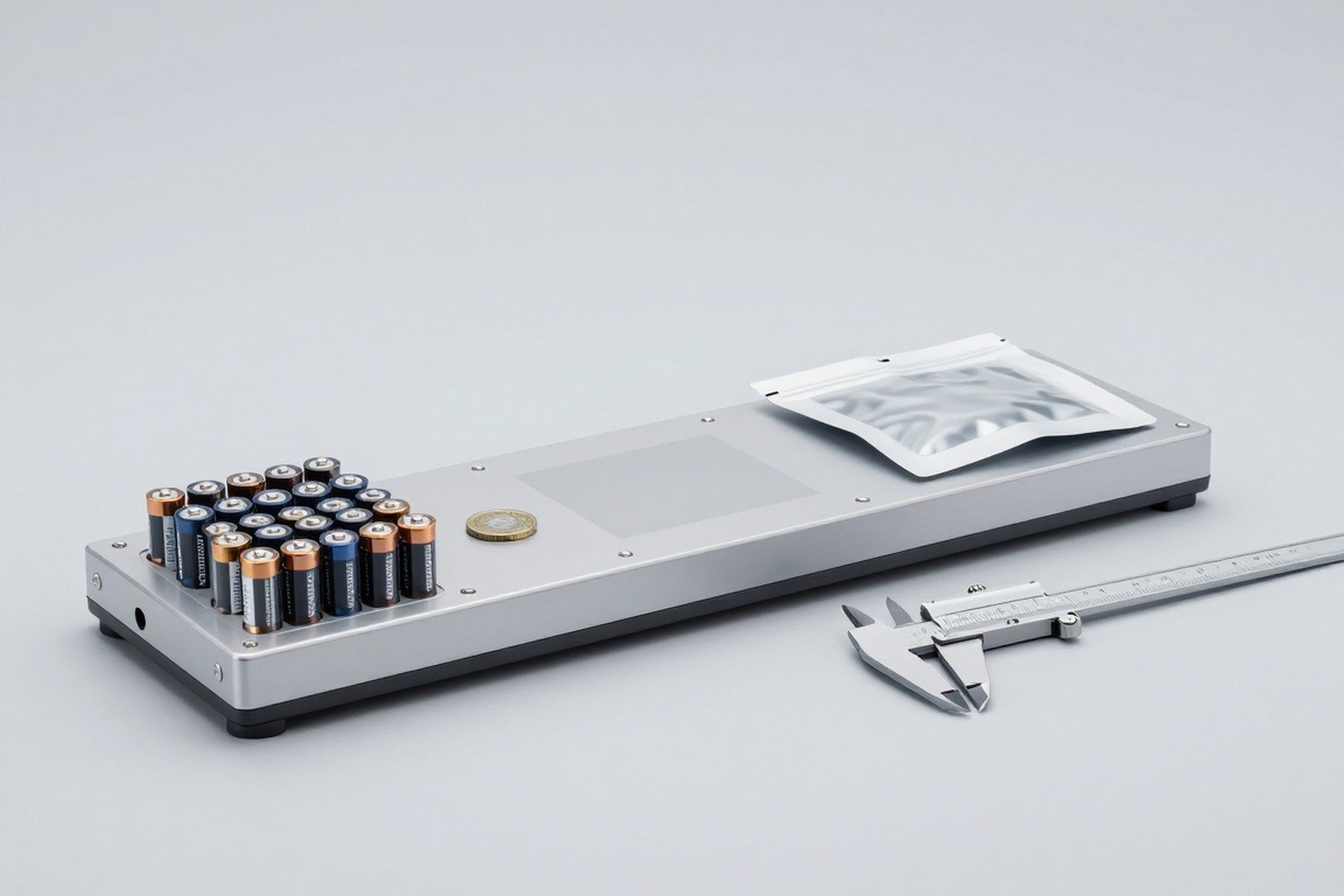
Batteries are one of the most confusing cases when making regulatory compliance documents: the same battery is both in an electrical and electronic device and is also subject to a separate set of regulations with a much stricter limit.
The practical consequence: a battery can meet the RoHS limit but still not meet the requirements of the battery regulation — and conversely, some battery requirements do not appear in the RoHS filings at all.
1. Why do batteries have their own set of regulations?
Batteries have a unique chemical structure, contain heavy metals in compound form and pose a high-risk when disposed of. Europe has developed a separate regulatory framework for batteries, replacing the old battery directive and covering the entire life cycle: from substance limits, labels, information, recycled content to collection and recycling responsibilities.
Therefore, in the profile of a device with a battery, businesses need to separate two parts:
- Electrical and electronic equipment part: RoHS compliant.
- Battery part: Batteries are subject to separate regulations, with separate labeling, information and recycling obligations.
2. Quality limit: the biggest difference
| Quality | RoHS | Battery regulations | Points to note |
|---|---|---|---|
| Mercury | Threshold according to homogeneous material | Very tight limit based on battery weight | Batteries and devices have completely different calculations |
| Cadmium | Thresholds are stricter than other substances, based on homogeneous materials | The limit is even tighter based on battery weight | This is the substance that most easily exceeds the limit in reality |
| Lead | Standard limit according to homogeneous material | There is a separate limit based on battery mass, applied according to a specified time period | It is necessary to check the mark applicable to the specific battery type |
| The remaining 10 substances are on the RoHS list | Restricted | Not within the substance limits of battery regulations | RoHS control is still required if part of the equipment |
Bottom line: Different limit calculation methods. RoHS calculated according to homogeneous materials; Battery regulations are based on battery weight. Therefore, businesses cannot infer the results of one set from the results of the other set.
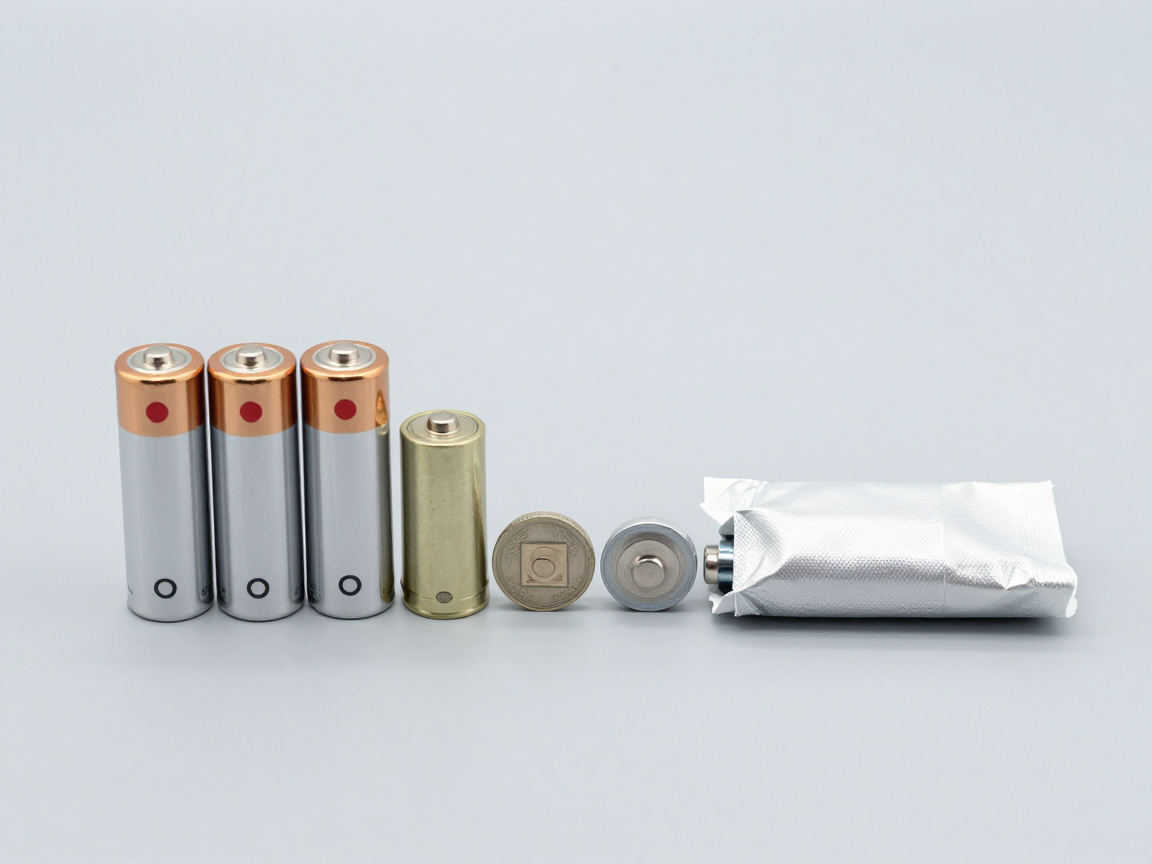
3. Other requirements of battery regulations
| Request group | Content | Impact on equipment businesses |
|---|---|---|
| Labels and symbols | Separate collection symbols, capacity information and ingredients according to regulations | Must be printed on the battery or on the packaging according to specific requirements |
| Digital information | Product information is associated with code or lookup means | Need battery data and device data in structured form |
| Declare carbon footprint | Applicable to some types of batteries according to the roadmap | Businesses purchasing batteries need to ask suppliers to provide data |
| Recycled content | Require the percentage of recycled materials in batteries according to the roadmap | Influences the choice of battery supplier |
| Ability to remove and replace | Design requirements allow battery replacement in some device groups | Directly affects design and assembly |
| Expanded responsibility | Registration, reporting, responsibility for battery recovery and recycling | Administrative obligations parallel those of the device |
4. Five things equipment businesses need to do
- Separate battery profile and device profile: two sets of documents, two sets of limits, two sets of documents.
- Ask the battery supplier to provide its own data: concentration according to battery volume, not just according to material.
- Check applicable milestones according to battery type: New requirements have different roadmaps across battery groups.
- Review the design for the ability to replace the battery If the product belongs to the group that must be guaranteed to be replaceable.
- Correct labeling of both parts: device label and battery label and symbol.
5. Five points that are often overlooked
| Point missed | Consequences | How to handle |
|---|---|---|
| Use the battery material report to make conclusions for the device | Missing data for housing, circuit, cable | Completely disassemble the device’s materials |
| Use the device report to make conclusions about the battery | Incorrectly calculating limit based on battery volume | Requires separate data according to battery mass |
| Forget battery label obligations | Goods were held due to lack of prescribed markings | Include label inspection in the shipping inspection list |
| The need to replace the battery is not taken into account in the new design | The design must be corrected after it has been produced | Review requirements right at the design stage |
| Not following the application roadmap | Passive when new landmark takes effect | Include the roadmap in the annual conformity review schedule |
6. Frequently asked questions
Are batteries RoHS scoped?
Batteries have their own set of regulations regarding substance limits. The electrical and electronic equipment containing the battery must still meet RoHS for the details of the device. Businesses should confirm the application for each specific battery type with the testing laboratory and compare current documents.
Does meeting RoHS mean meeting battery requirements?
No. The limit for battery regulations is calculated based on battery mass and is stricter for some substances, especially cadmium. Need separate dataset.
Do replacement batteries sold separately require separate documentation?
There may be, depending on the battery type and market. This is a group that is often overlooked because it does not come with equipment.
Do I need to try both sets?
Usually data is needed for both frames, but it is possible to take advantage: the same material sample can be analyzed according to RoHS requirements, while calculating the results according to battery mass if mass and composition data are available.
Does the battery replaceability requirement apply to all devices?
No. This requirement applies by device group and by roadmap. Businesses need to check which product group their product belongs to.
7. Conclusion
Batteries and battery-containing devices are subject to two parallel regulatory frameworks with different limit calculations: RoHS according to homogeneous materials, battery regulations according to battery mass. Therefore, the data of one frame cannot replace the other.
Three things to do: separate battery records from device records; request battery mass concentration data from the supplier; and put label requirements, battery replacement, and application roadmaps on the same review schedule as the RoHS dossier.
References
- Regulation (EU) 2023/1542 on batteries and waste batteries, replacing Directive 2006/66/EC.
- Directive 2011/65/EU and its amendments (RoHS).
- Directive 2012/19/EU (WEEE) on responsibility for recall of electrical and electronic equipment.
Related articles
- RoHS and WEEE: one side restricts the substance, the other side is responsible for recall
- 10 RoHS restricted substances: how do the 0.1% and 0.01% limits apply to “homogeneous materials”?
- Lead, cadmium, mercury testing: ICP-OES, ICP-MS or AAS — which method to choose?
- RoHS and ESPR/digital product passport: how will the way of proving compliance change?
Discuss further
Disclaimer
This article is an interpretive content compiled by us; not legal advice. Enterprises need to compare relevant documents/standards verbatim before applying them to specific products.
See more: Copyright Policy & Disclaimer by ticforall.com.