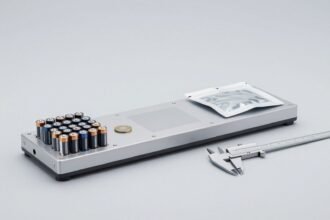
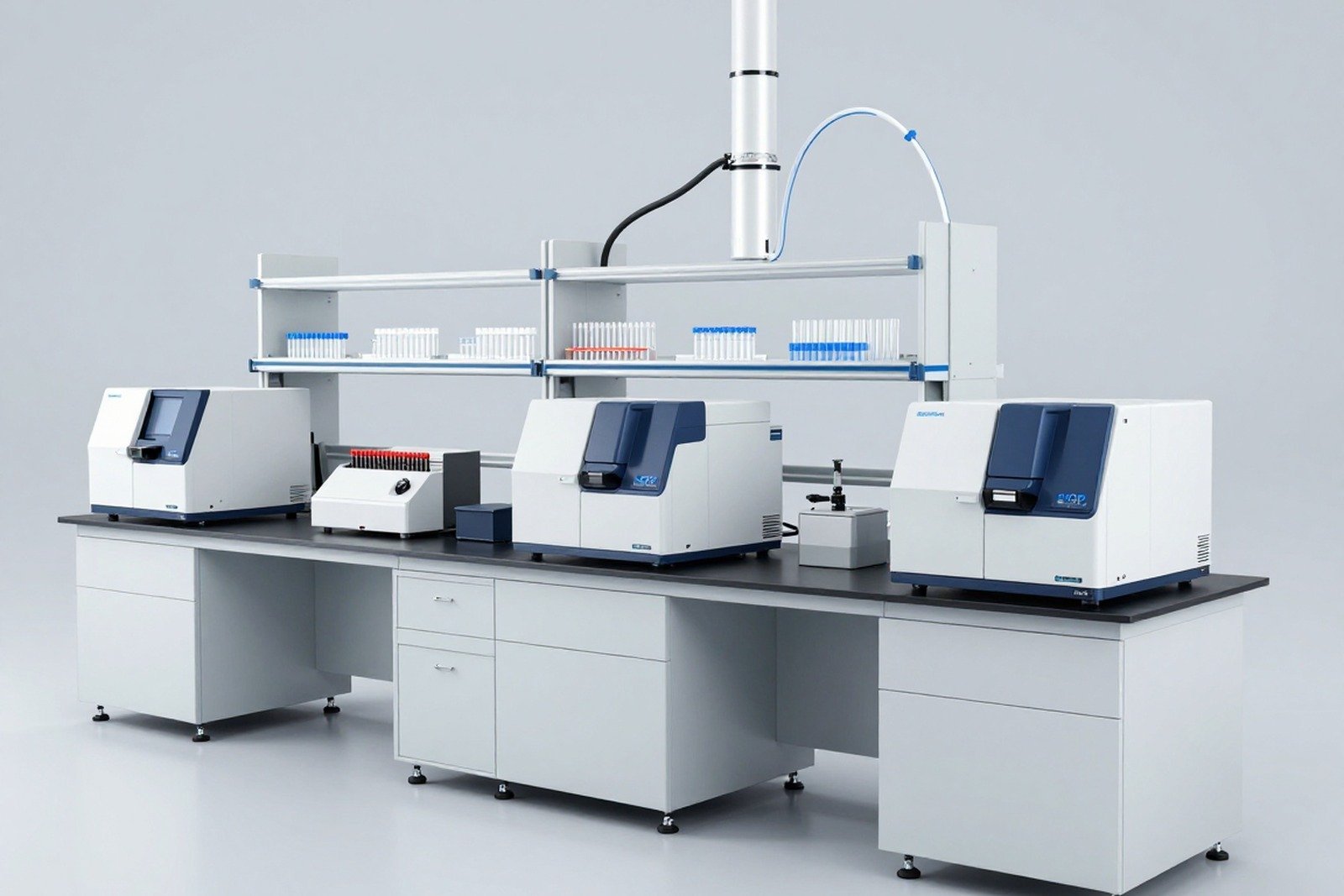
RoHS’s first three restricted substances — lead (Pb), cadmium (Cd), mercury (Hg) — are all elements, so they can be determined by atomic spectroscopy. On the test report, you will encounter three device names: ICP-OES, ICP-MS and A.A.S (with CV-AAS variant for mercury).
The question “which method to choose” does not have a universal answer, because these three substances have different limits and the three techniques have very different sensitivities, sample matrix tolerances and costs. If you choose correctly, the results will be sure and the cost will be reasonable; If you choose incorrectly, it will either be uselessly costly, or the results will not be reliable enough in the area close to the limit.
The article explains the principles of each technique and how to choose it based on limit, sample background, and purpose.
1. Three substances, three limits — the foundation for choosing a method
| Quality | Threshold in homogeneous materials | Analytical characteristics |
|---|---|---|
| Lead (Pb) | 0.1 mass %. | Common element; rarely difficult to measure |
| Mercury (Hg) | 0.1 mass %. | Volatile — risk of sample loss during processing; Need special technique |
| Cadmium (Cd) | 0.01 % volume | The limit is 10 times tighter → requires higher sensitivity |
It is the cadmium limit (0.01 %) that is the most important practical reason: a method sensitive enough for lead can not sensitive enough for cadmium. This is the first point to ask the laboratory — is the limit of quantification (LOQ) for cadmium lower than 0.01 % by a large enough range.
See more about how to apply limits according to homogeneous materials in the article 10 RoHS restricted substances: 0.1% and 0.01% limits.
2. Common point: decompose the sample and then measure the atomic spectrum
All three techniques follow the same logic: decompose the sample into solution, then measure the element concentration in that solution.
- Sample decomposition with acid (usually with microwave heating support, sealed vessel). Some substrates such as ceramic and glass need to add special acid.
- Dilute and filter into a homogeneous solution.
- Measure by ICP-OES, ICP-MS or AAS, compare with standard curve.
Two important notes in this step:
- Mercury is easily lost if open decomposition. Hg may evaporate during heating, giving falsely low results. Therefore, Hg measurement samples are often needed sealed jar, and the appropriate technique is cold vapor.
- Cross contamination cadmium may be introduced into the sample from the environment or instruments; Cadmium has a very tight limit, so blank control is very important.
The sample decomposition step belongs to sample preparation — following the dissection step in the article Sample dissection according to IEC 62321-2.
3. AAS — atomic absorption spectrum
AAS measures the amount of light absorbed by free atoms of the element to be analyzed. There are variations:
| Variation | Principle | Suitable |
|---|---|---|
| AAS flame | Atomize the sample with a flame | High levels (such as lead in percentage levels) |
| Graphite furnace AAS (GF-AAS) | Atomization in graphite furnace, higher sensitivity | Low content — for example cadmium close to 0.01 % |
| CV-AAS (cold vapor) | Reduce Hg to atomic Hg vapor and then measure | Mercury — specific technique for Hg |
AAS advantages: simple equipment and operation, low cost, especially good for a target element. Limitations: often measured each element one by one; Analyzing multiple elements is more time consuming; and variable sensitivity (graphite furnace is much higher than flame).
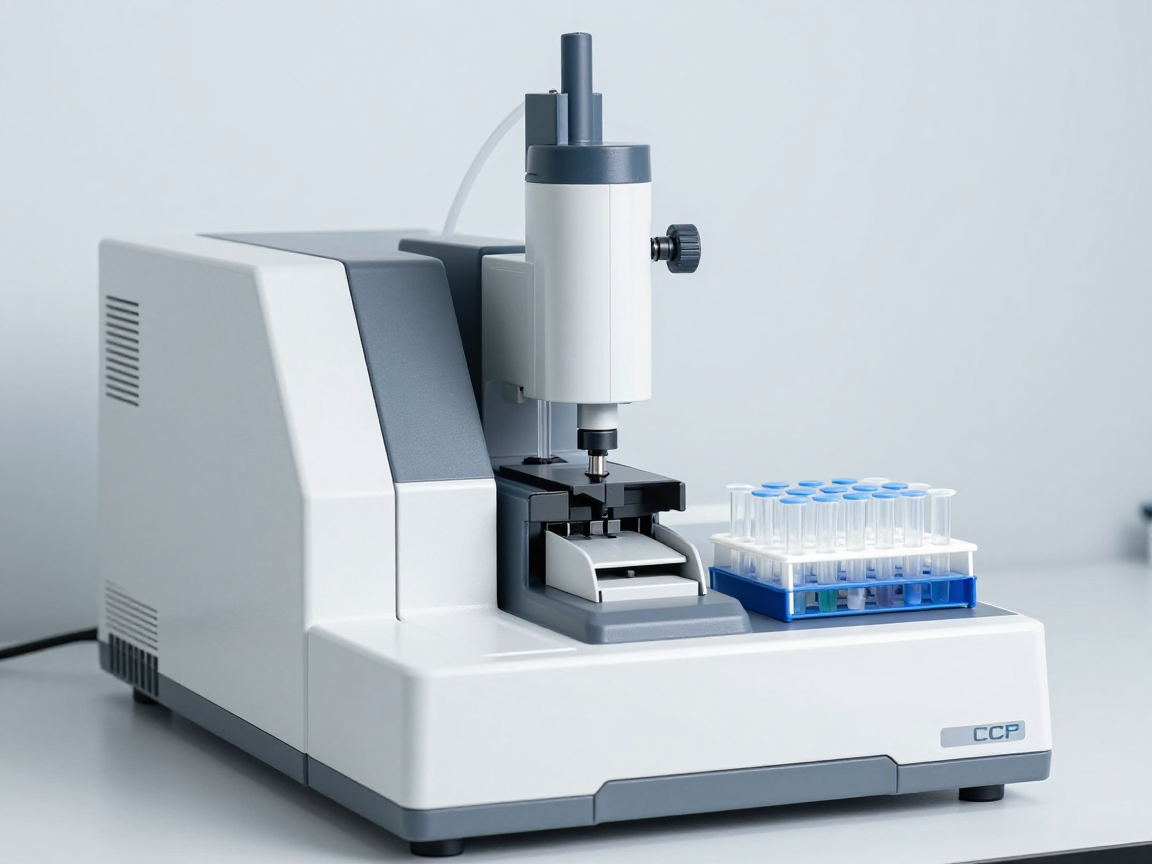
4. ICP-OES — inductive plasma atomic emission spectroscopy
The sample is exposed to argon plasma at very high temperatures; The atom is excited and emits light of a specific wavelength. The device measures emission intensity to infer concentration.
- Advantages: measure many elements at the same time, wide working concentration range, relatively good sample tolerance, stable in daily operation.
- Limitations: Sensitivity is typically lower than ICP-MS. With cadmium at a very tight limit (0.01 %), it is necessary to carefully check the LOQ of the system before concluding.
ICP-OES is a popular choice for Pb, Cd at medium to high concentrations and when multiple elements need to be analyzed at the same time.
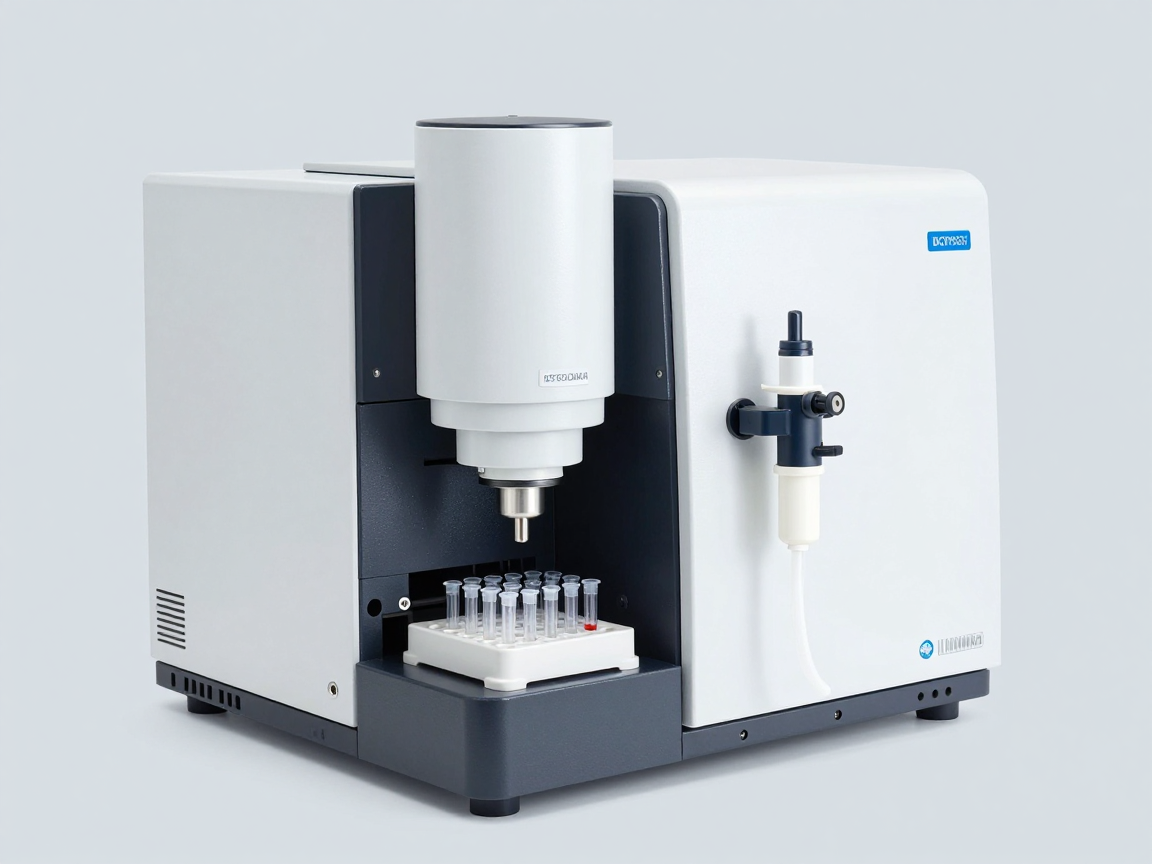
5. ICP-MS — inductively coupled plasma mass spectrometry
Also uses plasma for atomization/ionization, but instead of measuring emission, the device Count ions according to mass-to-charge ratio. Thanks to that, ICP-MS has highest sensitivity of the three techniques, especially suitable when very low measurements are needed.
- Advantages: High sensitivity, measuring many elements at the same time, suitable for cadmium in near-limit areas and targets requiring low limits.
- Limitations: sensitive to background effects (noise due to sample composition), easily affected by high salt so dilution is often required; Higher equipment and operating costs.
6. Mercury: why do we use our own techniques (CV)
Mercury is a volatile element, and this governs both sampling and measurement:
- During sample processing: Use a closed container to avoid loss of Hg (if left open, Hg may evaporate and give falsely low results).
- In measuring: technical a bit cold (CV-AAS, CV-AFS) reduces Hg in solution to atomic Hg vapor and measures it separately — taking full advantage of the volatile nature of Hg. ICP-OES and ICP-MS can also be used if sample handling is correct.
Practical consequence: when you see Hg reported with a different method than Pb/Cd, it is usually normal — because Hg requires handling and measurement appropriate to its volatility.
7. Method selection table according to situations
| Situation | Reasonable direction | Why? |
|---|---|---|
| Need Pb, Cd, Cr at the same time, medium–high level | ICP-OES | Multi-element, good background resistance, reasonable cost |
| Cadmium is close to the 0.01% limit, requiring high sensitivity | ICP-MS or GF-AAS | Higher sensitivity, suitable for low concentration areas |
| Many samples, many elements, need throughput | ICP-MS or ICP-OES | Measure multiple elements in the same run |
| Mercury | CV-AAS/CV-AFS, or ICP with sealed tank | Take advantage of/deal with the volatility of Hg |
| Limited budget, a prime target | A.A.S | Equipment and operation are cheap and sufficient for many cases |
| Complex sample matrix, many metals (brass alloy…) | ICP-OES (rationally diluted) or AAS | High salt background challenges ICP-MS |
Principle: Choose according to the limit and sample background, not according to “the best equipment”. For high Pb levels, flame AAS or ICP-OES are more than adequate; On the contrary, with cadmium close to the limit, sensitivity is the decisive factor.
8. Five factors that determine choice
- Threshold to be reached. Cd 0.01 % is ten times tighter than Pb, Hg (0.1 %) — this is the first factor.
- Sample base type. Plastics, alloys, ceramics, and samples with high salt content require different treatments and dilution levels.
- Prime numbers and number of sampless. If multiple elements/samples are needed, ICP-OES/ICP-MS is more effective than AAS.
- Test room capacity. Measurement must be within the laboratory’s accreditation (ISO/IEC 17025) range — check before sending sample.
- Cost. ICP-MS is more expensive than AAS; Use only when sensitivity is truly necessary.
Note on detection/quantitation limits: specific numbers Depends on device and sample platform, it is impossible to state a general number. When reading the report, find the LOQ for each element on each background and compare it with the corresponding limit.
9. Frequently asked questions
What is the main difference between ICP-OES and ICP-MS?
In detection method: ICP-OES measures emitted light, while ICP-MS counts ions by mass. Consequence: ICP-MS is much more sensitive but also more sensitive to matrix and salt effects; ICP-OES is “stronger” with complex sample matrices at medium–high concentrations.
Why is cadmium harder than lead even though it is both a heavy metal?
Because the limit for cadmium is 0.01 % — ten times tighter than for lead (0.1 %). With the same device, the limit of quantification may be sufficient for lead but not for cadmium in the near-limit region.
The report records mercury with CV-AAS and Pb/Cd with ICP-OES — is that unusual?
No. Very popular, because mercury is volatile, it is often handled and measured using the cold vapor technique, while other metals are measured using ICP.
How to measure lead in brass alloy?
Usually use ICP-OES or AAS after digestion; The lead content in brass can be in the percentage range so the concentration range is not a problem. What needs more attention is to compare exemptions (for example with lead-containing brass) — see article on RoHS Annex III Exemption.
Can XRF be used instead of these methods?
XRF is the tool screening, do not replace quantitative results with chemical methods. Results close to the limit and results needed for use in regulatory compliance documents still must be confirmed by AAS/ICP.
10. Conclusion
Three techniques, one logic of choice: according to the limit to be achieved and the sample background. ICP-OES for multi-element at wide range and good background tolerance; ICP-MS provides the highest sensitivity when measuring close to the limit; AAS is simple and cheap, well suited to a target element, where CV-AAS is specific to mercury.
Two things businesses should check before submitting samples: one, is the laboratory achieving the appropriate LOQ for cadmium (0.01 %) on your correct sample matrix; two, whether the measurement is within the laboratory’s recognized range. Both affect whether the report is accepted or not.
References
- IEC 62321-5 — determination of cadmium, lead and chromium in polymers, electronic materials; cadmium and lead in metals, by AAS, AFS, ICP-OES and ICP-MS
- IEC 62321-4 — determination of mercury in polymers, metals and electronic materials
- IEC 62321-2 — mechanical sampling and sample preparation
- Directive 2011/65/EU, Annex II — Pb, Cd, Hg limits
Related articles
- Measuring dimensions on cross-sectional images: how to set the ruler to minimize the error?
- Batteries and RoHS: why is the EU battery regulation the main application framework?
- Cr(VI) in the chromium passive layer: why does the mechanical and electronic industry often stick?
- Cadmium in plating and brass alloys: a little talked about RoHS hot spot
- What is IEC 62321? What parts does the RoHS test method set include and what substances is it used for?
- Cr(VI) test: how are colorimetric and ion chromatography (IC) different?
Discuss further
Disclaimer
This article is an interpretive content compiled by us; not legal advice. Specific detection/quantitation limits depend on equipment and sample matrix; Enterprises need to compare the text of IEC 62321-4, 62321-5 and confirm the scope of accreditation of the testing laboratory.
See more: Copyright Policy & Disclaimer by ticforall.com.