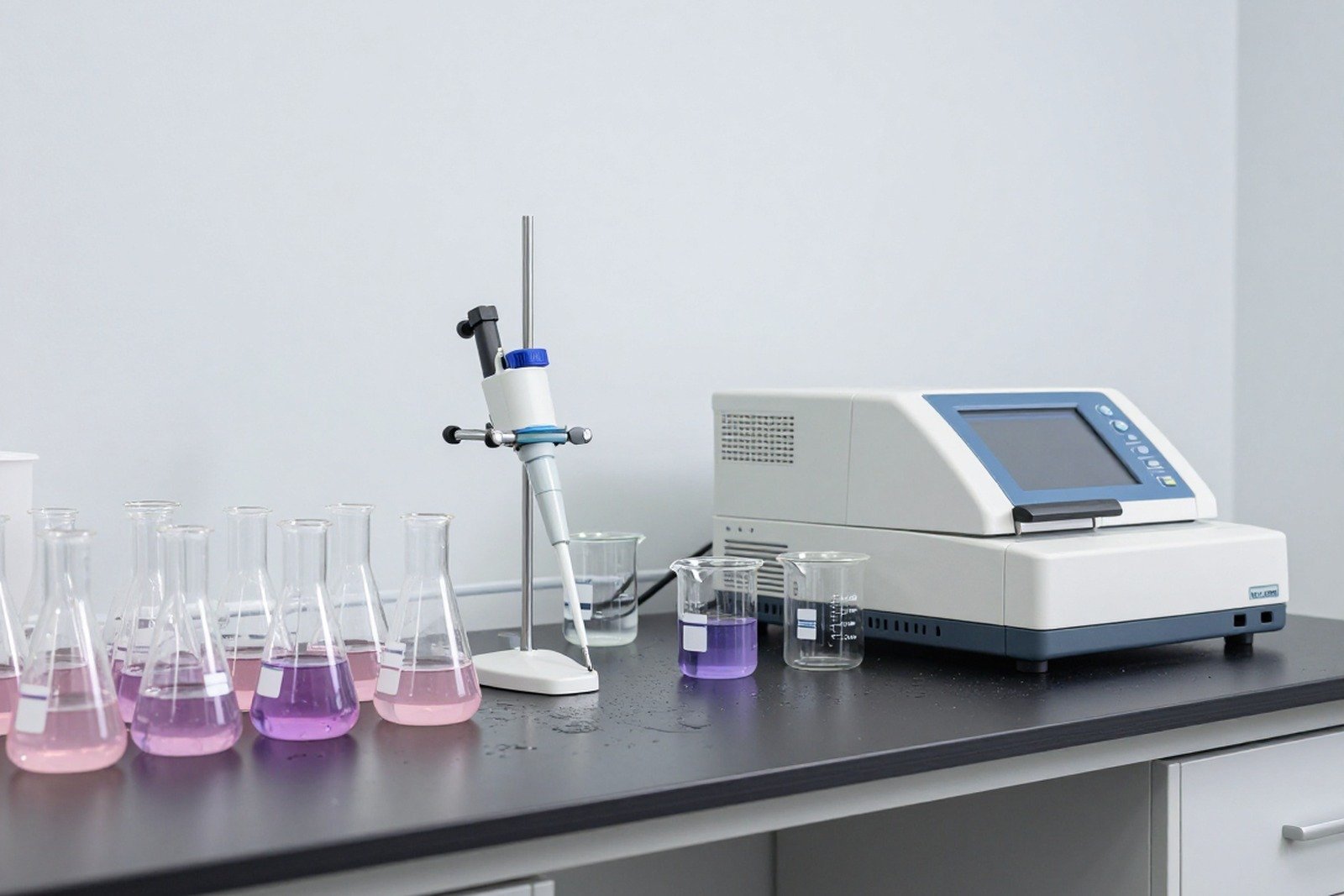
Cr(VI) is a restricted substance but cannot be determined using an XRF machine — the device only reads “total chromium”. To answer the question “in the measured amount of chromium, how much is Cr(VI)”, we must use chemical methods. At that time, two names often appeared on the report: color measurement (colorimetric) and ion chromatography (ion chromatography – IC).
Many people understand that these are two equal options and choose either one. This is not the case: they have different roles, and choosing the wrong one leads to either inconclusive results, or unnecessarily high costs.
This article explains the principles of the two techniques, how they differ, and what role they play in the IEC 62321 standard.
1. Recall Cr(VI) limit — two different assessments
Before comparing methods, it is important to remember that Cr(VI) is present two ways to represent limits depending on subject:
| Object | How to evaluate | Threshold |
|---|---|---|
| Bulk material (plastic, metal with chromium dispersed in the bulk) | By mass percentage | 0.1 mass %. |
| Anti-corrosion coating on metal (plated layer, passivation layer) | According to volume over area | 0.1 µg/cm² |
These two numbers are not directly comparable. This is why the units on the Cr(VI) report vary between cases, and is also the first thing to check when reading results.
2. Where does IEC 62321 place Cr(VI) in the standard?
Cr(VI) is treated separately, separated from the total chromium group:
| Part | Object | Technical |
|---|---|---|
| IEC 62321-7-1 | Cr(VI) in anti-corrosion coatings on metals | Color measurement (colorimetric) with diphenylcarbazide |
| IEC 62321-7-2 | Cr(VI) in polymers and electronic materials | Color measurement (colorimetric) with diphenylcarbazide |
| IEC 62321-5 | Cd, Pb and total chromium in polymers, electronic materials; Cd and Pb in metals | AAS, AFS, ICP-OES, ICP-MS |
Points many people misunderstand: Both 7-1 and 7-2 use the colorimetric method. They are different applicable object (coating on metal vs. polymer/electronic material), not in measurement technique. Ion chromatography is not the main content of 7-1 or 7-2, but is Additional techniques Used when the sample matrix is complex.
3. How does colorimetric work?
The principle consists of three steps:
- Extract Cr(VI) from the sample using alkaline medium. This is the most important technical point. Cr(VI) is easily reduced to Cr(III) in acidic environments; The alkaline environment keeps Cr(VI) stable in the extraction solution. Therefore alkaline extraction (e.g. sodium hydroxide/sodium carbonate solution) is the standard way to “preserve” Cr(VI) before measurement.
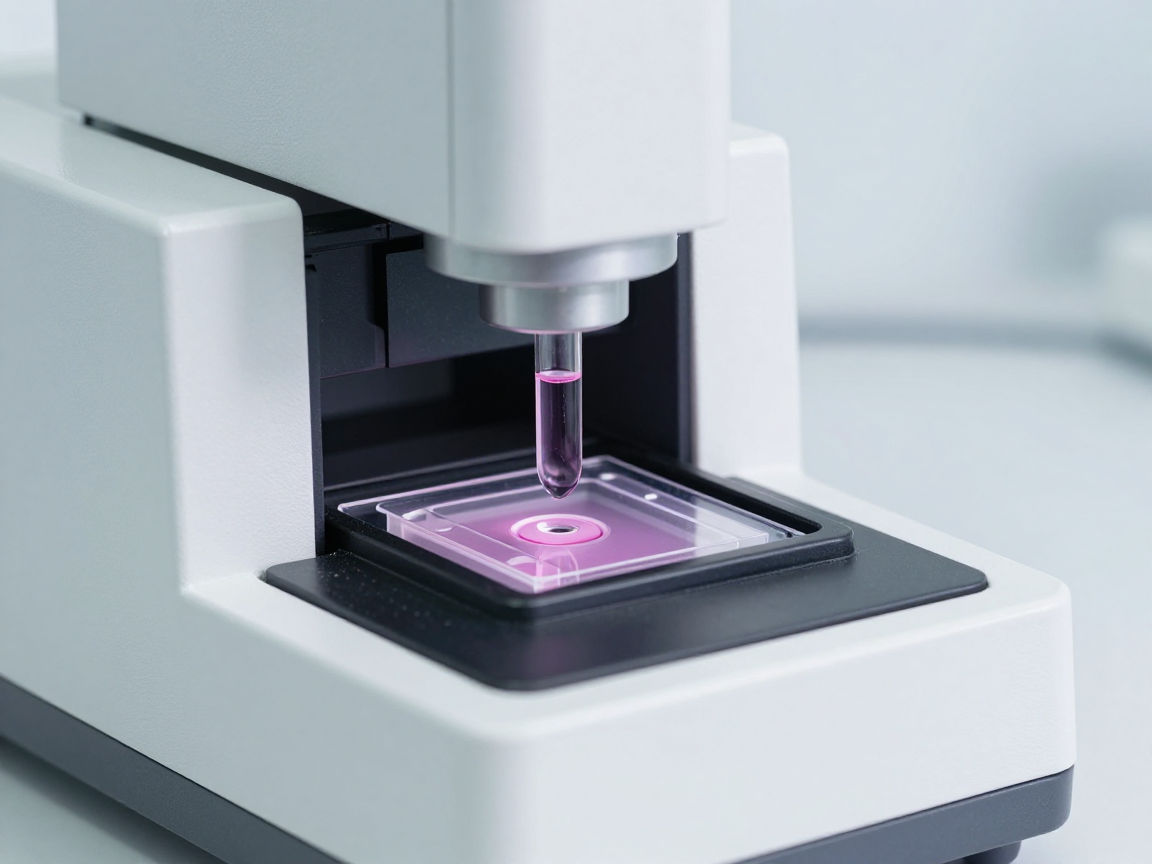
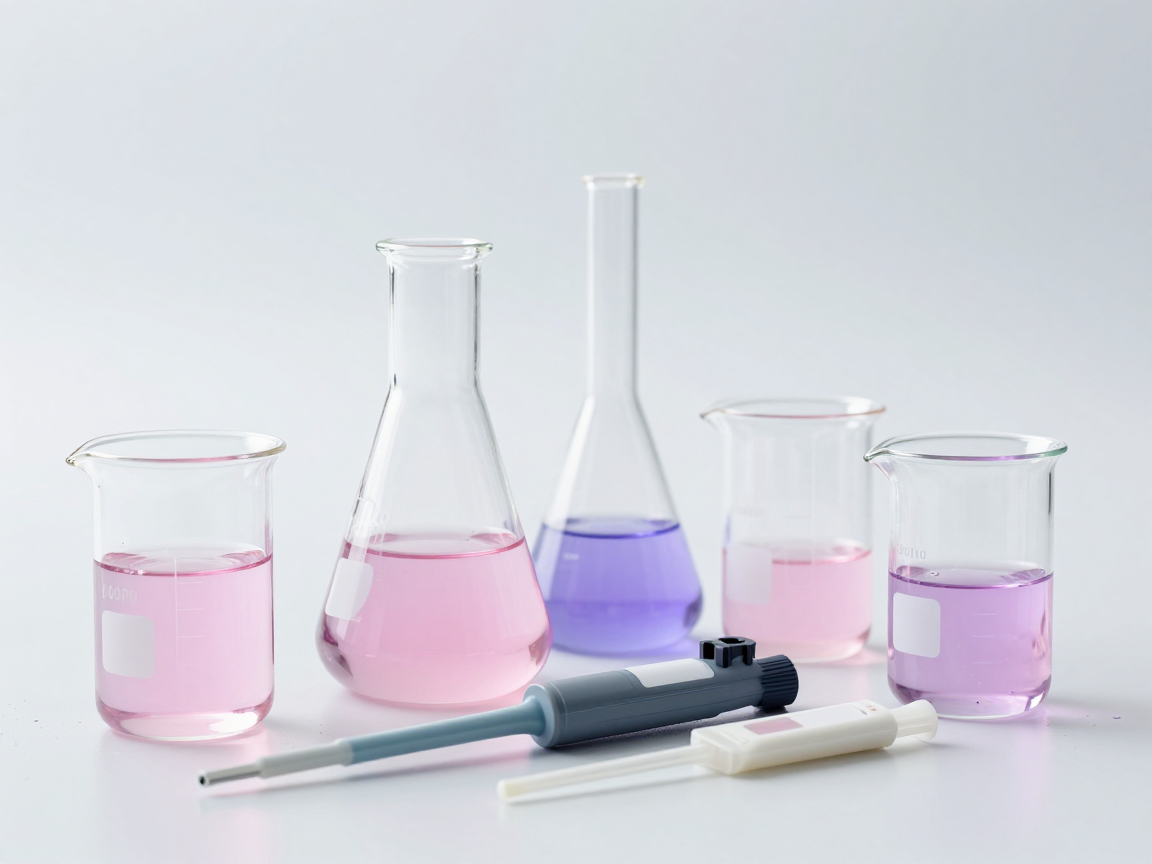
- Create color complexes. In acidic environments, Cr(VI) reacts with diphenylcarbazide form a pink-purple complex. The color intensity is proportional to the amount of Cr(VI) present in the solution.
- Spectral measurement. Measure the light absorption of the color complex using a spectrophotometer, compare it with the standard curve to calculate the content.
Advantages: fast, low cost, standardized in standards, very suitable for samples with simple substrates such as plating, passive layers, light-colored plastic samples.
Limitations: method sensitive to color interference. If the extract is pre-colored (dark resin, pigment), that background color adds to the color of the complex and distorts the results — unless treated with an appropriate blank. This is exactly the situation where ion chromatography comes into play.
4. How does ion chromatography (IC) work?
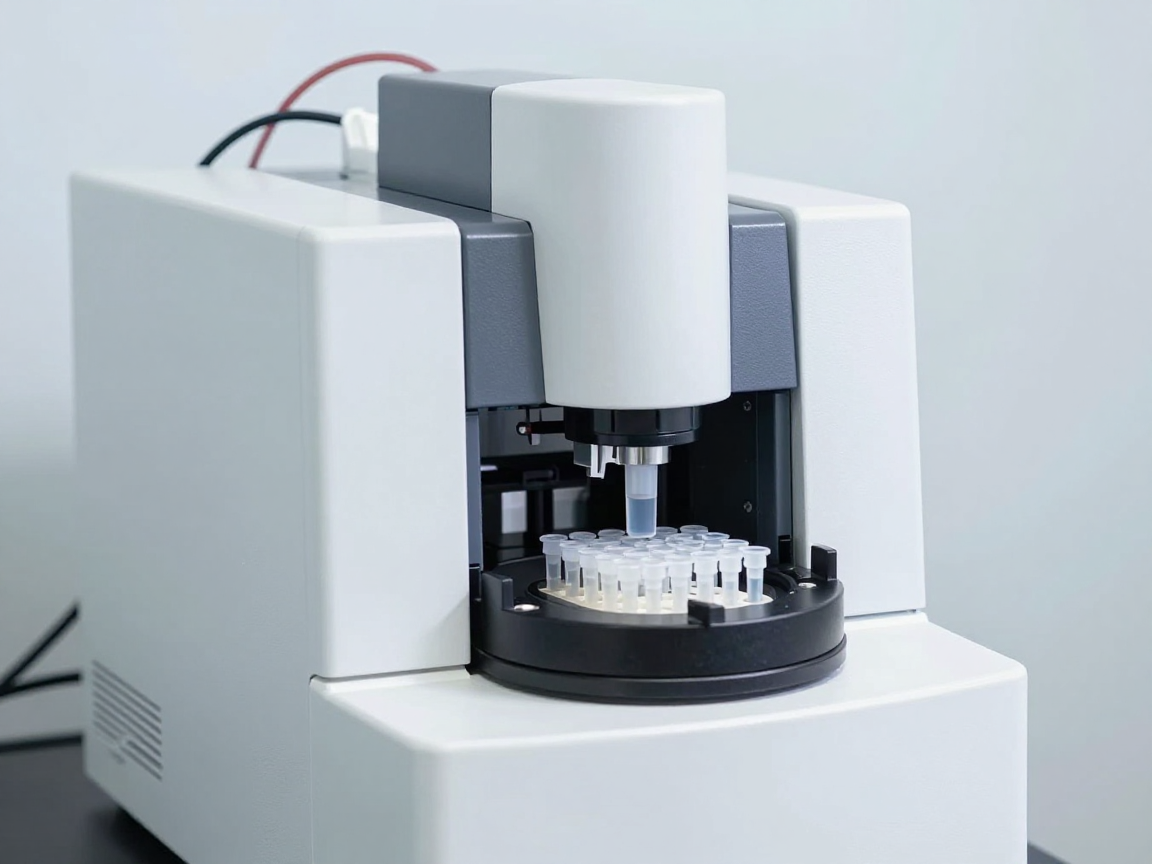
Ion chromatography separates Cr(VI) as anion chromat on an anion exchange column, with alkaline mobile phase. After separation, Cr(VI) is detected spectroscopically (usually with post-column color complexation with diphenylcarbazide, or measured directly in the ultraviolet region).
Because nature is cup first then new measure, IC has clear advantages in the following cases:
- Colored extract — colored interferences are separated from Cr(VI) on the column.
- Complex, metal-rich sample matrix — separates chromate from other anions/cations.
- Cross-validation is needed when the results are close to the limit, or when there is a dispute.
- Want to pair with measurements total chromium (equal to ICP) for comparison: total chromium = Cr(III) + Cr(VI).
Limitations: more complex equipment and techniques, higher cost, and longer analysis time. So IC is often used as Additional techniques, is not the default choice for all models.
5. Direct comparison of the two techniques
| Colorimetric | Ion chromatography (IC) | |
|---|---|---|
| Principle | Cr(VI) forms a color complex with diphenylcarbazide, measuring the color intensity | Separate Cr(VI) on anion exchange column, then detect by spectroscopy |
| Role in IEC 62321 | Main techniques of 7-1 and 7-2 | Additional techniques when the sample matrix is complex |
| Sample extraction | Alkaline extraction to retain Cr(VI) | Alkaline extraction, then separation on column |
| Advantages | Fast, cheap, simple background pattern | Color noise type; good for complex backgrounds; cross validation |
| Limitations | Sensitive to background color and interference | High cost, complex equipment/techniques, longer time |
| Most suitable | Plating layer, passivation layer, light colored plastic | Dark color samples, metallic backgrounds, dispute cases |
Rules for quick selection: default to colorimetric; Switch to ion chromatography when the sample is colored, the background is complex, the result is close to the limit that needs confirmation, or when it is necessary to separate Cr(VI) from interfering substances.
6. Why is the sample extraction step decisive?
Both techniques start by extracting Cr(VI) from the material matrix — and here’s where it’s easiest to go wrong:
- Do not use strong acidic environment to extract Cr(VI). — acid can reduce Cr(VI) to Cr(III), losing the substance being measured and giving falsely low results.
- Alkaline extraction keeps Cr(VI) stable. This is why the standard specifies a specific alkaline extraction environment.
- Extraction time and temperature standards need to be followed; Under extraction results in low recovery, over extraction can cause side reactions.
- With coating, the amount of Cr(VI) depends on the area of the sampled surface — so the area must be measured and recorded, because the results are in µg/cm².
If you can only remember one thing from this article, remember this: If Cr(VI) is to be measured, it must be kept intact throughout the extraction step. Any error that eliminates it will give a falsely low result — the most dangerous type of error because it leads to a false “pass” conclusion.
7. Can colorimetry and ion chromatography replace XRF?
No, and there’s no need. The three techniques lie in three different roles in a process:
- XRF (IEC 62321-3-1) — chromium screening total. If total chromium is clearly low, it can stop at the screening level.
- Colorimetric (7-1 / 7-2) — Cr(VI) determination for most cases, especially coatings and simple substrate samples.
- Ion chromatography — confirm or handle complex background patterns, dark patterns.
With metal coating, the limit is 0.1 µg/cm²; a Total chromium result in percent from XRF no answer this question. The correct analytical sequence goes from screening to confirmation, not jumping straight from XRF to conclusion. Details about the limitations of XRF are in the article XRF reports “Cr” exceeds the limit: why is it not necessarily Cr(VI).
8. Frequently asked questions
Is the report stating “Cr(VI) according to IEC 62321-7-2 by ion chromatography” correct?
Need to distinguish carefully: 7-2 is built on the colorimetric method; Ion chromatography is a complementary technique. If the laboratory uses ICs, the report should clearly state the specific internal method/standard reference. When in doubt, ask the laboratory to explain the method used.
Why is my Cr(VI) result in µg/cm² and not %?
Because the sample is an anti-corrosion coating on metal. The coating is very thin so the appropriate assessment is mass per area; The corresponding limit is 0.1 µg/cm².
Can dark colored plastic samples be used using the colorimetric method?
Yes, but color interference must be carefully treated with a suitable blank sample, and confirmation by ion chromatography is recommended if results are close to the limit. With dark background colors, IC is a safer choice.
Can Cr(VI) be determined by ICP?
ICP for chromium total, regardless of chemotherapy. ICP is useful to compare the total amount of chromium, but to confirm Cr(VI) still requires colorimetry or ion chromatography (usually after alkaline extraction).
Is Cr(VI) regulated in markets other than the EU?
Yes. For example, in China, GB 26572-2025 applies the same 0.1% limit for Cr(VI) in the list of 10 restricted substances. See more articles about GB 26572-2025.
9. Conclusion
Color measurement is the main technique used by IEC 62321-7-1 and 7-2 to determine Cr(VI); ion chromatography is an additional technique that is effective when the sample matrix is complex or the extract is colored. Three points to remember: one, choose techniques according to the sample background, not according to habit; two, keep Cr(VI) intact during the extraction step with alkaline environment; three, compared to the correct limit type — 0.1 µg/cm² for coating, 0.1 % for bulk material.
And don’t forget the previous step: XRF only reads total chromium, so without a chemical Cr(VI) result, the profile still doesn’t answer the most important question.
References
- IEC 62321-7-1 — colorimetric determination of Cr(VI) in anti-corrosion coatings on metals
- IEC 62321-7-2 — colorimetric determination of Cr(VI) in polymers and electronic materials
- IEC 62321-5 — determination of Cd, Pb and total chromium in polymers, electronic materials; Cd, Pb in metals
- Directive 2011/65/EU, Annex II — 0.1 % limit for Cr(VI) and coating assessment (0.1 µg/cm²)
Related articles
- Cr(VI) in the chromium passive layer: why does the mechanical and electronic industry often stick?
- XRF RoHS screening: how to read the results, how much to trust, 5 limitations you must know
- Dissection of the sample according to IEC 62321-2: if this step is done incorrectly, all subsequent results will be meaningless
- What is IEC 62321? What parts does the RoHS test method set include and what substances is it used for?
Discuss further
Disclaimer
This article is an interpretive content compiled by us; not legal advice. Specific extraction steps and measurement conditions are specified in the standard; Enterprises need to compare the original text of IEC 62321-7-1, 7-2 and Directive 2011/65/EU.
See more: Copyright Policy & Disclaimer by ticforall.com.