
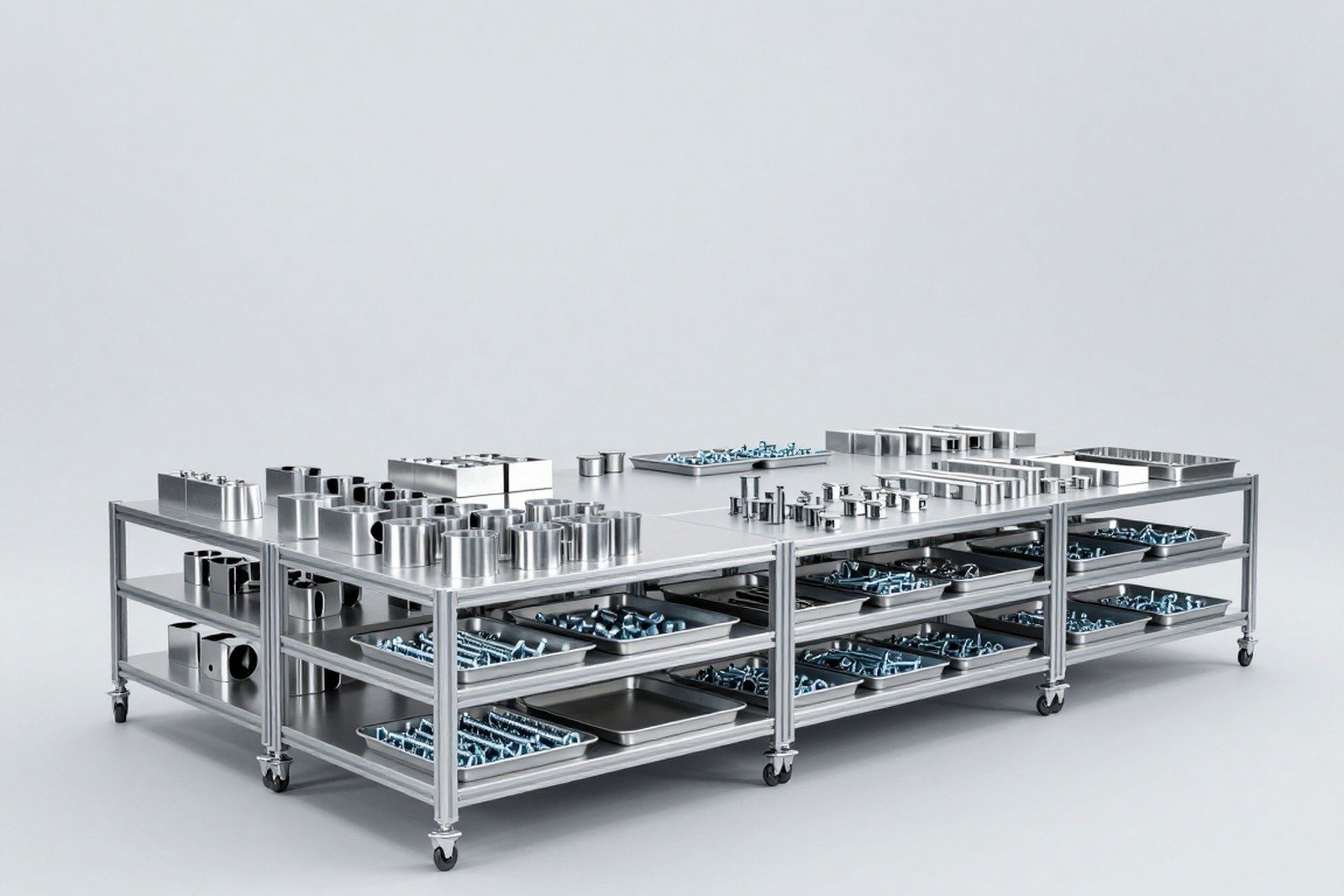
In the mechanical and electronic industry, the chromium passivation layer is the most underrated Cr(VI) hot spot. Many factories carefully inspect welds and plastics but ignore plating on metal parts — where hexavalent chromium was once commonly used to increase corrosion resistance.
This article explains the mechanism, the four most common sticking situations, and how to develop practical controls for plating.
1. What is chromium passivation layer and why is it related to RoHS?
Steel or zinc parts are often plated and then surface treated to increase corrosion resistance. Traditional surface treatment uses hexavalent chromium, creating a characteristic golden or rainbow color.
Hexavalent chromium is on the RoHS restricted substances list. Meanwhile, trivalent chromium — the form used in replacement passivation layers — is not part of the restricted group. These two forms have the same chromium element but their properties and legal obligations are completely different.
This is the source of nearly all the confusion about chromium in RoHS filings.
| Characteristics | Trivalent chromium | Hexavalent chromium |
|---|---|---|
| Related to RoHS | Not in a restricted group | Restricted |
| Typical coating color | Clear or pale green | Golden or rainbow luster |
| Corrosion resistance | Lower, requires a suitable material system | Higher |
| How to recognize | It cannot be concluded by sight or by elemental screening | Need a method to determine chemotherapy |
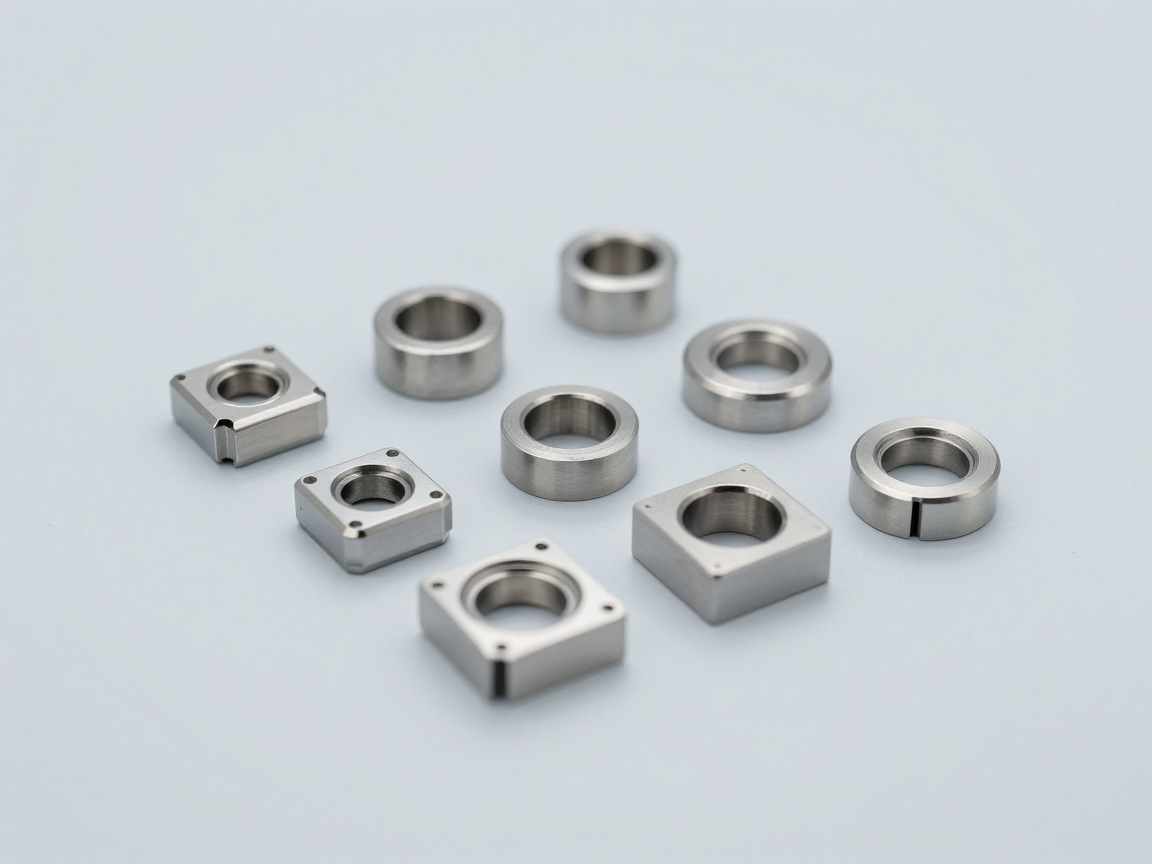
2. Why does XRF report high chromium without concluding anything?
The screening device only measures total chromium, regardless of valency. Consequences:
- False alarm: The trivalent chromium passivation layer results in increased total chromium, causing unnecessary concern.
- True omission: A very thin coating of hexavalent chromium may give unremarkable total chromium results, especially when the sample matrix is steel.
- Unable to locate: The total result does not indicate whether the chromium is in the plating layer or in the base alloy.
Therefore, with plating, the conclusion must be based on the method of determining valence, not on the results of elemental screening.
3. Four situations where Cr(VI) is often stuck in the plating layer
| Situation | Why did it happen? | How to room |
|---|---|---|
| The plating processing supplier changed the procedure | Return to hexavalent chromium passivation layer to meet corrosion resistance requirements | Requires written commitment to process and periodic inspection |
| Imported plating details of unknown source | Purchased through intermediaries, no declaration of coating | Request to declare according to detailed code, try to confirm the first batch |
| Production inventory before conversion | Old supplies are still in stock, mixed with new batches | Control inventory, isolate and test before use |
| Small details are purchased according to the catalog | The catalog supplier does not provide overlay data | Priority is given to suppliers with complete material data |

4. How to control reality
- Make a detailed catalog with overlays: All metal parts are plated, passivated or surface treated.
- Overlay process declaration required from the supplier, with a commitment not to use hexavalent chromium.
- Test confirmation for the first batch and periodically by chemical determination method for metal coatings.
- Use the rapid point-of-care test for screening only: Positive results need to be confirmed, negative results are not enough to be conclusive.
- Change control: Any change in processing supplier requires retesting the first batch.
| Evidence | What to use? | Limit |
|---|---|---|
| Declare the supplier’s process | Establish expectations and responsibilities | It is an assertion that needs to be cross-checked |
| Quick test on the spot | Quickly screen suspicious details | Only qualitative |
| Analysis determines the valence for the coating | Conclusion for profile | It is necessary to sample the correct material layer |
| Periodic test reports | Maintain evidence over time | Needs to be associated with detailed code and supplier |
5. Frequently asked questions
Is the yellow coating definitely hexavalent chromium?
Not sure. Color is for reference only, not evidence. Some coating systems that do not contain hexavalent chromium remain yellow. Conclusions must be based on analysis.
If the result of determining chemotherapy is higher than the limit, how to handle it?
It is necessary to determine the scope of influence: which batch, which detail, from which supplier. Then ask the supplier to switch to a passivation layer that does not contain hexavalent chromium and retest the first batch before resuming production.
Can an exemption be used for chrome plating?
Some applications have exemptions, but they are narrow in scope and have an expiration date. The exemption should not be assumed for normal plating; need to compare the list of exemptions according to the correct application.
Is a rapid test with an indicator solution acceptable as evidence?
Usually not enough to conclude compliance records, but useful for internal control. Positive results should be confirmed analytically, negative results should be periodically cross-checked.
Is it true that the supplier says the plating “does not contain chromium”?
Need to clarify: completely chromium-free, or just hexavalent chromium-free. Many passive layers still contain trivalent chromium and that is completely RoHS compliant.
6. Conclusion
Cr(VI) in the chromium passivation layer is a persistent hot spot for three reasons: the risk lies with the procedureing supplier, the screening results do not distinguish valence, and switching to alternative coatings affects corrosion resistance.
Three things to do: catalog all parts with surface treatment; request process commitment from the procedureing supplier; and try to confirm chemotherapy for the first batch and periodic batches instead of relying on total chromium results.
References
- Directive 2011/65/EU and its amendments (RoHS) — hexavalent chromium on the restricted substances list.
- IEC 62321-7-1 — colorimetric determination of hexavalent chromium in metal coatings.
- IEC 62321-7-2 — determination of hexavalent chromium in polymer and electronic materials.
Related articles
- XRF reports “Cr” exceeds the limit: why is it not sure it is Cr(VI) and what should be tested next?
- Cr(VI) test: how are colorimetric and ion chromatography (IC) different?
- Cadmium in plating and brass alloys: a little talked about RoHS hot spot
- When is XRF only needed, when is wet testing required? Batch RoHS control strategy
Discuss further
Disclaimer
This article is an interpretive content compiled by us; not legal advice. Enterprises need to compare relevant documents/standards verbatim before applying them to specific products.
See more: Copyright Policy & Disclaimer by ticforall.com.