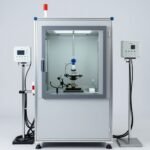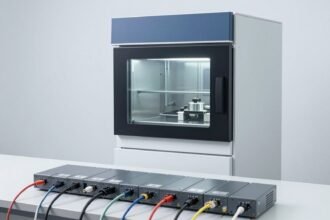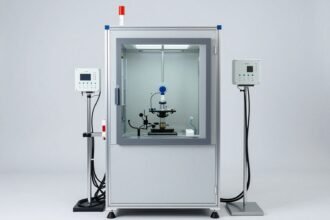
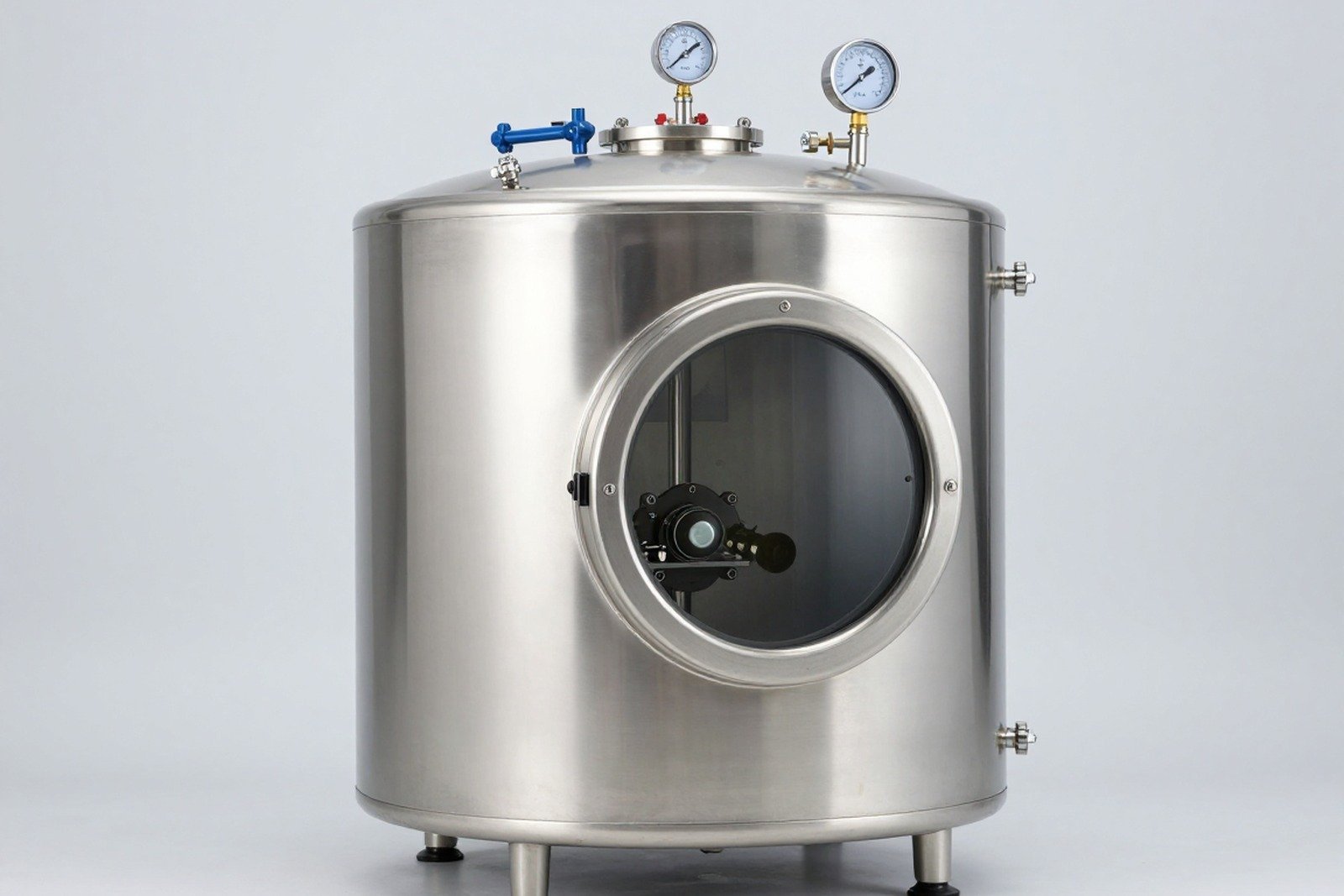
Most of the hot damp testing in IEC 60068 takes place at atmospheric pressure. The Cx test according to IEC 60068-2-66 is an exception: the sample is placed in unsaturated steam but at a pressure higher than atmospheric pressure. This allows high temperature and high humidity to be achieved simultaneously without boiling or spraying water directly onto the sample.
This article explains how Cx works, when this test is really necessary, and what technical points must be checked for the results to be valid.
1. What question does the Cx test answer?
Cx is an unsaturated pressurized vapor test. The test chamber operates like a controlled pressure cooker: high pressure increases the boiling point of water, allowing the chamber to achieve high temperatures combined with high humidity — something that at atmospheric pressure can only be done by humidifying or heating water, with many uncertainties.
- Can the product withstand harsh hot and humid environments for short periods of time, at a level that is difficult to achieve with atmospheric methods?
- Does moisture penetrate quickly through gaskets, membranes, and coatings when there is a pressure difference?
- Do organic materials and thermoplastics lose mechanical properties at high humid temperatures?
- Are the results reproducible between different test chambers?
2. Why use pressurized steam?
At atmospheric pressure, water boils at 100 °C. If you want to test at temperatures above 100 °C with high humidity, you must increase the pressure. This principle provides three benefits:
- REACHes high temperatures with real humidity instead the dry gas is heated — something that is difficult to do with a conventional chamber.
- Accelerates the procedure of moisture penetration thanks to differential pressure, suitable when quick results are needed for small components or assemblies.
- Reduced dependence on mist spraying — a large source of error in conventional hot humid chambers (water drops do not evaporate completely, remaining on the sample).
In turn, the test places high demands on equipment and safety. The sample and materials used must withstand high temperatures, and the procedure must control pressure release before opening the chamber to avoid sudden condensation on the sample.
| Characteristics | Cx (pressurized steam) | Cab (regular hot and humid) |
|---|---|---|
| Conditions | High temperature, high humidity, above atmospheric pressure | Temperature and humidity at atmospheric pressure |
| How to humidify | Steam in a closed chamber is pressurized | Usually by misting or active humidity control |
| Harsh level achieved | Higher, difficult to reach by atmospheric method | Limited by boiling temperature and moisture retention capacity |
| Device requirements | Pressure chamber, pressure control and pressure release | Standard environmental chamber |
| Fits | Small samples, components, high heat resistant materials | Universal products and assemblies |
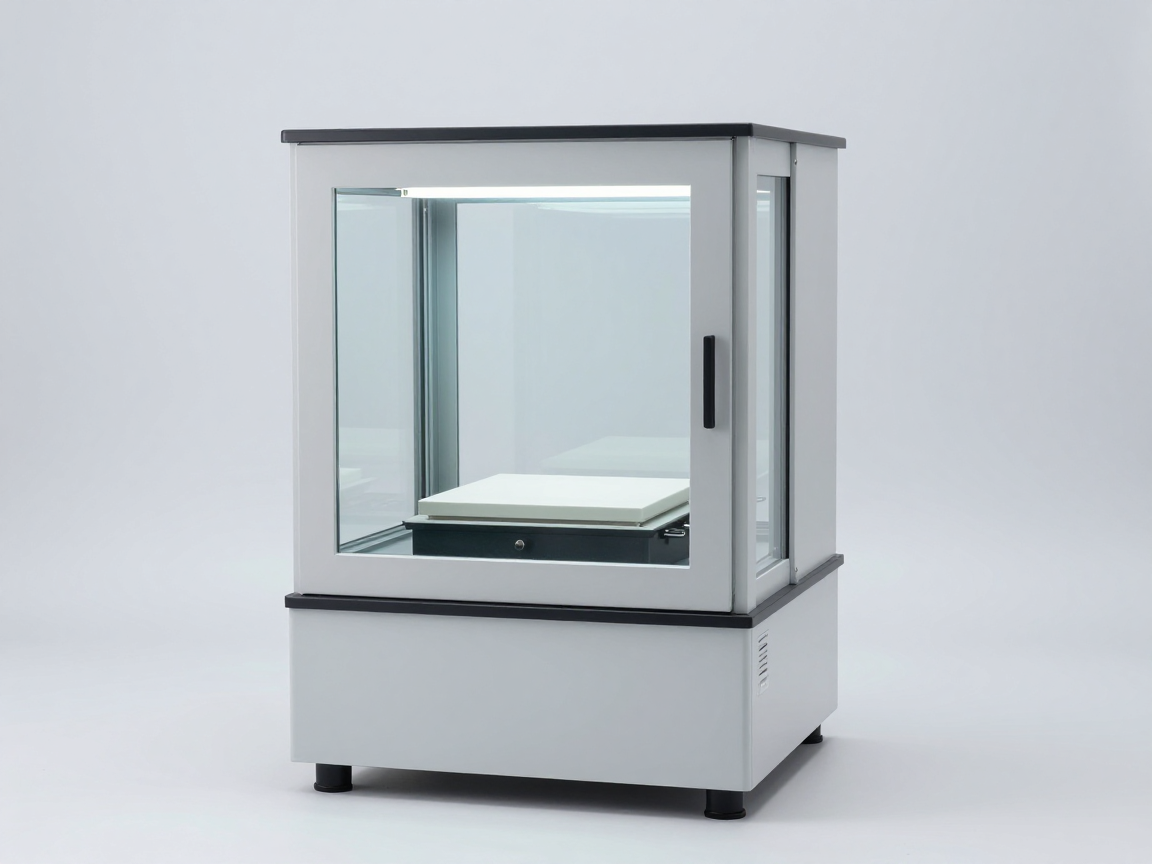
3. When is Cx really needed?
Cx is not a common test. It should only be chosen when there are clear technical reasons:
- Need hot and humid conditions beyond the capacity of the atmospheric chamber while still retaining true humidity, not dry heat air.
- Evaluate packaging materials, gaskets, and protective films of components at high severity levels in a short time.
- Research on damage mechanism under acceleration conditions, with controlled variables.
- Where customer specifications or industry standards properly cite this test.
Conversely, with finished products, equipment with organic materials or ventilation lines, Cx can cause damage that is not representative of the environment of use. In that case, damp heat tests at atmospheric pressure are often more reasonable — compare options below Select the environmental test according to the usage environment.
4. Implementation sequence
- Check the heat resistance of the sample: confirm that internal materials and components can withstand test level temperatures; This is the prerequisite step.
- Confirm chamber capacity: Check temperature and humidity distribution, pressure holding ability, and pressure release procedures.
- Set initial milestones: Measure electrical parameters, check appearance, take photos.
- Insert the sample and run the condition: raise the temperature and pressure according to the procedure; keep stable for the specified time.
- Termination and pressure release: Release pressure in a controlled sequence to limit sudden condensation; Remove the sample to a dry surface.
- Recovery and assessment: Stabilize the sample, re-measure parameters and compare with the original benchmark.
5. Factors that determine results
| Factor | Why is it important? |
|---|---|
| Chamber pressure | Determine the boiling point and thus the temperature-humidity relationship obtained |
| Pressure increase and decrease speed | Affects the level of condensation on the sample surface |
| Sample materials | Organic materials, gaskets, and membranes can be damaged by heat before moisture |
| Chamber volume relative to sample | Large samples take up volume, changing the thermal dynamics of the chamber |
| Maintenance time | Determine the degree of moisture penetration and cumulative deterioration |
| Pressure release process | If rinsed too quickly, the sample will be wet and the post-test measurement results will no longer be accurate |
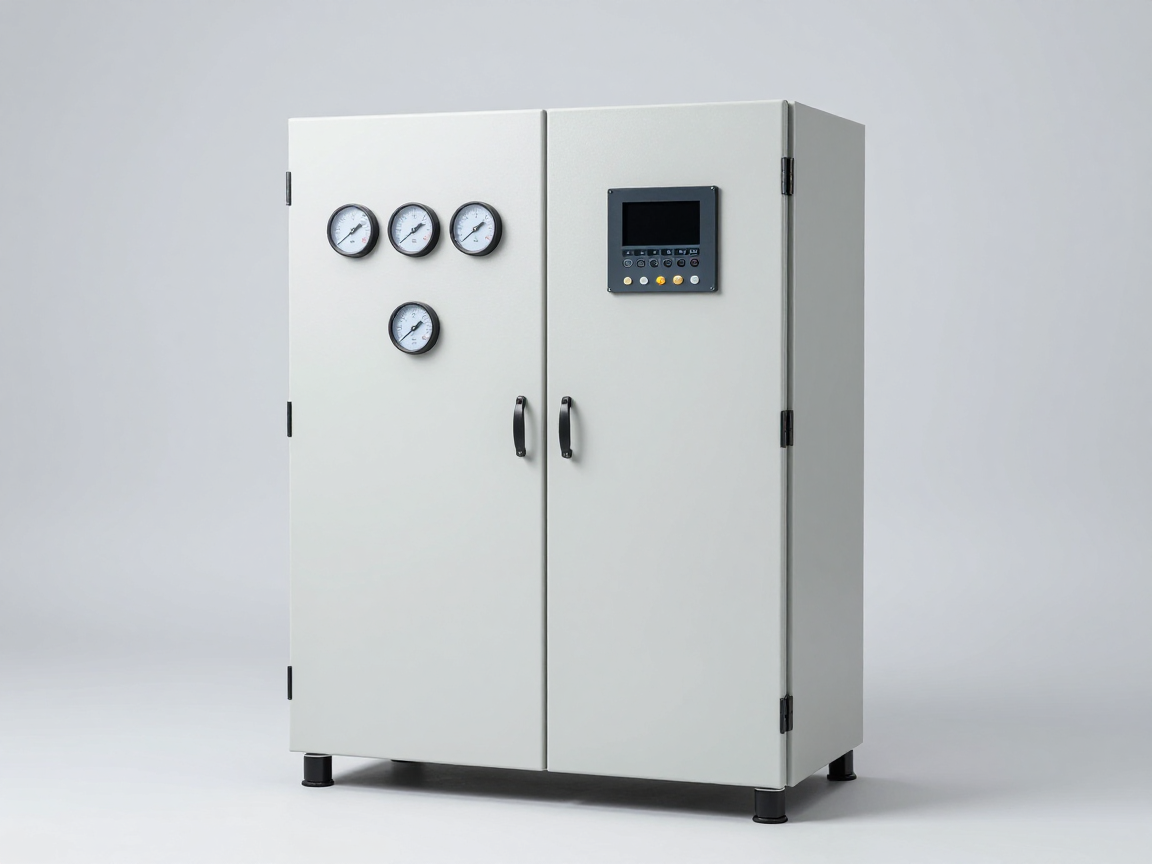
6. Common mistakes and how to avoid them
- Choose Cx because it’s “harsher” without checking that the failure mechanism is still correct — the result may be unusable.
- No pressure recorded in records — lack of pressure makes it impossible to repeat the test.
- Releasing pressure too quickly — the sample is strongly condensed, causing damage not related to the test and misleading measurement results.
- Place samples with batteries or materials that are poorly heat-resistant — safety risks and artificial damage.
- Do not measure parameters before testing — loss of reference point, especially dangerous when the test causes rapid deterioration.
- Use Cx results to infer lifespan without the acceleration model and accompanying assumptions.
7. Frequently asked questions
Are Cx and Cx the same test?
In the classification of IEC 60068, symbols starting with C belong to the group of hot damp tests, distinguished by the second letter and the corresponding standard part number. It is necessary to clearly state the standard part number in the dossier to avoid confusion — see how to read IEC 60068 test designations in the related article section.
Is the Cx test dangerous?
Pressurized chambers require their own safety procedures, including working pressure limits, relief valves, chamber opening procedures, and periodic equipment inspections. This is why many testing laboratories do not have this test available.
Which samples should not be tested for Cx?
Products containing batteries, fusible materials, low heat resistant coatings, or sealed structures may deform due to differential pressure. Risk assessment needs to be done before trying.
How long does the Cx test take?
The standard provides selected time ranges; This test is usually shorter than that of a stable hot humid at atmospheric pressure because the conditions are more severe. It is necessary to compare the standard verbatim when making requests.
Can Cx be combined with other tests?
Yes, but it needs to be placed in a reasonable order: usually placed after mechanical defect detection tests so that both stress sources can be combined. The order affects the final result so it must be agreed in writing.
Can Cx results be used for declaration of conformity documents?
Only if the applicable text or technical requirement cites the correct test, and the laboratory has accredited capacity for that test.
8. Conclusion
Cx is a hot-humidity test in pressurized steam — a unique tool for achieving hot-humidity conditions at levels not possible with an atmospheric chamber, suitable for small samples and high-temperature materials. The value of the test depends entirely on the control of pressure, temperature, humidity and pressure release procedure.
Three things to do: confirm the sample can withstand the temperature and pressure differential of the test; prescribe and document pressure release procedures; and document pressure – temperature – humidity data over time as reproducible evidence.
References
- IEC 60068-2-66 — Cx test: steady hot damp in pressurized unsaturated steam.
- IEC 60068-2-78 — Cab test: steady heat and humidity.
- IEC 60068-2-67 — Cy test: steady heat and humidity, mainly accelerated form for components.
- IEC 60068-3-6 and 60068-3-11 — Confirmation of environmental chamber capacity and uncertainty.
- IEC 60068-1 — General provisions and guidance.
Related articles
- Cy test (IEC 60068-2-67): steady heat and humidity accelerates components
- Cab test: steady heat and humidity according to IEC 60068-2-78
- Confirmation of heat-humidity chamber capacity according to IEC 60068-3-6 and 60068-3-11
- Z/AD combined heat-humidity cycle (IEC 60068-2-38) for electronic components
Discuss further
Disclaimer
This article is an interpretive content compiled by us; not legal advice. Enterprises need to compare relevant documents/standards verbatim before applying them to specific products.
See more: Copyright Policy & Disclaimer by ticforall.com.