
In the aerospace and defense supply chain, product quality isn’t just judged by samples — it’s judged by demonstrability. A solder joint that passes but cannot prove the procedure of creating it is still considered unqualified.
This article presents the specific requirements that cross-section must meet in these two areas, and the points businesses need to prepare if they want to participate.
1. Why are aviation and military the most demanding?
- No chance to fix: The product operates where regular maintenance is not possible, and errors can cause serious consequences.
- Very long life cycle: Equipment may have to operate stably for decades.
- Retrieve required materials: Each batch of materials must be traceable to the source.
- Process approval: The manufacturing process must be approved in advance, not just the product.
- Records may be inspected: Records are part of the product, not supplementary documents.
2. Specific requirements affecting cross-section
| Category | Typical requirements | Influences how to do things |
|---|---|---|
| Laboratory capacity | Usually requires an accredited testing laboratory for a specific range of tests | Must use a room with sufficient capacity, or have a clear agreement with the customer |
| Retrieve supplies | Soldering supplies and circuit board materials must have batch documents | Test records must be associated with the batch number of the material |
| Calibrate the device | Measuring equipment and microscopes must be within calibration | Calibration documents must be saved with the report |
| Process approval | Sample preparation procedures must be approved in advance | Do not change procedures or supplies without reporting |
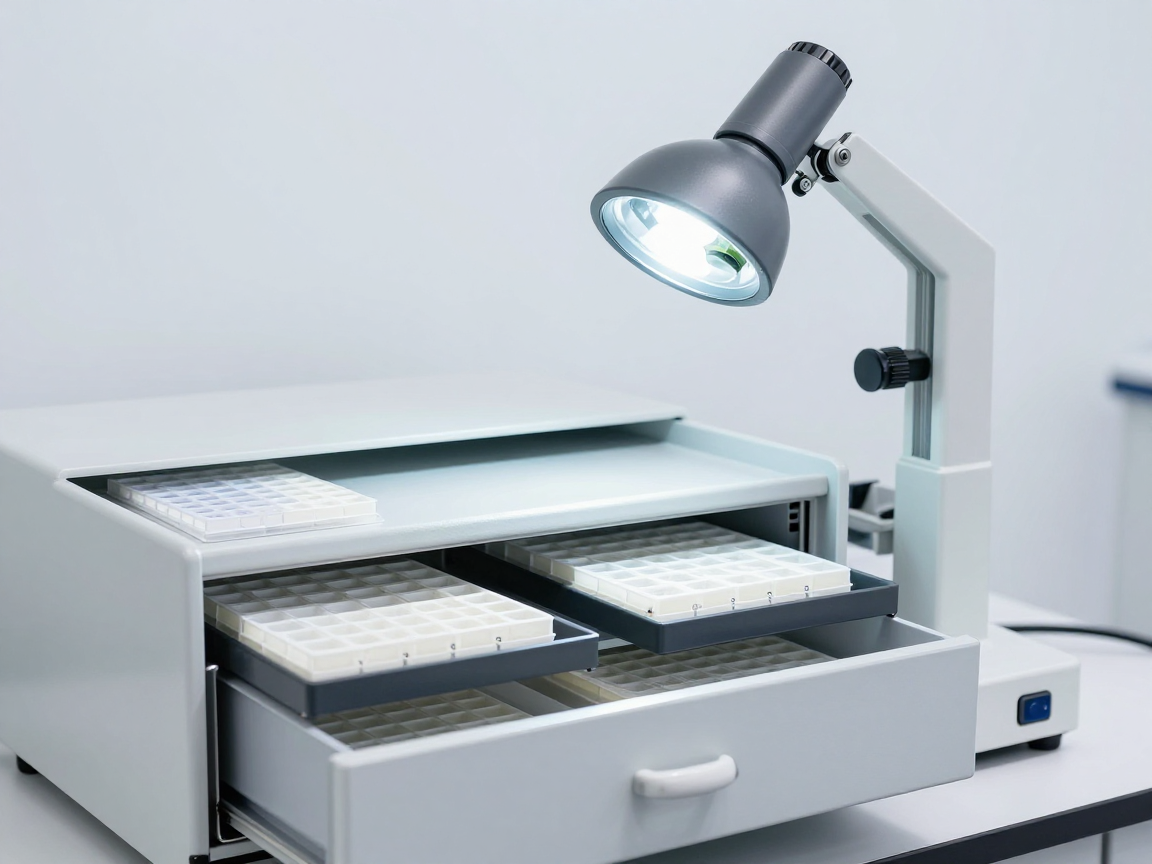
| Save the template | Samples and records must be kept for a long time | Need a system to store samples that are numbered and searchable |
| Change control | Any changes must be evaluated and approved | Minor changes require reassessment and may require cutting the confirmation sample |
Note: specific requirements are specified by the customer or main contractor. Businesses need to take the list of applicable requirements from customers’ contracts and technical documents instead of assuming common standards.
3. What are the test records needed?
- Sample information: Product code, batch number, related material number, manufacturing date.
- Test information: cutting position, cutting direction, applied sample preparation process.
- Results: The image has a scale, magnification, and measurement results for each criterion.
- Applicable criteria: approved standards, quality levels, and thresholds.
- Device information: Device code and valid calibration date.
- Personnel information: implementer, checker, approver.
- Abnormal recording: any deviation from the approved procedure, even if it does not affect the results.

4. Common traps when preparing documents
| Trap | Consequences | How to avoid |
|---|---|---|
| Do not associate results with batch numbers of materials | Unable to trace the source when there is a problem | Record the batch number of materials right on the sample file |
| Photo has no scale | Size cannot be verified | Specify the scale as a required field in the form |
| Do not record minor changes to the procedure | Considered a document falsification during inspection | Note any deviations, no matter how small |
| Do not save the template | Unable to answer questions that arise later | Maintain a numbered sample filing system |
| Use equipment that is out of calibration | The results may not be acceptable | Check the calibration period before each test |
| Empirical interpretation of the criteria | Inconsistent between batches | Attach conclusions to approved criteria and thresholds |
5. Sample preparation process needs to be stable
A point that gets little attention: in these two fields, the sample preparation procedure is considered part of the test and must be stable. Changing grinding consumables, cutting tools or molding material suppliers without notice may render the record invalid.
- Record the sequence of steps and materials used for each batch.
- Only change materials when there is a reason and after evaluating the impact.
- Maintain control samples between batches to detect process drift.
- Periodic training for people performing sample preparation.

6. Roadmap if requirements are not met
- Compare actual requirements from contracts and customer technical documents, rather than assumptions.
- Build internal processes based on standardized test methods.
- Build report forms There are enough information fields according to profile requirements.
- Set up a sample storage system Numbered and searchable.
- Maintain equipment calibration and save complete documents.
- Agree with customers about criteria, thresholds and test ranges before starting.
- Evaluate testing room capacity and determine which tests need to be performed in an accredited laboratory.
7. Frequently asked questions
Is it mandatory for testing laboratories to be accredited?
Depending on customer requirements and product characteristics. Some tests are required to be performed in a qualified laboratory; some can be done internally if there is adequate agreement and control.
How long do records need to be kept?
According to the deadline specified in the contract or customer’s request. This period is usually much longer than for consumer products.
Can I use a saved sample from a previous batch instead of cutting a new one?
Not if the batch or process has changed. The saved form is used to answer questions that arise, not to replace current formative assessment.
Do grinding consumables changes need to be reported?
According to change control principles, reporting should be done when the procedure has been approved. Even if not required, recording helps keep records consistent and easy to explain when needed.
Where should I start if I want to join this supply chain?
From getting a complete list of customer’s actual requirements, then standardizing the procedure and application forms. These are two factors that determine responsiveness.
8. Conclusion
For aviation and defense, cross-section is not just a technical test but part of a quality proof system. Correct results are not enough — they must be accompanied by verifiable and traceable records.
Four things to do: get enough actual requirements from customers instead of assuming; standardize sample preparation and stability procedures; Build a profile form with enough information fields; and maintain sample storage system and calibration documents.
References
- IPC-TM-650 Method 2.1.1 — Microsectioning.
- IPC-A-610 — Electronic Assembly Acceptance Criteria.
- J-STD-001 — Requirements for electrical soldering and electronic assembly.
- IPC-6012 — Technical requirements for rigid printed circuit boards.
Related articles
- Cross Section in Automotive and Medical Devices: How the Requirements Differ
- IPC-TM-650 2.1.1: standard microsection procedure
- IPC-A-600 and IPC-6012: cross-section board acceptance criteria
- 7 situations where factories are forced to do cross-sections
Discuss further
Disclaimer
This article is an interpretive content compiled by us; not legal advice. Enterprises need to compare relevant documents/standards verbatim before applying them to specific products.
See more: Copyright Policy & Disclaimer by ticforall.com.