There is no single “Asian RoHS”. Each Asian market builds its own tools, with a different philosophy: there is a place prohibited use substance, in some places it is just tied announced substance. The two markets that most often confuse electronics exporters are: Japan (J-MOSS) and Korea (K-RoHS).
The confusion often starts with the name: hearing “J-MOSS” or “K-RoHS” many people assume they are two copies of European RoHS, just in different markets. In fact, Japan and South Korea chose two very different paths — and different from the EU. Misunderstanding leads to two mistakes: preparing too many unnecessary documents, or missing the right things to be checked.
This article compares J-MOSS and K-RoHS with EU RoHS: who needs it, what it needs, and what’s the difference.
1. Asia does not have a common “Asian RoHS”.
Before going into each market, it is necessary to look at the overall picture. RoHS tools in Asia are different range confused nature of obligation:
| Market | Main tools | Nature |
|---|---|---|
| Japan | J-MOSS (JIS C 0950) | Standardization publication method Substance content — not prohibited |
| Korea | Law on resource recycling for electrical and electronic equipment and vehicles | Gross RoHS + WEEE + ELV elements in one regulatory framework |
| China | GB 26572-2025 (formerly GB/T 26572-2011) | From recommended switch to required, with EFUP label |
In other words: certification cannot be extrapolated from one market to another. Businesses need to know who they sell to to choose the right tools.
2. Japan: J-MOSS (JIS C 0950) — announced standard, not banned standard
J-MOSS is the common name of the Japanese industrial standard JIS C 0950, the official name roughly means “Method for labeling the content of certain chemical substances in electrical and electronic equipment“. Its core content is valid from July 1, 2006, issued through amendments and supplements to legal documents of Law to Promote Efficient Use of Resources (a Japanese recycling/3R law).
The point to keep in mind, and also the biggest difference with the EU:
EU RoHS Limit usage toxic substances. J-MOSS then standardize publication methods substance content status. Japan does not have direct EU RoHS-style legislation; J-MOSS is a labeling standard, linked to recycling legislation.
Corollary: J-MOSS does not say “you must not use lead”. It says “if you use a substance that exceeds the limit, you must put an orange label on it to let consumers know”. This is a transparency mechanism, pushing the responsibility of choice to the market, not a ban.
3. Who needs J-MOSS: seven product groups and two types of labels
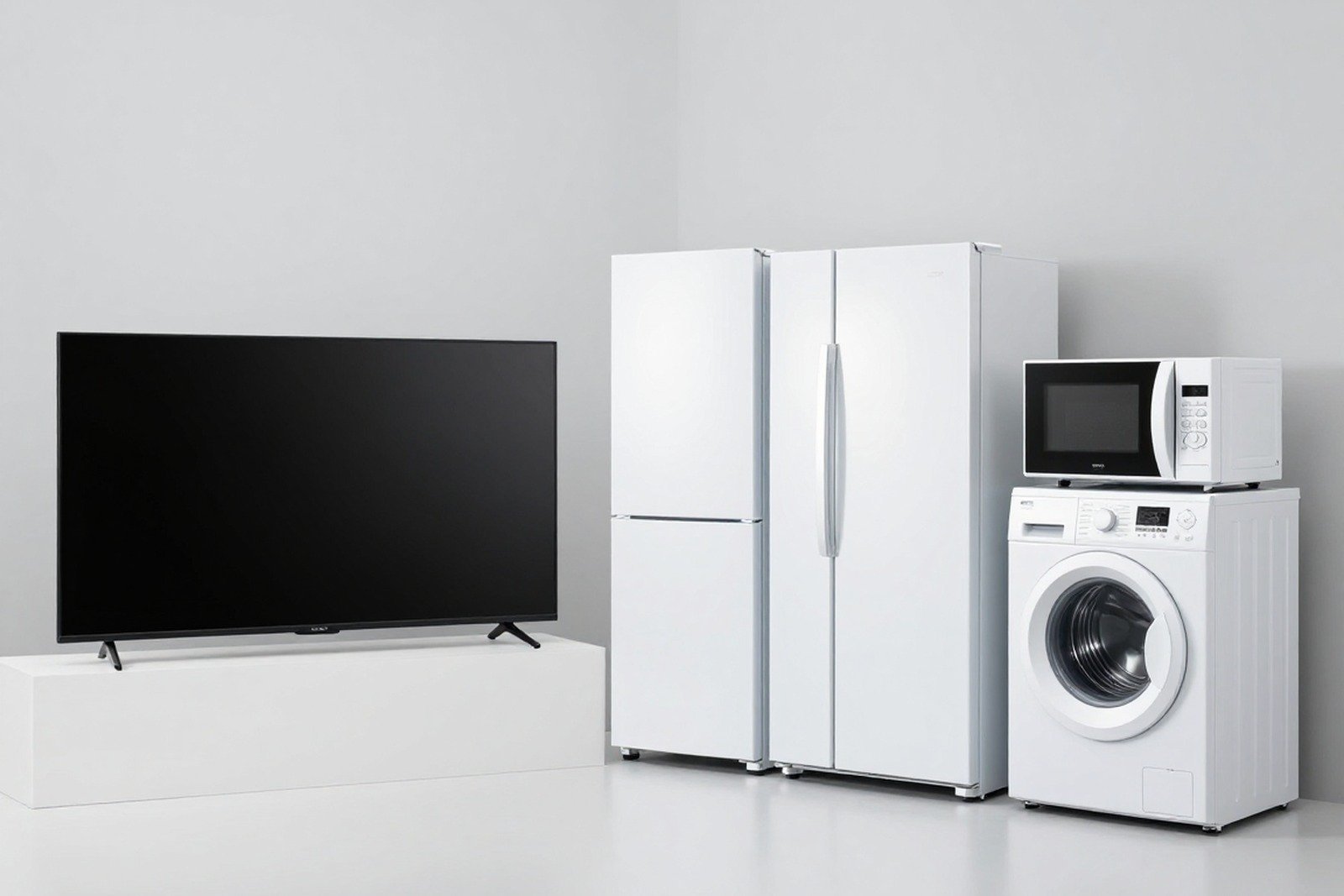
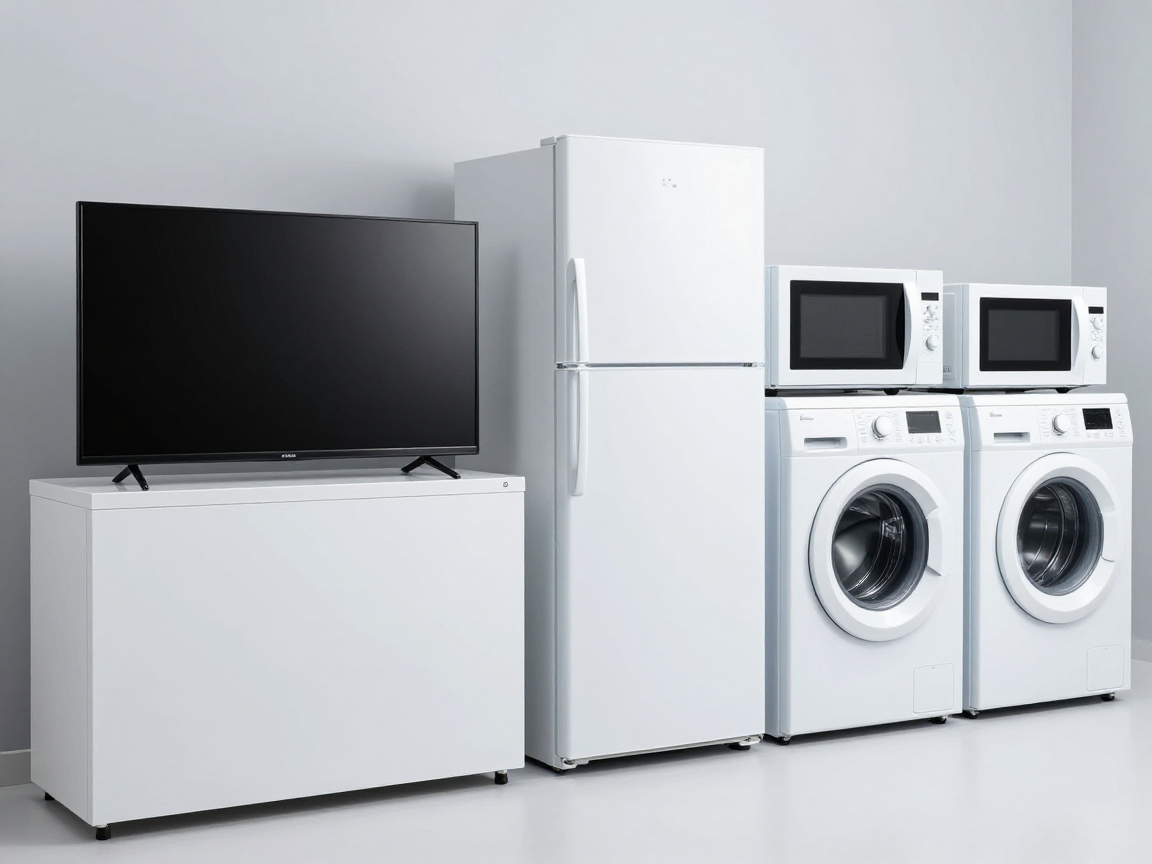
J-MOSS applied for seven product groups specified:
- Personal computer
- Local air conditioning
- Television receiver (television)
- Electric refrigerator
- Electric washing machine
- Microwave
- Clothes dryer
For these products, the label rule has two branches:
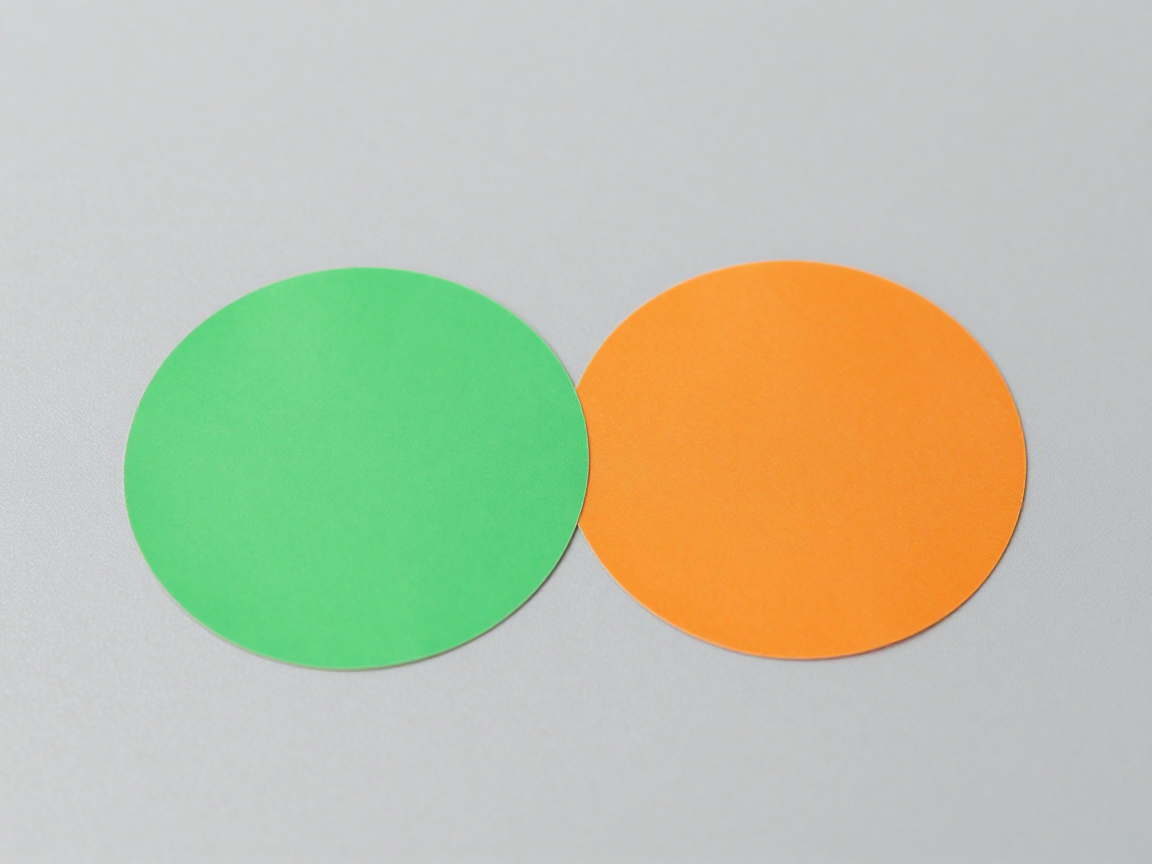
- Exceeding the limit of any substance: Pasting is required orange label to announce.
- Do not exceed any quality limit: allowed (voluntary) stickers blue label to present a more user-friendly product.
Easy to confuse point: “green label” is voluntarily, and “orange label” is required when the limit is exceeded. Therefore, the fact that a product does not have a green label no means the product is in violation.
4. Six substances and limits of J-MOSS
J-MOSS uses a familiar group of substances, similar to the EU’s RoHS 6 substances (not including the four phthalates that the EU added later):
| Quality | Abbreviation | Threshold (% mass) |
|---|---|---|
| Lead | Pb | 0.1 |
| Mercury | Hg | 0.1 |
| Cadmium | CD | 0.01 |
| Hexavalent chromium | Cr(VI) | 0.1 |
| Polybrominated biphenyls | PBB | 0.1 |
| Polybrominated diphenyl ethers | PBDE | 0.1 |
This category does not contain four phthalates which the EU has added since 2015. Therefore, a product meets J-MOSS not automatically Meets RoHS EU 10 substances — still must test for phthalates if sold into the EU.
5. Korea: K-RoHS — includes RoHS, WEEE and ELV
Korea chose a different path from Japan. Instead of one labeling standard, Korea issued one law — general name “Law on resource recycling for electrical and electronic equipment and vehicles“, promulgated April 2, 2007.
The difference in nature: this law Combine three groups of requirements separate capital in Europe:
- Factor RoHS — limit toxic substances in electrical and electronic equipment;
- Factor WEEE — responsibility for recovery and recycling of electrical and electronic equipment;
- Factor ELV — Handling expired vehicles.
So, when working with K-RoHS, don’t just think “restricted nature”. Business obligations also relate to recycling records and collection responsibilities. The name, scope and specific limits of the Korean legal framework need to be compared to the current consolidated document, because this field has been revised and merged many times since 2007.
6. Comparison table of EU – Japan – Korea
| Criteria | EU (RoHS 2) | Japan (J-MOSS) | Korea (K-RoHS) |
|---|---|---|---|
| Nature | Limit substance use | Standardize labeling substance content | RoHS + WEEE + ELV Combination Act |
| Number of substances | 10 (including 4 phthalates) | 6 (phthalate-free) | Heavy metal and bromine fire retardant groups (compare text) |
| Scope | Open scope | List of 7 product groups | As defined by law |
| Label | CE mark | Orange (mandatory) / green (voluntary) label | According to regulations on announcement/certification |
| Responsibility for recovery | Separated (WEEE) | Tied to recycling laws | Included in the same law |
7. Vietnamese businesses: who should care?
Four groups should proactively review:
- Enterprise Direct export to Japan or Korea — need the right tools for that market, do not use EU documents instead.
- Business is components supplier for Japanese/Korean brands — customers often request declaration according to internal standards based on J-MOSS or K-RoHS.
- Enterprise Import goods from Japan/Korea then sell again — need to check the label and accompanying documents.
- Enterprise multi-market (EU + Japan + Korea + China) — should use the same material data system, then “export” reports according to each standard.
8. Five things to do
- Create target market comparison table ↔ applicable tools (J-MOSS, K-RoHS, GB 26572, EU RoHS).
- Check substance list of each market, especially phthalates — only the EU (and China after 2027) includes four phthalates.
- Review label obligations: J-MOSS has orange/green label, EU has CE mark, China has EFUP label and declaration sheet.
- Use a common set of test data (based on identical materials) to serve multiple markets, instead of testing from scratch for each location.
- For Korea, don’t skip the part Responsibility for collection/recycling because it falls under the same law as the substance restriction section.

9. Frequently asked questions
Is J-MOSS “Japan RoHS”?
Inaccurate in nature. J-MOSS is a substance content labeling standard (JIS C 0950), linked to recycling laws — it does not restrict substance use like EU RoHS. Calling it “Japanese RoHS” for short can easily lead to misunderstandings that it is a ban.
Does a product that meets EU RoHS automatically pass J-MOSS?
Regarding the groups of 6 basic substances, they are close to each other, but J-MOSS only requires labeling according to a list of 7 product groups, while the EU requires CE marking and an expanded scope. Achieving EU does not automatically fulfill J-MOSS label obligations, and vice versa.
K-RoHS is just a restricted substance list, right?
No. The Korean legal framework also includes the responsibility for recovering and recycling electrical and electronic equipment and disposing of expired vehicles. Therefore, it is necessary to review the document obligations, not just the quality obligations.
Are four phthalates covered by J-MOSS or K-RoHS?
J-MOSS uses a group of 6 substances, not including phthalates. With K-RoHS, the list of substances needs to be compared with current documents. Certainly only the EU (and China under GB 26572-2025) require four phthalates at present.
Is it necessary to label J-MOSS for products sold to Japan that do not belong to the 7 groups?
J-MOSS applies to seven specified product groups. Products outside this list are not covered by J-MOSS, but may still be subject to other requirements (contractual, supply chain, or recycling regulations). Need to compare the correct scope with Japanese customers.
10. Conclusion
J-MOSS and K-RoHS are two very different Asian instruments, and also different from the EU. J-MOSS (JIS C 0950) is labeling standards for seven product groups, effective from July 1, 2006, with no restrictions on substance use. K-RoHS is one Compounding Act substance restrictions, responsibility for recall and disposal of expired vehicles, issued since 2007.
Three key questions for businesses: one, do not identify Asian standards with each other or with the EU; two, check the correct substance list of each market, especially phthalates; three, prepare a shared material data set instead of retrying multiple times. All specific details need to be compared with current documents and standards of each country.
References
- JIS C 0950 (J-MOSS) — method for labeling substance content in electrical and electronic equipment; effective from July 1, 2006
- Law on Promotion of Efficient Use of Natural Resources (Japan) — bylaws amended in 2006
- Law on resource recycling for electrical – electronic equipment and vehicles (Korea), issued April 2, 2007 (need to compare the current consolidated version)
- Directive 2011/65/EU (RoHS 2) and Directive (EU) 2015/863 — restriction of substances in electrical and electronic products in the EU
Related articles
- Circular 30/2011/TT-BCT and European RoHS: how do Vietnamese businesses comply with both?
- What is RoHS? Complete guide to Directive 2011/65/EU and its 10 restricted substances
- GB 26572-2025: China’s first mandatory RoHS standard, effective August 1, 2027
Discuss further
Disclaimer
This article is an interpretive content compiled by us; not legal advice. Descriptions of J-MOSS and the Korean legal framework are summarized for principle comparison; may have been shortened compared to the original text of standards and legal documents.
Before applying to a specific product, businesses need to compare the current JIS C 0950 standard and the current consolidated legal documents of Japan and Korea.
See more: Copyright Policy & Disclaimer by ticforall.com.