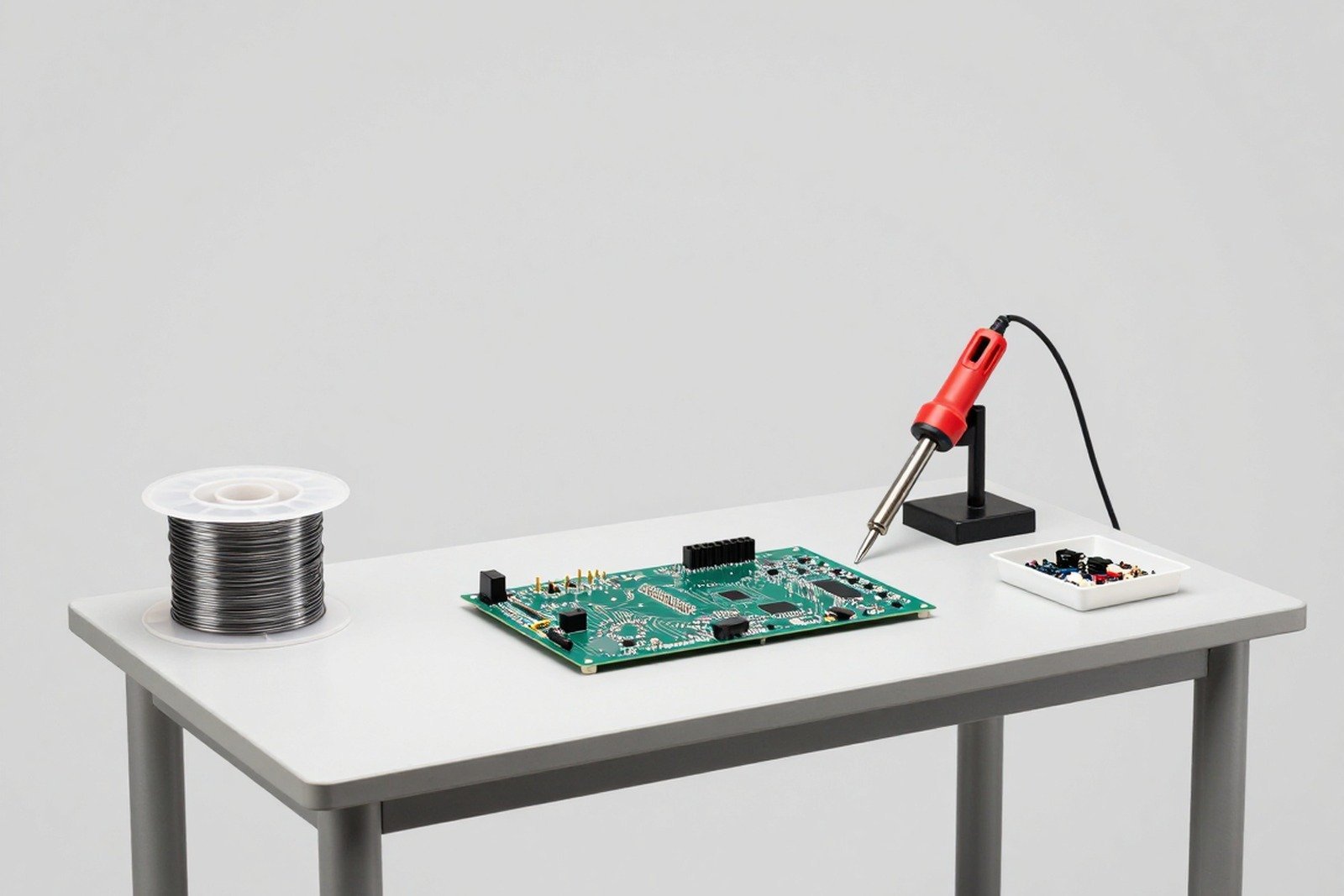
Solder joints are the number one RoHS hotspot in the electronics industry, as this is where lead was once most commonly used. The lead removal roadmap has been going for nearly two decades, but in reality there are still many traps that cause shipments to exceed the limit.
This article presents the transition roadmap, technical changes when switching to lead-free alloys, and six common traps in manufacturing.
1. Why is the weld a hot spot?
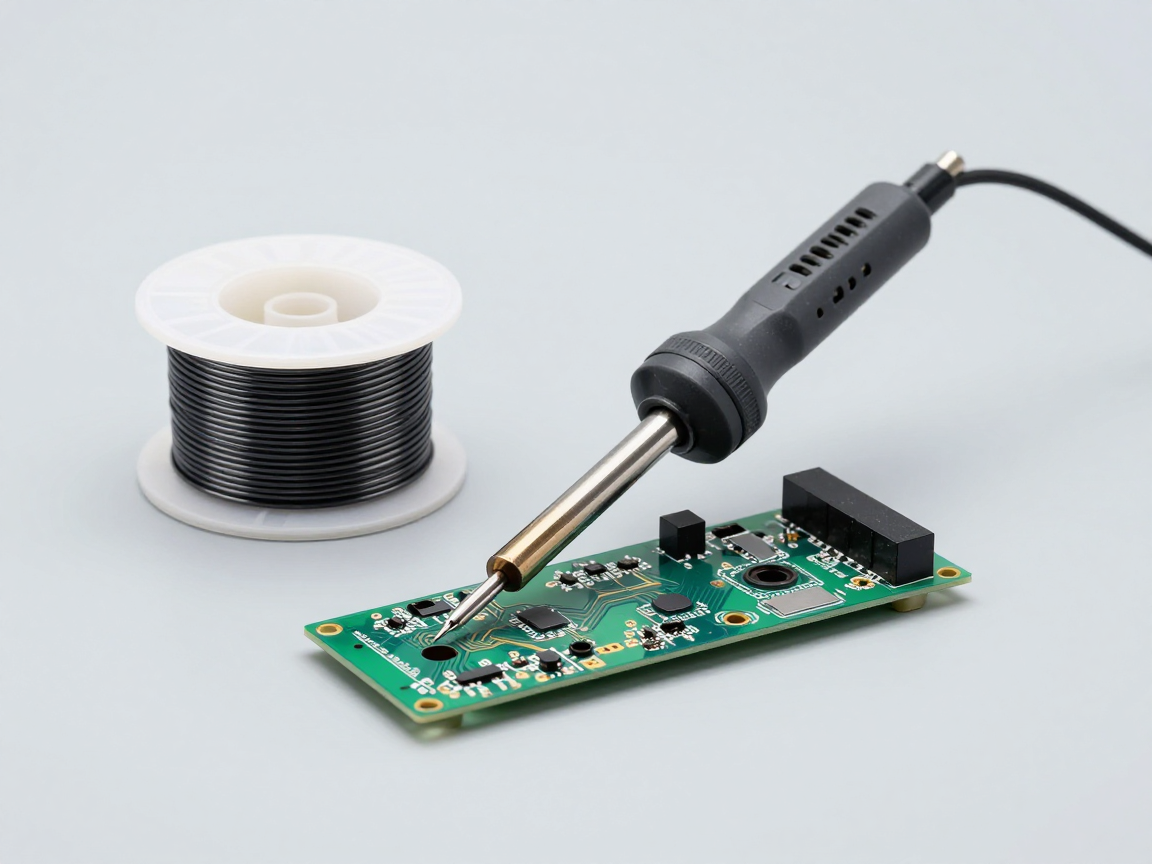
Lead in solder joints is the most common application of lead in electrical and electronic equipment: lead-tin solder alloys are easy to use, low melting temperature, flexible solder joints and low cost. When RoHS was born, the electronics industry was forced to switch to lead-free alloys on a global scale.
Three sources of lead need to be distinguished:
- Lead in solder alloy: main source, replaceable with lead-free alloy.
- Lead in tin plating: Corrosion resistant and solderable, replace with pure tin or barrier tin plating.
- Lead in base alloys and exemptions: Some lead-containing alloys are exempt at certain concentration levels, for example lead in brass alloys or aluminum alloys at permissible impurity levels.
2. Roadmap to remove lead and replace alloys
| Phase | Content | Impact on production |
|---|---|---|
| Before RoHS | Use the popular lead–tin solder alloy | Low welding temperature, stable process |
| Convert | Switch to SAC group tin–silver–copper alloy, of which SAC305 is the commonly used type | The higher the melting temperature, the thermal profile and material must be adjusted |
| Stable now | Lead-free alloys are the standard for consumer goods; Exemptions still apply for some specific applications | Controlling cross-contamination and repair materials becomes an important step |
Point to remember: exemptions for lead in solder joints still exist, but only for specific applications, usually very high-melting temperature soldering or specific product groups. No exemption shall be inferred for ordinary welds.
3. Six traps when switching to lead-free alloys
| Trap | Expression | How to handle |
|---|---|---|
| Pure tin causes filament growth | Solder joints and plating layer form tin fibers, causing short circuits in the long term | Use a suitable barrier tin plating or matt tin rather than gloss tin |
| Higher welding temperatures damage components | Plastic components deform and welds fail after changing heat profile | Calibrate thermal profile, reevaluate heat-resistant components |
| Cross-contamination on the chain | The “lead-free” batch still detected low levels of lead | Clean equipment, separate areas, check input of materials |
| Repair materials contain lead | Goods repaired before export have lead solder joints | Standardize welding supplies for both lines and repair areas |
| Misunderstanding of exemptions | Use the exemption for normal welds or use it beyond the exemption period | Review the list of exemptions by application and expiration date |
| Supplier of lead-plated components | Purchased components have plating or lead solder joints | Requires material declaration for components and periodic screening |
4. Affects reliability
| Factor | Lead alloy | SAC group lead-free alloy |
|---|---|---|
| Melting temperature | Lower | Significantly higher, thermal profile adjustment is needed |
| Weld flexibility | More flexible | Harder, need to pay attention to thermal stress |
| Weld joint design requirements | Easy to achieve | Attention should be paid to weld shape and adhesion |
| Requires production control | Lower | Higher, thermal profile and cross-contamination need to be controlled |
A consequence to note: when switching to lead-free alloys, reliability criteria must be re-evaluated, especially for products subject to vibration, high temperatures or thermal cycling.
5. Lead sources other than solder joints
| Source | Common location | Notes |
|---|---|---|
| Tin plating contains lead | Component pins, cosse heads, contacts | Replace with pure tin plating with controlled tin fibers |
| Brass alloy containing lead | Mechanical details, connectors, valves | There is an exemption for lead in brass alloys |
| Aluminum alloy and steel | Frame, shell, structural details | There is an impurity exemption level for each type of alloy |
| Glass and ceramic | Resistors, capacitors, piezoelectric materials | There are separate exemptions for some applications |
| Repair welding materials | Repair area, testing station | Is the most commonly overlooked source |
6. Frequently asked questions
Is every solder joint required to be lead-free?
Most consumer electronics must use lead-free alloys. However, there are still exemptions for some specific applications, for example welding at very high temperatures or specific product groups. Need to check the list of exemptions according to the correct application.
Is the exemption for lead in solder limited?
Yes. Waivers have expiration dates and can be renewed in stages. Therefore, businesses must monitor, the exemption cannot be considered permanent.
How do you know if a shipment is cross-contaminated with lead?
Check incoming welding supplies, clean equipment when changing, and periodically take weld samples. If lead is detected at unusually low levels, it is necessary to review the entire flow of materials in the production line and repair area.
Is pure tin plating safe?
In terms of RoHS, it is satisfactory, but it is necessary to control the phenomenon of tin filament growth. The common way is to use a nickel barrier layer underneath or use matte tin with temperature control.
Is SAC305 alloy the only choice?
Are not. There are many different lead-free alloys, each with its own trade-offs in terms of temperature, durability, and cost. The choice depends on the reliability requirements of the product.
7. Conclusion
Removing lead from the solder joint is more than just replacing a consumable: it entails thermal profile changes, reliability reassessment, cross-contamination control, and exemption management. Lead can still be present in plating, alloys and repair supplies — not just solder joints.
Three things to do: control welding supplies in both the line and the repair area; Review the list of exemptions according to the correct application and expiration date; and reassess reliability each time the solder alloy is changed.
References
- Directive 2011/65/EU and its amendments (RoHS), including Annex III on exemptions.
- The Mandate Directives update the list of exemptions and expiration dates for the period 2026–2027.
- Industry technical documents on lead-free solder alloys and tin filament growth phenomenon.
Related articles
- RoHS Annex III exemption: three delegated directives 2025/2364, 2025/1802, 2025/2363 and deadlines 2026–2027
- What happens if the RoHS exemption expires? Rules for spare parts and inventory
- Cadmium in plating and brass alloys: a little talked about RoHS hot spot
- 10 RoHS restricted substances: how do the 0.1% and 0.01% limits apply to “homogeneous materials”?
Discuss further
Disclaimer
This article is an interpretive content compiled by us; not legal advice. Enterprises need to compare relevant documents/standards verbatim before applying them to specific products.
See more: Copyright Policy & Disclaimer by ticforall.com.