The question our laboratory hears most often before an ISTA 3L test is: what do we need to prepare. This procedure covers goods sold through e-commerce, travelling as single orders to the buyer and possibly coming back because the order was returned. So the information needed is not only carton strength, but also the real journey and the return rate. The short answer is the five groups below.
1. Information about the shipment
- Outside dimensions of the parcel: length, width, height.
- Total weight with the goods inside.
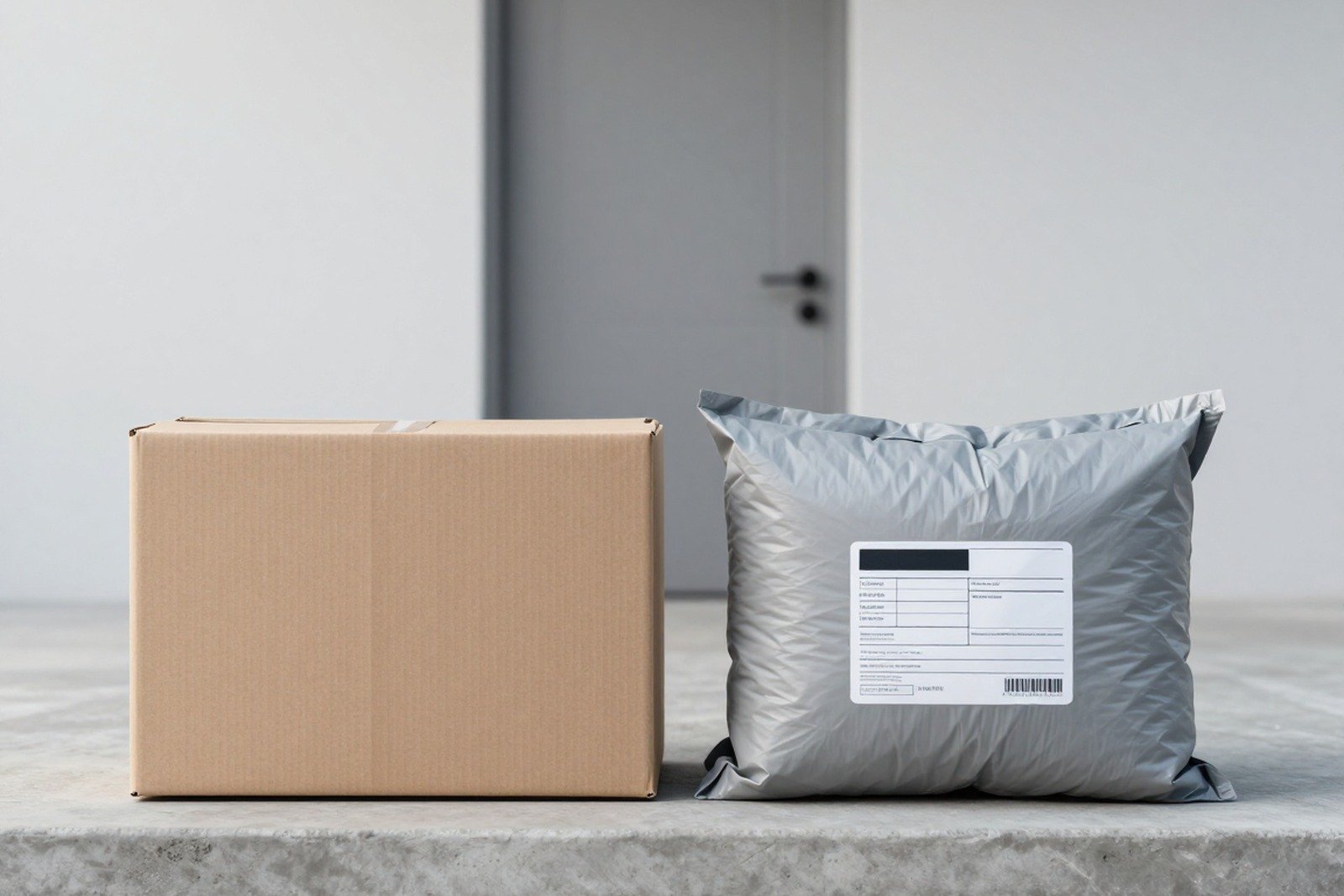
- The packaging type in use: corrugated box, paper mailer, plastic mailer, or rigid box.
- How the product is fixed inside: paper fill, bubble wrap, or left free.
- Whether the parcel is a multi-item order, meaning one order with several different products.
- Whether the shipping label is printed on the parcel or applied as a label, and whether an order code is included.
2. Information about the e-commerce journey
- Sales channel: marketplace, own website, or social commerce.
- Which sorting centres the goods pass and how many delivery legs there are.
- Whether the order is delivered to the door or to a pickup point.
- Return rate and the most common reasons for returns.
- Whether returned goods travel the whole journey again or only part of it.
- Whether there is a stage where the parcel sits overnight in a carrier hub.
3. Information about samples
- Number of parcels to test, counted across size and weight groups.
- Whether samples match the configuration sold, including labels and void fill.
- Whether multi-item parcels representing real orders must be included.
- Whether samples must be retained for comparison with production parcels.
4. Pass and fail criteria
- Acceptable product damage and acceptable packaging damage.
- Whether the parcel may be dented, creased or have lifted tape.
- Whether there are specific expectations on re-closing the parcel when a buyer returns it.
- How to inspect after the test: visual check, photos, or inspection of the product inside.
5. Reporting and timing
- A report in the laboratory template, in the language the sales channel requires.
- Photos of the parcel before and after the test, and of the product inside once opened.
- Whether the parcel drawing and material data must be supplied.
- The date the result is needed, including sample transit time.
6. Why returns are the defining feature of this channel
In traditional retail, packaging travels one way from the factory to the store. In e-commerce, part of the orders travel both ways: to the buyer and back to the warehouse. The return leg is often harsher than the outbound leg, because the parcel has been opened, the goods have been taken out, and the person closing it again is not a trained packer. If the laboratory only receives untouched parcels, the test skips the largest real risk. Our practice is to ask for the return rate and a description of how buyers re-close a parcel, so we can decide whether samples already opened and re-sealed are needed as well.
Three articles worth reading before sending samples: what ISTA 3A is, pass and fail criteria for ISTA packaging tests, and frequently asked questions on transport packaging testing.
You can send the five groups above through the form below, with photos of the real parcel and one complete packed order. The laboratory will reply with the test list and the number of samples needed.
This article reflects our testing laboratory’s experience in collecting information. It does not quote the content of the ISTA standard and does not replace reading the original standard before implementation.