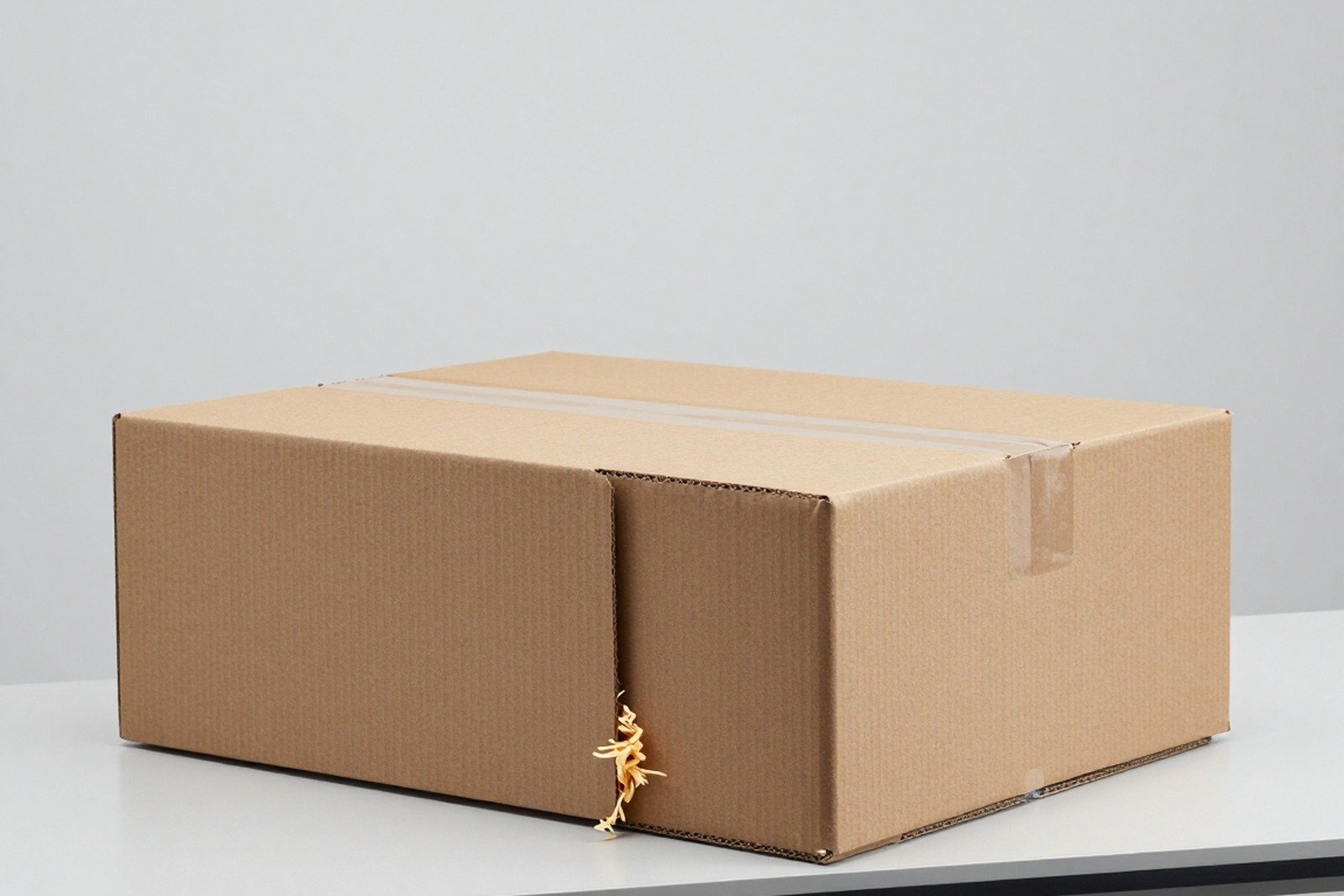
The question our laboratory hears most often before an ISTA 6-AMAZON.COM Over Boxing test is: what do we need to prepare. This programme covers goods that already have a sales carton but still need one outer box to travel through the fulfilment network. So the information needed is not only the outer box dimensions, but also the relationship between the two packaging layers. The short answer is the five groups below.
1. Information about the package
- Outside dimensions of the added outer box: length, width, height.
- Total weight of both packaging layers with the goods inside.
- The outer box type in use: how many board layers, whether vent holes are punched.
- How the inner sales carton is fixed: paper fill, air pillows, or left free.
- Whether the outer box carries the Amazon label, barcode and seller details.
- Whether the outer box is closed with tape or hot melt glue, and how many strips.
2. Information about the journey
- Which fulfilment centres the goods pass, and whether there are transfers between sites.
- How long the goods sit in an Amazon warehouse before delivery to the buyer.
- Whether there is a long-haul leg by truck or container.
- Whether the product has been returned before because the outer box was crushed, torn or came unsealed.
- Whether the seller has specific requirements on outer box condition when it reaches the buyer.
3. Information about samples
- Number of sample sets, counted as both outer box and inner sales carton.
- Whether the samples match the configuration actually sold, including paper fill and air pillows.
- Whether several product sizes share one outer box, and which sizes need testing.
- Whether samples must be retained after the test.
4. Pass and fail criteria
- Acceptable level of product damage.
- Acceptable level of damage to the inner sales carton.
- Whether the outer box may be crushed at corners or have lifted tape, since it is not the item sold.
- How to inspect after the test: visual check, photos of each face, or a re-closing trial.
5. Reporting and timing
- A report in the programme template, in English.
- Photos of the outer box and inner carton before and after the test.
- Whether the outer box drawing and material data must be supplied.
- The date the result is needed, including sample transit time if the laboratory is elsewhere.
6. Why the added layer decides the outcome
In this programme the outer box takes most of the journey input, while the sales carton only has to keep its shape and protect the goods. That creates two common mistakes. The first is using an outer box that is far too strong, which hides the real weakness of the sales carton and gives a clean result that says nothing about the risk once the outer layer is removed. The second is letting the inner carton move freely inside the outer box, so the sample takes repeated impacts and fails earlier than in reality. Both destroy the value of the report. Our laboratory therefore asks about the inner fit and the number of tape strips before accepting samples, because those two details change most often between the test sample and the real packing line.
Three articles worth reading before sending samples: what ISTA 6-AMAZON.COM Over Boxing is, how SIOC and Over Boxing differ, and what ISTA 6-AMAZON.COM SIOC is.
You can send the five groups above through the form below, with photos of the outer box, the inner carton and the way the goods are fixed. The laboratory will reply with the test list and the number of samples needed.
This article reflects our testing laboratory’s experience in collecting information. It does not quote the content of the ISTA standard and does not replace reading the original standard before implementation.