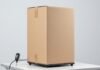
This question comes up as soon as a company prepares samples for the ISTA 6-AMAZON.COM SIOC programme: is our carton accepted as the sales carton, or do we need an outer box. It is a question about whether that carton can do two jobs at the same time: protect the goods through the journey, and carry the goods to the buyer. A testing laboratory usually needs photos and the carton drawing before answering, because the same product can follow two different programmes.
1. Four signs that a carton counts as the sales carton
- The carton is printed with brand information, product name or sales images, not left plain.
- The buyer receives the goods in that carton, with no additional outer box.
- The carton is sealed with retail packing tape, not with plastic strapping or a sack.
- The carton stands on its own and keeps its shape when stacked in a warehouse, even when humidity rises.
2. Cases that must switch to an outer box
- The product is fragile and needs cushioning that the sales carton has no room for.
- The carton is thin and its corners crush as soon as it carries a stacking load.
- The carton surface is part of the product value, so scuffing means lost value.
- The product has protruding parts or an uneven shape that is hard to fix inside the carton.
- Liquids, bottles, or products that need their own tamper seal.
3. Information the laboratory needs to confirm the carton type
- Photos of all six sides, including close-ups of the lid and the base.
- The drawing or print file actually used for mass production.
- Material data: number of board layers, paper grade, flute type.
- How the inside is packed: cushioning, dividers, air pillows, or the product placed bare.
- The shipping label and barcode that will be applied when the carton is sold.
4. Common mistakes when deciding on your own
- Sending a printed prototype carton made from thinner paper than the production carton.
- Changing printer or flute structure after the test and not testing again.
- Adding air pillows or foam to the test sample but skipping them on the real line.
- Using a carton printed with Amazon labels while selling through another channel, so the report does not match.
5. Effect on the result and the report
- If the carton is not eligible as a sales carton, the result under this programme cannot be used with the platform.
- The report must match the product code and the carton actually sold.
- A gap between the test sample and mass production is the most common reason a report is queried.
- Keep photos and a retained sample for comparison if a complaint comes later.
6. Why the carton type must be settled before sending samples
A test is priced by sample count, sample waiting time and machine time. Settling on the wrong programme means paying twice for the same product and waiting another round for new samples. Our habit is to ask three questions before accepting samples: is this carton printed with the brand, does the buyer receive this exact carton, and does the production carton match the sample. If any answer is no, the sensible move is an outer box rather than forcing a weak carton into the SIOC programme.
Three articles worth reading before deciding: what ISTA 6-AMAZON.COM SIOC is, what ISTA 6-AMAZON.COM Over Boxing is, and how SIOC and Over Boxing differ.
You can send photos of all six carton sides and the print drawing through the form below. The laboratory will confirm which programme applies and how many samples are needed.
This article reflects our testing laboratory’s experience in collecting information. It does not quote the content of the ISTA standard and does not replace reading the original standard before implementation.