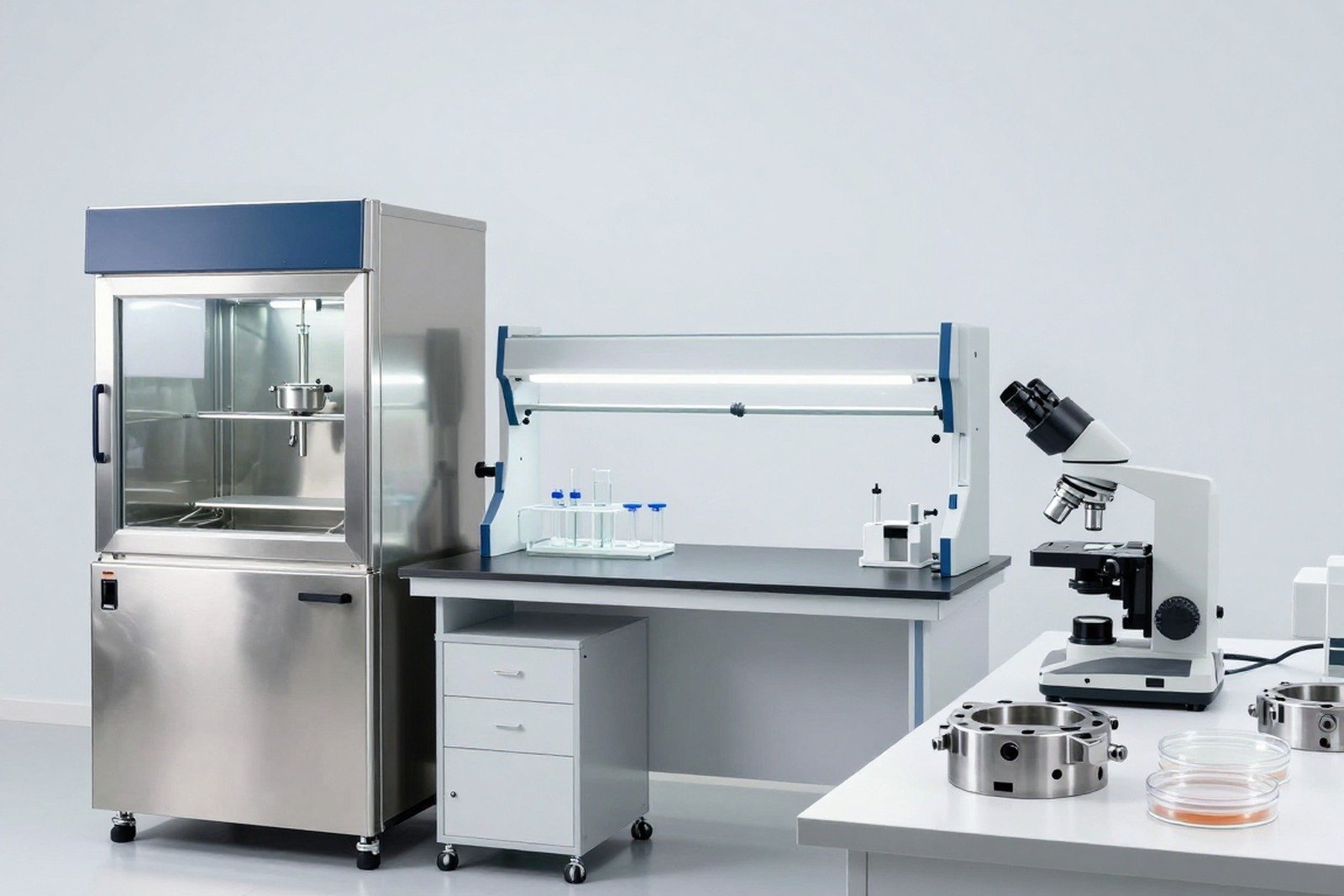
In the automotive and electronics industries, there are batches of components that are returned not because of a wrong dimension or wrong material, but because a particle of dirt smaller than a human hair lands exactly on a sensitive spot. To control that risk, the German automobile industry developed a set of documents VDA 19 — technical cleanliness: how to determine, measure and accept the level of particulate contamination on “functionally influential” parts.
At present the set of documents comprises: VDA 19.1 (check – analyze) and VDA 19.2 (assembly), running in parallel with the international standard ISO 16232. VDA 19.1 alone has gone through many revisions, the latest being 3rd revision of February 2026 — version in effect.
1. What is technical cleanliness?
Technical cleanliness is the level of particulate contamination of a part or system small enough so as not to cause functional impairment in the short and long term. “Clean” here does not mean absolutely clean — no component is absolutely clean — but rather so clean that the remaining particles do not cause harm for the correct function of that component. This unavoidable contamination is often called residual dirt particles (Restschmutz).
The problem only emerges as functional tolerances shrink: valve clearances are smaller, electrical connections are closer together, voltages are higher. A metal particle of a few tens of micrometers between two contacts can cause a short circuit; Hard particles in the oil line cause pump wear.
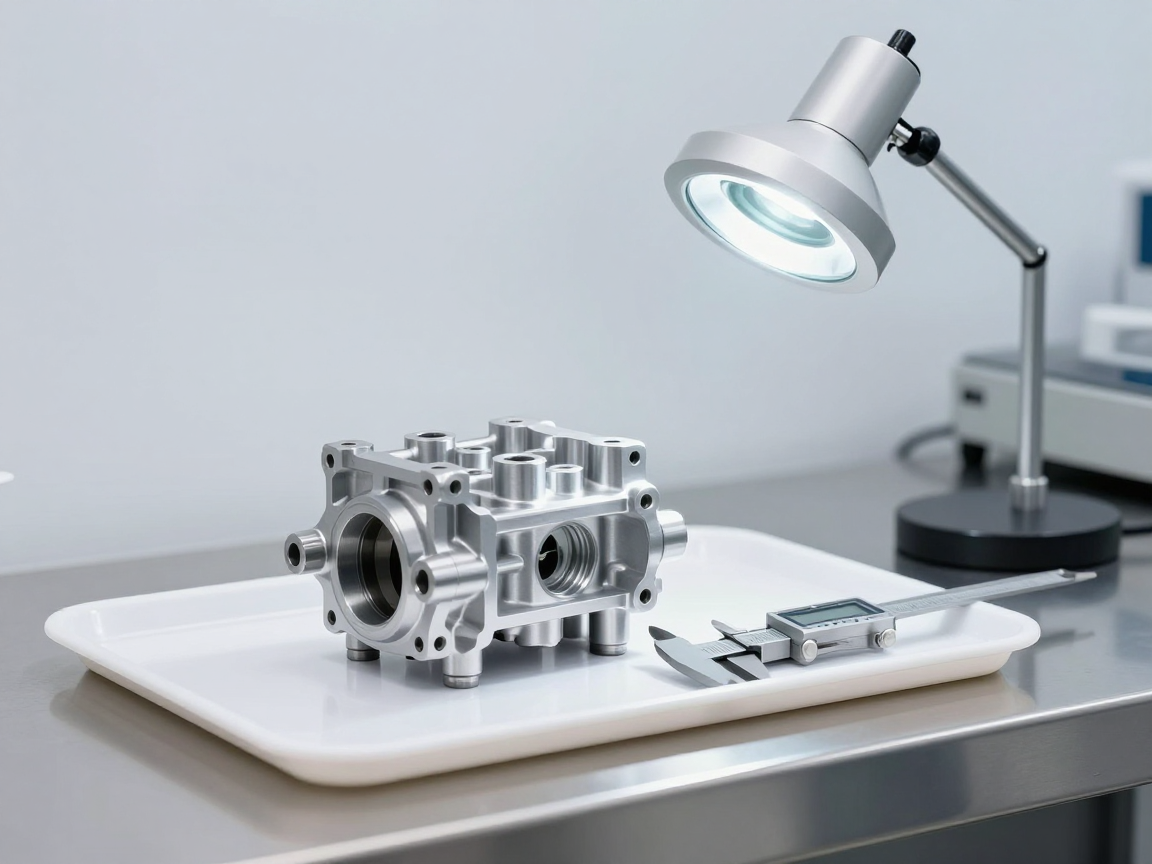
2. What is VDA 19 and who publishes it?
VDA stands for Verband der Automobilindustrie, the German Association of the Automotive Industry. Its technical documents are issued by VDA QMC (Quality Management Center) and published within the same system as familiar publications such as VDA 6.3 or FMEA AIAG & VDA.
The VDA 19 set originates from real damage cases: since the early 1990s, anti-lock braking systems (ABS) and direct diesel injection systems have proved highly sensitive to residual dirt particles, prompting manufacturers to standardise how cleanliness levels are set. The TecSa industry alliance was founded in 2001 and is chaired by the Fraunhofer IPA Institute (Stuttgart).
- VDA 19, version 1 (2004): Establish extraction methods, analytical methods and how to document results.
- VDA 19 part 2 – VDA 19.2 (version 1, 2010): Shifting focus to the assembly environment: factory, logistics, people and assembly equipment.
- VDA 19.1 (revised version, May 2015): Clearly separate the testing and analysis part from VDA 19.2 (assembly).
- VDA 19.1 (3rd revision of February 2026): Current version, fully reviewed from February 2023 to May 2025.
3. How do VDA 19.1 and VDA 19.2 differ?
The two documents complement each other, solving two halves of the same problem:
| Content | VDA 19.1 | VDA 19.2 |
| Focus | Check and analyse sampled components in the laboratory | Clean production, clean assembly, environmental control |
| Question answered | “How many particles on the component, of what type, what size?” | “How to prevent particles from entering or being generated in the procedure?” |
| Results | Define cleanliness limits and report measurement results | Clean zones classified by level, preventive measures by stage |
VDA 19.2 divides clean zones by level: uncontrolled area (SaS0), clean area (SaS1), medium clean room (SaS2) and clean room (SaS3) — clean room level refers to the ISO 14644 standard set. This is the basis for designing the factory according to product cleanliness requirements.
4. How do VDA 19.1 and ISO 16232:2018 relate?
ISO 16232, launched in 2007, is the corresponding international version of VDA 19, and thanks to the participation of the German mirror subcommittee, two sets of documents were developed to compatible with each other. ISO 16232:2018 consolidates the content into one document: “Road vehicles — Cleanliness of components and systems”.
The scope of ISO 16232:2018 is also the actual scope of work:
- Regulations required Apply and file Method for determining particulate contamination on components and systems that affect the function of road vehicles.
- Used for: initial inspection, incoming and outgoing goods inspection, quality control and monitoring processes related to cleanliness (cleaning, surface treatment, assembly).
- No Applies to: filmy contamination such as oil and grease; Non-quantifiable methods (visual inspection, wiping with a towel); operating fluid characteristics.
- Do not set a limit value for a specific component or system. The required level of cleanliness depends on the part itself, the system containing it, the conditions of use and technological capabilities; The document has an appendix with instructions for deducing limits.
In fact, requirements are often stated directly in drawings or customer’s internal standards (many automakers and Tier 1 have their own standards using VDA 19.1/ISO 16232 as the basis). If the customer does not specify, both parties should agree in writing before testing – the worst thing is to have different understandings of the extraction method, because different methods give different numbers on the same part.
5. What does VDA 19.1 specify?
- Cleanliness specification: Allowable levels of contamination, tied to specific measurement methods — there is no universal norm.
- Extraction method: How to remove particles from the surface of the part, using liquid or gas.
- Membrane filtration: Collect the extracted particles on the filter membrane for weighing or screening.
- Analysis: Determine particle mass, number of particles according to each size class and particle type.
- Display results: Uniform presentation of norms and results in the quality chain, so that “clean codes” on drawings can be compared between suppliers.
- Conditions to ensure results: Control background values, laboratory environment, equipment and personnel capacity.
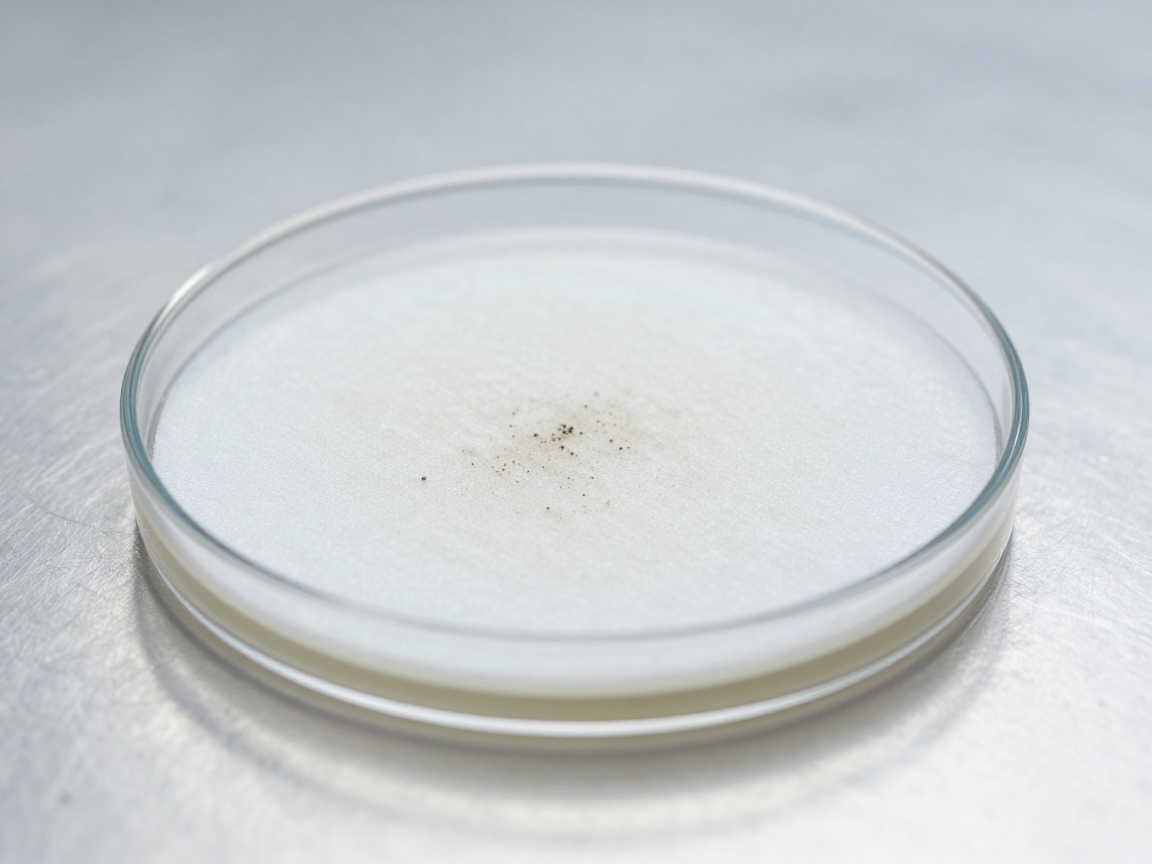
6. What harm do particles cause — and why electronics matter too
Groups of particles are often distinguished: lint, fiber, non-metallic particles, metallic particles and abrasive particles (corundum, sand, glass beads). Traditionally, technical cleanliness has focused on particles in the 15–1,000 µm range; The 2026 revision puts greater emphasis on describing and testing particles smaller than 50 µm.
With mechanical components, dirty particles cause jamming, abrasion, and blockage of paths. With circuit boards and electrical and electronic components, the damage mechanism is different but no less serious — so the German Electrical and Electronics Industest Association (ZVEI) has its own guidelines on technical cleanliness in electrical engineering:
- Conductive metal particles: bridge between two points of different potential → short circuit, discharge; Over time, the particles oxidize, causing the conductivity to change.
- Non-metallic particles and fibers: Increased surface polarity, stronger hygroscopicity; In the presence of moisture or condensation may result electrochemical migration (ECM) and leakage current between high-density component pins.
- High voltage equipment (electric vehicles, power electronics): The requirements are much stricter — the conductive particle size must be less than half of the circuit’s minimum electrical distance and must not violate the safe air/creep clearance.
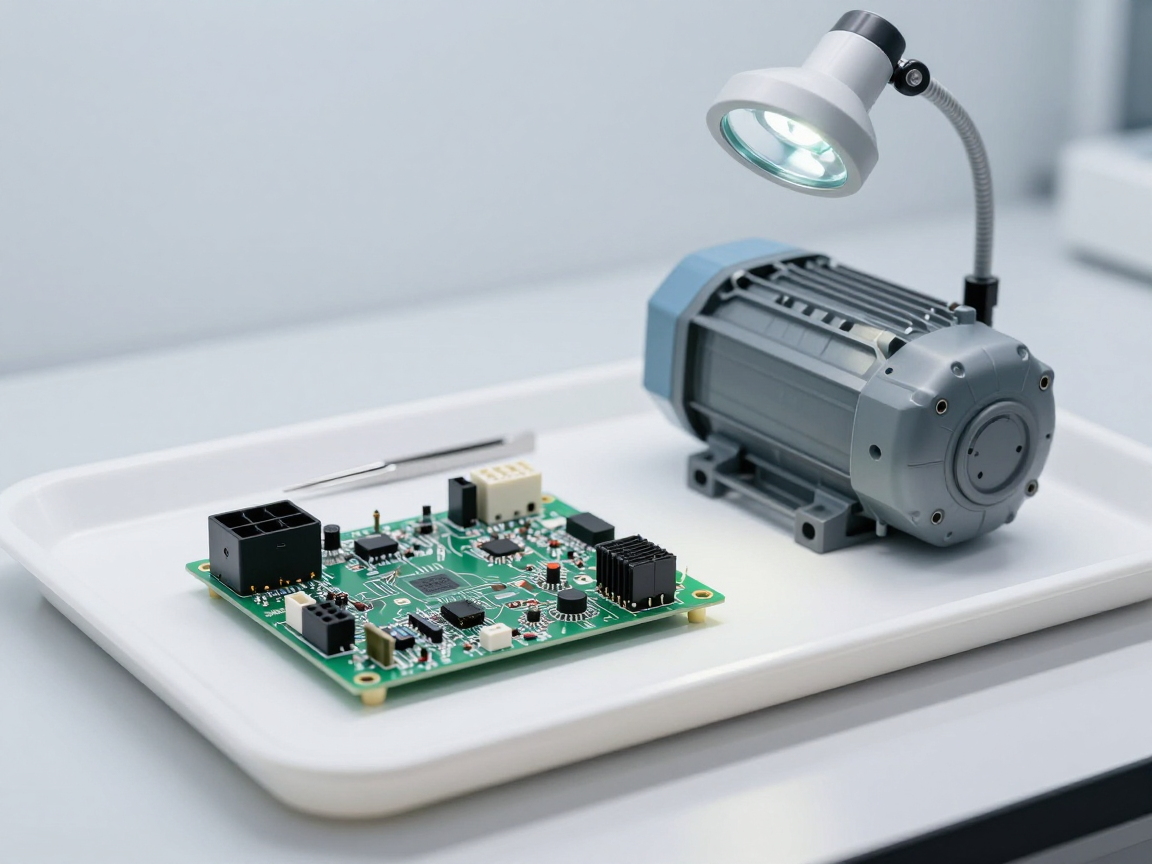
7. What is new in the February 2026 revision of VDA 19.1?
According to the official publication description of VDA QMC, this revision (implemented from February 2023 to May 2025) sets the main goals:
- Add new dry extraction methods and analytical techniques — expands inspection capabilities for components that cannot be extracted with liquids (gas components, connectors).
- Keep standard analysis so that results can be compared between laboratories, At the same time, it allows specialized testing for each problem within a defined requirements framework.
- More accurately describes the testing of particles smaller than 50 µm — groups of particles that were previously often outside the normal counting range but are very dangerous for high-density electrons.
- Standard SEM/EDX analysis with uniform material layers — so that the determination of “is this particle a metal, a mineral, or a fiber” reaches the same conclusion in every laboratory.
Notably, the new version is not only for laboratory use but is also suitable for quality assurance, design – development and supplier management; direction Monitor cleanliness according to the procedure (instead of just final testing) is pushed to a more central role.
8. Which manufacturers need to care?
- Automobile component manufacturers: pumps, valves, injectors, brakes, gearboxes, bearings, sensors, electronic modules — groups of components that influence function.
- Manufactured houses and Tier 1: must receive clean product from the supplier and maintain cleanliness up to the point of installation.
- Electronics and electric vehicle businesses: high-density circuit boards, connectors, power electronics — susceptible to conductive and lipophilic particles.
- Enterprises exporting to EU/Germany: Requirements often come from the customer’s internal standards, using VDA 19.1 as the basis.
- The factory is handling the problem: Repeated errors that are difficult to explain, goods returned after end-of-line inspection — cleanliness analysis and particulate material identification are traceability tools.
9. Common misconceptions
- “Cleanliness means not seeing dust” — the eye can only see particles from a few dozen micrometers or more, while the error threshold of electronics can be much smaller.
- “Just reach ISO 14644 and you’re done” — the cleanroom class only describes the environment, saying nothing about the particles located on details. If you want to prove that parts are clean, you must measure them in detail.
- “Just a total volume number” — particle mass does not differentiate between metal particles and lint; In many cases, particle type analysis is required.
10. Frequently asked questions
Is the 2015 edition of VDA 19.1 still valid?
The February 2026 version, revised 3rd, is the current version. However, if the customer still writes “VDA 19.1 (2015)” on the drawing, that is the standard and method agreed upon by both parties – need to agree again in writing before changing the version.
Does VDA 19.1 set particle limits per component type?
No. Neither VDA 19.1 nor ISO 16232:2018 assign limits to a specific component. Limits are established by the customer and supplier based on function, clearance, voltage and conditions of use.
Where do suppliers in Vietnam encounter VDA 19.1?
The most common is when foreign customers submit requests with drawings, or when the factory has to investigate repeated errors; Next is when preparing to evaluate the supplier and need to demonstrate particle control capabilities.
11. Conclusion
VDA 19 is the German auto industry’s way of turning “cleanliness” from a feeling into a measurable technical criterion. VDA 19.1 takes care of the inspection – analysis part, VDA 19.2 takes care of the assembly – environment part, and ISO 16232:2018 is the compatible international version.
Three things to remember: cleanliness standards are tied to each detail and do not have a general threshold; Results are only meaningful when associated with the agreed extraction method; and with electronics – electric vehicles, particles smaller than 50 µm are the risk area being focused on in the February 2026 revision. The next step is to choose the right method — the accompanying article content.
References
- VDA QMC — Volume 19.1: Inspection of Technical Cleanliness. Particulate contamination of functionally relevant automotive components, 3rd revision of February 2026.
- VDA QMC — Volume 19 Part 2: Technical Cleanliness in Assembly, version 1, 2010.
- ISO 16232:2018 — Road vehicles — Cleanliness of components and systems (scope of application section and appendix guiding the construction of limits).
- ZVEI — instructions Technische Sauberkeit in der Elektrotechnik (technical cleanliness in electrical engineering).
- Fraunhofer Institute IPA (Stuttgart) — thematic document on technical cleanliness (TecSa).
- CleanControlling GmbH — technical documentation and newsletter on VDA 19.1 2026 release.
- Wikipedia (German) — article Technische Sauberkeit (overview with citations).
Related articles
- Technical Cleanliness Testing per VDA 19.1: 7 Steps from Cleanliness Specification to Result
- What is IEC 60068? Structure of the Environmental Testing Standard Set and How to Read Test Codes
- How IEC 60068 Differs from MIL-STD-810, ISO 16750, ISTA and IEC 60529
- Cross Section in Automotive and Medical Devices: How the Requirements Differ
- Two Laboratories, Two Different Results: Why?
Talk to us
Disclaimer
This article is an interpretive content compiled by us; not legal advice. We do not have the original VDA 19.1, so the article is based on public sources listed in the “Referencess” section; Enterprises need to compare the verbatim standards and internal standards of customers before applying them to specific products.
See more: Copyright Policy & Disclaimer by ticforall.com.