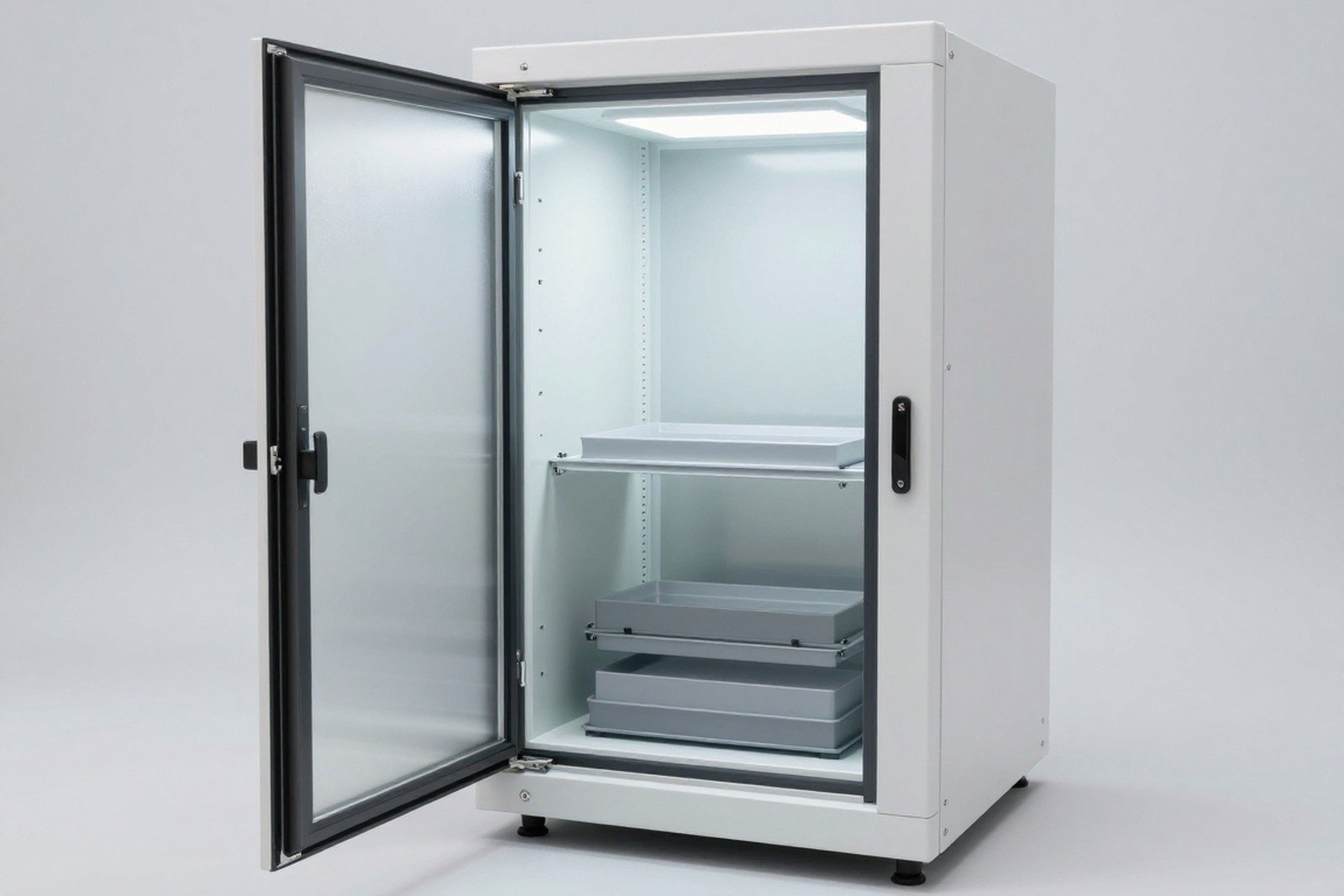
Test A (Cold) according to IEC 60068-2-1 is the most basic test in the standard, but also the most mislabeled test: most documents only state “cold test” without mentioning the Ab or Ae variation — while these two variations lead to different implementation and testing methods.
This article explains the purpose of the cold test, the difference between Ab and Ae, the procedure for performing it, and the factors that determine the test result.
1. What question does Experiment A answer?
The cold test evaluates the product’s ability to operate and/or survive at low temperatures. Specific questions include:
- Does the product still start and operate properly at low temperatures?
- Does the material crack, become brittle, shrink or lose elasticity?
- Are lubricants, gaskets, glues, soft materials still functional?
- Are electrical connections affected when materials shrink at low temperatures?
Wide range of applications: electrical and electronic equipment, components, assemblies, materials and finished products. This is also a commonly used test to evaluate the ability to withstand transportation and storage in cold climates.
2. What is the difference between Ab and Ae?
| Characteristics | Ab | Ae |
|---|---|---|
| Main goal | Evaluate the product at completely cooled temperature (thermal stability) | Evaluate the product during cooling down and at low temperatures, with functional testing during the changeover period |
| Time to test functionality | Check after the sample has stabilized temperature, measurement can be done right in the chamber | Check during cooling (continuous measurement or at specified time) |
| Device requirements | Just need the cold chamber to reach and keep the temperature | Needs a measuring system that operates at low temperatures and continuously monitors |
| Typical application | Equipment inventory, transportation, start-up after cooling | The device must operate even when the temperature is falling, e.g. outdoor equipment |
Practical consequence: if Ab is required, the results do not demonstrate the behavior of the product during cooling. If Ae recording is required, the results cannot be substituted for a prolonged thermal stability test.
3. Procedure for performing a cold test
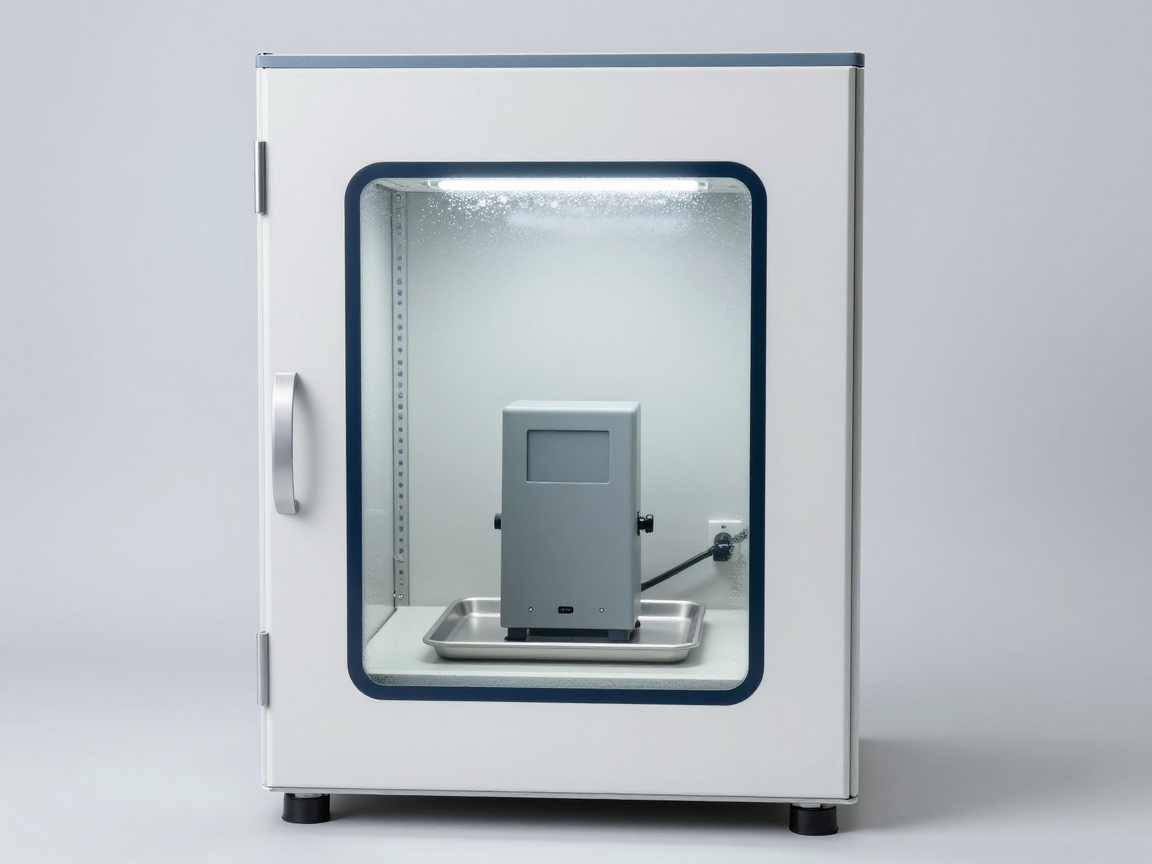
- Initial stability: Bring the sample to standard conditions according to regulations, check appearance and function to establish a benchmark.
- Sample mount: Place the sample in the chamber in a manner that simulates usage or regulatory conditions; Avoid mounting that changes the heat exchange ability of the sample.
- Heat reduction: Lower the chamber temperature to the specified level. Some requirements specify the rate of cooling; need to be complied with if any.
- Maintain: keep the temperature at the specified level for the specified time, enough for the sample to reach thermal equilibrium (not just enough for the chamber to reach temperature).
- Function test: carried out according to Ab (after stabilization) or Ae (during cooling), according to agreed criteria.
- Recovery: Bring the sample to standard conditions and allow specified recovery time before final inspection.
- Conclusion: Compare with the initial milestone according to the set criteria.
4. Severity and duration
IEC 60068-2-1 gives a range of temperatures and times to choose from, without imposing a single level. In practice, common levels for industrial and electronic equipment include deep negative values that vary depending on the application — temperate regions, cold regions, cold storage or aerospace applications. The choice of level must come from the usage environment (see article Select the environmental test according to the usage environment) and must be clearly stated in the request.
| Factors to record | Why is it important? |
|---|---|
| Low level temperature | Decide on the severity level and which materials are affected |
| Maintenance time | Make sure the sample reaches thermal equilibrium, not just the chamber reaches temperature |
| Heat reduction rate | Effects on thermal stress and results with welds and joining materials |
| Sample status | To power or not to power; loaded or not |
| Time of inspection | In the chamber or after recovery; conclusion decision |
5. Factors that determine test results
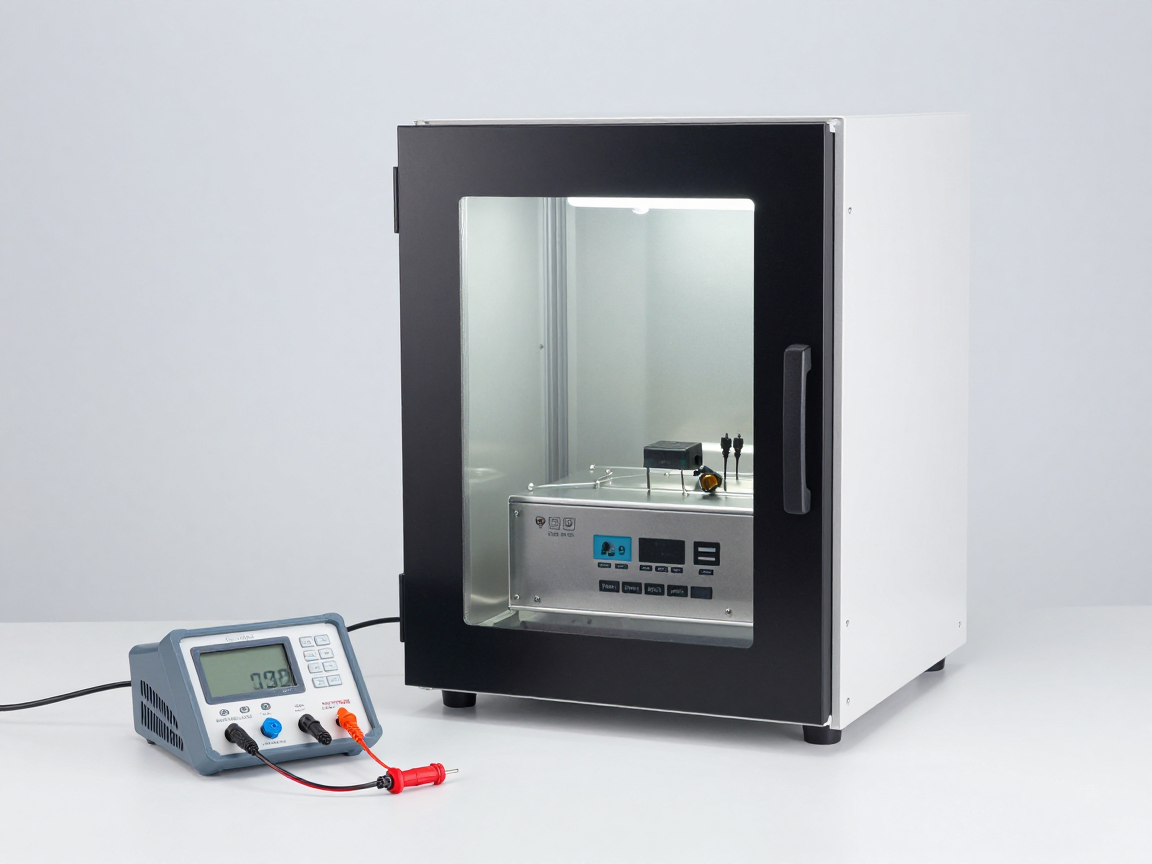
- Mass and material of sample: Large samples with many metals need longer time to reach thermal equilibrium.
- Sensor location: The sensor must be mounted in a representative location, not just a convenient location.
- Self-heating: The device has a self-heating power supply, causing the actual temperature of the sample to be higher than the chamber temperature.
- How to mount: Metal supports can conduct heat and change the cooling rate of the sample.
- Chamber tightness and chamber sensor location: affects temperature uniformity.
- Check appearance before testing: Without pre-test photos, it is not possible to prove that the crack is due to the test.
6. Common errors
- Write “cold test” without writing Ab/Ae — the results do not match the requirements.
- Conclusion as soon as the chamber reaches temperature, not enough time for the sample to reach thermal equilibrium.
- Do not record the power supply status of the sample — results are not reproducible.
- Check function after sample has returned to room temperature, Missing errors that only appear at low temperatures.
- Not checking appearance before and after, leading to disputes about the origin of the damage.
- Skip recovery, causes moisture condensation to affect results and measuring equipment.
7. Frequently asked questions
Does cold testing require power supply for the sample?
Depends on the goal. Test in a de-energized state to assess the ability to endure and survive; Test with power supply to evaluate operability. Many programs try to do both states.
How do we know that the sample has reached thermal equilibrium?
Monitor temperature at representative points on the sample; When the temperature is stable (changes within the allowable range), it is considered satisfactory. Do not rely solely on the time the chamber has been at temperature.
What is the lowest temperature that should be chosen?
There is no common value. Choose according to the actual usage environment, customer requirements or the level specified by industry standards, then clearly state the basis.
Can cold testing detect weld defects?
It is possible, especially when incorporating temperature change cycles. The steady-state cold test itself causes little cyclic stress, so it does not fully represent the risk of weld cracking.
Can multiple samples be tested at the same time in one chamber?
Yes, as long as temperature uniformity is ensured and all samples reach thermal equilibrium. It is necessary to record the location of each sample and the temperature data at that location.
What to do if the sample becomes wet after cold testing?
This is a common condensation phenomenon when the sample leaves the chamber. Need to be handled according to control procedures so as not to change the functional test results — see the article Moisture condensation after the cold chamber.
8. Conclusion
Test A is only valid when three information are recorded correctly: variation (Ab or Ae), temperature level and holding time, and sample state when tested. If one of the three is missing, the result cannot be compared with the request and is susceptible to being asked to retry.
Three things to do: clearly define the evaluation goal (existence or activity) to choose the right variation; Monitor the temperature at a representative point on the sample to demonstrate thermal balance has been reached; and create a profile of before and after photos.
References
- IEC 60068-2-1 — Test A: Cold, including Ab and Ae.
- IEC 60068-1 — General provisions and guidance.
- IEC 60068-3-1 — Guidelines for cold and dry heat testing.
- IEC 60068-3-5 and 3-7 — Validation of temperature chamber capacity and measurements in loaded chambers.
- TCVN 7699-2-1 — Corresponding national version.
Related articles
- Test B (Dry heat): dry heat test according to IEC 60068-2-2, Bb and Bd
- N test: temperature change according to IEC 60068-2-14 (Na, Nb)
- Load cold/hot test: how to place the sensor and measure sample temperature according to IEC 60068-3-7
- How to Read IEC 60068 Test Designations: Ab, Bb, Nb, Db, Cab, Fc, Fh, Ea, Ka
Discuss further
Disclaimer
This article is an interpretive content compiled by us; not legal advice. Enterprises need to compare relevant documents/standards verbatim before applying them to specific products.
See more: Copyright Policy & Disclaimer by ticforall.com.