Quick summary
- IEC 60529 is the international standard that defines the IP code — the degree of protection an enclosure provides against ingress of solid objects and water.
- The code has two digits: the first for solids (0–6), the second for water (0–9, with 9K in the automotive standard).
- A higher digit does not mean “better for every case” — each level corresponds to a different test condition.
- IP says nothing about service life, seawater, salt mist, condensation or resistance to dynamic pressure.
A Bluetooth speaker sold in Vietnam often carries “IPX7” on the box. A surveillance camera reads “IP67”. An industrial cabinet reads “IP54”. The three look alike, but they are not measured on the same scale of difficulty, and they do not mean what most buyers think.
For product teams, the IP code is one of the most misunderstood specifications. The reason is not technical complexity: the code describes test conditions, not lifetime or real-world safety.
This article explains IEC 60529 from the ground up: how the code is built, which test each digit corresponds to, what the standard does not say, and which lines to check when reading an IP test report.
1. What IEC 60529 is
IEC 60529 is titled Degrees of protection provided by enclosures (IP Code). It is published by the International Electrotechnical Commission and falls under technical committee TC 70 (degrees of protection provided by enclosures).
Three points to grasp:
- Scope: enclosures of electrical and electronic equipment with a rated voltage up to 72.5 kV, together with their protective parts.
- Purpose: to classify protection against (a) ingress of external solid objects and (b) ingress of water causing harm.
- Edition in common use: IEC 60529:1989 consolidated with amendment 1 (1999) and amendment 2 (2013), usually cited as edition 2.2. The second numeral for high-pressure, high-temperature water jets (level 9) was added by amendment 2.
One distinction matters: IEC 60529 defines a degree of protection, not tightness. A hermetic device and a device that “passes IP68” are two different things, measured by two different methods.
2. How the code is built
A complete IP code reads: IP + first digit + second digit + (optional) additional letter + (optional) suffix.
| Element | Example | Meaning |
|---|---|---|
| Prefix | IP | International Protection (commonly read as Ingress Protection) |
| First digit | 6 | Protection against ingress of solid objects |
| Second digit | 7 | Protection against ingress of water |
| Additional letter | A, B, C, D | Protection of persons against contact with hazardous parts |
| Suffix | H, M, S, W | Supplementary test conditions (high voltage, moving parts, stationary, weather) |
For example, IP67 means dust tight (6) plus temporary immersion (7). IPX7 means no declared protection against solids, only water level 7. The X is not “level 0”; it means “not applicable” — a point that causes frequent mistakes when comparing two products.
3. First digit: protection against solids
| Level | Protection | Test object |
|---|---|---|
| 0 | No protection | — |
| 1 | Solid objects ≥ 50 mm | Back of hand |
| 2 | Solid objects ≥ 12.5 mm | Finger |
| 3 | Solid objects ≥ 2.5 mm | Tool, wire |
| 4 | Solid objects ≥ 1.0 mm | Fine wire, small parts |
| 5 | Dust protected | Talc dust; a small amount may enter but not cause harm |
| 6 | Dust tight | Talc dust; no ingress |
Levels 5 and 6 are not “level 4 made stronger”: they change in nature from probing with a gauge to testing inside a talc dust chamber. Level 6 differs from 5 in that the sample is subjected to a slight vacuum during the test, creating a pressure difference that checks real sealing.
4. Second digit: protection against water
| Level | Test condition | Practical meaning |
|---|---|---|
| 0 | No protection | — |
| 1 | Vertical dripping | Small flow falling straight down |
| 2 | Dripping with 15° tilt | Tolerates a tilted position |
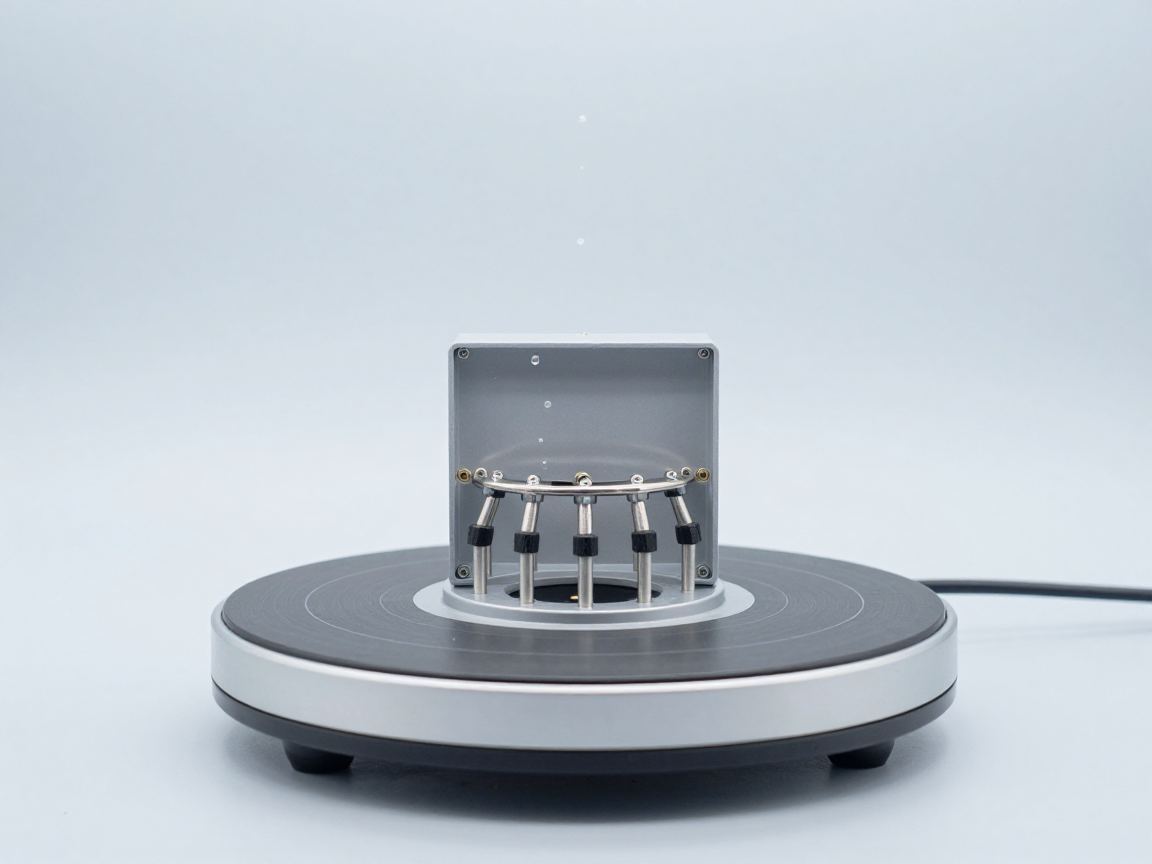
| 3 | Spraying ±60° | Light rain, mist |
| 4 | Splashing from all directions | Heavy rain, splash from the road |
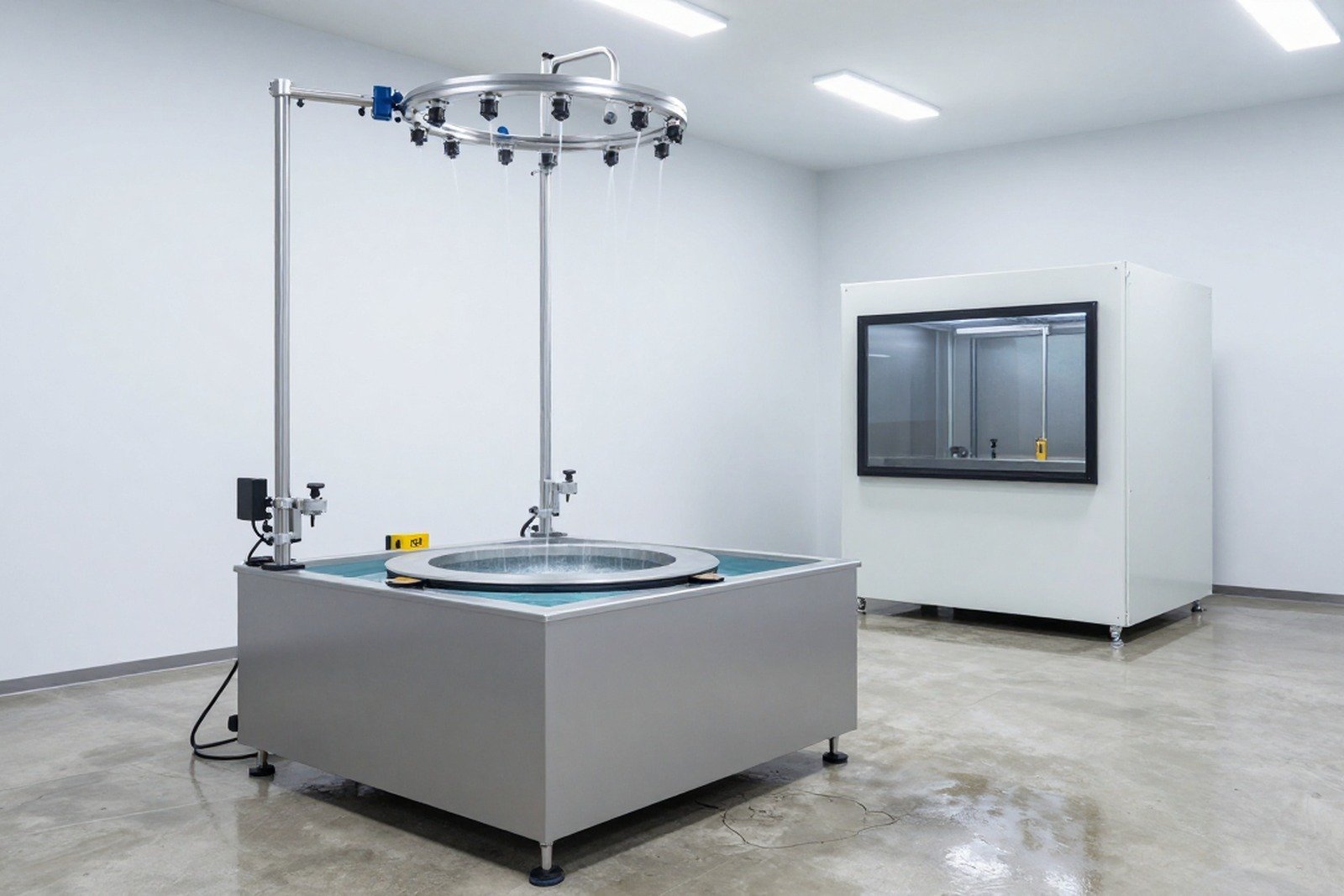
| 5 | Water jet (6.3 mm nozzle) | Washing with a normal hose |
| 6 | Powerful water jet (12.5 mm nozzle) | Waves, strong washing |
| 7 | Temporary immersion | Dropped into water, short immersion |
| 8 | Continuous immersion | Regular operation under water — conditions by agreement |
| 9 / 9K | High-pressure, high-temperature jets | Vehicle washing, food processing lines |
Two notes. First, levels 7 and 8 are not automatically ordered by difficulty: level 8 has no fixed parameters in the standard; the manufacturer and the requester agree them (for example 5 m for 60 minutes). Second, level 9 in IEC 60529 and the 9K marking used for road vehicles (per ISO 20653) have different parameters, even though both describe high-pressure jets.
5. Additional letters and suffixes
| Symbol | Meaning |
|---|---|
| A | Protection against access with the back of the hand |
| B | Protection against access with a finger |
| C | Protection against access with a 2.5 mm tool |
| D | Protection against access with a 1.0 mm wire |
| H | High-voltage apparatus |
| M | Tested with moving parts in motion |
| S | Tested with moving parts stationary |
| W | Weather conditions included |
Additional letters are often dropped from contracts, and that is where disputes start: the same IP54 with suffix M and without it are tested in two different operating states.
6. Typical test parameters
| Level | Main parameters | Duration |
|---|---|---|
| IPX1 | Flow 1 mm/min | 10 minutes |
| IPX2 | Flow 3 mm/min, 15° tilt, four orientations | 2.5 minutes each |
| IPX3 / IPX4 | About 0.07 L/min per nozzle, 50–150 kPa, ±60° (level 3) or ±180° (level 4) | 5 minutes, or 10 minutes with oscillating tube |
| IPX5 | 6.3 mm nozzle, about 12.5 L/min, 30 kPa, 2.5–3 m from the sample | At least 3 minutes |
| IPX6 | 12.5 mm nozzle, about 100 L/min, 100 kPa, 2.5–3 m from the sample | At least 3 minutes |
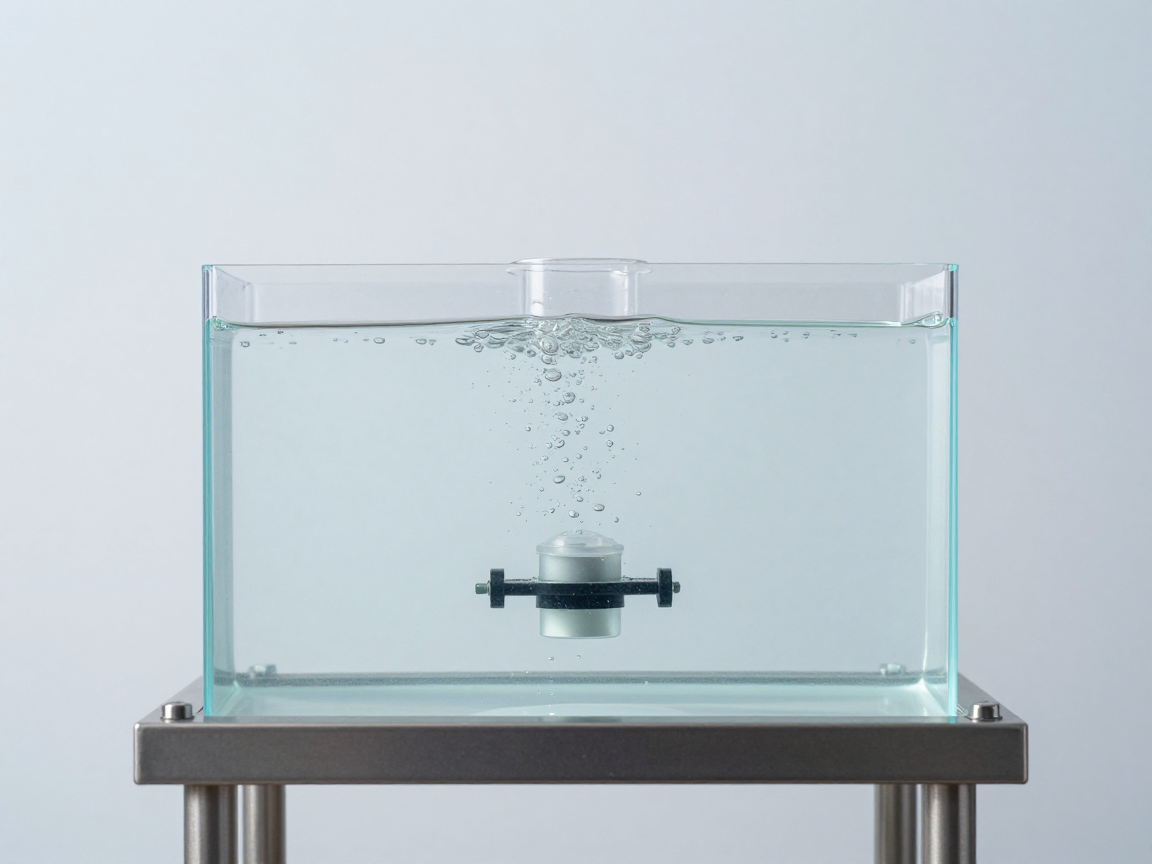
| IPX7 | Immersion, lowest point of the sample 1,000 mm below the surface | 30 minutes |
| IPX9 | Water about 80 °C, 80–100 bar, 14–16 L/min, four angles 0°/30°/60°/90° | 30 seconds per angle |
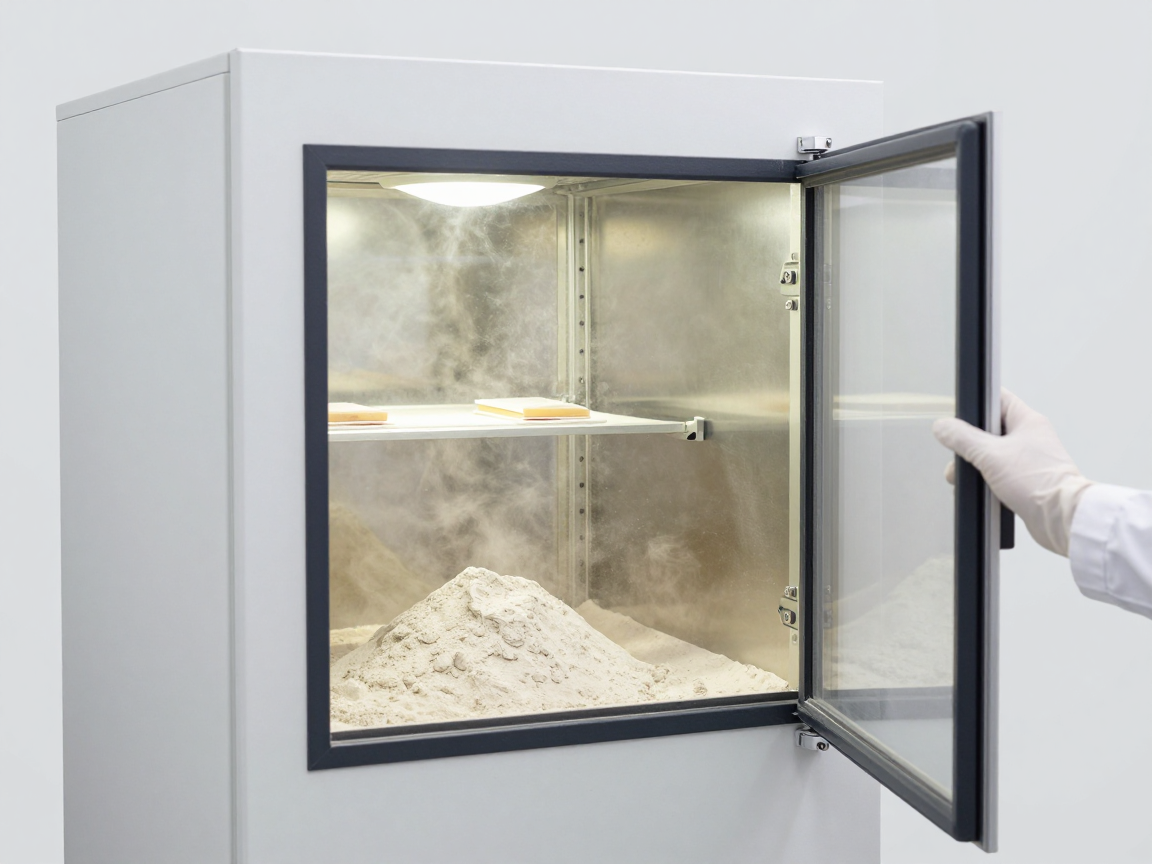
| IP5X / IP6X | Fine talc dust, about 2 kg/m³; level 6 with slight vacuum | 8 hours |
The values above are typical parameters in the standard. When writing a test plan or a contract clause, check them against the edition of IEC 60529 in force, because amendments can change tolerances and arrangements.
7. What IEC 60529 does not say
This is the most important part for buyers, because it explains why an “IP68” product can fail after a few months of use:
- Nothing about time: the IP code is the result of a short test, not a lifetime. A gasket that ages in six months still passed IP68 when new.
- Nothing about seawater or salt mist: the test uses clean water. Salt corrosion belongs to other standards, such as salt fog testing.
- Nothing about dynamic pressure: static immersion at 1 m is not the same as being hit by waves or dropped into water while moving.
- Nothing about condensation: moisture condensing inside the enclosure is a thermal-humidity cycling issue, not an IP issue.
- Nothing about chemicals: solvents, oils and cleaning agents can degrade seals without any IP test detecting it.
An IP report therefore has value only when it states: the complete IP code, the standard number with year, the sample state (operating or not) and the date of testing relative to production.
8. IP and the standards it is confused with
| System | Nature | When it applies |
|---|---|---|
| IEC 60529 | IP code; ingress of solids and water | Default for civil electrical and electronic equipment |
| NEMA 250 | Enclosure types by service environment (indoor, outdoor, corrosion resistant) | North American market; no one-to-one conversion to IP |
| ISO 20653 | IP for road vehicles, with the K suffix | Automotive and motorcycle parts |
| MIL-STD-810 | Environmental test methods: 506.5 rain, 510.5 sand and dust, 512.5 immersion | Defence customers or multi-environment requirements |
These four systems do not replace each other. A device may need IP67 under IEC 60529 and a rain test under MIL-STD-810 if the customer cites both. Details on 810 are in What is MIL-STD-810, and a comparison table is in How IEC 60068 differs from MIL-STD-810, ISO 16750, ISTA and IEC 60529.
9. Why IP68 is not “fully waterproof”
IP68 combines two digits, the second of which is “8” — continuous immersion under conditions agreed between parties. The standard itself gives no depth and no duration. One product marked IP68 may have been tested at 1.5 m for 30 minutes; another at 5 m for 60 minutes. Same marking, different severity.
The practical consequence: when ordering or auditing a supplier, the right question is “IP68 under which conditions, and on which line of the report”, not “does it pass IP68”.
10. Choosing a level by installation site
| Location | Usual level | Reason |
|---|---|---|
| Indoors, closed cabinet | IP20 – IP40 | Contact protection and coarse dust only |
| Indoors, damp or near water | IP44 – IP54 | Possible splashing |
| Outdoors, sheltered | IP54 – IP55 | Dust and wind-driven rain |
| Outdoors, unsheltered | IP65 – IP66 | Heavy rain, hose washing |
| Coastal, temporary flooding | IP66 + IP67 | Both strong jets and short immersion; consider corrosion |
| Handheld devices used outdoors | IP65 – IP67 | Dropped in puddles, rain |
| Devices operating under water | IP68 with stated conditions | Depth and duration must be agreed |
This is a starting point only. The level must follow the product’s real environment, and should be considered together with complementary tests such as corrosion, vibration and thermal shock — IP alone does not prove field durability.
11. Reading an IP test report
- The complete IP code, including additional letters and suffixes where present.
- The standard number with year (for example IEC 60529:1989 + AMD2:2013).
- The actual test conditions: flow, pressure, distance, water temperature, depth, duration.
- The sample state: powered and operating during the test, or not.
- The acceptance criteria: permitted water ingress, inspection points, definition of damage.
- A conclusion per level, not one line saying “passes IP67”.
Frequently asked questions
Is IP68 higher than IP67?
Not on a single scale. Level 7 has fixed conditions (1 m for 30 minutes); level 8 is agreed between parties. A sample can pass level 8 under milder conditions than level 7 if the contract says so. Always read the conditions.
What is the difference between IPX7 and IP67?
IP67 adds a first digit of 6 — dust tight. IPX7 declares only the water level; the X means no declared protection against solids. For outdoor equipment, IP67 has more practical meaning than IPX7.
Can an IP67 product be used in the rain?
Yes, but IP67 is not a warranty for every rain condition. Level 6 of the second digit is the strong jet test; level 7 is static immersion. Rain with strong wind and splash from the road is a combination the code does not fully describe.
Does IP testing damage the sample?
Usually not destructively, but samples must be opened and inspected after immersion or dust testing, and some cases require disassembly. Send spare samples, as with any other test.
How long does it take to get results?
It depends on how many levels are tested. A single water level is often a one-day job; a combination of IP65 + IP67 + IP68 takes longer, and level 8 requires agreeing the conditions before testing. The usual delay is the missing agreement on level 8, not missing equipment.
Conclusion
IEC 60529 is a standard about test methods, not about durability. The IP code tells you which test the sample passed and under what conditions — nothing more.
For manufacturers, three steps follow: state the complete code with the standard year in the technical file; require reports that show the test conditions; and stop using the code as a substitute for corrosion, ageing and thermal cycling assessment.
The immediate next step is to review current labels and sales documents and match every IP code to a test report. Any code that was never tested is a legal risk, not only a technical one.
References
- IEC 60529, Degrees of protection provided by enclosures (IP Code) — 1989 edition consolidated with amendment 1 (1999) and amendment 2 (2013).
- ISO 20653, Road vehicles — Degrees of protection (IP Code).
- NEMA 250, Enclosures for Electrical Equipment.
- MIL-STD-810H, methods 506.5, 510.5 and 512.5.
Related articles
- What is MIL-STD-810? Structure, 29 test methods and how to choose
- How IEC 60068 differs from MIL-STD-810, ISO 16750, ISTA and IEC 60529
- Confirmation of heat-humidity chamber capacity according to IEC 60068-3-6
Talk to us
Disclaimer
This article is our own interpretation; it is not legal advice. Readers should check the official text of the standard before applying it to a specific product.
See also: Copyright Policy & Disclaimer of ticforall.com.