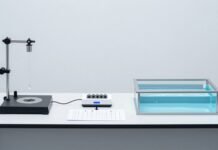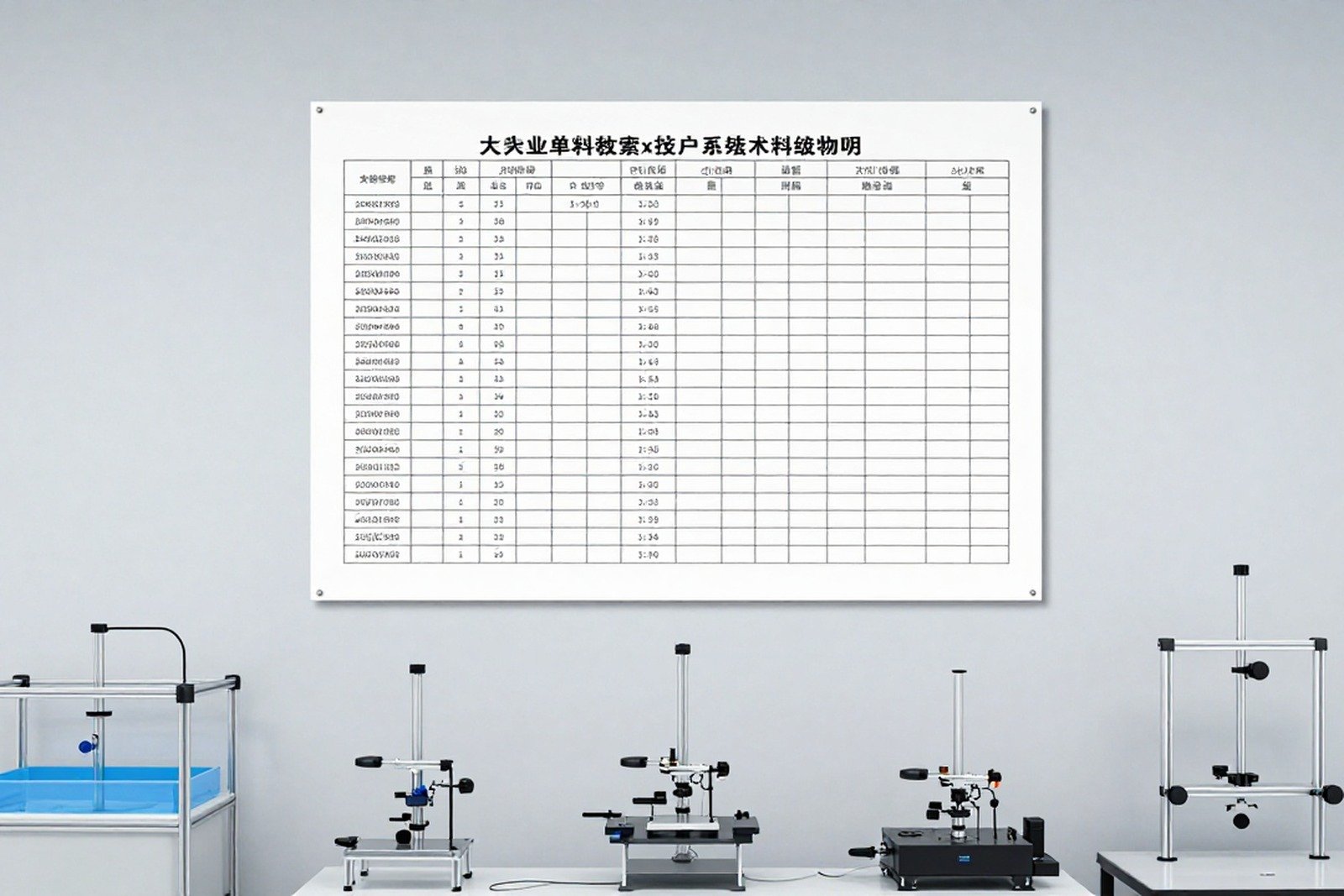
Reference page — the complete table of the ten water levels IPX0–IPX9K and the seven solid-object levels, with test conditions, pass criteria and links to the detailed article for each level.
- Two digits, two different stories: the first digit covers solids, the second covers water. Many documents look up only the second digit and draw the wrong conclusion.
- Levels 8, 9 and 9K have no fixed conditions — they must be read from the agreement; the table cannot tell you.
- One level cannot be inferred from another: passing IPX7 does not mean passing IPX5, and vice versa.
- This page is for looking up, not for choosing on the customer’s behalf. Level selection must start from the real service environment.
How to use this table
An IP code is IP + first digit + second digit. The first digit (0–6) covers protection against solid objects; the second digit (0–9) covers protection against water. The letter X in either position means that property was not tested or is not being claimed.
Three steps when looking up:
- Decide what the product must be protected from: settling dust, blowing dust, dripping water, sprayed water, immersion, or high-pressure washdown.
- Find the matching level below and read the test conditions — the conditions decide whether the product can actually be used there.
- Read the detailed article for that level before writing it into a contract, because every level has its own common errors.
Table 1 — Ten water levels
| Level | Core condition | Duration | Pass criteria | Detailed article |
|---|---|---|---|---|
| IPX0 | No protection | — | — | covered in the pillar article |
| IPX1 | Vertical dripping, 1 mm/min | 10 min | No harmful ingress | IPX1–IPX4 |
| IPX2 | Dripping, enclosure tilted 15°, 3 mm/min | 10 min × 4 positions | No harmful ingress | |
| IPX3 | Spraying, oscillating tube ±60° or nozzle with shield, 12.5 l/min | 10 min | No harmful ingress | |
| IPX4 | Splashing, oscillating tube ±180°, 12.5 l/min | 10 min | No harmful ingress | |
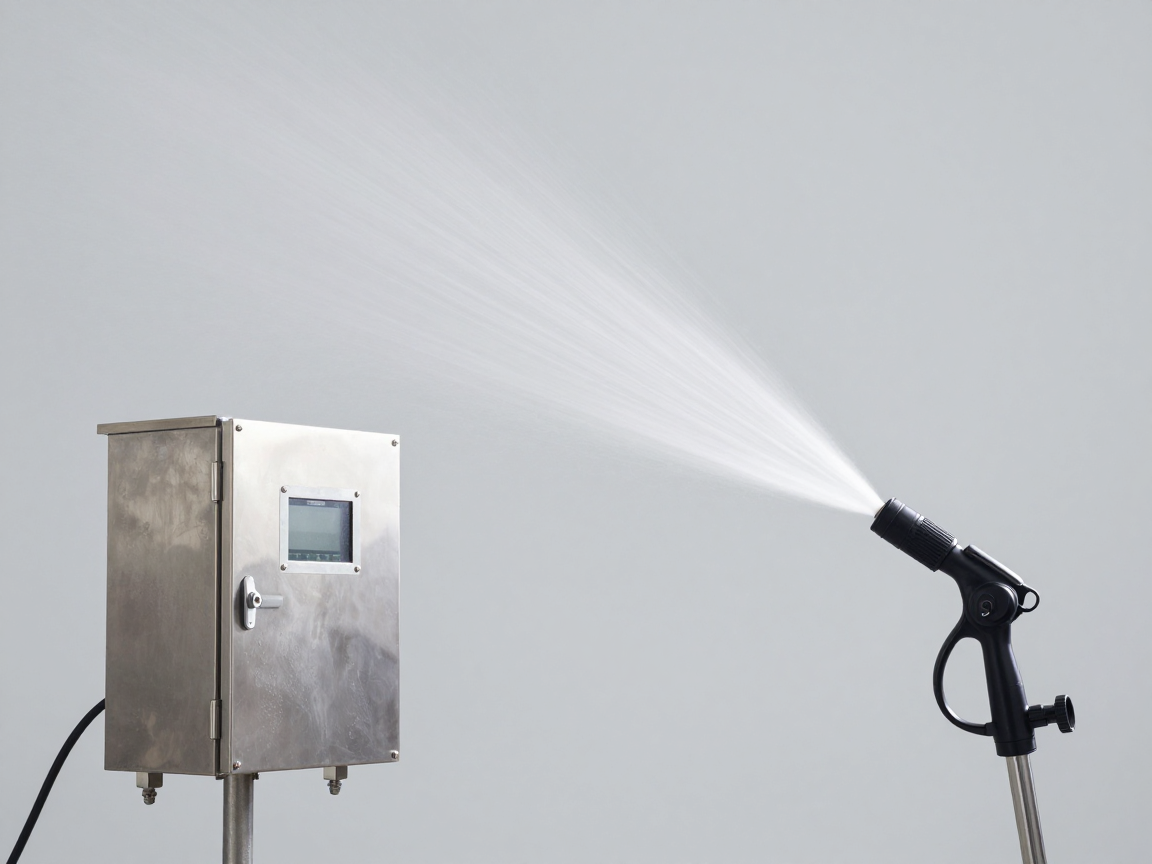
| IPX5 | Jet, 6.3 mm nozzle, 12.5 l/min, at 2.5–3 m | 1 min/m², min 3 min | No harmful ingress | IPX5–IPX6 |
| IPX6 | Jet, 12.5 mm nozzle, 100 l/min, at 2.5–3 m | 1 min/m², min 3 min | No harmful ingress | |
| IPX7 | Immersion, lowest point of the enclosure 1 000 mm below the surface; temperature difference ≤ 5 K | 30 min | No harmful ingress | IPX7 |
| IPX8 | Continuous immersion — depth and duration by agreement | By agreement | By agreement | IPX8 |
| IPX9 | High-pressure, high-temperature jets — by agreement | By agreement | By agreement | IPX9 / IPX9K |
| IPX9K | 80–100 bar, 80 °C water, 10–15 cm, four angles 0°/30°/60°/90° | 30 s per angle | No harmful ingress |
Note on IPX9K: this level belongs to ISO 20653 (electrical equipment on road vehicles), not to IEC 60529. Writing “IP69K” is valid; writing “IP69” is not.
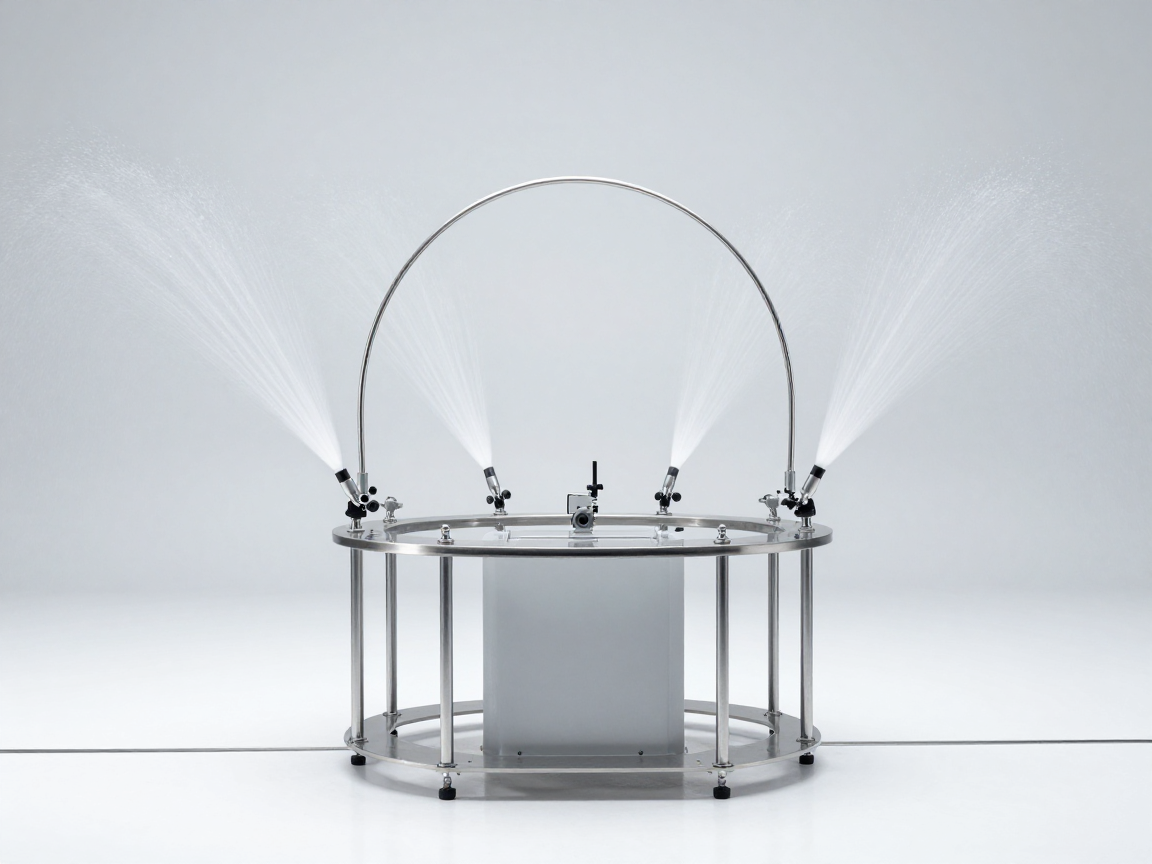
Table 2 — Seven solid-object levels
| Level | Name | Condition | Detailed article |
|---|---|---|---|
| 0 | No protection | — | pillar article |
| 1 | Protected against solid objects > 50 mm | Spherical probe | |
| 2 | Protected against solid objects > 12.5 mm | Finger, probe | |
| 3 | Protected against solid objects > 2.5 mm | Wire, tool | |
| 4 | Protected against solid objects > 1.0 mm | Thin wire, nail | |
| 5 | Dust protected | Dust may enter but must not cause harm | IP5X / IP6X |
| 6 | Dust-tight | No dust deposit |
On the limits of level 6, see Is IP6X really dust-tight — particles below 1 µm still get in on the air flow.
Table 3 — Three levels the table cannot resolve
| Level | Why the table is not enough | What to do |
|---|---|---|
| IPX8 | No fixed depth and duration | State both in the contract, and print them on the label |
| IPX9 | Conditions are agreed | State pressure, temperature, distance, duration |
| IPX9K | Has defined figures but belongs to ISO 20653 | Do not convert to IEC 60529; cite the correct system |
Table 4 — Choosing a level by service environment
| Environment | Usually sufficient | Why |
|---|---|---|
| Indoor, dry, settling dust | IP5X or IP6X (no second digit needed) | No water, only dust to block |
| Indoor, damp, possible dripping | IPX1–IPX2 | Water falls vertically or on a tilted surface |
| Outdoor under a canopy | IPX3–IPX4 | Spray and splash, but no immersion |
| Outdoor, exposed, heavy rain | IPX4–IPX5 | Wind-driven rain, stronger splash |
| Hosed down: garden, construction site | IPX5–IPX6 | Direct jet |
| May fall into water, short immersion | IPX7 | 1 m / 30 min |
| Wearables used in water | IPX8 (with conditions) | Longer, deeper — must be agreed |
| Food plant, high-pressure washdown | IPX9K | Hot, high-pressure jet at close range |
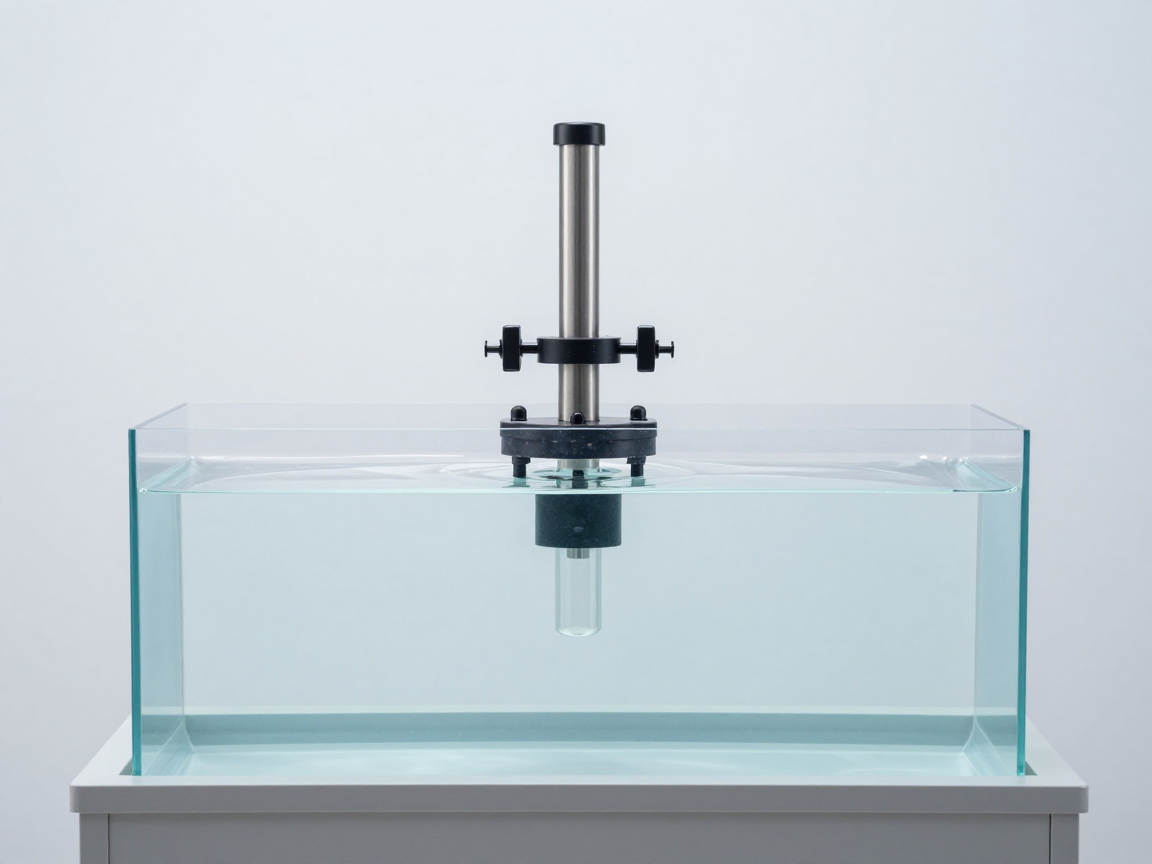
Table 5 — Five mistakes when using the table
| Mistake | Reality |
|---|---|
| Looking only at the second digit | IPX7 and IP67 are two different claims about dust |
| Inferring one level from another | Passing IPX7 does not imply IPX5 or IPX6 — different failure mechanisms |
| Assuming a higher number is always better | IPX8 does not “include” IPX7; IPX9K says nothing about immersion |
| Settling the level from the table without the real environment | Too high a level wastes money, too low a level fails in the field |
| Using this table instead of a test report | The table explains; the evidence must be a test report |
Frequently asked questions
Which level is the highest?
There is no “highest” in the sense of covering everything. IPX9K withstands high-pressure jets but promises nothing about prolonged immersion; IPX8 survives deep immersion but not a pressure jet. Each level tests a different failure mechanism.
Is IP68 the best level for a phone?
IP68 is a common claim but must be read with the level 8 conditions — depth and duration as published by the manufacturer. See the IP68 article for seven common misunderstandings.
If it passes IPX7, does it pass IPX5?
No. IPX5 uses a jet at 2.5–3 m, loading gaskets differently from static immersion pressure. To claim IPX5 you must test IPX5.
Can this table be used for non-electrical products?
Yes, where buyer and seller agree to apply the spirit of IEC 60529. But state it in the contract, since the standard is written for electrical enclosures.
What if we want to claim several levels at once?
You need a report for each level, and each must be stated separately on the label. A combined “IPX5/6/7” means nothing — see the article on writing IP codes on labels.
Read next
The table tells you which conditions belong to which level. These four articles cover what the table cannot:
- Why IP67-rated devices still fail in the field — dynamic pressure, thermal cycling, gasket ageing.
- Preparing IP test samples — charging ports, covers, speaker mesh.
- Drop test before or after the IP test — why the order changes the result.
- IP versus NEMA 250 and MIL-STD-810 — when a customer speaks a different language.
Conclusion
The table is only useful together with two other things: the test conditions and the real service environment. The same “IPX6” row can be the right choice for site equipment and an expensive over-spec for an indoor device.
The practical way to use it: define the environment first, look up the level, read the article for that level to learn its pitfalls, and only then write it into the test request and the contract.
References
- IEC 60529 — degrees of protection (IP code): level definitions and test conditions.
- ISO 20653 — degrees of protection for electrical equipment on road vehicles (including IP69K).
- NEMA 250 — enclosure types for the North American market (for reference only).
Related articles
- What is IEC 60529? The IP code explained
- Is IP68 really waterproof? Seven misunderstandings
- IPX7: immersion at 1 m for 30 minutes
- IPX5 and IPX6: 6.3 mm versus 12.5 mm nozzles
- IPX1–IPX4: drip, spray and splash
- IP5X and IP6X: the talc dust test
- Is IP6X really dust-tight?
- IPX8: why there is no standard level
- IP69K: high-pressure washdown
- Why IP67-rated devices still fail in the field
Talk to us
Disclaimer
This article is our own interpretation; it is not legal advice. The figures in the tables are summarised from the standards; readers should check the official text before applying them to a specific product.
See also: Copyright Policy & Disclaimer of ticforall.com.