
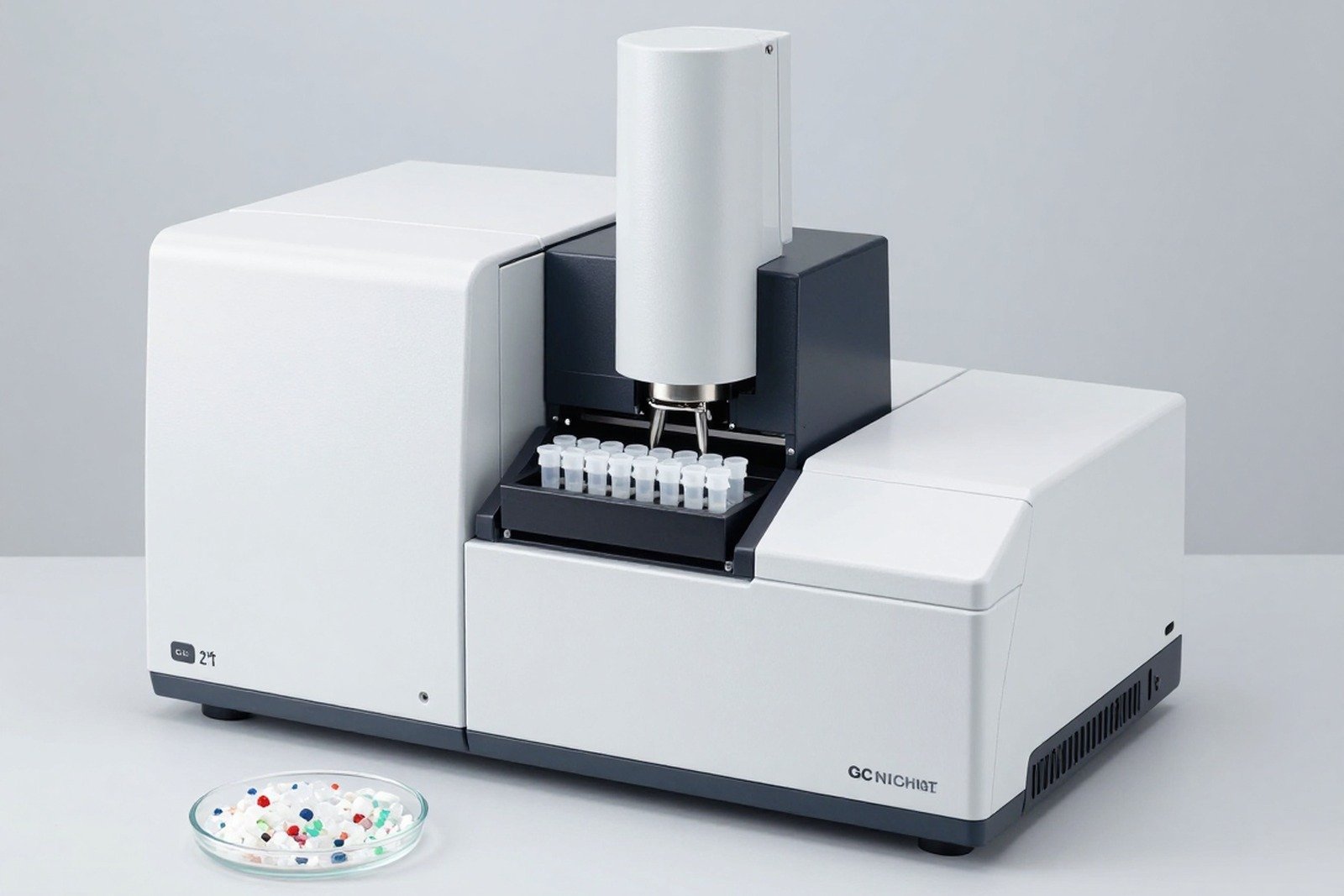
In RoHS’s list of 10 restricted substances, PBB (polybrominated biphenyls) and PBDE (polybrominated diphenyl ethers) are two groups of organic brominated flame retardants. What makes these two groups special in reality: they often appear in recycled plastic, and XRF — the familiar screening device — cannot distinguish them from other brominated flame retardants that are not banned.
To conclude about PBB/PBDE, it is necessary to use chemical methods: Gas chromatography-mass spectrometry (GC-MS). This article explains the principles, why recycled plastic is a hot spot, and the analytical traps you need to know.
1. What are PBB and PBDE, why are they limited?
PBB and PBDE are the organic brominated flame retardants (brominated flame retardants – BFR), once commonly used in plastics of electronic devices to reduce the risk of fire. They are persistent, bioaccumulative and toxic, so they are limited by RoHS 0.1 mass %. in homogeneous material.
| Group | Nature | Analytical notes |
|---|---|---|
| PBB | Biphenyl with bromine attached | Less common in practice today |
| PBDE | Diphenyl ether with bromine attached | Consists of many “clusters” (congeners) differing in number and position of bromine atoms |
Since each group consists of many congeners, the result is usually calculated as total by group (total PBB, total PBDE) and compared to the limit of 0.1 %. This is why the report does not just record one number, but records each congener and then adds up.
2. Why cannot be concluded by XRF
XRF measurement total bromine — it “sees” the bromine atom, but doesn’t know which compound the bromine is in. Meanwhile, bromine is present in many substances not restricted by RoHS, for example:
- TBBPA (tetrabromobisphenol A) and other brominated flame retardants — not in the PBB/PBDE category.
- Some other additives and bromine compounds in plastics.
Very important consequences: “High Br” on XRF is not synonymous with a PBB/PBDE violation. That’s just a signal that needs to be tested further by GC-MS. On the contrary, some low Br cases still need to be evaluated according to the risk material group. Testing for total bromine at screening level can be performed by sample combustion – ion chromatography (IEC 62321-3-2), but the conclusion of PBB/PBDE must still be by GC-MS (IEC 62321-6).
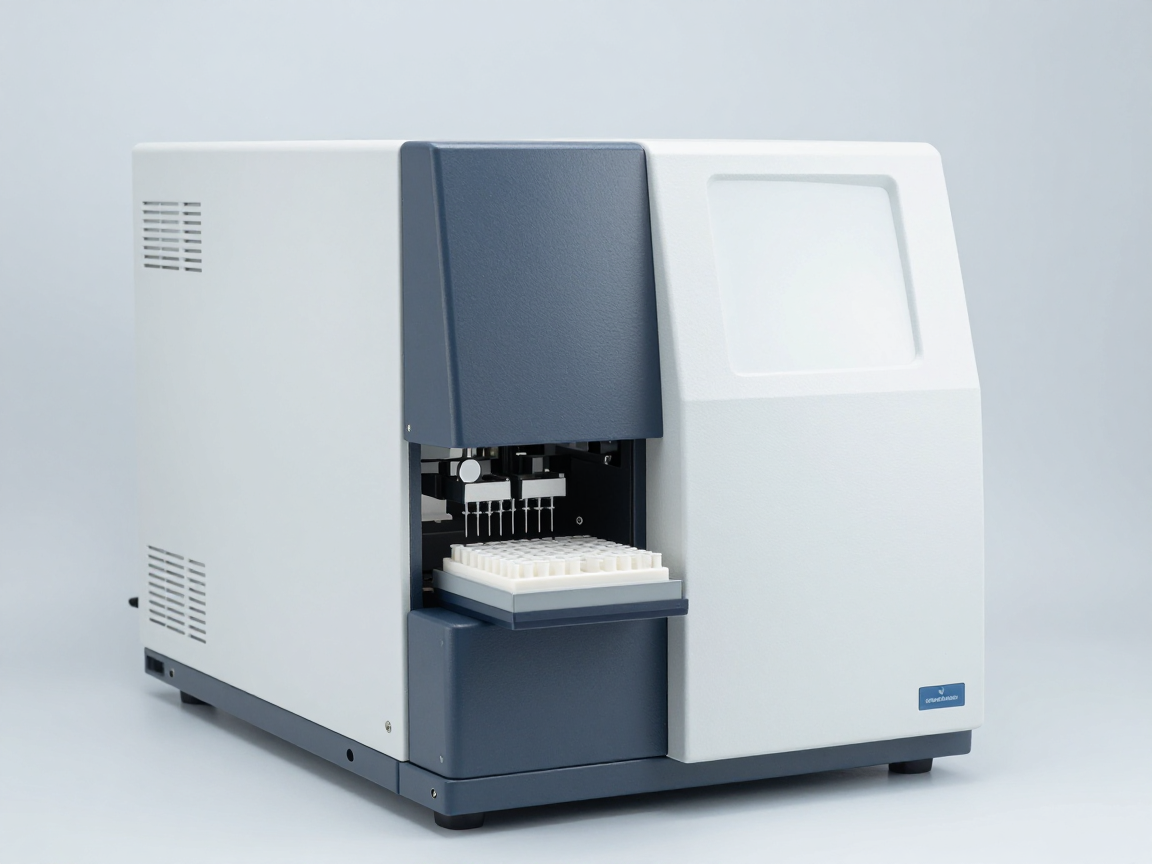
3. How does GC-MS analyze PBB/PBDE?
The process includes four stages:
- Sample extraction. Extract PBB/PBDE from the resin matrix using an organic solvent, which can be done using ultrasound, shaking, or reflux/microwave extraction system. Extraction efficiency depends strongly on the method and the polymer matrix.
- Clean the extract. Remove impurities (oils, waxes, additives) to protect the column and reduce interference — this is a key step with recycled plastics that are “dirty” with many components.
- Separation on gas chromatography column. The congeners were separated according to different retention times.
- Detection by mass spectrometry. Identification and quantification according to the characteristic ions of each congener, usually in SIM mode to increase sensitivity.
The final result is the content of each congener, added up to total PBB and total PBDE to compare with the limit of 0.1%.
4. Why is recycled plastic an organic bromine hot spot?
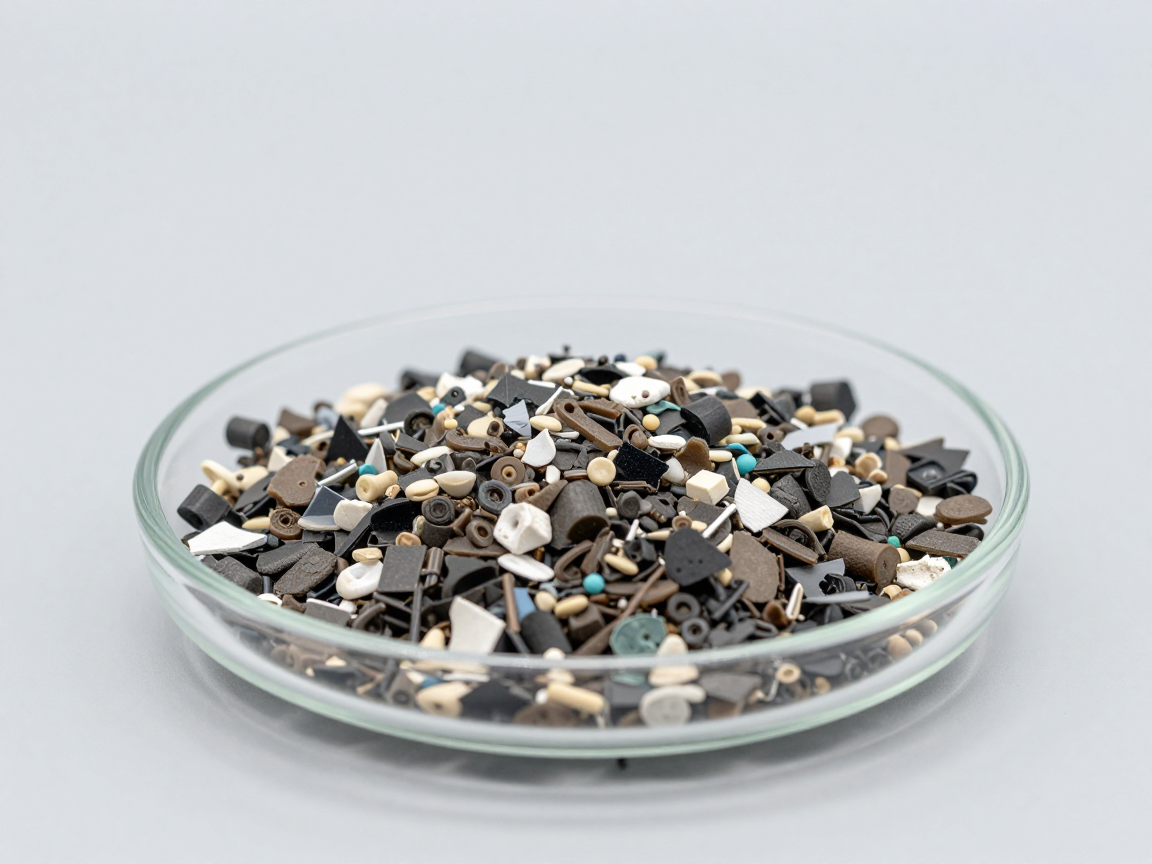
Recycled plastics are the material group with the highest risk for PBB/PBDE, for several reasons combined:
| Reason | Interpretation |
|---|---|
| Originated from old equipment | Recycled plastic often comes from waste electrical and electronic equipment (WEEE) — which is where a lot of brominated flame retardants used to be used. |
| Accumulation of flame retardants | Brominated flame retardants do not decompose when recycled; they follow the resin into new raw materials |
| Uncontrolled source mixing | Recycled plastic is often mixed from many sources, making it difficult to trace back to each original batch |
| Black plastic/mixed plastic | Old, dark-colored plastic cases often contain flame retardants and are less carefully sorted |
Industry reality: recycled plastic is not only a PBB/PBDE hot spot, but can also carry cadmium (from pigments and impurities), lead, and other substances. So when evaluating recycled plastic materials, this should be considered high-risk group and controlled by both supplier declaration and testing.
5. Five analytical traps when testing PBB/PBDE
- Deca-BDE is degradable in a GC system. The most bromine congeners can be “debrominated” in the hot pump/system chamber, creating less bromine congeners and causing false positive for light congeners. Therefore, the pump chamber and column temperature conditions need to be controlled; This is an important technical point of part 6.
- Background noise from recycled plastic. Samples containing many flame retardants and other additives can overlap retention times or interfere with the mass spectrum — a cleanup step that cannot be skipped.
- Low extraction efficiency. PBDE adheres firmly to the polymer matrix; Incomplete extraction gives falsely low results.
- Cross-contamination in the laboratory. Brominated flame retardants are present in many ambient materials (plastics, electrical wiring, equipment) — tools, solvents, and room air are all sources of contamination that need to be controlled.
- How to calculate results. It must be clear whether the total is by group or by each congener; Incorrectly adding or omitting congeners will skew the conclusion relative to the limit.
6. From screening signals to conclusions
| Initial signal | Meaning | Things to do |
|---|---|---|
| XRF/low total bromine clear, virgin resin | Less likely PBB/PBDE | You can stop at the screening level and record it in your records |
| High bromine (recycled plastic, black plastic) | Inconclusive — could be another flame retardant | GC-MS required to determine PBB/PBDE |
| Recycled plastic used in product packaging | High risk group | GC-MS testing in batches; supply chain control |
| Need to report for regulatory compliance records | Need quantitative results | GC-MS according to IEC 62321-6, do not use XRF instead |
7. Practical recommendations for businesses
- Consider recycled plastics as a high-risk group. Require suppliers to declare plastic origin and PBB/PBDE results by batch, not just once.
- Don’t draw conclusions from XRF. High bromine is just a signal; Conclusions must be based on GC-MS.
- Ask the lab about deca-BDE treatment. This is the technical point that distinguishes a well-done testing room from a mediocre one.
- Paired with other indicators of recycled plastic. Cadmium and lead also often exceed limits in recycled plastic; Should test according to a set of criteria instead of just one substance.
8. Frequently asked questions
If XRF reports high bromine, is it a violation of PBB/PBDE?
No. XRF only measures total bromine; Many brominated flame retardants are not restricted by RoHS. GC-MS must be tested to know if the bromine belongs to PBB/PBDE.
Why are the results calculated according to the total group and not according to each substance?
Because each group includes many congeners and RoHS limits the PBB group and PBDE group to 0.1%. The report usually lists each congener and then adds up the total for each group.
Are recycled plastics required to be tested for PBB/PBDE per batch?
Depending on risk strategy and customer requirements. Because this is a high-risk group and varies by plastic source, batch control is a safe bet — especially when recycled plastic is used in product packaging.
Can GC-MS also detect TBBPA?
Detection of each specific compound depends on the method and equipment. Important thing to remember: TBBPA no belongs to the RoHS restricted PBB/PBDE category, so test results according to IEC 62321-6 focus on PBB and PBDE.
Are PBB/PBDE regulated in other markets outside the EU?
Yes. For example, China’s GB 26572-2025 still keeps PBB and PBDE in the list of restricted substances, with the same limit of 0.1%. See more articles about GB 26572-2025.
9. Conclusion
PBB and PBDE must be determined by GC-MS (IEC 62321-6); XRF only gives total bromine and is not conclusive. Three points to remember: one, high bromine is not necessarily a violation — many brominated flame retardants are not banned; two, recycled plastic is a hot spot because brominated flame retardants from old equipment follow the plastic into new raw materials; three, deca-BDE can degrade in the GC system and should be handled properly to avoid false positives.
With recycled plastic materials, the safest way to manage is to combine PBB/PBDE assessment with cadmium and lead, and batch control with supplier declaration — rather than relying on a single test.
References
- IEC 62321-6 — determination of PBB and PBDE in polymers by GC-MS
- IEC 62321-3-2 — Screening for total fluorine, chlorine and bromine in polymers and electronic materials by sample combustion – ion chromatography
- IEC 62321-2 — mechanical sampling and sample preparation
- Directive 2011/65/EU, Annex II — 0.1 % limit for PBB and PBDE
Related articles
- RoHS and plastic recycling: why is it most difficult for recycled plastic to achieve RoHS?
- PVC and phthalates in cables: most common cause of limit exceedance
- What is halogen-free? Not covered by RoHS but customers still request it — why?
- XRF RoHS screening: how to read the results, how much to trust, 5 limitations you must know
- What is IEC 62321? What parts does the RoHS test method set include and what substances is it used for?
- Dissection of the sample according to IEC 62321-2: if this step is done incorrectly, all subsequent results will be meaningless
- Lead, cadmium, mercury testing: ICP-OES, ICP-MS or AAS — which method to choose?
Discuss further
Disclaimer
This article is an interpretive content compiled by us; not legal advice. Specific analytical conditions (temperature, column, cleaning method) are specified in the standard; Enterprises need to compare the original text of IEC 62321-6 and Directive 2011/65/EU.
See more: Copyright Policy & Disclaimer by ticforall.com.