In the technical records of many electronics factories, besides RoHS, there is often another requirement that sounds very similar but is actually completely different: halogen-free. This requirement is not covered by RoHS, but appears frequently in supply contracts, especially with customers in Europe, Japan and the automotive industry.
Confusion between these two requirements leads to two types of errors: receiving halogen-free claims but reporting with RoHS results, or vice versa, wasting halogen testing costs when customers only ask about restricted substances.
1. What is halogen-free?
Halogen is a group of elements including fluorine, chlorine, bromine, and iodine. The “halogen-free” requirement sets a limit on the total content of this group in the material, most commonly according to the levels:
- Chlorine must not exceed 900 parts per million in materials.
- Bromine not more than 900 parts per million in materials.
- The sum of chlorine and bromine is not more than 1,500 parts per million.
These three levels are a common expression in printed circuit board material standards and in many customer requirements. There are also other ways to say it such as “low halogen” (looser limit) or “no added halogen” (only a commitment to not actively add, no background limit).
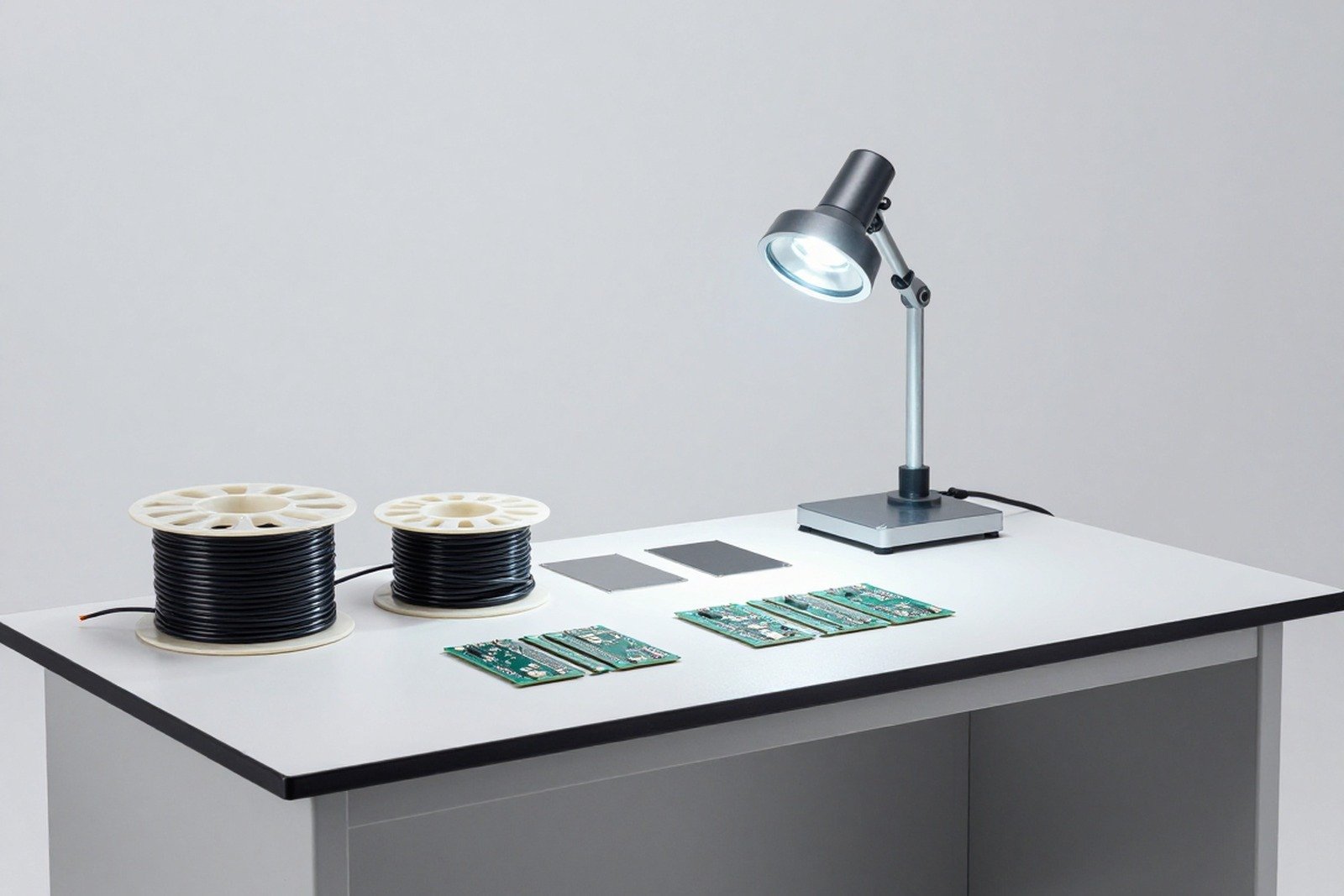
With cables, halogen-free requirements are often accompanied by requirements on smoke and fire emissions, because the main purpose is to reduce corrosive gases and toxic fumes in fires.
2. Why is halogen-free NOT included in RoHS?
| Criteria | RoHS | Halogen-free |
|---|---|---|
| Legal basis | EU directive, mandatory | Technical standards and contractual requirements, not required by law |
| Limited audience | 10 specific substances on the list | Total halogen element group, regardless of compound |
| Bromine group | Only PBB and PBDE are limited | Total bromine limits, including brominated flame retardants, are not restricted by RoHS |
| How to check | Analyze each substance according to the list | Measure total chlorine and total bromine in the material |
| Who requested it? | Market management agency | Customers, industries, green label certification |
In short: RoHS banned some compounds bromine; halogen-free limited total amount halogen. A material can meet RoHS but still not be halogen-free, and vice versa.
3. Why do customers still demand halogen-free?
- Fire safety: Halogen-containing materials produce corrosive gases and toxic fumes when burned; Especially important requirements for cables in buildings, medical equipment, and vehicles.
- Industry requirements: Some industries have their own standards for halogen-free materials for components and cables.
- Green purchasing policy: Many corporations include halogen-free in the list of purchasing requirements with RoHS and REACH.
- Market orientation: used as a point of environmental competition, although there is no mandatory legal basis.
4. How to check halogen-free?
| How to check | What can be measured? | Limits to know |
|---|---|---|
| XRF | Total bromine | Chlorine cannot be measured; Total bromine results do not indicate which compound |
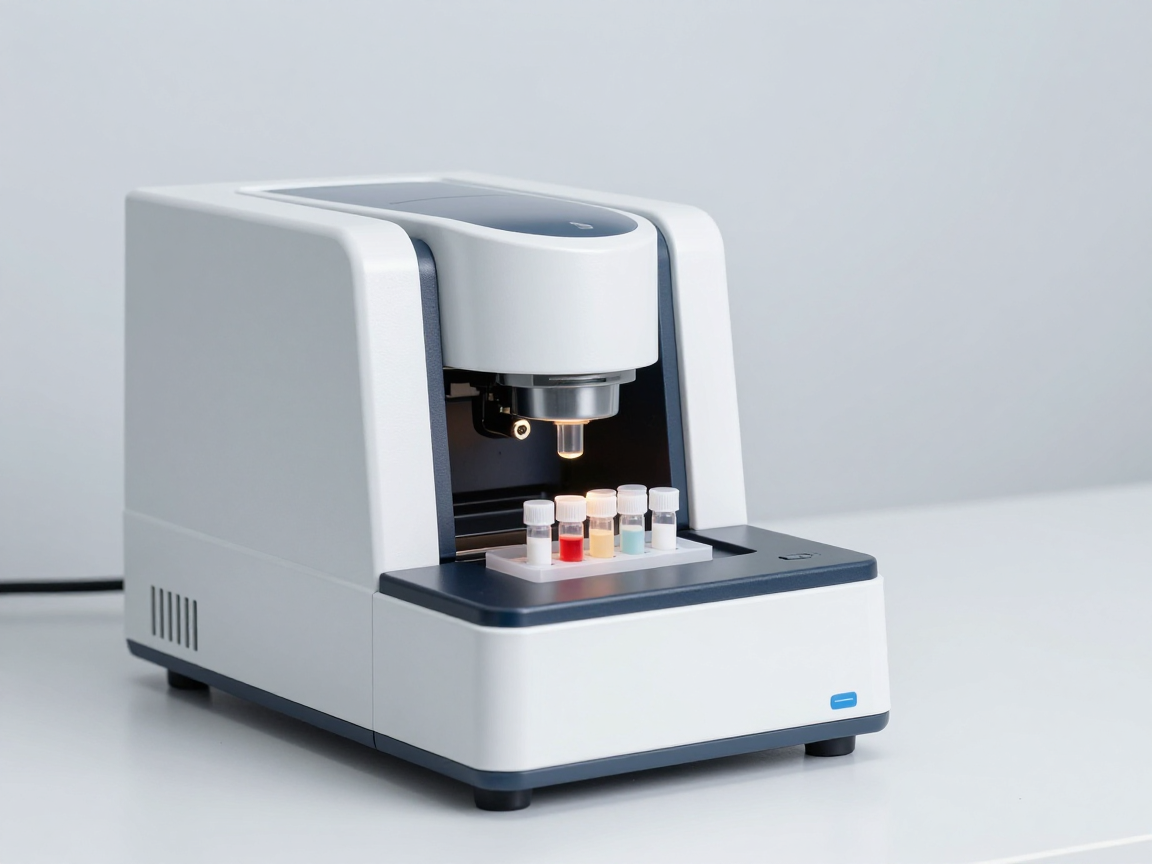
| Burn the sample and then analyze ion chromatography | Fluorine, chlorine, total bromine | This is the most appropriate way to conclude based on the limit 900/900/1,500 |
| Analyze each compound | Identify specific flame retardants | Needed when there is a requirement to exclude a certain compound |
Note: the rapid screening method is useful for input control, but to conclude on a halogen-free limit requires measurement of total halogen using a suitable method.
5. Five points to consider when receiving a halogen-free request
| Point to close | Why? | How to handle |
|---|---|---|
| Applicable limit | 900/900/1,500 is a common level but not the only one | Record specific limits in the test request record |
| Material range | Applies to all products or just some details | List applicable materials according to detailed codes |
| How to understand requirements | “Halogen-free”, “low halogen” and “no added halogen” are different | Ask the customer again in writing, do not speculate |
| Documents required | Some customers just need to declare, others need to test report | Confirm the document type before submitting the form |
| Affects fire resistance | Removing halogen flame retardants may affect fire resistance | Recheck the fire resistance index of the replacement material |
The last point is most often overlooked: switching to halogen-free materials can reduce fire resistance if the correct alternative material system is not chosen. It is necessary to evaluate both indicators at the same time.
6. Frequently asked questions
Does achieving RoHS mean achieving halogen-free?
No. RoHS only restricts certain bromine compounds. Materials with other bromine flame retardants still meet RoHS but exceed the total bromine limit of the halogen-free requirement.
Is there any law mandating halogen-free?
There are no general mandatory requirements for all electrical and electronic products. This requirement mainly comes from contracts, industry standards and customer purchasing policies.
Is XRF measuring bromine enough to conclude halogen-free?
Not enough, because XRF does not indicate chlorine content and cannot distinguish compounds. Use XRF to control input, but need total halogen measurement for conclusion.
Is TBBPA restricted by RoHS?
Not on the RoHS restricted substances list. However, this is a bromine-containing compound so it will be included in the total bromine when evaluating the halogen-free requirement.
If a customer requests “no added halogen”, what should be done?
This is a different requirement from the halogen-free limit. It is necessary to clarify whether the customer wants to commit to not actively adding halogen compounds or wants to limit the total content, and then choose the corresponding evidence.
7. Conclusion
Halogen-free and RoHS are two essentially different requirements: one is a legal limit according to the substance list, the other is a technical limit according to the total amount of halogens. Both are important, but do not replace each other.
Three things to do: clearly state the limit and material range when receiving halogen-free requests; use total halogen measurements to conclude instead of just screening for bromine; and re-check the fire resistance index each time switching to alternative materials.
References
- Directive 2011/65/EU and its amendments (RoHS) — list of restricted substances, including PBB and PBDE.
- Material standards for halogen content in printed circuit board and cable materials.
- IEC 62321-3-2 — Screening total Fluorine, Chlorine, Bromine in electrical and electronic products by sample combustion ion chromatography.
Related articles
- When is XRF only needed, when is wet testing required? Batch RoHS control strategy
- RoHS and plastic recycling: why is it most difficult for recycled plastic to achieve RoHS?
- PBB/PBDE testing by GC-MS: why recycled plastics are organic bromine hot spots
- PVC and phthalates in cables: most common cause of limit exceedance
- Same toy, three sets of limits: RoHS vs EN 71-3 vs CPSIA
- Material declaration according to IEC 62474 and IPC-1752A: what must the supply chain send and receive?
Discuss further
Disclaimer
This article is an interpretive content compiled by us; not legal advice. Enterprises need to compare relevant documents/standards verbatim before applying them to specific products.
See more: Copyright Policy & Disclaimer by ticforall.com.