
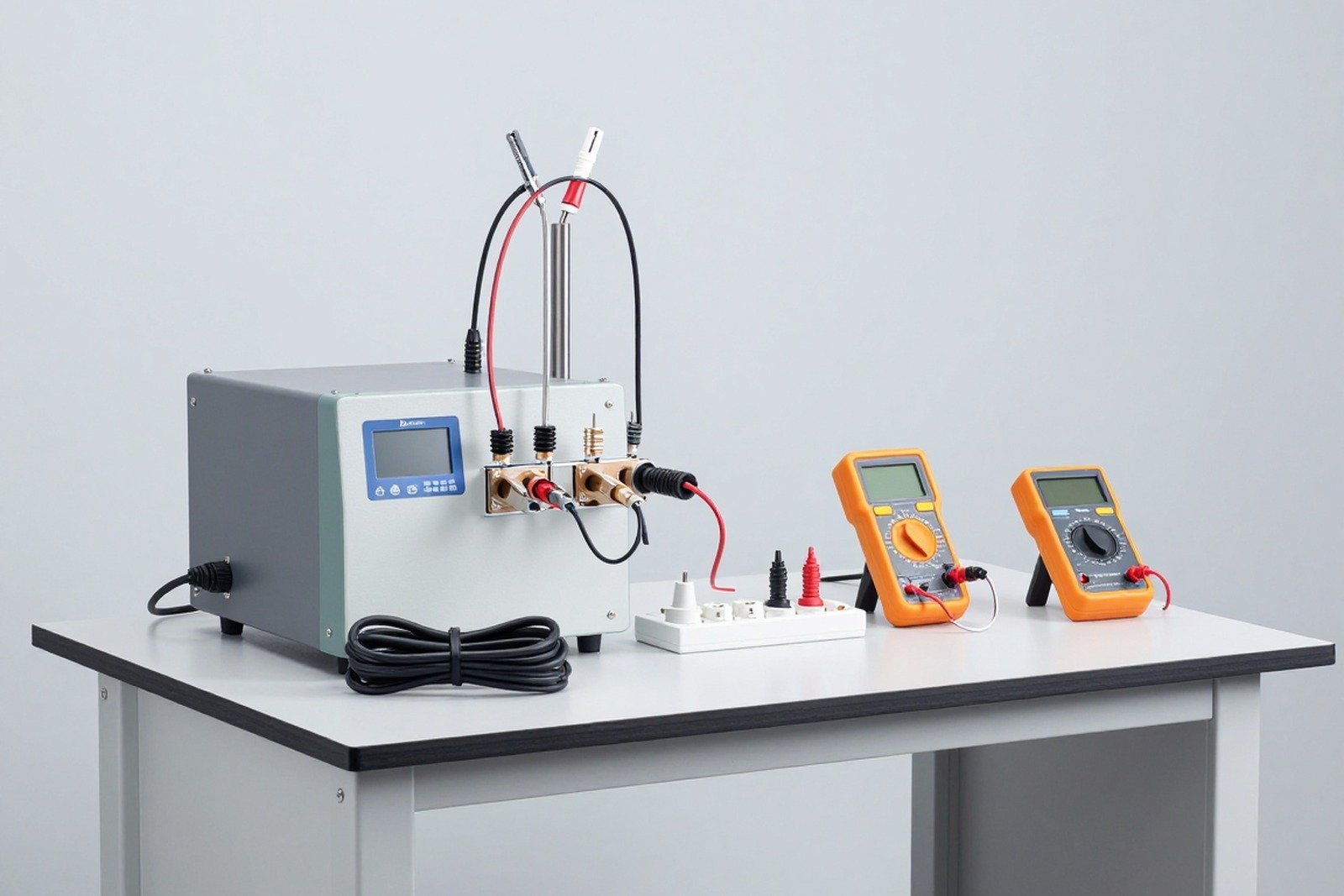
Many household electrical appliances sold in Vietnam must obtain regulatory conformity certification and make a regulatory conformity declaration before being placed on the market, in accordance with QCVN 4:2009/BKHCN — the national technical regulation on safety for electrical and electronic equipment. The standard does not apply to “all electrical equipment” and does not apply to all voltage levels: the product list is in the Appendix, “low voltage power source” is a numerical definition, and Amendment 1:2016 virtually rewrites the wire and cable section.
1. What is QCVN 4:2009/BKHCN?
The regulation was issued together with Circular No. 21/2009/TT-BKHCN dated September 30, 2009. The structure includes 5 sections and an Appendix listing the list of equipment. The regulations have been revised once: Revision 1:2016 (Circular No. 21/2016/TT-BKHCN dated December 15, 2016, effective February 1, 2017), compiled by the Drafting Committee of National Technical Regulations on Low Voltage Electric Wires and Cables — so most of the new content revolves around electric wires and cables.
2. Scope of application: three questions must be answered first
- Which product? Only equipment in the List in the Appendix (13 groups); The list may be amended, supplemented or removed by decision of the Minister of Science and Technology.
- What power source? Connected directly or through a plug to a low voltage power source: 50–1000 V AC and 75–1500 V DC.
- Where to use? In household, commercial and similar uses; Medical equipment and telecommunications equipment are excluded.
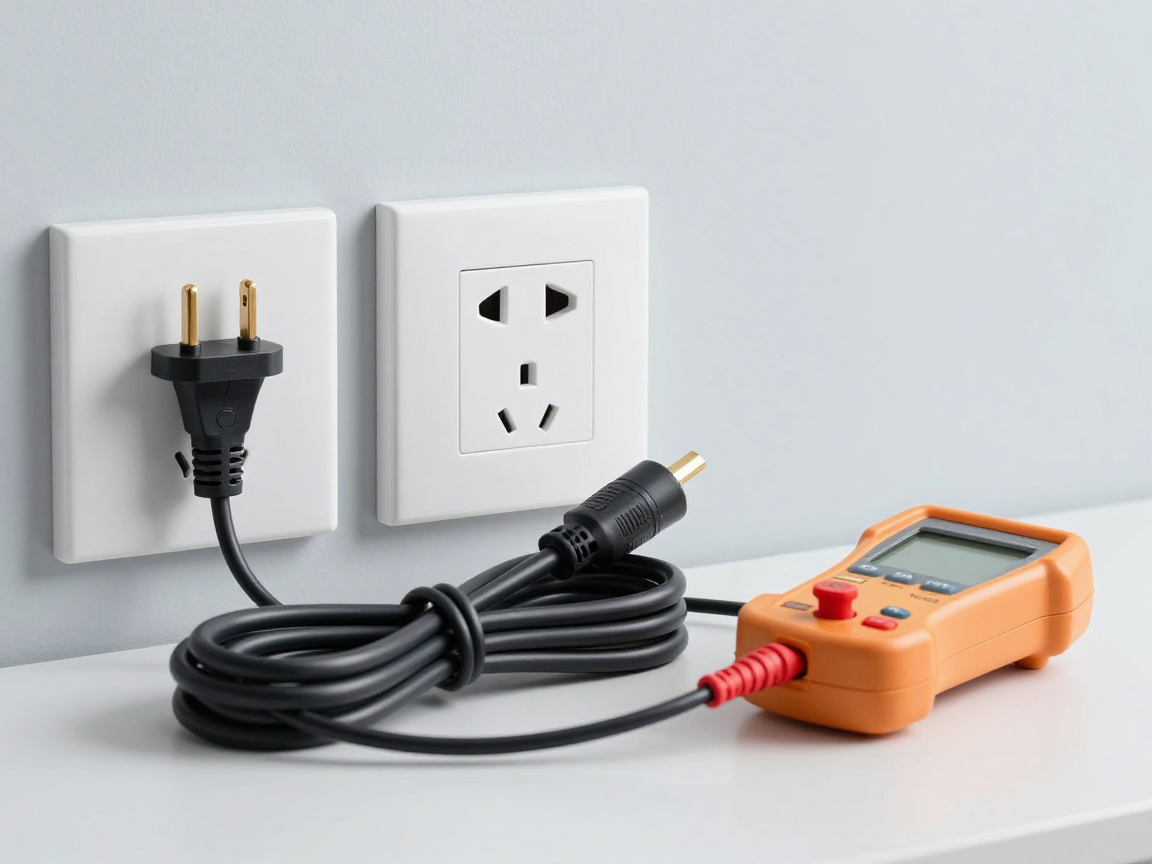
3. List of 13 product groups and corresponding TCVN standards
- Instant water heating electric appliance — TCVN 5699-2-35:2007
- Electric water heating and hot water storage appliances — TCVN 5699-2-21:2007
- Hair dryer and other hairdressing tools — TCVN 5699-2-23:2007
- Kettle — TCVN 5699-2-15:2007
- Rice cooker — TCVN 5699-2-15:2007
- Electric fan — TCVN 5699-2-80:2007
- Electric iron — TCVN 5699-2-3:2006
- Microwave oven — TCVN 5699-2-25:2007
- Electric oven, electric grill (portable type) — TCVN 5699-2-9:2004
- PVC coated electrical wire up to and including 450/750 V — TCVN 6610 set; This heading was amended to “Electrical wires and cables” from Amendment 1:2016
- Immersion type electric water heater (electric heating rod) — TCVN 5699-2-74:2005
- Tea or coffee making equipment — TCVN 5699-2-15:2007
- Hand dryer — TCVN 5699-2-23:2007
Most of the above standards belong to the TCVN 5699 (IEC 60335) series; kettles, rice cookers and shared tea/coffee makers use TCVN 5699-2-15, while hair dryers and hand dryers use TCVN 5699-2-23.
4. Safety requirements: the documents enterprises must prepare
Section 2 only states the principle: equipment must ensure safety in accordance with the corresponding TCVN – the technical content is in the standard itself, TCVN 5699 (IEC 60335) includes general requirements and product-specific parts. Test records must demonstrate the following groups of indicators:
- Input power and rated current — the difference between the measured value and the value indicated on the label must be within the allowable tolerance.
- Temperature rise — the temperature of the coil, conductor, shell and contact surface does not exceed the limit corresponding to the level of insulating material.
- Insulation, leakage current and moisture protection — insulation resistance, leakage current and dielectric strength measured in working condition and after humidity treatment; liquid heating appliances also require overflow and drip tests.
- Distances — clearance, creepage distance and solid insulation must meet the minimum values according to voltage level and pollution level.
- Overload and abnormal operation — loss of water, locked rotor, forced thermostat cut-off: the appliance must not ignite or melt metal.
- Thermal, fire and mechanical resistance — composite materials, current retention details, mobile device stability.
For 450/750 V PVC wires and cables, section 2.10 references four parts of TCVN 6610 (IEC 60227) according to structure: part 1 general requirements, part 3 unshielded cables for fixed installation, part 4 sheathed cables for fixed installation, part 5 flexible cables (wires). Level 450/750 V is the nominal voltage: 450 V between conductor and ground, 750 V between two conductors.
5. What does Amendment 1:2016 change?
- Clause 2.10: replace “PVC coated power cord up to and including 450/750 V” with electrical wires and cables of 50 V or more — the applicable standards and labeling must be declared; Wires and cables under 50 V must still have their standards announced and clearly state the voltage level; Wires and cables without shielding and/or insulation do not fall under the corresponding standards.
- Clause 3.1: provisions on placing products on the market — domestically produced and imported electrical and electronic equipment, excluding wires and cables below 50 V and above 1000 V, must be certified in accordance with the safety requirements in Section 2, and affixed with the regulation conformity mark (CR) before circulation.
- Clause 3.2.3 and 3.3: additional mechanism acknowledge the assessment results of foreign organizations (Circular 27/2007/BKHCN) and appoint a foreign conformity assessment organization (Circular 26/2013/TT-BKHCN); Before recognition, the certification organization must ensure the capacity of the assessment organization and report to the Directorate for Standards, Metrology and Quality.
- Clause 3.5: amending the registration basis according to Circular 28/2012/TT-BKHCN (manufacturing enterprises, documents according to Article 14) and Circular 27/2012/TT-BKHCN (importing enterprises, documents according to Article 6); Abolish clauses 3.5.3, 3.5.4, 3.5.5 — detailed list of records and record retention milestones of 10 years and 6 years are no longer valid.
- Add Clause 4.3: Enterprises manufacturing and importing electric wires and cables must keep copies of quality standards for publication (Vietnamese, or English with an official Vietnamese translation), provide them when requested by competent authorities, and Keep records of announcement of applicable standards.
Circular takes effect from February 1, 2017; Electrical wires and cables apply Revision 1:2016 from August 1, 2018. The Circular does not apply to pre-installed wires and cables or parts of complete electrical and electronic equipment, and to wires and cables imported for installation into equipment and then exported (processing of goods for export, temporary import for re-export).
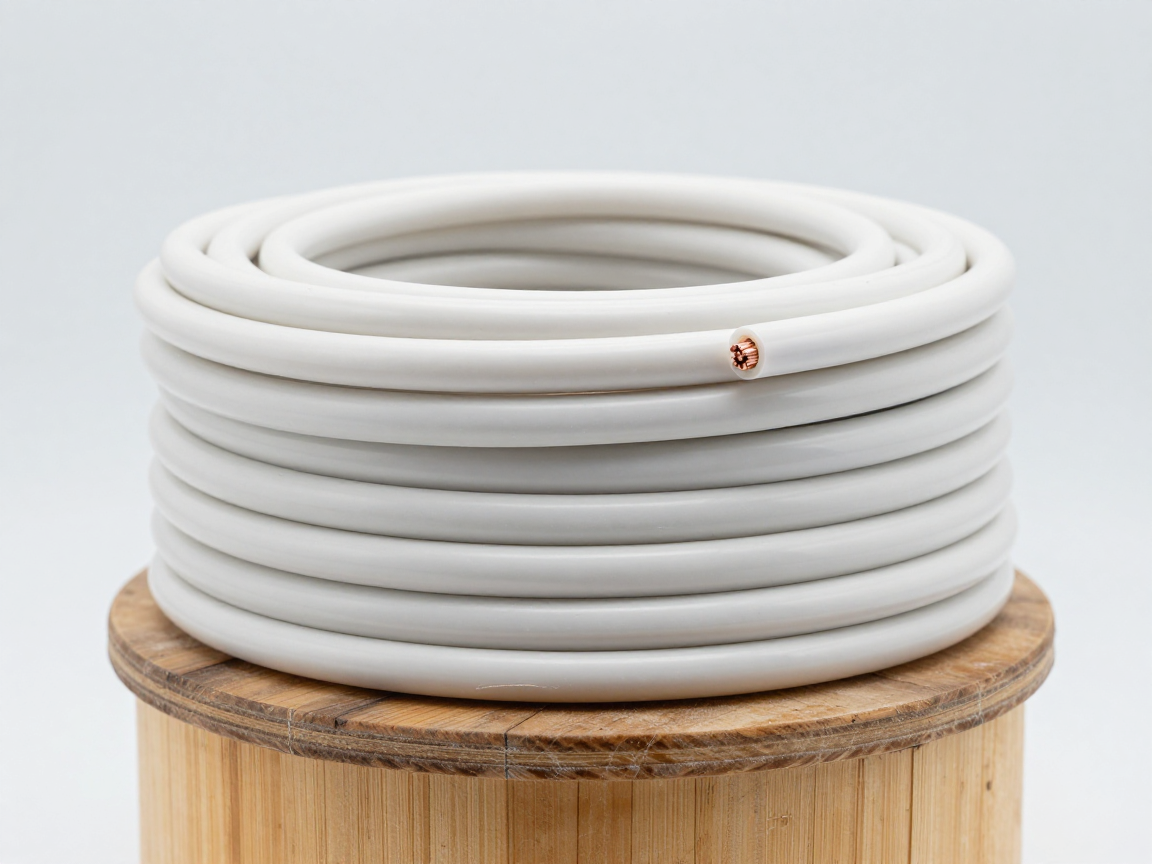
6. Electric wires and cables: standard declaration and labeling
For products of 50 V or more, clause 2.10 requires declaration of the applicable standards (TCVN, foreign, international or regional standards) with at least 5 items: DC resistance of conductor; sheath and insulation thickness; insulation resistance; voltage endurance; Tensile test before and after aging of insulation and sheath. Labeling must state origin and identification signs (voltage level, conductor and insulation material, cross-section, code/type), not easily erased; Labelling distance follows the published standard; where not specified, no more than 1000 mm between two consecutive markings (or 550 mm from the end of one marking to the start of the next).
7. Certification, CR mark, registration and record keeping
- Product labels according to the law on goods labels (now Decree 37/2026/ND-CP).
- Certificate of conformity certified by the organization designated or recognized carry out; method according to Article 5 and Appendix II Circular 14/2026/TT-BKHCN with 8 methods — groups of electrical and electronic equipment and wires and cables are using method 5 (testing representative samples and evaluating the production process or management system, with supervision) and method 7 (testing and evaluating batches).
- Conformity mark (CR) According to Clause 2, Article 4 of Circular 14/2026/TT-BKHCN: shape and size in Appendix I; shown on products, packaging, technical documents or labels; Easy to see and not easily erased.
- Register the declaration of conformity in the National database on measurement, standards and quality and receive a confirmation code; imported goods subject to state quality inspection; Keep records of declaration, maintain conformity and keep records to monitor the use of conformity marks.
Note on reference bases: QCVN 4:2009/BKHCN and Amendment 1:2016 refer to Decision 24/2007/QD-BKHCN and Circular 28/2012/TT-BKHCN; from 2026, Circular 28/2012/TT-BKHCN has expired (along with Circulars 02/2017 and 04/2025) and these contents are now according to Circular 14/2026/TT-BKHCN.
8. Update 2026: Circular 36/2026 and new legal framework
Circular No. 36/2026/TT-BKHCN (June 30, 2026, effective July 1, 2026) regulates the List of products and goods with medium-risk and high-risk levels; with electrical and electronic equipment and wires and cables, referenced standards is still QCVN 4:2009/BKHCN and Amendment 1:2016.
- Appendix I, section 4 (high-risk) — electrical and electronic equipment using single-phase power up to 250 V, not including equipment that only runs on batteries, rechargeable batteries or DC power. Requirements: declaration of conformity based on the organization’s certification specified; methods 5 and 7; Imported goods undergo state quality inspection.
- Appendix I, section 5 (high-risk) — low-voltage wires and cables used in electrical installations, up to 1000 V AC or 1500 V DC, with the exception of: PVC-coated wires of TCVN 6610 (up to 750 V) and extruded insulated cables of TCVN 5935-1 (0.6/1 kV). Requirements as section 4 Appendix I.
- Appendix II, section 8 (medium-risk) — Electrical and electronic equipment that does not use 3-phase power, skin or hair care equipment, 1-phase fans ≤ 125 W and wires and cables that do not belong to TCVN 6610, TCVN 5935-1. Requirements: declaration based on the organization’s certification recognized or designated or self-assessment; Use methods 1, 5 and 7.
The basic legal framework will also change in 2026: the Law on Standards and Technical Regulations and the Law on Product and Goods Quality amended in 2025, accompanied by Decree 22/2026/ND-CP and 37/2026/ND-CP; Four Circulars dated April 9, 2026: 13/2026 (standard), 14/2026 (declaration of conformity and assessment method), 15/2026 (standards) and 16/2026 (mutual recognition, unilateral recognition of assessment results). The group of electrical equipment used for household electrical installations (for example, MCB circuit breaker ≤ 63 A) is referred to QCVN 25:2025/BKHCN from April 1, 2027.
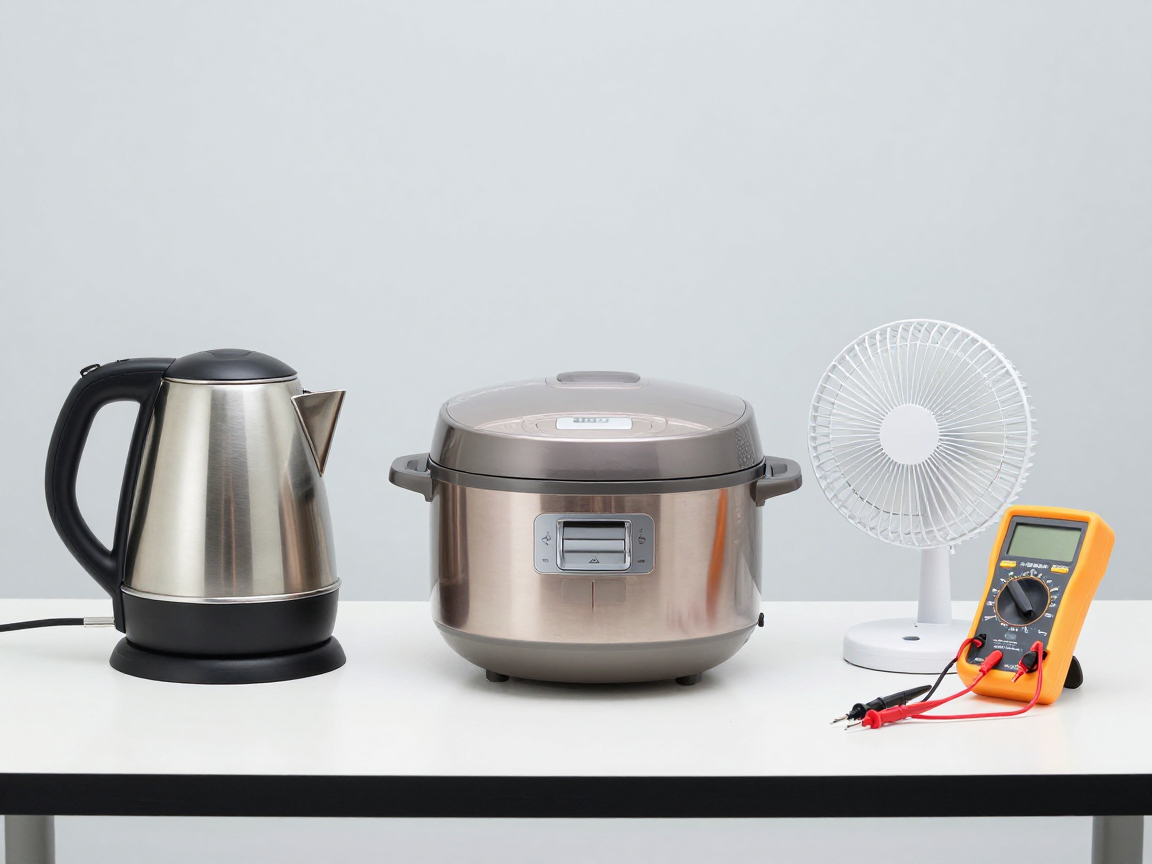
9. Common trouble points for businesses
- Think all electrical equipment is regulated — actually there are only 13 groups in the Appendix, and the List can be amended, supplemented, or canceled.
- Choose the wrong standard part according to product structure; announced lack of targets; Wire/cable labels lack identification marks or have incorrect label repetition spacing; Incorrect use of record keeping milestones has been abolished.
10. Frequently asked questions
Is QCVN 4:2009/BKHCN still valid?
Yes. Circular 36/2026/TT-BKHCN still refers to QCVN 4:2009/BKHCN and Amendment 1:2016 for groups of electrical and electronic equipment, wires and cables; Procedures for declaration of conformity, CR mark and evaluation method are according to Circular 14/2026/TT-BKHCN.
Why do kettles, rice cookers and tea making utensils share the same standard?
Because they are all liquid heating appliances, TCVN 5699-2-15 applies to the same risk group: water flowing into the electrical part, water running out, heater heating and insulation deterioration when wet.
Are the cables installed in the device required to be declared compliant?
No. Circular 21/2016/TT-BKHCN excludes wires and cables that are already installed or are part of complete equipment, and wires and cables imported to be installed into equipment and then exported.
Do previously existing certificates and conformity marks have to be redone?
No. Article 17 of Circular 14/2026/TT-BKHCN allows continuing to use existing certificates and conformity marks until the end of their validity period, without having to re-register.
11. Conclusion
QCVN 4:2009/BKHCN is the foundation standard for electrical and electronic equipment safety in Vietnam: 13 product groups, each group associated with a corresponding TCVN standard. Amendment 1:2016 expands the scope to “electrical wires and cables”, requires declaration of standards with 5 basic items, tightens labeling requirements and adds the obligation to keep standard records. What needs to be done is still to identify the right product group, the right standard part, the right evaluation method – and use the correct current legal basis.
Related articles
- Conformity assessment procedure 2026
- Circular 36/2026/TT-BKHCN: Full Text of the List of Medium-Risk and High-Risk Goods
- PVC and phthalates in cables: most common cause of limit exceedance
- Cross-section of crimp terminal and cable: compression, broken strands and gaps
- How long must RoHS records be kept? Legal timelines businesses need to remember
Discuss further
Disclaimer
The article was compiled by us for interpretation; not legal advice. Source: QCVN 4:2009/BKHCN (Circular 21/2009/TT-BKHCN), Amendment 1:2016 (Circular 21/2016/TT-BKHCN), Circular 36/2026/TT-BKHCN, Circular 14/2026 and 16/2026/TT-BKHCN, Decree 22/2026 and 37/2026/ND-CP. Enterprises should compare the wording verbatim and consult the designated certification body. Copyright Policy & Disclaimer.