Quick summary
- Testing IP and drop on the same sample means the order decides the result: drop first, then IP, is a much harder test, because a drop deforms exactly the features that keep water out.
- The other direction has its own problem: water left inside after IP testing can distort a drop test, or cause a short circuit when power is applied.
- IEC 60529 does not define the order. The order belongs to the test programme or the contract — so if it is not written, each side reads it differently.
- The safest approach: state the order in the test request, state the recovery time between tests, and use two separate samples when a firm conclusion matters.
A common request at the lab: “One sample, please run drop and IP together.” The right answer is not yes or no, but: in which order. This article explains the mechanics and how to write it clearly.
1. The mechanics: a drop damages exactly what seals
A drop does more than scratch the housing. It acts on the four things an IP test cares about most:
| Feature affected | Mechanism | Effect on the IP test |
|---|---|---|
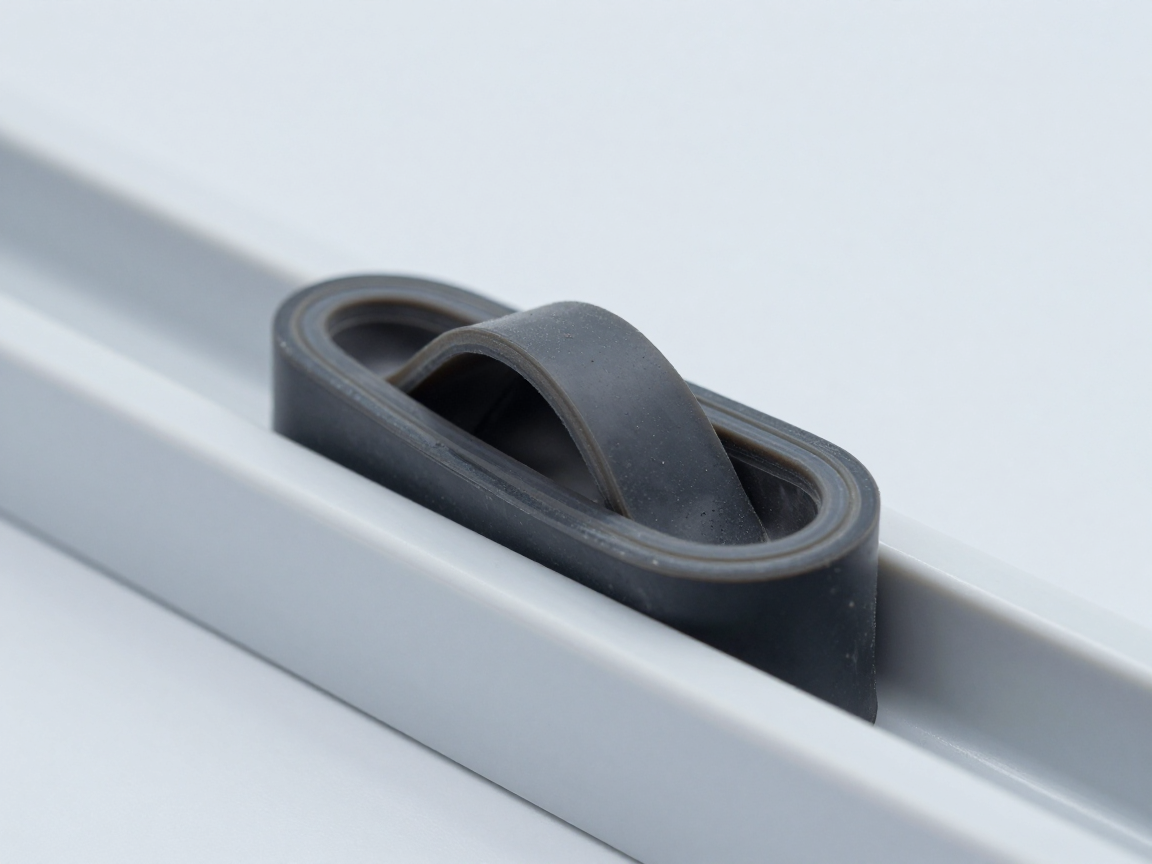
| Gasket / seal | Deformed, twisted, popped out of its groove | A new gap — water and dust get in more easily |
| Plastic or metal housing | Micro-cracks, deformed corners, misaligned flanges | Leak paths invisible to the eye |
| Screws, clips, snaps | Cracked screw bosses, released snaps | Lower gasket compression, wider gap |
| Speaker mesh, membrane vent | Torn, stretched, adhesive lifted | Loses water blocking but may still block dust (or the reverse) |

So drop first, then IP is the harder test — and the more realistic one: equipment is dropped before it meets rain, not after.
2. Three orders and what each one means
| Order | Question answered | Severity | Used when |
|---|---|---|---|
| IP first → drop after | The housing seals; and once sealed, does it survive a drop | Lower for the IP claim | Confirming basic capability of the design |
| Drop first → IP after | After impact, does the housing still seal | Higher, closer to field reality | Handheld and field equipment |
| Repeated cycles | After many drops and many wettings, does it still seal | Highest | Long-term outdoor products |
The key point: “IP67 passed” under the first two orders cannot be compared directly. Both reports say IP67, but one is an intact housing and the other has been through impact. If a buyer compares two suppliers without checking the order, the comparison is meaningless.
3. The other direction: water left inside
Testing IP first and dropping afterwards brings its own problems — and this is where many labs skip a step:
- Residual water in gaps, in the speaker mesh, in the battery compartment changes mass and load distribution during the drop.
- Corrosion starts immediately after water testing; waiting a few days before the drop means testing a different sample.
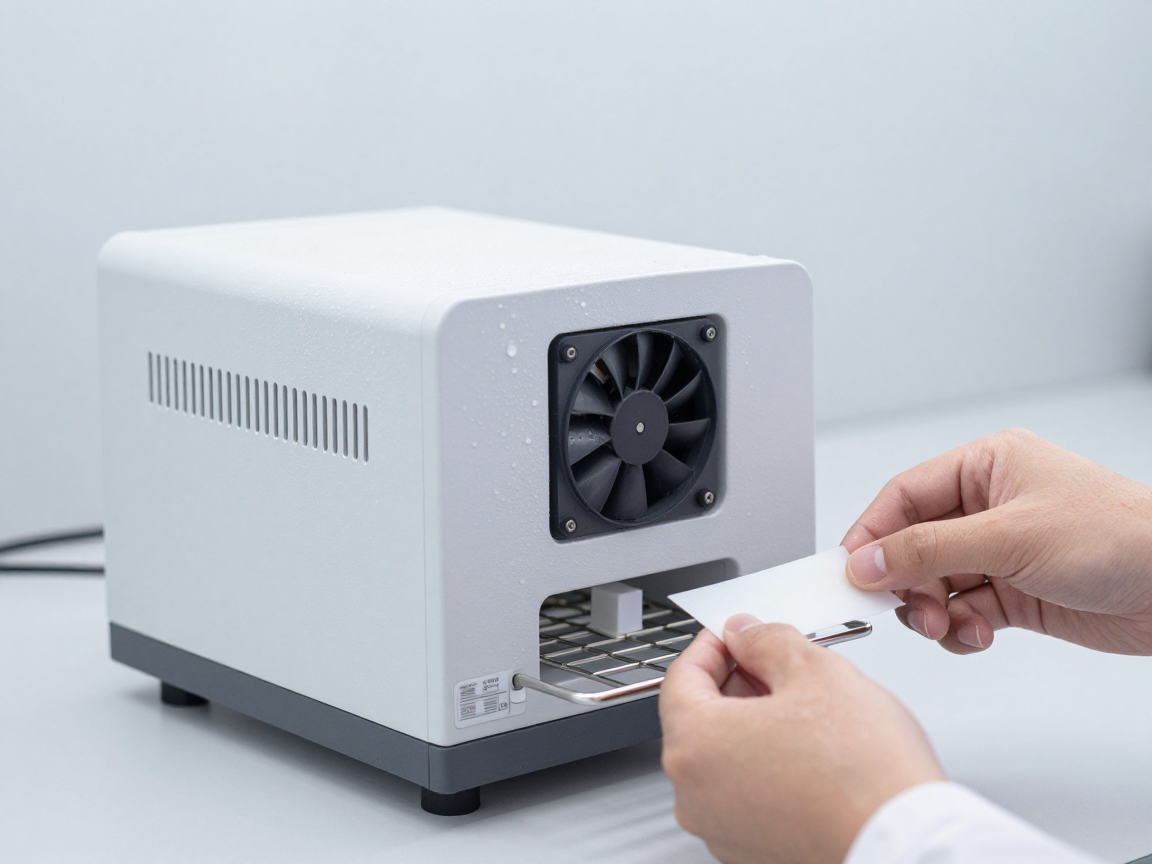
- Powering up after immersion for a functional check can cause a short — dry and recover for the agreed period first.
- Water can freeze if the next test is low temperature, distorting the result entirely.
4. What the standards say about order
An important and often misunderstood point: IEC 60529 does not define the order between the IP test and mechanical or environmental tests. The standard describes how to run the IP test on a sample; it does not describe a product’s test sequence.
The order comes from three sources:
| Source | Role |
|---|---|
| Product or sector standard | May prescribe a specific sequence for that product type |
| Customer test programme (tailoring) | Decides order, number of cycles, recovery time |
| Contract / test request | If the two above are silent, the contract must speak |
In programmes following MIL-STD-810, the sequence is part of tailoring and must appear in the test plan. For consumer products, in most cases nobody specifies it — which is exactly when the test request has to.
5. How to write it in the test request
| What to state | Example |
|---|---|
| Order | “Drop test first, then IP on the same sample” |
| Number of samples per test | “01 sample for drop → IP; 01 control sample for IP only” |
| Recovery time | “Recover 24 h at room conditions between the two tests” |
| Post-water handling | “Wipe the surface dry, no heat drying, do not dismantle the sample” |
| Acceptance criteria | “Pass if no water in the electronics compartment; record water in the battery compartment either way” |
| Report content | “The report must state the order and the recovery time” |
Model wording: “Testing on the same sample in the following order: (1) drop per …; (2) recover 24 h at 23 ± 5 °C; (3) IPX7 test per IEC 60529. The report shall state the order, the recovery time and the sample condition before each test.”
6. Why use two samples
If the goal is a firm conclusion rather than saving samples, use two separate samples for the two tests plus a third for the combined sequence:
| Sample | Used for | Conclusion obtained |
|---|---|---|
| Sample A | IP only | Sealing capability of the intact design |
| Sample B | Drop only | Impact capability, undistorted by water |
| Sample C | Sequence drop → IP | Whether the design still seals after impact |
Three samples give three different answers. One sample gives one answer — usually the hardest one to interpret when something goes wrong.
7. Designing a repeated cycle
For long-life outdoor products, one drop and one wetting are not enough. A repeated cycle puts the two tests next to each other many times, and the interesting figure is not “did it pass once” but how many rounds it survived.
| Step in one cycle | Purpose | Must be stated |
|---|---|---|
| Drop on the selected faces | Creates cumulative deformation | Faces, height, impact surface |
| Visual inspection | Detects cracks, released snaps, shifted gaskets | Photos from every round |
| IP test at the chosen level | Checks whether it still seals | Level, conditions, duration |
| Recovery and functional check | Separates mechanical from electrical faults | Recovery time, pass criteria |
The number of rounds, the drop height and the IP level in each round have no universal values — they must come from the real service environment and be written down before testing. One thing should be fixed in advance: stop at first failure, or run all rounds and then assess. The two choices yield different kinds of conclusion.
8. Six common mistakes
| Mistake | Consequence |
|---|---|
| No order stated, each side assumes one | Dispute when the result is not as expected |
| IP tested on a dropped sample but reported as intact | Result not reproducible, certificate loses value |
| Drop immediately after immersion with no recovery | Water inside distorts the result |
| Reusing an IP-tested sample without recording it | Nobody knows what the sample has been through |
| No record of sample condition before each test | Cannot separate design fault from cumulative damage |
| Comparing two suppliers with different test orders | Wrong conclusion about relative quality |
| Running cycles without a pre-agreed stopping rule | Cannot state “failed at round N” |
Frequently asked questions
Does IEC 60529 require drop before or after the IP test?
Neither. IEC 60529 only describes how to run the IP test on a sample. The order belongs to the product standard, the test programme or the contract.
Does drop-first-then-IP make the result “worse”?
Yes, and that is the point: it reproduces the real sequence. But it must be stated in the report, otherwise it will be read as a result on an intact sample.
Can one sample do both tests?
Technically yes, but it gives one answer and is hard to interpret when something fails. Add a control sample.
How long should recovery after water testing be?
The programme decides, and it must be written down. If nothing specifies it, agree it in writing before testing — do not leave it to the lab.
Should the device be functionally checked after each test?
Yes, with stated criteria. Functional checks after water testing should happen after recovery, to avoid short circuits.
Conclusion
Test order is not an administrative detail. It changes the result, changes how the result is interpreted, and changes the legal value of the report.
Three things to do: state the order in every test request that includes more than one test; state the recovery time between tests; and for important products, use control samples to separate “design fault” from “cumulative damage”.
References
- IEC 60529 — degrees of protection (IP code); scope: testing on a sample, not a product test sequence.
- IEC 60068-2-27 — shock test within the environmental testing series.
- MIL-STD-810 — tailoring principles and test sequence within a programme.
Related articles
- Preparing IP test samples
- Writing the IP code on labels: ten mistakes
- Why IP67-rated devices still fail in the field
- What is IEC 60529? The IP code explained
Talk to us
Disclaimer
This article is our own interpretation; it is not legal advice. Readers should check the official text of the standard before applying it to a specific product.
See also: Copyright Policy & Disclaimer of ticforall.com.