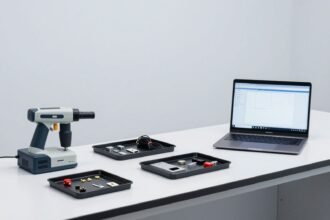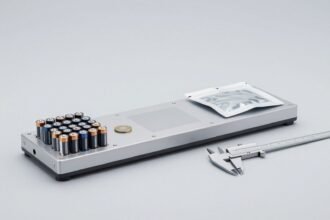
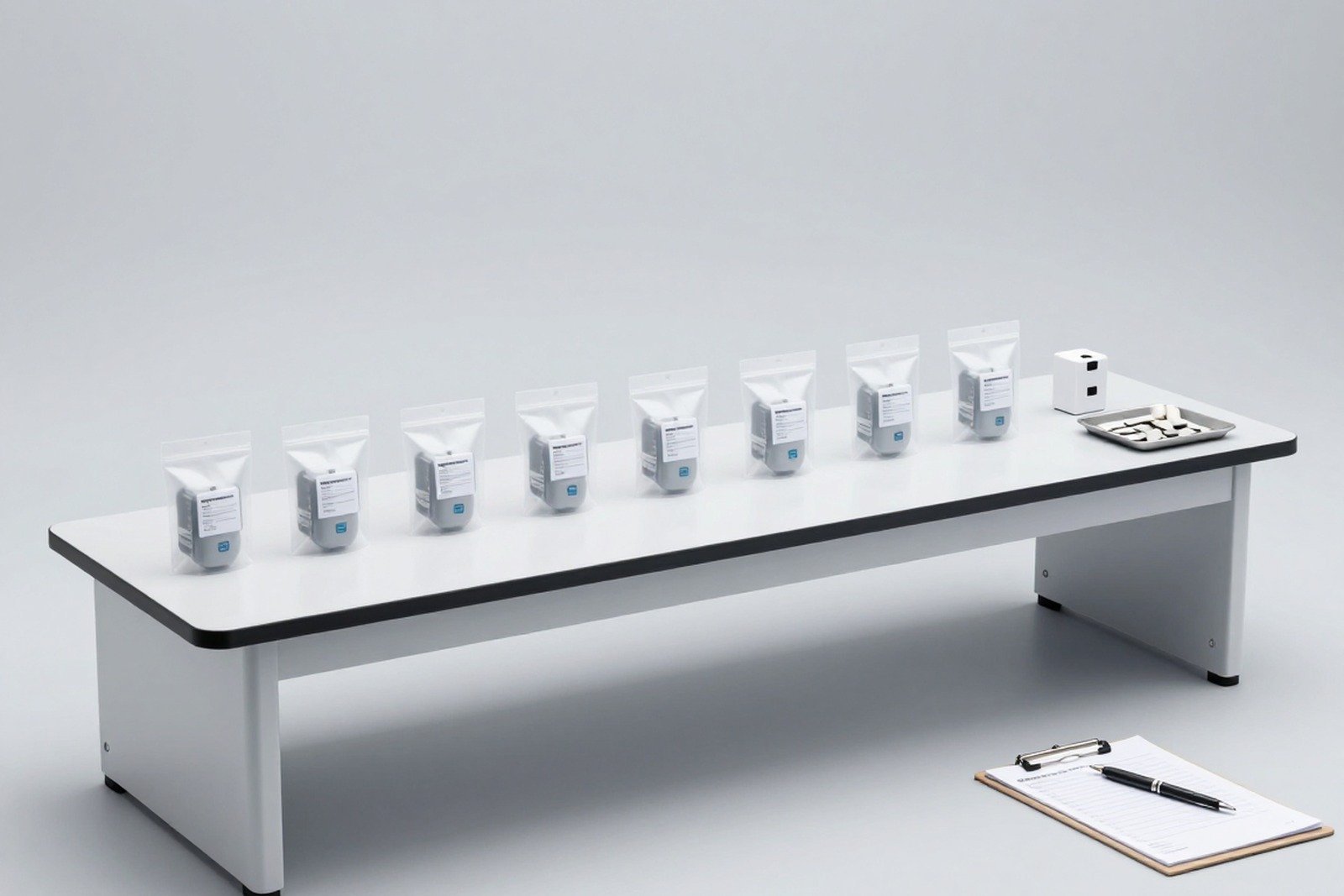
“How many samples need to be sent?” is the first question and also the most difficult to answer concisely. There is no one right number for every situation — the number of samples depends purpose of the test, product complexity and the risk level of the material.
But there is one immutable principle: The number of samples must be enough to make a correct conclusion about the object you want to conclude — and must have a saved sample to retest when needed.
1. Three different types of “models”, don’t confuse them
| Type | Meaning | For example |
|---|---|---|
| Product sample | Number of finished products sent to the testing room | 2 speakers, 3 chargers |
| Homogeneous material samples | Each material is peeled off from the product sample | Cable’s PVC sheath, solder joints, plating layer |
| Batch sample | Sample taken from a specific production batch to draw conclusions for that batch | 5 products taken from batch dated September 12 |
These three concepts are often combined into “send several things”. Such bundling leads to two errors: sending too many products but lacking materials to test all substances, or sending one product and then concluding a batch of thousands.
2. Number of samples according to purpose
| Purpose | Commonly used model number | Notes |
|---|---|---|
| Rapid screening test of a suspect material | 1 material sample | Just to know if I need to continue |
| Proof of conformity for a product type | 1–2 finished products, enough to peel off all representative materials | Attach supplier material declaration |
| Proof of conformity for a specific batch | According to the sampling plan of that lot (usually 3–5 products) | Must record batch number and date of manufacture |
| Handling disputes with customers | Minimum 2 samples, plus samples saved on both sides | There should be a third form as a referee |
| Complex products, many material groups | 2–3 products to have enough test material for each group | Avoid having to remove the second one when the model breaks |
| Monitor periodically every quarter | 1 product, focusing on high-risk materials | Includes checking for supplier changes |
Actual reasons for needing more than one product: Dissection destroys the sample. If you only send one and discover that you need to test an additional material you didn’t expect (for example, ink on a stamp), you’ll have to wait for a new sample to be sent — which takes another week.
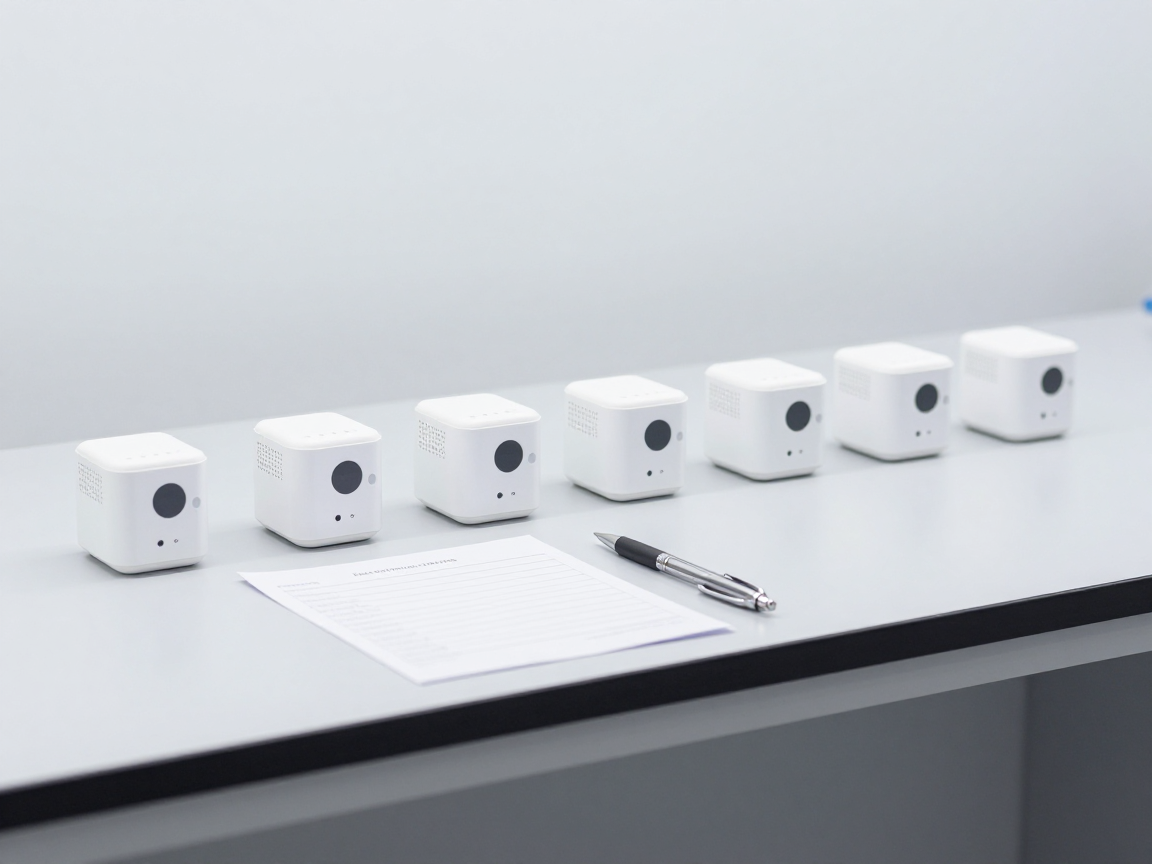
3. Choose samples strategically, not emotionally
Part 2 of IEC 62321 (2021 edition) stipulates sampling strategy and mechanical sample preparation — these are the standards to cite when you want strong records. Common ways to do it in practice:
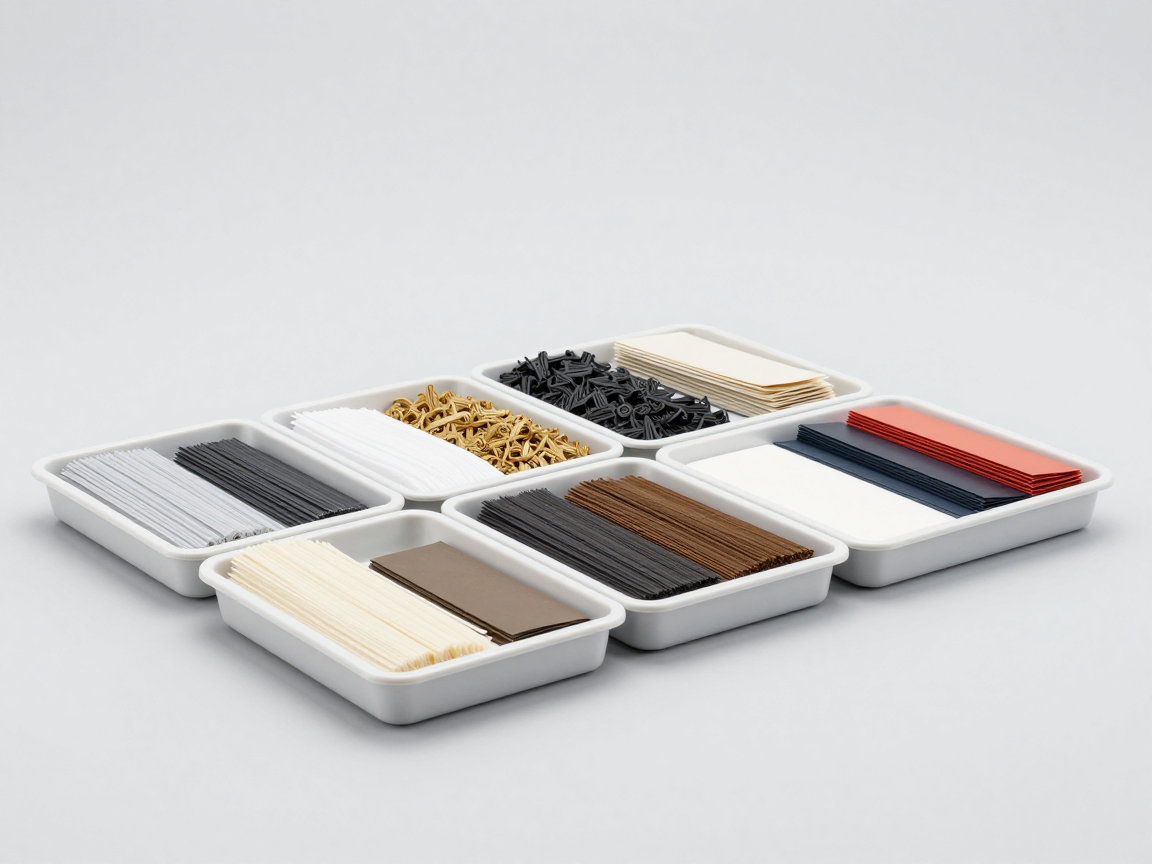
- Product material grouping by type (plastic, metal, coating, solder, glue, ink, cable).
- Assign risk levels to each group, based on industry experience and the factory’s own history.
- Take representative samples for each material group, prioritizing high-risk groups.
- Record the sampling location to be able to trace back when there are abnormal results.
Important point: if the product has five different types of plastic (ABS shell, PC button, PMMA LED, rubber gasket, PVC cord), then those are five separate material samples — not one “plastic” sample.
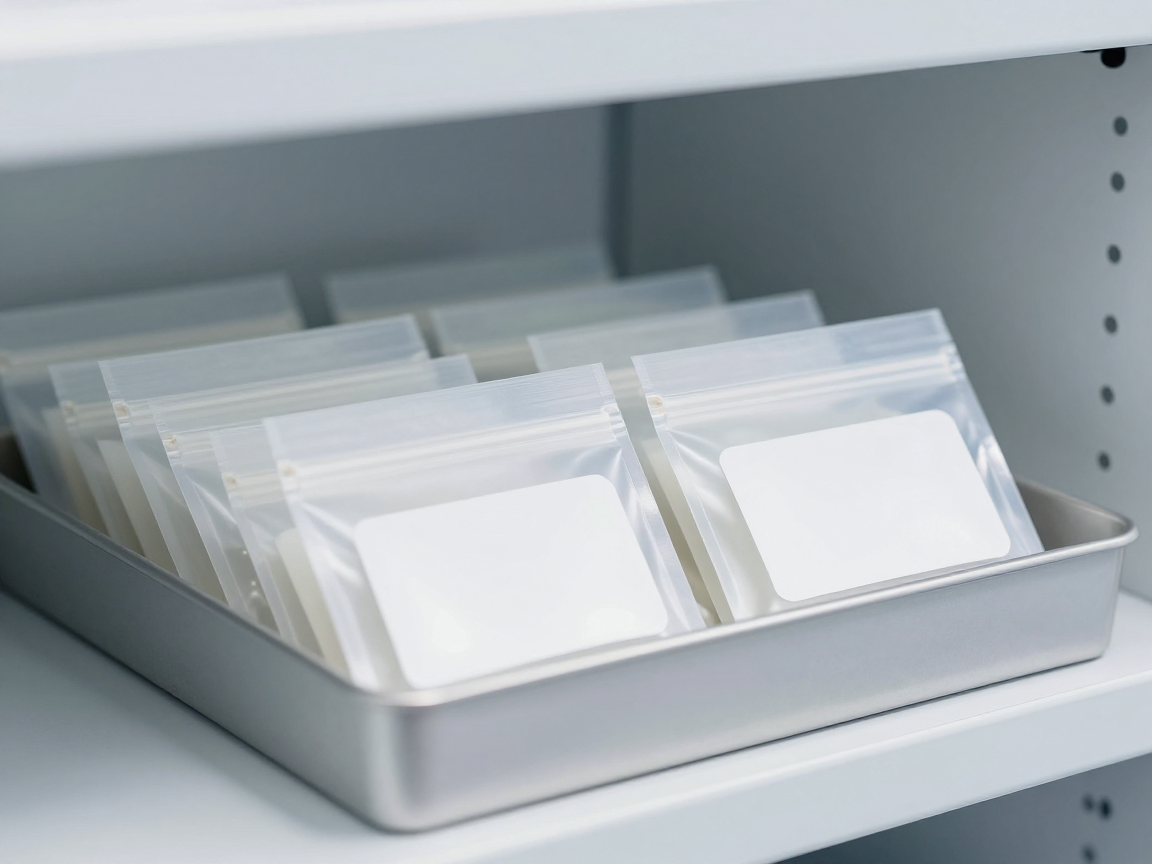
4. Retention sample: the thing that is most often abandoned
| Request | Recommended |
|---|---|
| Quantity | At least one intact product, plus the remaining material after testing |
| Storage conditions | Dry, avoid direct sunlight, avoid high heat; Materials containing phthalates should be placed in a sealed bag, avoiding contact with other soft plastics |
| Save time | Recommended to save at least as long as your records (usually 10 years for EU-compliant records) |
| Label | Product code, batch number, sampling date, collector |
Warning about cross-contamination: Phthalates can migrate between materials in the same soft plastic bag or in humid storage environments. Samples of materials used for phthalate testing should be packaged separately.
5. Control samples: three types are required
| Type | Purpose |
|---|---|
| White sample | Detect contamination from chemicals, tools, and test room environment |
| Standard sample (certification material) | Check the accuracy of the equipment and the whole process |
| spike | Check recovery efficiency — especially important with GC-MS for phthalates and PBB/PBDEs |
This is part of the testing room’s job, but businesses should know to ask. A report that does not mention blank samples and spiked samples is a report in which you have no basis to evaluate the quality of the results.
6. Six errors in sampling
- Send a sample for a large batch. The results represent only that sample, not the batch — unless you have a sampling plan and statistical reasoning.
- Do not record batch number or date of manufacture. It cannot be traced back, so when there is an incident, the scope of impact is unknown.
- Take samples from test batches, not actual production batches. “Beautiful” samples do not represent sales.
- Do not sample small materials. Labels, glue, ink, gaskets — small but often exceeding the limit.
- Do not save the template. When customers or supervisory authorities are suspicious, you have nothing to show for it.
- Sample does not represent the version currently on sale. Changed plastic supplier or changed plating layer but still using the results of the old model.
7. A specific example for easy visualization
Product: a set of bluetooth speakers, the purpose is to prove compliance for the product model, EU market.
| Work | Content |
|---|---|
| Product samples sent | 2 pcs (one to peel, one to save/check) |
| Homogeneous material peels off | ABS shell, speaker grille (metal), rubber gasket, solder joints on circuit board, charging cable (PVC shell + copper conductor), plated connector pins, ink on shell, stamp, glue |
| What to try? | XRF complete screening; Quantitative analysis for total Pb/Cd/Hg/Cr in risk groups; Cr(VI) for plating; Phthalates for PVC covers and gaskets; PBB/PBDE for plastics (especially if recycled plastics are involved) |
| Saved template | 1 intact unit + remaining materials, packaged separately in PVC group |
With this set, the “enough” number of models isn’t 2 — it’s 2 units plus enough materials to test all risk groups. If the speaker grille is chrome-plated metal, enough plating must be taken to test for Cr(VI) by area.
8. Frequently asked questions
Can I send 1 product?
Yes, if the purpose is just screening or simple product testing and you accept the risk of sending additional samples mid-process. For documents proving compliance with regulations, you should send at least 2.
The customer asked to try 5 samples, should I comply?
The customer’s requirements are commercially binding, but the purpose should be clearly asked: test 5 samples to assess variation between different batches, or 5 samples from the same batch to check uniformity. These two purposes lead to two different sampling plans.
How long do samples need to be kept?
There are no hard rules for sample retention; The regulation lies in the obligation to keep technical records (10-year practice with RoHS/EU). In fact, samples should be saved at least until the product has reached the end of its sales life, and at least 3–5 years.
Is the peeled material “expired”?
Yes. Some materials change over time: metal surfaces oxidize, phthalates can diffuse or evaporate, plastics become brittle and crack. Therefore, stored samples should be used for control purposes, and when new conclusions are needed, new samples should be taken from the batch being sold.
Can many materials be combined into one sample to make it quick and cheap?
No, for the purpose of concluding compliance. Pooling dilutes the signal and destroys traceability. Pooling is only suitable for internal screening when the material structure is clearly understood.
9. Conclusion
There is no correct number of samples for all cases. Three things to do: one, clearly identify the purpose (specific product type or batch); two, ensuring there is enough homogeneous material to test all risk groups; three, always leave the sample properly packaged.
If you have to choose a number as default, choose it 2 complete products plus enough materials for risk groups (PVC, plating, welds, recycled plastic, glue/ink/stamp). That is the minimum level for a dossier to be both well-founded and capable of being criticized when needed.
References
- IEC 62321-2:2021 — mechanical sampling and sample preparation strategies
- IEC 62321-3-1, 62321-5, 62321-6, 62321-7-1, 62321-7-2, 62321-8 — method sections
- EN IEC 63000 — technical document for evaluation of electrical and electronic products against quality restriction requirements
Related articles
- Choose the cutting position and send the cross-section sample: one wrong step and you will lose the entire data set
- When is XRF only needed, when is wet testing required? Batch RoHS control strategy
- Only sample RoHS report, no batch report—is it valid?
- How long does a RoHS test kit take and what does it cost?
- Checklist of 20 RoHS control points for electronics factories (input – production – output)
- What does a RoHS test report need to be valid? 9 items cannot be missing
- What capabilities does a RoHS test room need? ISO/IEC 17025, VILAS and scope of accreditation
- Testing 4 phthalates (DEHP, BBP, DBP, DIBP): GC-MS principles and 6 common traps
- Dissection of the sample according to IEC 62321-2: if this step is done incorrectly, all subsequent results will be meaningless
- RoHS technical records according to EN IEC 63000: what must businesses save and submit?
- Is there “RoHS certification”? Distinguish between test report – certificate – declaration of conformity
- RoHS test procedure from A to Z: from sample receipt, extraction, screening to reporting
- What is IEC 62321? What parts does the RoHS test method set include and what substances is it used for?
- What is “homogeneous material”? Misunderstanding this concept is the entire result of RoHS being wrong
Discuss further
Disclaimer
This article is an interpretive content compiled by us; not legal advice. Recommended sample sizes are based on testing practices; Businesses need to agree with the testing room and with customers for each specific case.
See more: Copyright Policy & Disclaimer by ticforall.com.