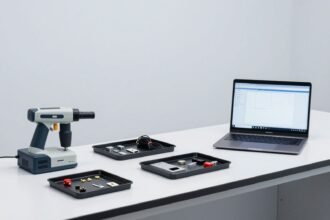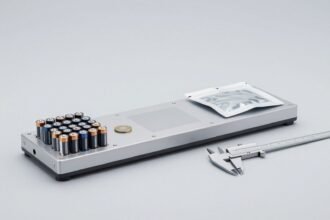
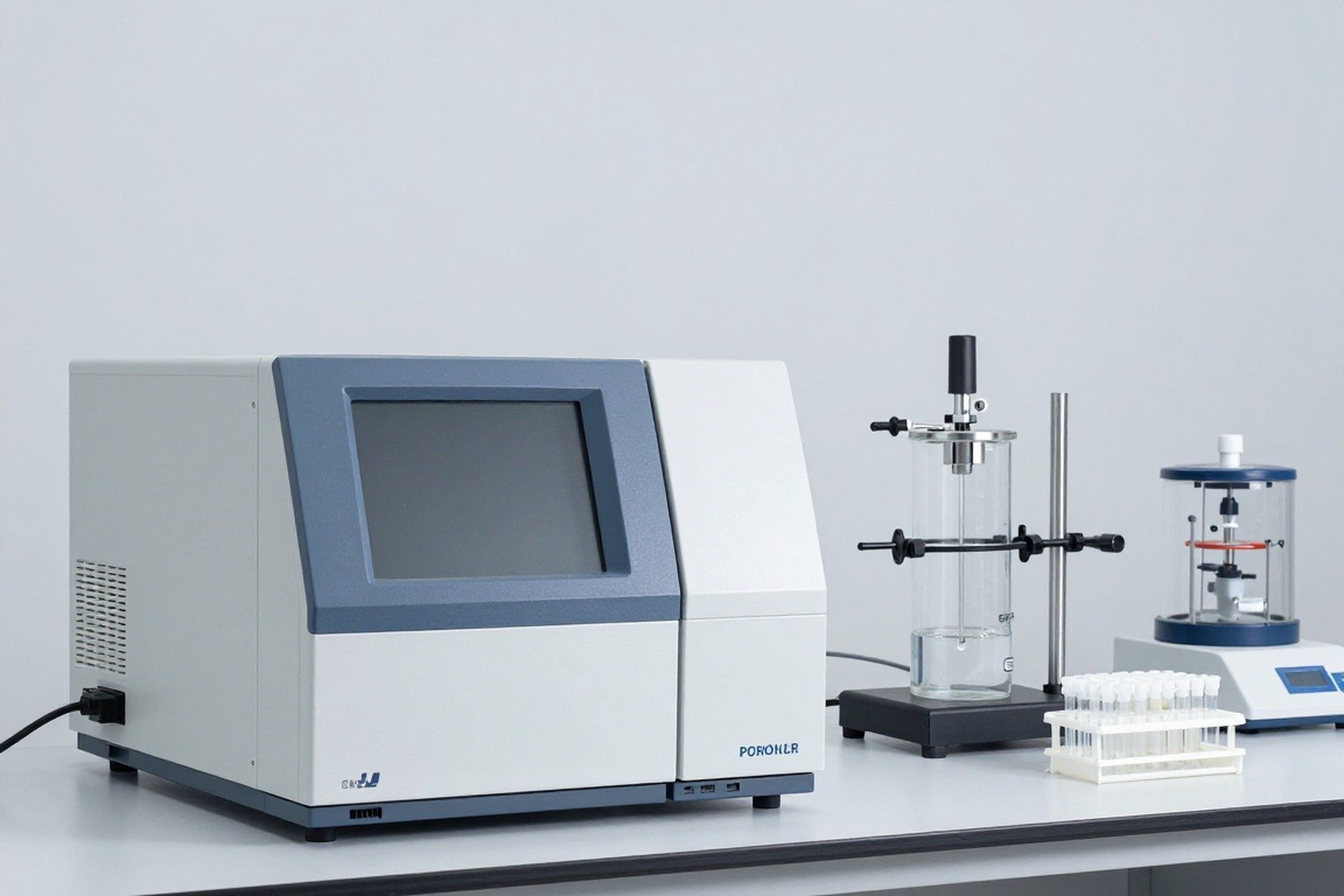
Four phthalates DEHP, BBP, DBP and DIBP were added to the RoHS restricted substances list later than the previous six, and they are “difficult” in a different way. Heavy metals can be screened by XRF right at the factory; Cr(VI) has a rapid colorimetric method. What about four phthalates? There is no other way than analysis by gas chromatography-mass spectrometry (GC-MS). After a sample extraction step, it is easy to make mistakes.
The irony is that phthalates are everywhere in the lab — in gloves, pipes, septum caps, plastic bags, even in air dust. This means that without good control, the testing laboratory can both measure phthalate in the sample and measure phthalate from its own equipment.
This article presents the principle of the test and six traps causing phthalate results to be misleading in both directions: falsely reporting exceeding the limit, or missing samples that actually exceeded the limit.
1. What are these four substances and how do the limits apply?
These are the four esters of phthalic acid, commonly used as plasticiser for soft PVC plastic. Full names and where they usually appear:
| Abbreviation | Full name | Frequent meeting place |
|---|---|---|
| DEHP | Bis(2-ethylhexyl) phthalate | Cable covers, soft plastic pipes, gaskets, wrapping films, glue |
| BBP | Benzyl butyl phthalate | Soft PVC plastic, plastic flooring, printing ink, glue |
| DBP | Dibutyl phthalate | Glue, ink, coating, some types of soft rubber |
| DIBP | Diisobutyl phthalate | Plasticizer to replace DBP, soft plastic, glue |
The applicable limit is the same as the six old substances: 0.1% by mass in homogeneous material (cadmium alone is 0.01%). These four substances are supplemented by Directive (EU) 2015/863; Applicable milestones are valid for each product group need to compare the original text according to your product group.
2. Principle: from plastic piece to GC-MS signal
A phthalate test consists of four consecutive steps; if one step is wrong, the result is wrong:
- Get homogeneous material. The exact layer of phthalate-containing plastic (e.g., the cable’s PVC sheath) must be tested, not the entire cable — because the results are based on the mass of the material itself.
- Extract phthalates from the polymer matrix. Use organic solvents, possibly combined with ultrasound, heating or reflux extraction. With PVC, phthalates are “held” in the polymer network, so sometimes the plastic must be dissolved and then precipitated again to completely release it.
- Separation on gas chromatography column. The mixture is evaporated and separated into each substance according to different retention times.
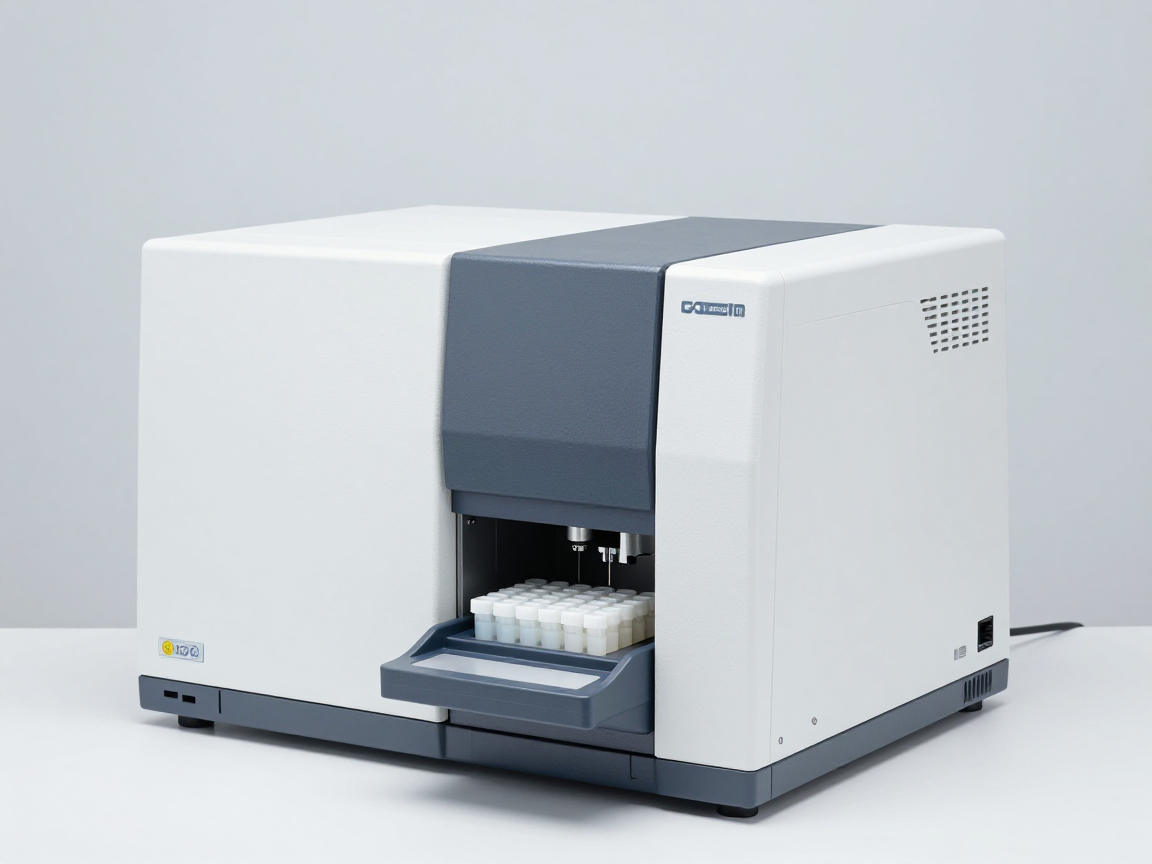
- Detection and quantification by mass spectrometry. Mass spectrometry identifies substances based on characteristic ion spectra; Concentration calculated from standard curve, usually calibrated with internal standard.
This entire technical process is contained within IEC 62321-8 (phthalates in polymers by GC-MS and by Py/TD-GC-MS). The map of the standards set is presented in the article What is IEC 62321?.
3. Why must we start from homogeneous materials?
As with all RoHS substances, phthalates are rated accordingly homogeneous material — smallest unit of material that cannot be further separated by mechanical means. A cable consists of at least three materials: soft PVC shell, reinforcement layer, copper conductor. Phthalates are located mainly in PVC shells; If you grind the entire cable and calculate the percentage, the number will be diluted by the amount of copper and completely misinterpreted.
Three practical consequences:
- Each type of plastic is a separate sample. PVC cover, hard plastic button, rubber gasket, protective film — not combined.
- Colors and additives are also variables. The same type of plastic but different colors may be from different raw material sources; You should try it separately when you have no evidence of the source.
- Glue, ink, labels: small but often contains phthalates and is often omitted from the removal list.
4. Sample preparation: the step that determines accuracy
Most of the error in phthalate testing occurs in the sample preparation step, not in the equipment. Principles of practice:
| Principle | Why? |
|---|---|
| Cut the sample into small pieces using clean tools, avoiding soft plastic | Knives, cutting boards, and PVC bags can release phthalates into the sample |
| Use internal standard added before extraction | Compensates for losses during extraction and evaporation |
| Do not dry until the sample is dry | DBP and DIBP are volatile, loss of sample is loss of signal |
| Run blank samples in parallel | Detect contamination from chemicals, tools, and the environment |
| Add a spike to test for recall | Confirm that the extraction process actually releases phthalates from the matrix |
5. Six common traps
Here are six situations where phthalate results are often wrong — in both “overreporting” and “missing” ways.
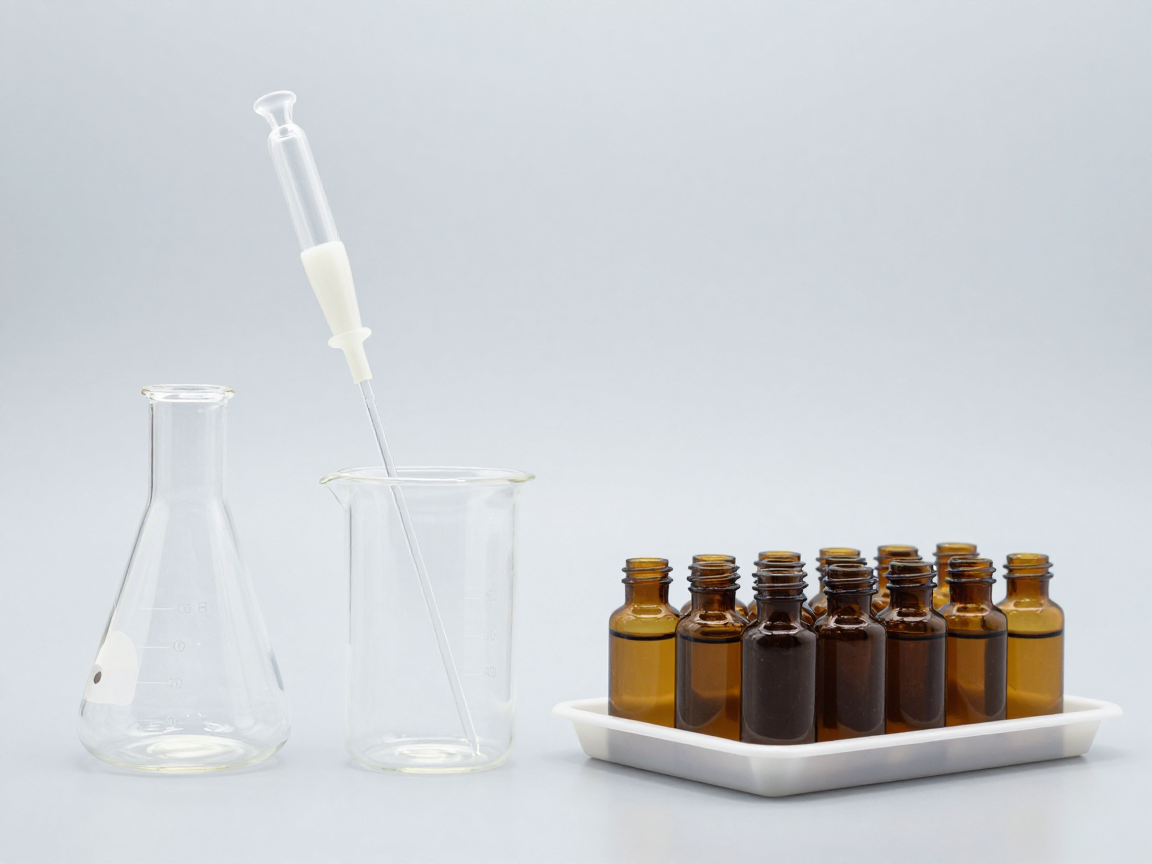
- Background contamination from the test room itself. Phthalates are everywhere: gloves, air hoses, septum caps, plastic bags, dust. Expression is The blank sample also contained phthalates. Prevention: use glassware, limit soft plastic materials in the procedureing area, run blanks in every batch.
- Loss due to evaporation and adsorption. DBP and DIBP evaporate at low temperatures and easily stick to tool walls. Expression is artificially low results compared to reality. Prevention: add internal standard, close the jar, avoid excessive heating.
- Cross-contamination between samples. Keep the same bag or use the same tools between the PVC sample and the hard plastic sample. Expression is Clean samples also “stick” DEHP. Prevention: pack each material separately, especially the sample; Clean instruments between samples.
- Insufficient extraction with difficult background. Phthalates in PVC are more tightly held than in polyolefins; Recovery in PVC can be low with simple ultrasonic soaking. Expression is Low results, not repeatable. How to prevent: check for recovery according to each type of substrate using a standard spiking sample.
- Wrong technique or wrong scope. Typically, XRF is thought to test for phthalates (XRF Absolutely not phthalate), or use pyrolysis screening technique and conclude as quantitative. How to prevent: clearly distinguish screening and quantification; The method cited must be extraction + GC-MS.
- Misrecognition of isomers. DBP and DIBP are two structural isomerism, the mass spectra are almost the same, easy to confuse if the column separates poorly. Expression is misassigning the name of a substance or adding two substances together. How to prevent: separate the chromatogram well enough and compare with the standard.
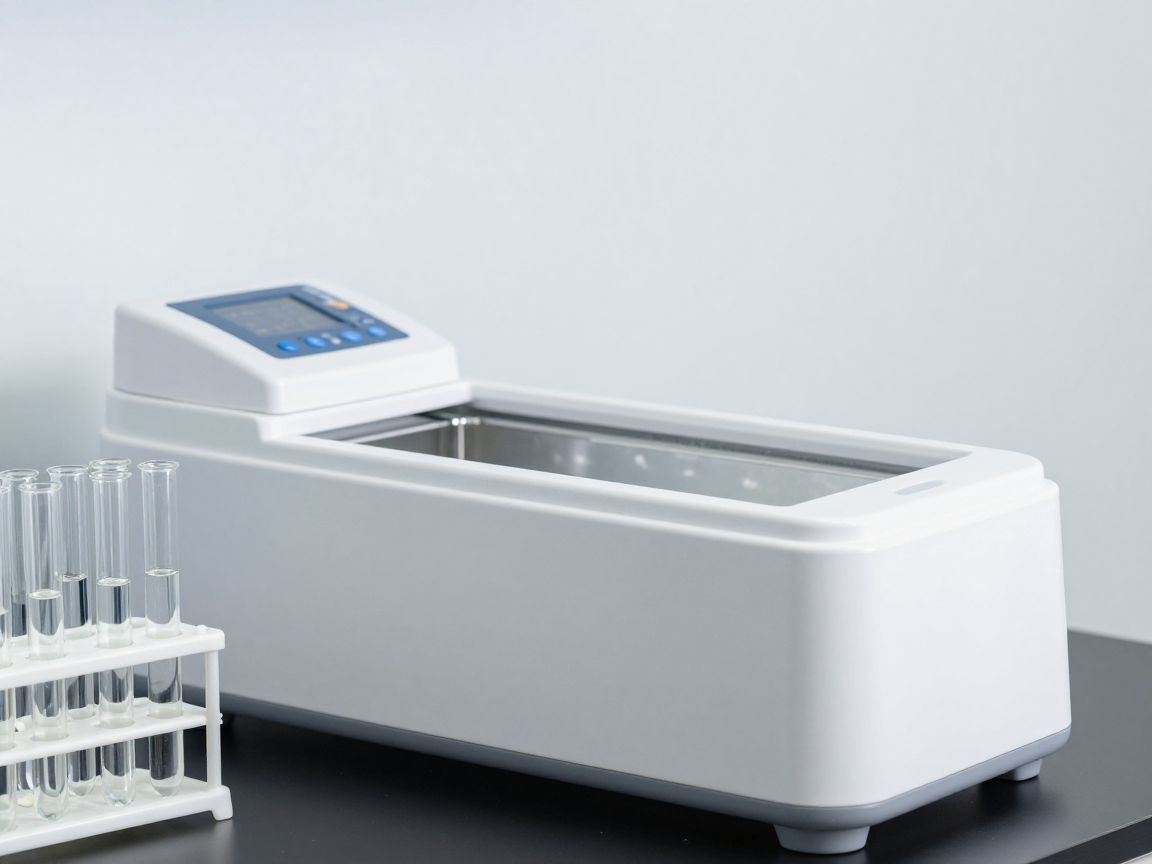
6. Solvent extraction or Py/TD-GC-MS?
| Technical | Nature | When to use? |
|---|---|---|
| Solvent extraction + GC-MS | Dissolve/extract phthalates from the matrix and analyze | Standard quantitative method — used to conclude compliance |
| Py/TD-GC-MS | Pyrolysis/direct thermal adsorption of samples | Quick screening, internal inspection; The results should be confirmed by extraction when used to make conclusions |
Point to remember: these two techniques Do not replace each other arbitrarily. When the dossier needs a certain conclusion of conformity, the method cited should be the standard quantitative extraction method.
7. Read the phthalate results on the report
Four questions to ask when receiving results:
- What is the method? Is the standard (e.g. IEC 62321-8) and technical (extraction + GC-MS) clearly stated?
- Which material does the sample correspond to? The report must identify each homogeneous material (e.g. “power cable PVC sheath”) and not just “plastic”.
- Units and basis of calculation? Results are calculated as % mass of homogeneous material; need to know whether the sample is dry or intact.
- Are there blank samples and recall tests? Without these two things, it is difficult to evaluate the reliability of near-limit results.
8. Frequently asked questions
Does my XRF machine test for 4 phthalates?
No. XRF analyzes elements, but phthalates are organic compounds containing C, H, O — XRF does not recognize them. To test for phthalates, it is required to use the extraction technique + gas chromatography mass spectrometry.
Why do two tests of the same PVC sample give different results?
Usually due to unstable extraction or loss/contamination between times. Three factors commonly cause variation: differential extraction recovery, DBP/DIBP evaporation, and instrument contamination. Testing the spike sample and accompanying blank sample will help determine the cause.
Are DINP, DIDP covered by RoHS?
The four substances restricted under RoHS are DEHP, BBP, DBP and DIBP. Some other phthalates (such as DINP, DIDP) are not included in this list of four substances, but may appear in the same sample and interfere with the analysis. It is necessary to compare the list of substances with the applicable documents for your market.
How to understand the report stating “not detected” (ND)?
“Not detected” means the signal is below the detection limit of the method — not synonymous with “zero.” This value is only meaningful when the detection limit and quantitation limit of the testing laboratory are known. Please ask to clearly state those two numbers.
Can many plastic parts be combined together to make it cheaper?
For the purpose of concluding conformity, it is not recommended: pooling will dilute the signal and lose the ability to trace which material exceeds the limit. Aggregation is only suitable for internal screening once the material structure is clearly understood.
9. Conclusion
The four phthalates are groups of substances cannot be screened by XRF and can only be determined by sample extraction and then GC-MS analysis. The value of the test depends almost entirely on sample preparation and contamination control.
If there are only three things left to do to get this test right, do them: one, get the correct phthalate-containing homogenous material (usually soft PVC); two, always run blanks and recovery tests; three, pack samples separately to avoid cross-contamination. These three things are much cheaper than having to retest a batch because the results are unreliable.
References
- IEC 62321-8 — determination of phthalates in polymers by GC-MS and by Py/TD-GC-MS
- Directive 2011/65/EU and Directive (EU) 2015/863 — addition of the four phthalates DEHP, BBP, DBP, DIBP
- IEC 62321-2 — mechanical sampling and sample preparation (dissection to homogeneous material)
- EN IEC 63000 — technical document for evaluation of electrical and electronic products against quality restriction requirements
Related articles
- RoHS and plastic recycling: why is it most difficult for recycled plastic to achieve RoHS?
- PVC and phthalates in cables: most common cause of limit exceedance
- What is halogen-free? Not covered by RoHS but customers still request it — why?
- PBB/PBDE testing by GC-MS: why recycled plastics are organic bromine hot spots
- What is “homogeneous material”? Misunderstanding this concept is the entire result of RoHS being wrong
- How many samples are enough for a RoHS test kit? Principles for selecting samples, stored samples and control samples
- RoHS test procedure from A to Z: from sample receipt, extraction, screening to reporting
- RoHS technical records according to EN IEC 63000: what must businesses save and submit?
- What does a RoHS test report need to be valid? 9 items cannot be missing
- What capabilities does a RoHS test room need? ISO/IEC 17025, VILAS and scope of accreditation
Discuss further
Disclaimer
This article is an interpretive content compiled by us; not legal advice. Method principles and traps stated according to common testing practices; Businesses need to compare the verbatim standards and regulations applicable to specific products.
See more: Copyright Policy & Disclaimer by ticforall.com.