
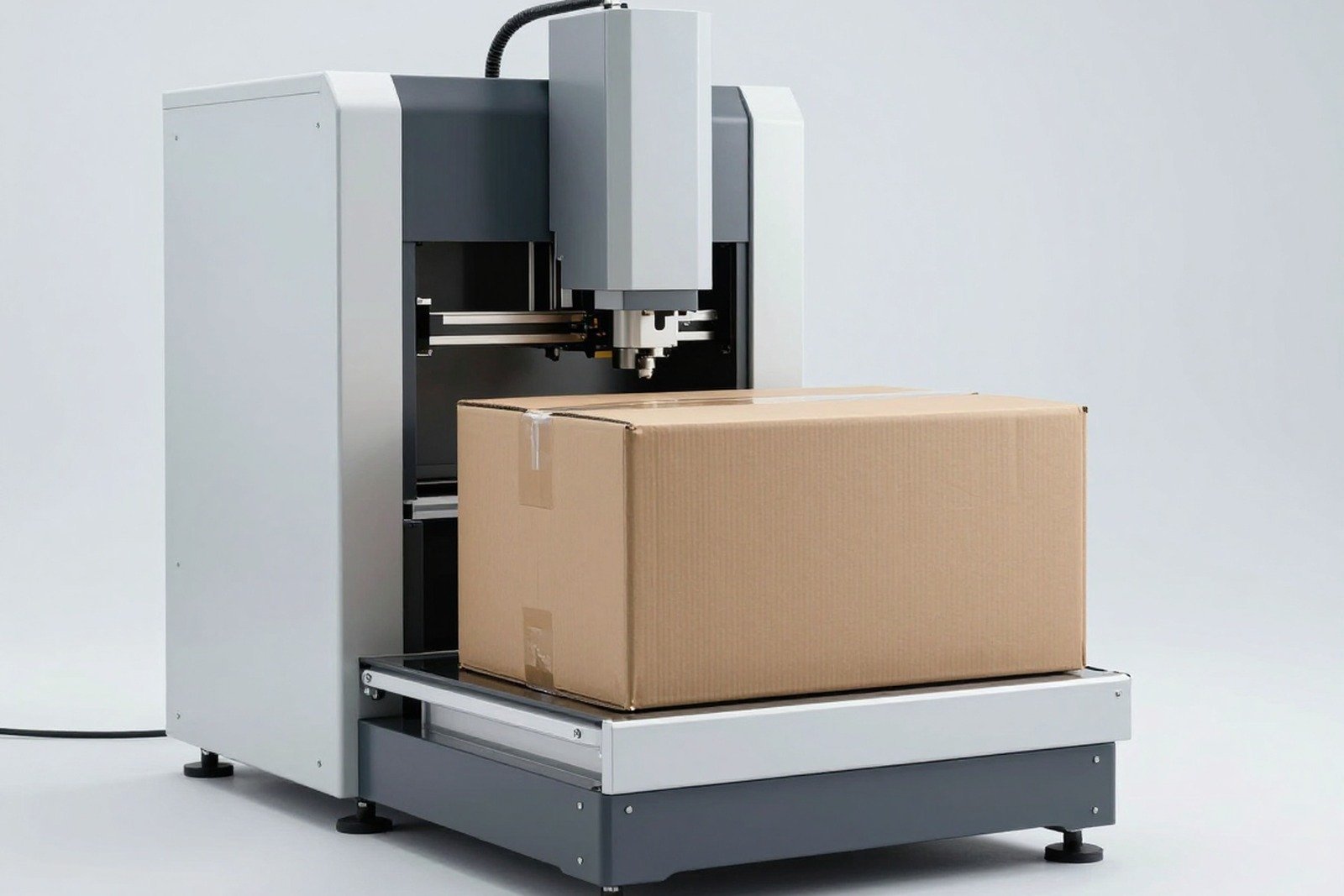
If you have ever worked with the ISTA standards, you will see a pretty clear rule: Each mass group has two test levels — a basic song and an “extended” song with added compression. For groups up to 150 lb (68 kg), the pair is 1A – 1C. For heavier goods, that pair is 1B – 1D.
In this article, we analyze ISTA 1D — process Extended Testing for individual packages weighing more than 150 lb (68 kg): what steps does it include, how is it different from 1B and 1C, when to choose and when to switch to another process.
A note from the beginning: many businesses choose 1D because they think “expanded articles are definitely better”. That’s only true when compression item really has to do with how your goods are stacked in the supply chain. The content below will help you clearly determine that.
1. What is ISTA 1D?
ISTA 1D is the packaging testing process ISTA 1 Series — the most basic group of standards of the International Safe Transit Association.
- Full name: ISTA 1D – Extended Testing for Packaged-Products Over 150 lb (68 kg)
- Version: 1D 2014 (latest technical change March 2014)
- Classification: Non-Simulation Integrity Performance Test — test the overall durability of the product + packaging combination, does not simulate a specific shipping journey
- Subject: each individual package has mass over 150 lb (68 kg), packaged and ready to ship
ISTA states two main uses of 1D: Evaluate protection performance of a packaging option, and relative comparison between packaging/product design options. Products and packaging are considered as a combination, not separate from each other.
Most confusing point: What is the difference between 1D and 1C?
The difference lies in volume threshold, not in strictness:
- ISTA 1C — extended test for packages to 150 lb (68 kg)
- ISTA 1D — extended test for packages over 150 lb (68 kg)
Using the wrong volume threshold is the most common mistake, and also the most costly: the results may be technically correct but Does not describe the product group correctly that the end customer cares about.
One important exception (very easy to miss)
If the package has been fixed into a block on a skid or pallet (unitized load) — or multiple packages bound/wrapped for transport as a single unit — then standard no towards 1D, which towards:
- ISTA 1E — group of tests for unitized loads of the same product type, or
- ISTA 3E — general simulation for full pallet loads sent by truck (FTL)
The reason is very practical: once the goods form a mass on the pallet, it is no longer subject to shocks and vibrations the way an individual package would. 1D testing for a fixed pallet is testing with the right technique but on the wrong subject.
2. Most common misunderstanding about ISTA 1D
The following three misunderstandings determine whether to choose the right or wrong process:
- “1D is an upgrade, so it’s always better than 1B.” — Only true if your goal is related to stacking/compression. Otherwise, 1D adds cost and time without adding value to the question you are trying to answer.
- “Compression in 1D is a test of compression performance.” — No. Here it is conditioning step create a load condition before vibration and shock testing — similar to the role of the compression item in 1C.
- “1D can be used for whole pallet goods.” — No. 1D is for each individual package. Goods are fixed into blocks on pallets/skids ISTA 1E, or 3E If you need a simulation for full pallet goods.
3. What does ISTA 1D test? — 5-step sequence
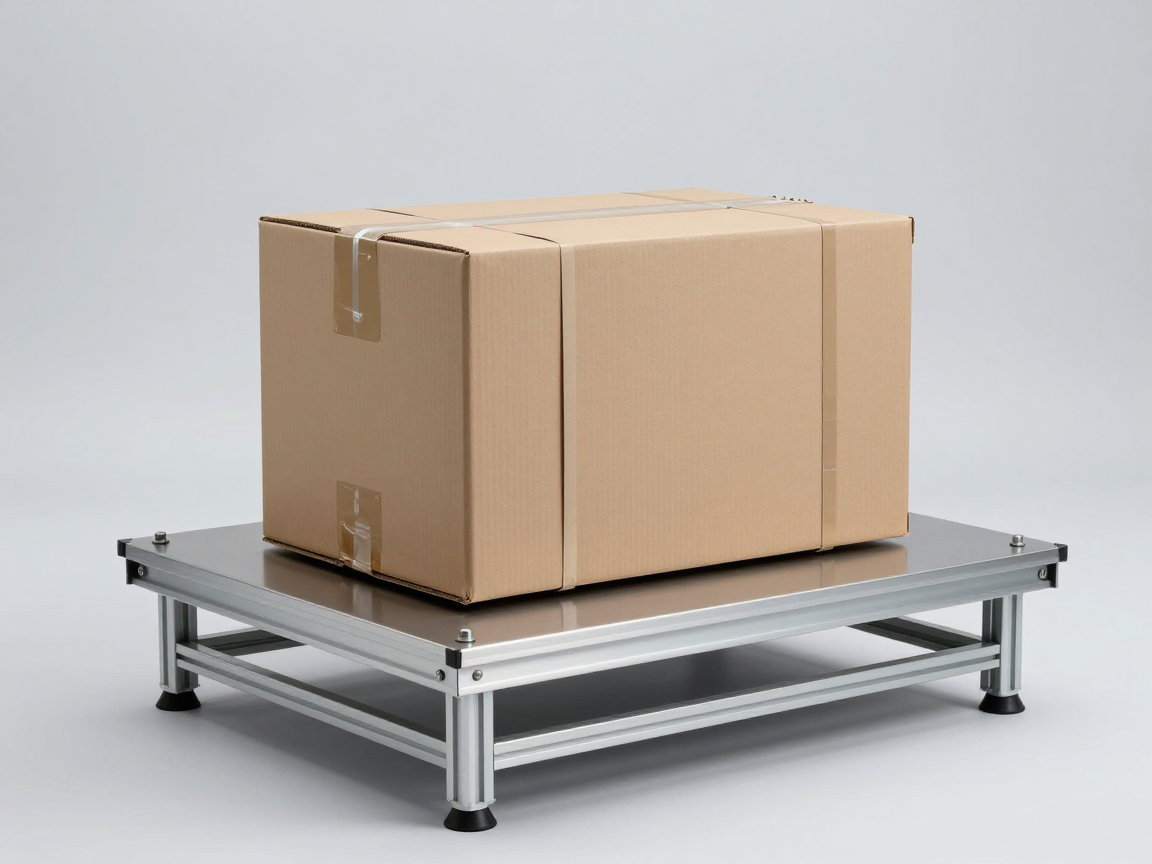
Characteristics of the 1 Series line are performed sequentially on the same sample, do not change the sample midway: the accumulated damage from the previous step is part of the final result.
| # | Test item | Test method | Required |
|---|---|---|---|
| 1 | Conditioning (Atmospheric preconditioning) |
Temperature and humidity at laboratory conditions | ✅ |
| 2 | Compression (Compression Conditioning) |
By compressor or equal to static load (counterweight + transfer plate) — according to specified load/calculation | ✅ |
| 3 | Vibration (Vibration) |
Choose 1 of 2: fixed displacement (fixed displacement) or vibrate randomly (random) | ✅ |
| 4 | Shock (Shock) |
Choose 1 of 3: free fall (drop) / incline impact (conbur) / horizontal impact | ✅ |
| 5 | Shock — Rotational Edge Drop | Try rotating edge impact, for heavy goods | ✅ when no try face 1 |
The specific test levels of each item (load/compression force, displacement level or Grms level, drop height, impact velocity…) are specified in detail in the ISTA 1D 2014 document — please see the original document.
Two core differences from ISTA 1B
- There is an additional compression item (step 2). This is the meaning of the word Extended. 1B has 4 steps; The 1D has 5 steps, where the compression step is inserted immediately after climate control and before vibration.
- Allows random vibration selection instead of just fixed vibration. With heavy loads, random vibration often more closely reflects truck vibration — but not all testing laboratories have vibration tables that meet the required frequency range.
In short: 1D = 1B + compression item + random vibration option.
One detail that is easy to get wrong: the drop height
In the light goods group (lesson 1C), the height falls gradually decreases with volume — the heavier the bale, the lower the drop height. In the heavy goods group (1D), the documents stipulate a specific drop height Applies to groups over 150 lb, not divided into weight ranges like 1C.
Therefore, when reading the test report, do not assume “the drop height of 1D must be different from 1B” — you need to compare the correct table specified in the original document of each standard version.
Step 5 — Rotational Edge Drop: required, but conditional
This is the style edge impact test step rotate/fall, describes a situation where a package topples over during loading and unloading — a situation very typical of heavy goods because it is difficult for the carrier to control the direction of landing.
The standard that specifies this step is Required when the test is not performed on side 1 (top side by convention). If the item has a visible skid/pallet, or testing in that position is not safe, the operator can omit the shock test on side 1 — and then step 5 becomes a compensation. This is a detail that needs clarification before into the lab, because it affects the value of the entire report.
4. Accompanying equipment and method standards
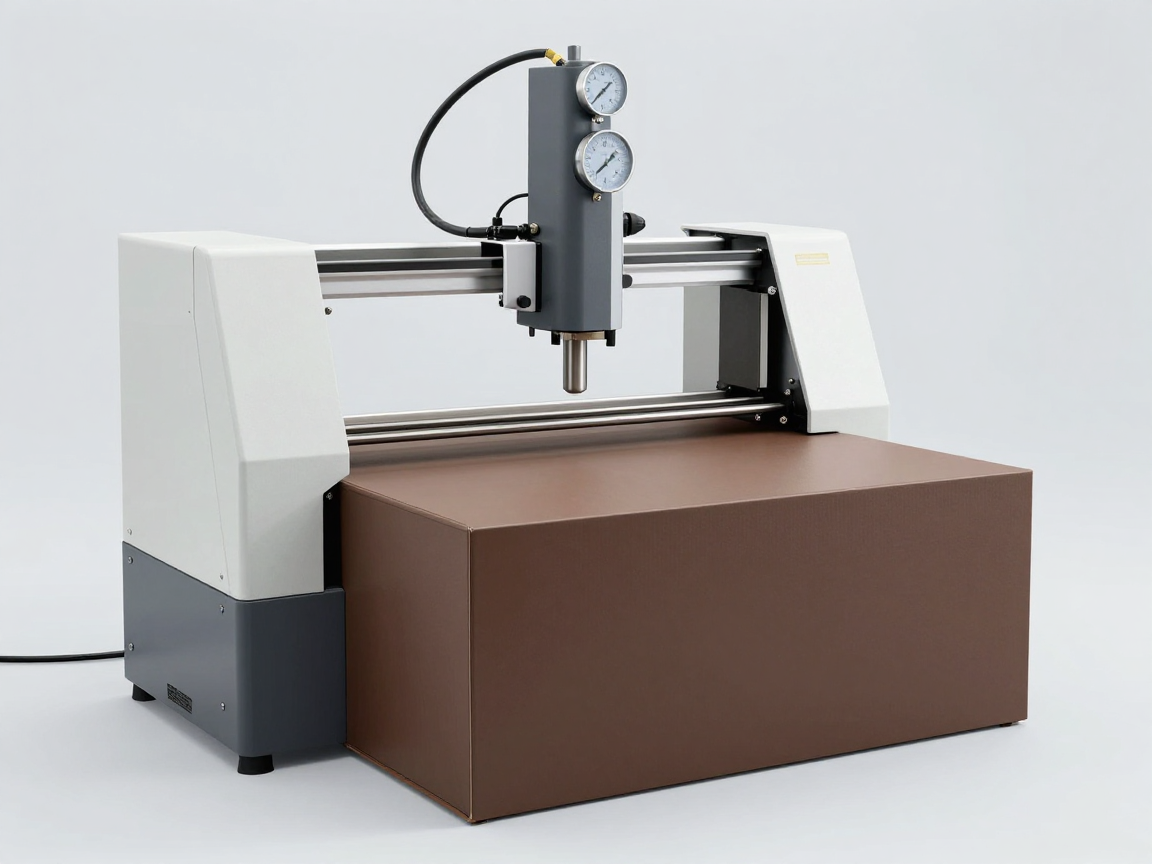
ISTA 1D cites standard test methods, so when you receive the report you can compare it back:
- Compression: Compressor tested according to the method of ASTM D642 (style apply and release — apply load then release); or style apply and hold — hold the load for a specified time; or use static counterweight + load transfer plate when there is no compressor suitable for the package size.
- Fixed displacement vibration: vibrating table with fixed/controlled movement, according to ASTM D999 (method A1 or A2), attached metal shim to detect sample displacement/rotation during vibration, frequency measuring device and stopwatch.
- Random vibration: Table system vibrates randomly ASTM D4728.
- Shock: Free fall tester (drop tester) follows ASTM D5276; Incline impact/conbur testing machine according to ASTM D880; horizontal impact test system ASTM D4003; Rotational edge drop test table follows ASTM D6179.
- Measurement system: The document presents two systems in parallel — the English system (inch–pound) and the SI system (metric). The operator chooses one system as the standard unit and uses it consistently throughout the test; two systems no Absolutely accurate conversion value.
For goods over 68 kg, equipment section sub is equally important as the main equipment: forklift or crane to move the sample, load-bearing floor, and device to stabilize the sample when performing tilt/rotation.
5. Sample number and sample preparation — a mistake in this step will invalidate the entire test
Minimum requirements: 1 sample for the entire procedure sequence.
ISTA Recommendations: perform repetition 5 times or more, each time with a new sample, to have a basis for conclusions about the representative performance of the product + packaging combination. With heavy goods, sample costs are often much higher than with light goods — but testing just one sample and then concluding it is the biggest risk in the entire chain of packaging decisions.
Four points to close before testing (responsibility of the shipper, not the laboratory):
- What is damage? for this product
- Allowable damage tolerance level (if any)
- How to determine product condition at the end of the test
- Packaging condition is considered acceptable at the end of the test
Additionally, the sample must be Genuine product, not tested. Transported packaging should not be considered representative of standard conditions — so samples sent to the laboratory should be over-packaged to protect, or Repackage in new packaging right in the testing room before starting.
6. When should ISTA 1D not be used?
Here’s the part that helps avoid off-target tests — and is a question that should be clear from the start:
| Situation | Recommended standards |
|---|---|
| Package to 150 lb (68 kg), just basic durability needed | ISTA 1A |
| Package to 150 lb (68 kg), requires expansion with compression | ISTA 1C |
| Package over 150 lb (68 kg), just basic durability needed | ISTA 1B |
| Packages over 150 lb, need to expand with compression (this article) | ISTA 1D ✅ |
| Goods Fixed on pallet/skid into one block | ISTA 1E or ISTA 3E |
| Need simulate real journey (parcel, LTL, full truck) | Group Series 3 (3A / 3B / 3E…) |
Two limits to remember: 1 Series no simulation actual transportation hazards, and do not automatically comply packaging regulations of shipping companies. If the end customer or carrier requires a specific process, 1D does not replace that requirement.
7. Common errors when implementing ISTA 1D
- Confusing 1C with 1D. Same “expansion with compression” structure but different mass threshold. This is the most common mistake when businesses choose their own processes.
- Try 1D for goods already on the pallet. Then 1E or 3E should be used — otherwise, the report will be questioned by partners about its representativeness.
- Consider the compression step as a performance compression test. In the 1 Series, compression is calculated conditioning (compression conditioning) — it creates a loading condition before vibration and shock testing, not a conclusion about the packaging’s ability to withstand compression. If you need performance compression data, see the more specialized group processes.
- Use shipped samples. Existing damage distorts all results, and cannot be proven to be caused by the test.
- Skip finalizing pass/fail criteria before testing. The results then become the problem examiner’s point of view — and is entirely subject to debate later.
- No unified system of units. Mixing inch–pounds with metric in the same test can easily lead to errors when calculating compression loads or comparing test levels.
- Try wrong positions in step 5. The rotational edge drop step is required when face 1 is not attempted — skipping or incorrectly performing the pose convention will invalidate the report.
- Consider “reaching 1D” as a commitment that the goods are not damaged. This is a conclusion that the standard itself does not draw.
8. What does the cost and time of ISTA 1D testing depend on?
1D accumulates two expensive factors: Packages over 68 kg (150 lb) and vibrate randomly — type of vibration that requires a vibrating table and a specialized control system, not available in every laboratory. On the same sample, the process also runs the compression and impact items, so the long equipment time and heavy loading and unloading work must be calculated separately.
The remaining three variables are the impact plan selected, number of samples (minimum one sample or five replicates), and documentation requirements. Because both “heavy” and “multi-item” conditions occur at the same time, the price range between labs is often wider than for light items. Summary of common factors: What does the cost and time of ISTA packaging testing depend on?
9. Frequently asked questions
How is ISTA 1D different from ISTA 1B?
Same weight group (over 150 lb / 68 kg), but 1D is extended test: more categories compression conditioning in step 2, and allow selection vibrate randomly instead of fixed displacement vibration. 1B has 4 steps; 1D has 5 steps.
How is ISTA 1D different from ISTA 1C?
Similar structure (conditioning → compression → vibration → shock, with edge impact step according to condition), but different volume thresholds: 1C for packages up to 150 lb (68 kg), 1D for packages over 150 lb (68 kg).
Is ISTA 1D a certification?
No. 1D is testing procedure; The result is a report indicating whether or not the sample met the specified test levels. If the business wants to use the results for the program ISTA Certification, the test needs to be performed at an ISTA-accredited laboratory, in the correct order and with all required items.
How many samples are needed for one ISTA 1D test?
Minimum requirements are 1 sample. ISTA recommends implementation 5 times or more with new samples each time for representative conclusions. If the results are used to make production decisions or customer commitments, a larger number of samples will give a more reliable conclusion.
If my goods are on a pallet, should I use 1D or 1E?
If the goods are fixed as a block on the pallet/skid, the correct direction is ISTA 1E, or ISTA 3E If you need a general simulation for whole pallet goods sent by truck. 1D is for each individual package.
Does ISTA 1D replace carrier requirements?
No. The ISTA document states that the 1 Series does not simulate shipping hazards and does not automatically comply with carrier packaging regulations. The alternative test procedure (if any) must be approved by the requesting party — the end customer or carrier —.
10. Conclusion
ISTA 1D is an extended test for individual packages over 150 lb (68 kg), with two core differences compared to the basic test of the same weight group: there is an additional compression item, and allows selection vibrate randomly.
Three things to remember:
- Choose the correct volume threshold first, choose the test level later. 1C (up to 68 kg) and 1D (over 68 kg) are two different procedures, not interchangeable.
- Compression in 1D is a conditioning step, not performance compression. If your goal is data intensive compression, a different process is needed.
- Goods on a fixed pallet are no longer “individual packages”. — the correct direction is 1E or 3E.
Bottom line: 1D is no substitute for actual risk analysis of the distribution chain. If your goods travel multiple routes or pass through transit points, comparing 1D with 1B, 1E or 3E by shipping channel and package weight is more important than choosing the “strongest” test.
References
The full standard should be searched and ordered directly from ISTA. Below are the public sources used for reference when compiling the article:
- ISTA — Test Procedures (list of current series and projects, accessed September 27, 2026)
- ISTA — Procedure 1D — Overview and equipment required (free overview published by ISTA; not enough to conduct testing)
- ISTA — Certify your Lab (testing laboratory certification program)
Original source: ISTA 1D 2014 – Extended Testing for Packaged-Products Over 150 lb (68 kg), © International Safe Transit Association.
Related articles: – ISTA Series 1 — 7-process overview (1A–1H) – What is ISTA 1A? Packaging testing procedures for packages up to 150 lb (68 kg) – What is ISTA 1B? Complete packaging testing process for packages over 150 lb (68 kg) – What is ISTA 1C? Extensive packaging testing procedures for packages up to 150 lb (68 kg) – What is ISTA 1H? Random Vibration Test Procedure for Packages Over 150 lb (68 kg) – What is ISTA 1E? Test procedure for unitized loads – What is ISTA standard? Instructions for choosing the right shipping packaging test – What is ISTA 2B? Partially simulated packaging test procedures for packages over 150 lb (68 kg) – What is ISTA 2A? Partially simulated packaging test procedures for packages up to 150 lb (68 kg)
Talk to us
Disclaimer and IP acknowledgement
This article is an explanatory content compiled by us for the purpose of introducing and disseminating knowledge. Article is not a translation, copy, abridgement or replacement of the parent standard, and is not evaluated, approved or sponsored by ISTA (International Safe Transit Association)..
The entire content of ISTA standards is copyrighted by the International Safe Transit Association, Inc. (East Lansing, Michigan, USA) — All rights reserved. ISTA® and the ISTA logo are registered trademarks of the International Safe Transit Association, Inc.; Mentioned in this article are for guidance purposes only and do not imply any affiliation, partnership or sponsorship.
Article content For reference only; Before applying for any purpose — testing, evaluation, certification or commercial decision-making — the reader should refer directly to the original ISTA document (the most complete and up-to-date version) and consult an accredited testing facility when necessary.
When performing testing, it is mandatory to use the official, current version of the standard, obtained directly from ISTA. We do not redistribute ISTA materials in any form. Information in this article may be out of date with the current version of the standard.
See more: Copyright Policy & Disclaimer by ticforall.com.