1. What is ISTA 2C?
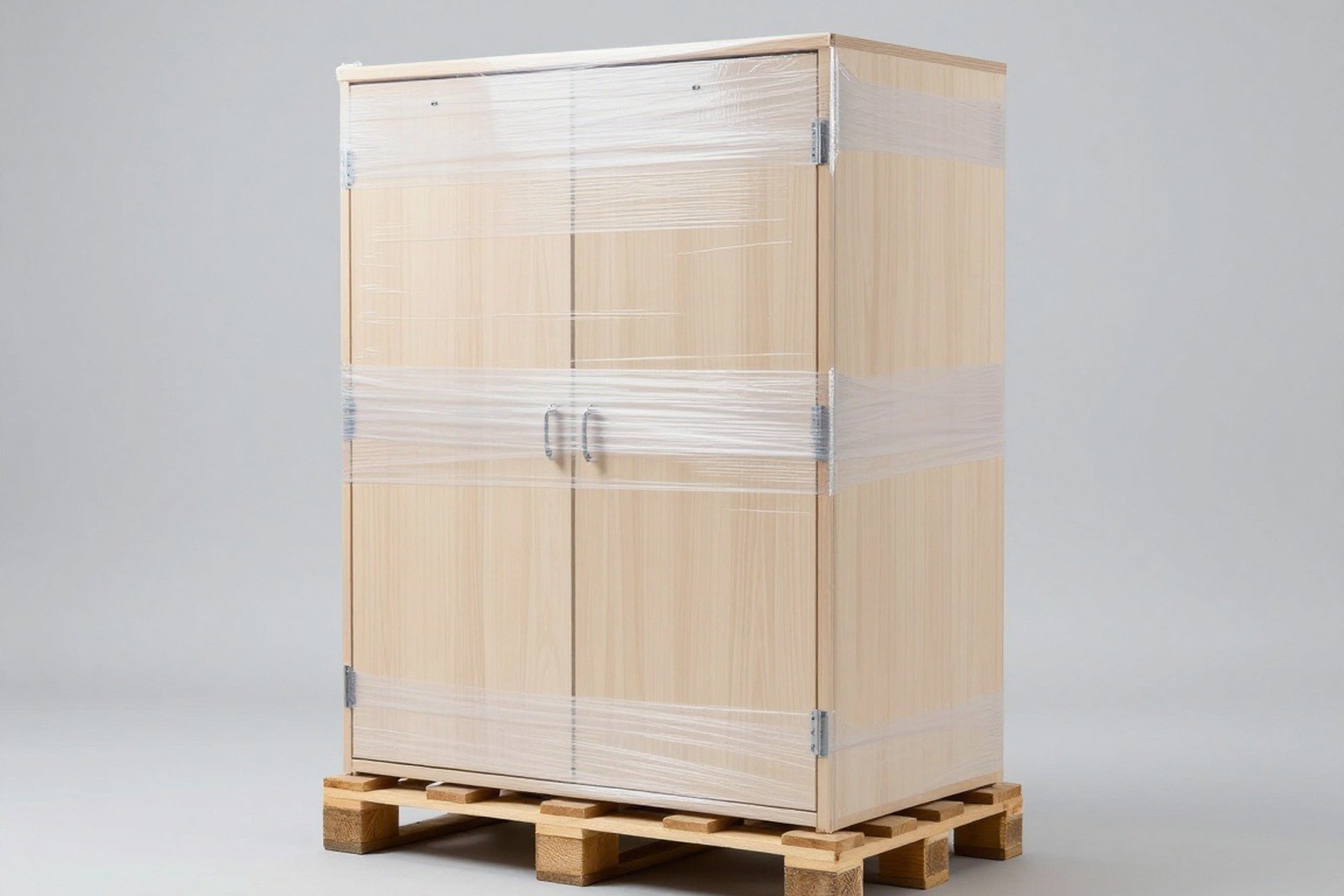
ISTA 2C is the test procedure partial simulation (Partial Simulation Performance Test) of ISTA, applicable to individual furniture packages (Case Goods) — furniture products are packaged and shipped in containers.
It is necessary to understand the correct scope from the beginning: although the name “case goods” in the traditional sense refers to hard goods (not upholstered), ISTA’s overview states that 2C can be used for any type of furniture transported in a container. That means 2C is not limited to wooden cabinets, tables, and shelves.
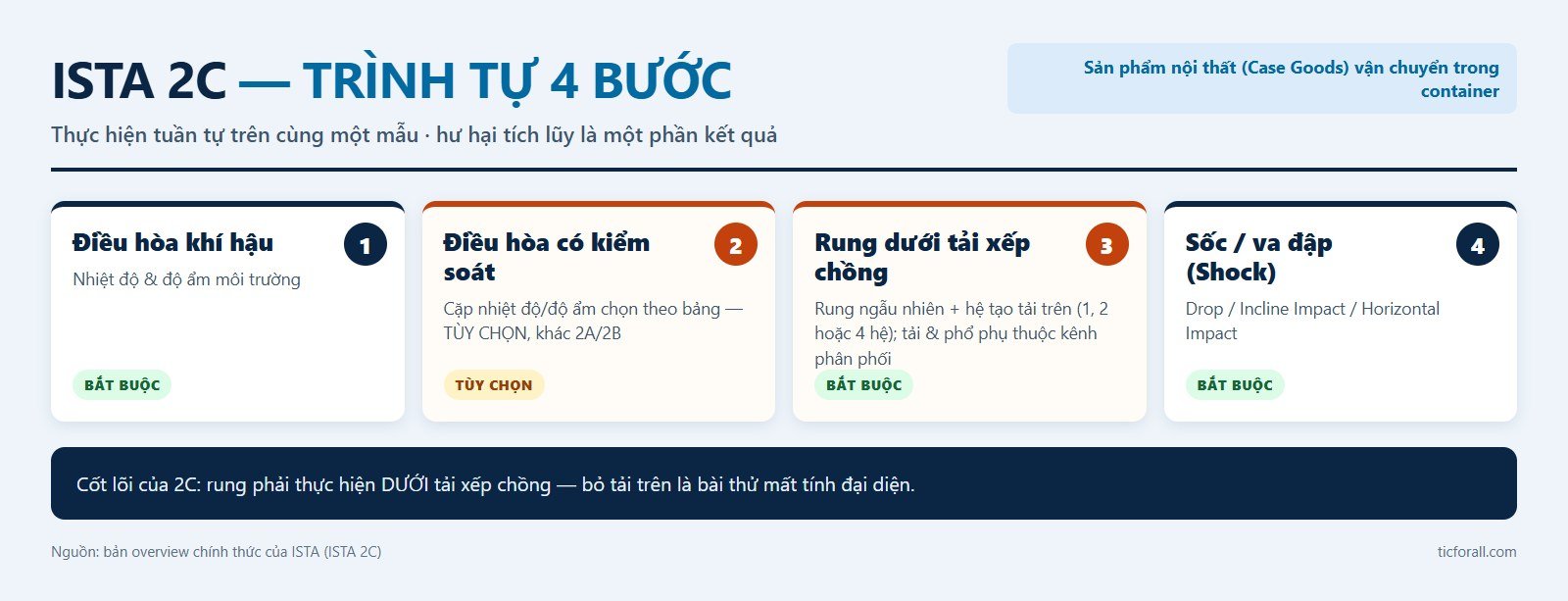
ISTA describes Series 2 as the combines the basic elements of Series 1 with the advanced elements of Series 3. With the 2C, the “advanced” part is where the vibrations are performed vibration under dynamic load — that is, while vibrating, the sample is also forced by an upper load that simulates stacked goods in a container.
Three limitations ISTA states, which should be discussed with the client before using the results: Series 2 articles Challenge the tolerance of packaging and products, but only simulates some real shipping risks, and It is not necessary to comply with the shipping company’s packaging regulations.
2. Most common misunderstanding about ISTA 2C
- “2C is a shaking + falling exercise like the other exercises, just with a different number of steps.” — No. The core difference of the 2C is the vibration performed under stacked load, with The upper load and vibration spectrum depend on the distribution channel, size and configuration of the package. This is a condition that “bare” vibrating exercises cannot simulate.
- “2C can also replace 3A/3E.” — No. 2C is simulation part; ISTA itself suggests considering 3A or 3E if a more general level of simulation is needed. 2C also no automatically meets the shipping company’s packaging regulations.
- “Just stronger vibration is enough for furniture.” — With furniture, damage usually comes from prolonged stacking load combines vibration, and magnetism impact when loading and unloading. Therefore, ISTA places the vibration category under dynamic loading in step 3 and the impact category in step 4, rather than just increasing the vibration intensity.
3. What does ISTA 2C test? — 4-step sequence
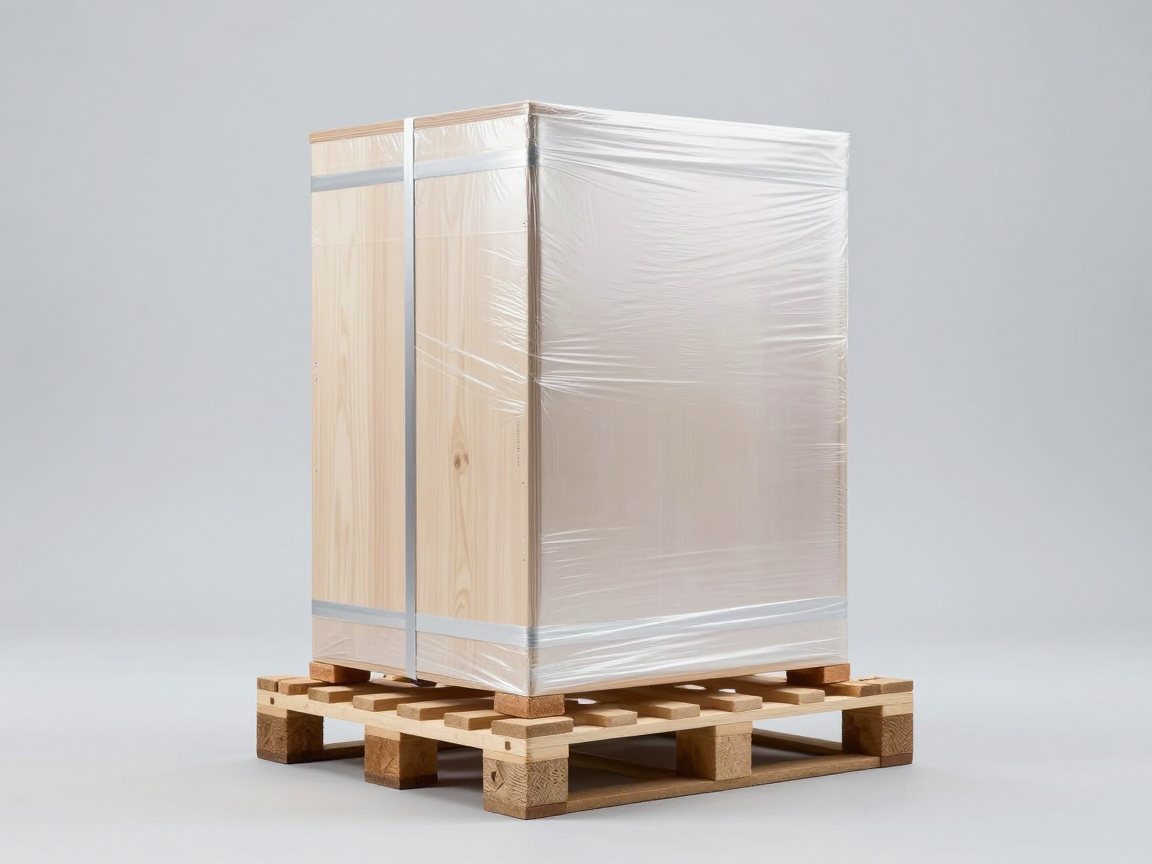
All steps are done sequentially on the same sample. Accumulated damage from the previous step is part of the result.
| Step | Category | Test type | Required |
|---|---|---|---|
| 1 | Atmospheric Preconditioning | Environmental temperature and humidity | Required |
| 2 | Atmospheric Conditioning | Temperature/humidity is selected according to the standard table | Options |
| 3 | Vibration Under Dynamic Load | Random vibration + superimposed load above | Required |
| 4 | Shock | Drop / Incline Impact / Horizontal Impact | Required (with exceptions) |
Different from 2A and 2B (controlled conditioning is required), in 2C step 2 is option. This is the easiest point to make mistakes when planning a test.
Step 1 — Atmospheric Preconditioning
Templates are saved in ambient temperature and humidity conditions according to the time specified in the standard. Temperature and humidity must be recorded. This is a required step, not a performance test.
Step 2 — Atmospheric Conditioning — optional
If selected, the sample enters a conditioning chamber with a temperature/humidity couple Choose according to the table of standards. For furniture, this is a step worth considering if the product has moisture-sensitive materials (industrial wood, glue, plywood, surface paper) and the actual journey goes through high humidity areas.
Step 3 — Vibration Under Dynamic Load
This is a typical category of 2C and is the part that determines the representativeness of the test:
- Use random vibrating table system according to ASTM D 4728.
- The sample is loaded superimposed on top of the flat top-load apparatus — ISTA states that it can be used one, two or four separate load generating systems.
- Load on calculation different accordingly distribution channel, package size and product configuration. Similarly, The random vibration spectrum also differs according to the distribution channel.
Since both the above load and the vibration spectrum depend on the distribution channel, The party sending the sample must clearly determine which channel the goods go to before registering for testing. This is not a parameter that the laboratory can choose for the customer. The full spectrum and loading table is in the original ISTA 2C document.
Step 4 — Shock
Choose one of three methods: Drop (drop height varies according to package weight and according to distribution channels). Incline Impact (Conbur) or Horizontal Impact (impact velocity varies with package weight). The standard includes exceptions (Exception One and Exception Two) for this category — the exception text and height/velocity tables are taken from the original document.
💡 Practical note: With furniture, the most common damage after impact is not “broken” but joint cracking, dented edges/corners, scratches the finish and frame deviation. The four pass/fail criteria must accurately describe these types of damage, otherwise the test will not “see” true damage.
4. Accompanying equipment and method standards
| Category | Equipment | Method standards |
|---|---|---|
| Climate conditioning | Temperature and humidity recording device; conditioning chamber if using optional step | ASTM D 4332 |
| Vibration under dynamic load | Random vibration table system + upper load generation system (one, two or four systems) | ASTM D 4728 |
| Free fall | The machine falls freely | ASTM D 5276 |
| Vertical shock | Shock machine | ASTM D 5487 |
| Incline (conbur) | Inclined impactor | ASTM D 880 |
| Horizontal impact | Horizontal impact system | ASTM D 4003 |
| Raise the rotating edge | Rotational drop device | ASTM D 6179 |
Three things need to be confirmed with the lab before Registration: (1) the above load generation system has enough systems and enough load capacity; (2) vibrating table with travel and size to accommodate bulky furniture; (3) the lab has vibration/load spectrum data corresponding to the distribution channel you declared.
5. Number of samples and sample preparation
With 2C, a sample isn’t just “a package” — it should be Correct interior configuration sold, because the stacking load used in the test is calculated from the package size and configuration.
- Model Number: one sample for the entire sequence; ISTA Recommended repetitions 5 times or more, each time a new sample is used.
- Each configuration is a separate set of samples. If the product is sold in multiple configurations (with or without accessories, packaged, whole or disassembled), prepare samples for the correct configuration to demonstrate and do not mix results between configurations.
- Check size before try-on day: The sample must match the test chamber dimensions and loading system the laboratory will use.
- If you choose a controlled conditioning step (optional step of 2C), the sample must be conditioned to the declared conditions before vibration — otherwise, the conditioning step is just a formality.
- Send sample to lab: Excessive packaging or Repackage with new packaging at the lab.
Set of pass/fail criteria that businesses must finalize before trying: see 4 criteria businesses must determine for themselves before trying.
6. When should ISTA 2C not be used?
| Situation | Recommended procedure | Why? |
|---|---|---|
| Interior passes through Parcel delivery system, each individual package | ISTA 3A | ISTA suggests it directly in the 2C overview |
| Goods come and go whole unit/pallet according to defined distribution channels | ISTA 3E | Correct process group for pallet loads |
| Just basic strength testing at minimal cost, no stacking required | ISTA 1A / ISTA 1G | Fewer categories; but cannot simulate stacking conditions |
| It is necessary to directly compare with conventional carton packaged goods in the same channel | ISTA 2A / ISTA 2B | In the same group of partial simulations, there is a compression category and two vibration steps |
| The customer/carrier requests a specific process | According to that request | 2C does not necessarily comply with the carrier’s packaging regulations |
7. Common errors when implementing ISTA 2C
- Wrong distribution channel declaration. Both the above load and the vibration spectrum depend on the distribution channel; Wrong declaration makes the entire category lose its representativeness.
- Ignore the stacked load because “the vibrating table does not have a load generating device”. Then it’s no longer 2C — vibration under dynamic loading is the core of this process.
- I thought atmospheric conditioning was mandatory (or vice versa, thought it was optional but the customer requested it). In 2C this step is option — need to close with end customers.
- Pass/fail criteria are too general (“product is still usable”). For furniture, you must describe cracked joints, dented edges/corners, scratched finishes, and misaligned frames.
- Using a model that is not in the correct configuration for sale. Missing accessories and different mounting methods cause the calculated load to be incorrect.
- Finalize criteria after testing. Four criteria must be determined in advance; otherwise, the results become the judge’s opinion.
8. What does the cost and time of ISTA 2C testing depend on?
2C has two cost-differentiating features: the vibration steps performed under stacked load the above load generation system is needed (ISTA allows the use of one, two or four separate load generation systems — the greater the number of systems, the greater the preparation work), and Controlled atmospheric conditioning is optional instead of mandatory.
For large pieces of furniture, the cost also depends on the size of the testing chamber and the loading and unloading effort. Whether or not to use air conditioning should be based on the product material and actual journey, and be finalized with the end customer in advance. Summary of common factors: What does the cost and time of ISTA packaging testing depend on?
9. Frequently asked questions
What types of products is ISTA 2C used for?
Give Each individual piece of furniture is transported in a container. Although “case goods” traditionally refers to hard goods, ISTA clearly states that 2C can be used for any type of furniture shipped in containers.
How is 2C different from 2A and 2B?
Three points: (1) vibration category of 2C is implemented under stacked load with the above load generating system; (2) upper load and vibration spectrum depends on the distribution channel; (3) controlled atmospheric conditioning step at 2C is option, while in 2A/2B it is mandatory.
What is the above load generation system?
A system that places a load on the sample while vibrating, simulating the stacking of goods in a container. ISTA allows use one, two or four separate load generating systems depending on configuration and requirements.
Do I have to choose a controlled conditioning step?
Standard is left as an option. The decision should be based on the product’s material and actual riding conditions — and should be finalized with the end customer before testing.
Does reaching 2C mean the interior is not damaged during transportation?
No. The result means that the sample has withstood the specified test sequence, compared with Failure criteria are determined by yourself before testing. 2C is still a partial simulation.
If my goods go in both parcel and container, which process should I choose?
Main distribution channels need to be identified and risks need to be demonstrated. For parcel, ISTA suggests 3A; For interior box containers, 2C is the partial simulation option. Many businesses try to follow the channel with the largest proportion first.
10. Conclusion
ISTA 2C is a partial simulation procedure for Case Goods are transported in containers, with 4 steps: atmospheric conditioning at ambient conditions, controlled atmospheric conditioning (optional), random vibration under superimposed load, and impact.
The bottom line: the value of 2C lies in the category of vibration under dynamic load — and this category is only true when Distribution channels, top load and package configuration are declared accurately. Omitting the stacked load or incorrectly declaring the distribution channel will make the test unrepresentative, even if all other steps are still taken.
References
- ISTA — Test Procedures (list of current series and procedures)
- ISTA — Procedure 2C — Overview and equipment required (free overview published by ISTA)
- ISTA — Certify Your Lab (information about laboratory certification)
- ASTM — method standards cited in the procedure: D 4332, D 4728, D 5276, D 5487, D 880, D 4003, D 6179
Related articles
- What Is the ISTA Standard? How to Choose the Right Transport Packaging Test (3A, 6-Amazon, ASTM D4169)
- What is ISTA 2A? Partially simulated packaging test procedures for packages up to 150 lb (68 kg)
- What is ISTA 2B? Partially simulated packaging test procedures for packages over 150 lb (68 kg)
- What Is ISTA 1A? A Detailed Look at the ISTA 1A Packaging Test Procedure
- What Is ISTA 1G? Random Vibration Testing for Packages Up to 150 lb (68 kg)
- What Is ISTA 1E? The Test Procedure for Unitized Loads on Pallets
- ISTA Packaging Test Pass/Fail Criteria: 4 Things You Must Decide Yourself
- What is ISTA 3A? Packaging test procedure for parcel delivery system (Parcel Delivery)
- What is ISTA 3E? Procedure for testing unitized load traveling by full truck (FTL)
Discuss further
Disclaimer and acknowledgment of intellectual property rights
This article is an explanatory content compiled by us for the purpose of introducing and disseminating knowledge. Article is not a translation, copy, abridgement or replacement of the original standard, and is not evaluated, approved or sponsored by ISTA (International Safe Transit Association)..
The entire content of ISTA standards is copyrighted by the International Safe Transit Association, Inc. (East Lansing, Michigan, USA) — All rights reserved. ISTA® and the ISTA logo are registered trademarks of the International Safe Transit Association, Inc.; Mentioned in this article are for guidance purposes only and do not imply any affiliation, partnership or sponsorship.
Article content For reference only; Before applying for any purpose — testing, evaluation, certification or commercial decision-making — the reader should refer directly to the original ISTA document (the most complete and up-to-date version) and consult an accredited testing facility when necessary.
When performing testing, it is mandatory to use the official, current version of the standard, obtained directly from ISTA. We do not redistribute ISTA materials in any form. Information in this article may be out of date with the current version of the standard.
See more: Copyright Policy & Disclaimer by ticforall.com.