Home Blog Page 4

RoHS for textiles, footwear and toys: when does RoHS NOT apply?

0
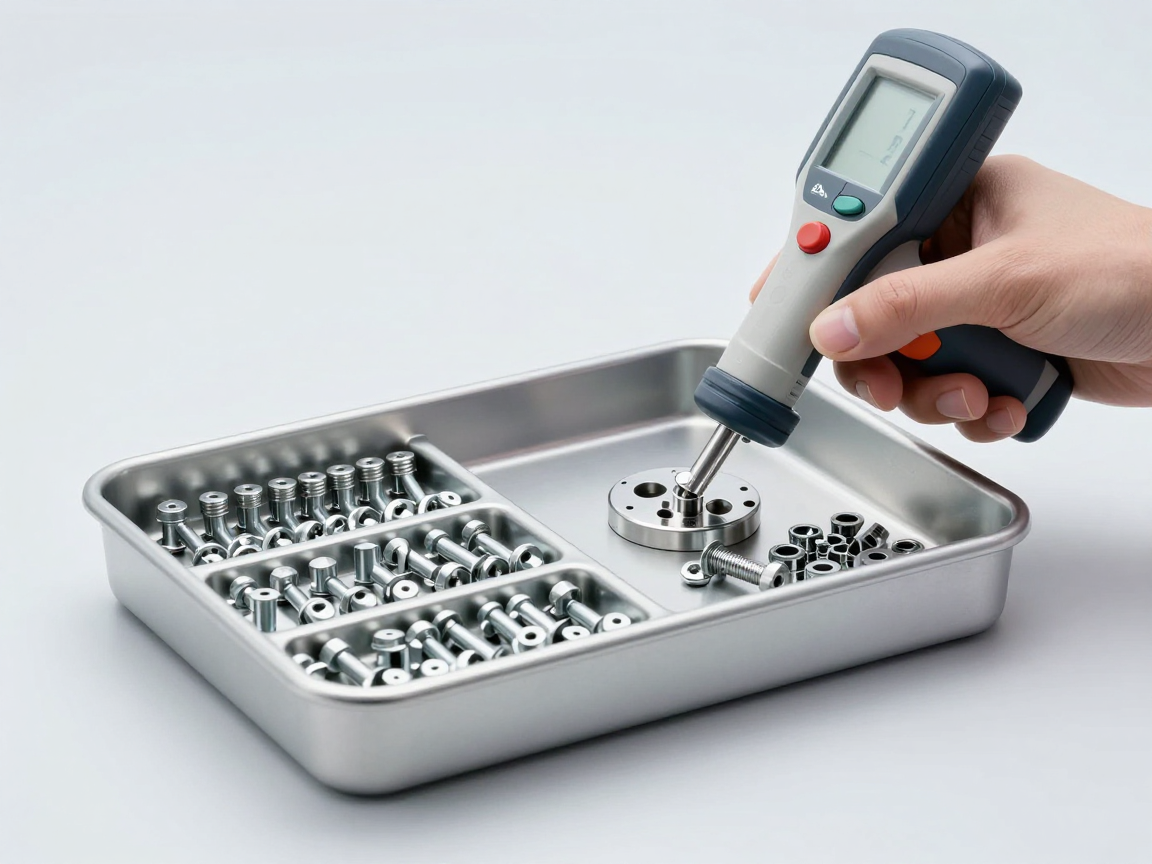
Cover image of the article «RoHS for textiles, footwear and toys: when does RoHS NOT apply?»

“Is this batch of textile goods subject to RoHS?” — the question sounds simple, but it is the reason why many businesses make incorrect documents in both directions: either overdoing it (wasting money on non-applicable requirements), or underdoing it (omitting the regulatory framework that actually applies).

This article states the principles for determining the scope, compares the applicable framework for each product group and points out cases of “having electricity but not falling under RoHS”.

1. Original principle: RoHS only applies to electrical and electronic equipment

RoHS applies to devices that require electric current or electromagnetic fields to operate. Three decisive questions:

  1. Does the product require electricity or electromagnetic fields to operate?
  2. If so, is the part that creates that function a separate device or just an accessory?
  3. Is the final product in the group regulated as separate electrical and electronic equipment or just a part of another product?

If the first answer is “no”, RoHS does not apply — regardless of whether the product has a technical label or not.

2. The framework applies to each product group

Product group Does RoHS apply? Alternate main frame
Textiles do not have electrical functions No EU chemical regulations on substance restrictions in textile products, product safety requirements, and individual label requirements
Shoe leather No EU substance restriction regulations, including hexavalent chromium limits in leather products; product safety requirements
The toy has no electrical function No Toy safety in the EU, destination market regulations, chemical requirements for toys
Toys with electrical and electronic functions Yes, for the electrical part At the same time, it must meet toy safety requirements
Clothing with LED lights or sensors Yes, for the electrical assembly Combine textile requirements and electrical equipment requirements
Shoes with lights or electronic modules Yes, for the electrical assembly Combination of leather chemical requirements and electrical equipment requirements
The bag has an electronic lock and charging pocket Yes, for power module Combines general requirements and electrical equipment requirements

Worth noting: for shoe leather, the requirement for hexavalent chromium — which is often associated with RoHS — comes from the EU substance restriction framework for leather products, not RoHS. This is a common source of confusion when a business makes both leather goods and electronic goods.

Samples of fabrics, leather and small electronic components are collated according to different regulatory frameworks
Both are consumer goods, but the application framework is different depending on the material and function.

3. Three cases of “having electricity but not under RoHS”

Case Why is it not within the scope? Still what to do?
The ornament has a battery just to glow In most cases, it is considered an accessory to the main product, not a separate device Check product safety requirements and battery requirements; Confirm again if sold separately
Electrical accessories supplied with the device are not within the scope May be in scope if sold separately or has its own function Clarify the selling method and actual function of the accessory
Electronic parts installed in vehicles, machinery, and medical equipment There is a separate frame for the final product Apply the framework of the end product and customer requirements

Pragmatic rule: if in doubt, ask the customer in writing what framework applies to the end product, rather than guessing from the product name.

4. Why do customers still ask about RoHS for textiles?

  • General purchasing requirements: Many corporations use a request form for every product group, including the RoHS section.
  • Broad interpretation: “RoHS” is used as a general name for a group of substance restriction requirements.
  • There is an electrical part in the product: Many modern textile items have small electronic modules.
  • Avoid risks: Customers want to be sure the supplier understands the scope properly before signing the contract.

The appropriate response is not “don’t have to do it” but: confirm whether the product has an electrical or electronic part, state which framework actually applies, and propose the corresponding set of documents.

Communicate with customers to determine the regulatory framework applicable to the product
Written confirmation of the applicable framework is much cheaper than re-doing the application.

5. Five questions you should ask your customers

  1. Does the product have electrical and electronic functions, and is that part sold separately?
  2. Is the main target market EU, US, Japan or many markets?
  3. Does the customer have a separate substance request form?
  4. Does the product come into direct contact with the user’s skin?
  5. Do customers require specific standards beyond legal regulations?

Review the scope of application and list of documents for each product group
Clarifying the scope before writing the application helps avoid both overwork and underwork.

6. Frequently asked questions

So what documents do textile and garment products need?

Usually a test report requested by the customer for restricted substance groups applicable to textile materials, accompanied by a manufacturer’s declaration. Specific content depends on the market and customers.

What if the customer still requires a RoHS report?

Can be discussed to agree on appropriate standards for materials. If the customer requests it, it can be tested according to the restricted substance list for risky materials and clearly stated in the scope of application report.

Are shoe leather tested for hexavalent chromium?

Yes, but according to the substance restriction framework for leather products, not according to RoHS. Applicable limits and test methods are also different.

What about handbags with wireless charging modules?

The charging module has its own electrical function, so that part falls under the scope of electrical and electronic equipment. Need records for electrical parts, and records for leather or fabric materials.

How do you know if an electrical accessory is a separate device or an accessory?

Based on the actual function and how it is marketed: if the accessory can operate independently and is sold separately, it is likely to be considered a separate device.

7. Conclusion

RoHS only applies to electrical and electronic equipment. Textiles, footwear and toys without electrical functions are outside the scope of RoHS, but must still meet the target market’s other substance restriction frameworks.

Three things to do: clearly determine whether the product has electrical or electronic components; Record the applicable frame for each product code in the file; and confirm in writing with the customer before testing begins.

References

  • Directive 2011/65/EU and its amendments (RoHS) — definition of electrical and electronic equipment and scope of application.
  • Regulation (EC) 1907/2006 (REACH) — substance restrictions relating to textile, leather and consumer products.
  • Directive 2009/48/EC on toy safety and the EN 71 series of standards.
  • EU general product safety regulations for consumer goods.

Related articles


Discuss further


    Disclaimer

    This article is an interpretive content compiled by us; not legal advice. Enterprises need to compare relevant documents/standards verbatim before applying them to specific products.

    See more: Copyright Policy & Disclaimer by ticforall.com.

    CE marking for electronics: RoHS, EMC, LVD — and why WEEE is a different story

    0
    Cover image of the article «CE marking for electronics: RoHS, EMC, LVD — and why WEEE is a different story»

    The CE mark appears on nearly every electronic device sold in Europe, but very few businesses can answer exactly on what legal basis the mark is applied. And that is the point where the goods are held back.

    This article explains what CE marking actually is, what directives commonly apply to electronics, why WEEE is not included in the CE marking directives, and five common mistakes.

    1. The CE mark is not a certification

    CE marking is the result of the manufacturer’s (or authorized representative’s) self-assessment and declaration that the product meets all applicable directives. This is not a third-party certification for most common electronic products.

    Three important consequences:

    • The CE mark is only correct when the documents are correct: Without corresponding documents, the CE mark is invalid.
    • The CE mark covers many directives at the same time: The lack of an applicable directive means that the CE marking is invalid for the entire product.
    • Responsibility belongs to the person who affixes the seal: usually the manufacturer, or the importer when the product comes from outside the EU.

    2. Directives often apply to electronic goods

    Directives/regulations Content When to apply
    Electromagnetic compatibility (EMC) The device does not cause excessive interference and is tolerant to interference Nearly every device has electronic circuits
    Low Voltage Safety (LVD) Safe for equipment to operate within a specified voltage range Equipment in the a.c. voltage range of approximately 50 V to 1,000 V or the corresponding d.c. range
    Radio equipment (RED) Requirements for equipment with radio transmitting or receiving functions The device has Wi-Fi, Bluetooth, and mobile signal
    RoHS Restrict substances in electrical and electronic equipment Equipment covered by the Directive
    Eco design/sustainable products Requirements by product group When the product belongs to the adjusted group
    General product safety Safety requirements for consumer products Widely applicable, including products under the voltage range of LVD

    Point to note: many electronic products have small capacity or use low DC power not covered by LVD. Then it is still necessary to meet safety requirements, but the basis of assessment lies in general product safety regulations, not LVD.

    Four groups of technical documents correspond to different directives for electronic goods
    CE marking is the result of many directives at the same time, not of a single set of documents.

    3. Why is WEEE different?

    Criteria The directive belongs to the CE marking group WEEE
    CE marking facility Yes No
    Nature of obligation Safety, electromagnetic compatibility, limited substances Registration, volume reporting, collection and recycling responsibilities
    Management agency Market surveillance agency Environmental agency of each member state
    Labeling requirements CE marking and identification information Individual collection symbols and manufacturer identification information
    Place of performance According to the manufacturer’s technical records According to registration in each country

    In other words: WEEE is a parallel obligation but not a “leg” of the CE marking. Businesses must still meet both, but do not use WEEE records to prove CE marking and vice versa.

    4. Five common mistakes

    Mistake Reality Consequences
    Apply CE mark when only RoHS test report is available Lack of EMC, electrical safety and other directives CE marking is not valid on the entire product
    Apply LVD to all electronic products LVD only applies within a specified voltage range Making wrong documents costs unnecessary money
    Eliminate EMC for devices with digital circuits Digital circuits almost always involve electromagnetic compatibility requirements Missing an instruction, the goods are detained
    Consider WEEE as part of the CE mark WEEE is a separate obligation, not part of the seal application Not registered in the country of sale
    Do not update records when design changes Changing components, sources, and antennas can all affect results CE marking based on records is no longer correct
    Technical documents according to each directive are gathered in the same set
    Each directive has its own documentation, but all are collected in one technical dossier.

    5. How to determine enough “legs” before stamping

    1. Determine the nature of the product: Is there an electronic circuit, is there a radio function, what is the operating voltage?
    2. List applicable directives According to each of those characteristics, record it in the records according to the product code.
    3. Prepare separate documents for each directive: Test reports, evaluations, design documents.
    4. Check obligations beyond the CE mark: WEEE, registered by country, requires private label.
    5. Sign the unified declaration of conformity clearly state the applicable directives.
    Review the list of directives applicable to product codes before affixing the CE mark
    List of directives by product code is the first step and also the most overlooked step.

    6. Frequently asked questions

    Is third-party certification required for CE marking?

    For most common electronic products, no. Manufacturers make their own assessments and take responsibility. Some product groups have their own requirements for designated organization participation.

    Does a product using a 5V battery have to be made LVD?

    Normally not within LVD range if operating outside the applicable voltage range. However, it still must meet general product safety requirements, EMC and RoHS.

    Is WEEE needed to sell products on e-commerce platforms?

    Yes. E-commerce platforms in the EU often require proof of WEEE registration and responsible person in the EU, in addition to CE records.

    If I only sell goods to businesses, do I have to have CE stickers?

    It still applies if the product falls within the scope of the directives, whether sold to businesses or consumers. CE marking is required to be attached to the product, not to the sales channel.

    How long do CE records stay?

    According to the time limit specified by each directive; with RoHS, it is ten years from the time the product is brought to market. The longest period of the applicable directives should be applied.

    7. Conclusion

    CE marking for electronic goods is the result of several directives at once: electromagnetic compatibility, electrical safety (if within the applicable voltage range), radio equipment (if applicable), RoHS and eco-design requirements where applicable. WEEE is a parallel obligation but is not included in the group of CE marking directives.

    Three things to do: create a list of directives applicable to each product code; Prepare separate documents for each directive in the same dossier set; and check the obligations beyond the CE mark before delivering the first batch.

    References

    • Directive 2014/30/EU (electromagnetic compatibility) and Directive 2014/35/EU (low voltage safety).
    • Directive 2014/53/EU on radio equipment (RED).
    • Directive 2011/65/EU and its amendments (RoHS).
    • Directive 2012/19/EU (WEEE) on waste electrical and electronic equipment.

    Related articles


    Discuss further


      Disclaimer

      This article is an interpretive content compiled by us; not legal advice. Enterprises need to compare relevant documents/standards verbatim before applying them to specific products.

      See more: Copyright Policy & Disclaimer by ticforall.com.

      Which step is wrong? Analysis of 5 situations where goods are recalled because of RoHS

      0
      Cover image of the article «Which step is wrong? Analysis of 5 situations where goods are recalled because of RoHS»

      Recalls due to RoHS rarely originate in the test room. It often starts with a customer email, a request from a market surveillance agency, or a shipment being held at the border — then the business goes looking for the cause.

      This article analyzes five typical situations in the same framework: what happened, what were the early signs, what went wrong, and how to prevent it.

      1. Five typical situations

      Situation 1: Changing material suppliers without notice

      Content Details
      Developments Metal parts supplier changes alloy source to reduce costs, without notifying customers
      Early signs The surface color of the part changes slightly, or the input screening result is different from the standard sample
      Which step is wrong? The contract lacks a change notification clause; Do not recheck the first batch when there are signs of difference
      Consequences Cadmium or lead in the alloy exceeds the limit, affecting many delivered batches

      Situation 2: Using the same records for many product codes

      Content Details
      Developments The new product code is developed from the old code, adding a new detail but still using the old code’s compliance records
      Early signs The material take-off of the new code has materials that do not appear in the test report
      Which step is wrong? The process of approving new product codes does not require updating regulatory compliance documents
      Consequences New details surpass the limit in the group of substances that have never been tested

      Situation 3: Old inventory components mixed into new batch

      Content Details
      Developments The warehouse still has spare parts produced before the conversion, which can be used to compensate for new batches when there is a shortage of goods
      Early signs The delivery note shows a different supplier or batch code than the confirmed materials list
      Which step is wrong? Failure to quarantine and label unconfirmed inventory supplies
      Consequences Part of the shipment contains lead or restricted substances from old supplies

      Scenario 4: Input recycled plastic contains old flame retardants

      Content Details
      Developments Recycled plastic purchased from common sources contains brominated flame retardants from old electronics
      Early signs Bromine screening results increased abnormally in some batches of raw materials
      Which step is wrong? Not controlling each batch of recycled materials according to high-risk
      Consequences PBB or PBDE exceeds the limit in plastic and is difficult to handle because it enters the product

      Situation 5: Plating from a processing supplier

      Content Details
      Developments The plating unit switches to a hexavalent chromium passivation layer to meet corrosion resistance requirements
      Early signs The coating color turns yellow, or the total chromium results increase on screening
      Which step is wrong? No process commitment is required and no initial batch validation is attempted
      Consequences Cr(VI) in the plating layer exceeded the limit on many installed parts
      Rà soát hồ sơ và mẫu component để xác định phạm vi ảnh hưởng
      What all five situations have in common: risk comes from uncontrolled change.

      2. Summary table: which step is wrong?

      Situation Broken stitching The most effective prevention measure
      Changed supplier without notice Contract and input check Terms of notification of changes and screening of the first batch
      Shared profile Approve new product code It is mandatory to review regulatory compliance documents when new details are available
      Inventory materials Warehouse management Isolate and label the status of supplies
      Recycled plastic Raw material control Screen each batch of high-risk materials
      Machined plating Sub-supplier Commit to the procedure and test to confirm the first batch

      3. Five-step process when detecting limit exceedance

      1. Localize now: Determine batch, product code, time period and quantity delivered.
      2. Evaluate the scope of influence: Trace materials by batch and supplier to know which batches are affected.
      3. Find the root cause: distinguish between random errors and systematic errors; Check for material change traces.
      4. Corrective action: Replace materials, retest, update technical records and declare conformity.
      5. Notice: Notify customers and, when necessary, competent authorities according to the level of impact.
      Họp xử lý sự cố chất lượng với hồ sơ và mẫu component trên bàn
      Quick zoning and proper assessment of scope help reduce processing costs.

      4. Six points of prevention

      # Prevention point How to do it
      1 Do not use the same records for different product codes Review material removal every time there are new details or new suppliers
      2 Documented change control Contract terms and change confirmation form
      3 Manage inventory materials Label the confirmed status and quarantine unconfirmed supplies
      4 Control recycled plastic in batches Screen each batch, save material source data
      5 Control sub-suppliers such as plating, printing, and plastic injection Put in the list of risky suppliers, try the first batch
      6 Save traces according to production batches Link product codes, material batches and finished product batches
      Lưu dấu vết truy xuất theo lô sản xuất trên hồ sơ nhà máy
      A good traceability is what determines the speed and cost of troubleshooting.

      5. Frequently asked questions

      When the limit is detected, must all production be stopped?

      Not necessarily. Need to localize first: stop the affected part, continue the unrelated part if there is evidence. The decision is based on the retrieval range.

      Must all materials be retested when one material exceeds the limit?

      No. It is necessary to retest the relevant material and check to see if that material is present in other product codes.

      How should customers request compensation?

      Based on contract terms and sub-vendor responsibilities. This is why change notification and limit liability provisions need to be negotiated in advance, not after the incident.

      How long does it take to complete an investigation?

      Depending on the complexity of the retrieval, there should be an internal milestone as soon as it is discovered: localize within a few days, determine the scope and cause within one to two weeks.

      Is there any way to detect limit exceedance early without needing to continuously test?

      Yes: control by material risk level, screen inputs by batch, compare with standard samples, and track supply change traces. Most incidents have previous signs.

      6. Conclusion

      The above five situations are different in appearance but have the same root cause: uncontrolled change — material change, product code change, inventory change, plastic source change, processing process change.

      Three things to do: include a change notification clause in every supply contract; Review compliance documents whenever there are new details or suppliers; and build traceability according to production batches so that when there is a problem, it can be localized within the day, not within the month.

      References

      • Directive 2011/65/EU and its amendments (RoHS) — manufacturers’ obligations and remedies.
      • EN IEC 63000 standard on conformity assessment documents for electrical and electronic equipment.
      • Experience in market testing and product recall in the electrical and electronic equipment industry.

      Related articles


      Discuss further


        Disclaimer

        This article is an interpretive content compiled by us; not legal advice. Enterprises need to compare relevant documents/standards verbatim before applying them to specific products.

        See more: Copyright Policy & Disclaimer by ticforall.com.

        PVC and phthalates in cables: most common cause of limit exceedance

        0
        Cover image of the article «PVC and phthalates in cables: most common cause of limit exceedance»

        If I had to point to a single reason why electronics have exceeded the RoHS limit in recent years, the answer is usually cables: PVC casings containing phthalate plasticizers. This is a hot spot for three reasons at the same time — the large volume of plastic, the widespread use of plasticizers, and the group of substances that are limited by route so many old reports have not been included.

        This article analyzes the mechanism, application roadmap, and how to control cables in the supply chain.

        1. Why are cables a phthalate hot spot?

        Hard PVC cannot be used for cable sheathing because it is too brittle. To be flexible, manufacturers add plasticizers in large proportions – some up to tens of percent by weight. The most common and cheapest group of plasticizers includes phthalates which are on the restricted substances list.

        Three factors make the risk higher than other materials:

        • Large additive ratio: Plasticization accounts for a significant proportion, so the concentration of restricted substances in a homogeneous material can easily exceed the limit.
        • Many types of cables: One product can use many types of cables from many different suppliers.
        • Recycled plastic: Cables or recycled plastics may carry plasticizers from unknown sources.

        2. Group of related substances

        Substance group Role in cable Related to any request?
        Restricted phthalate group (DEHP, BBP, DBP, DIBP) Plasticizer softens PVC RoHS restricted substances list, applied according to product group roadmap
        Bromine flame retardant Increases fire resistance for cable sheaths Some compounds are restricted; Total bromine involved requires halogen-free
        Lead and metal-containing stabilizers Heat stabilization for PVC years ago Lead is on the restricted substances list
        Cadmium in pigments Color some types of cable covers Cadmium has a stricter limit

        Point to note: cable is where many groups of substances meet in the same material. So when testing cables, it’s a good idea to test for phthalates, flame retardants, and heavy metals — not just one group.

        Electronic cables and cable sheath slices on the test table
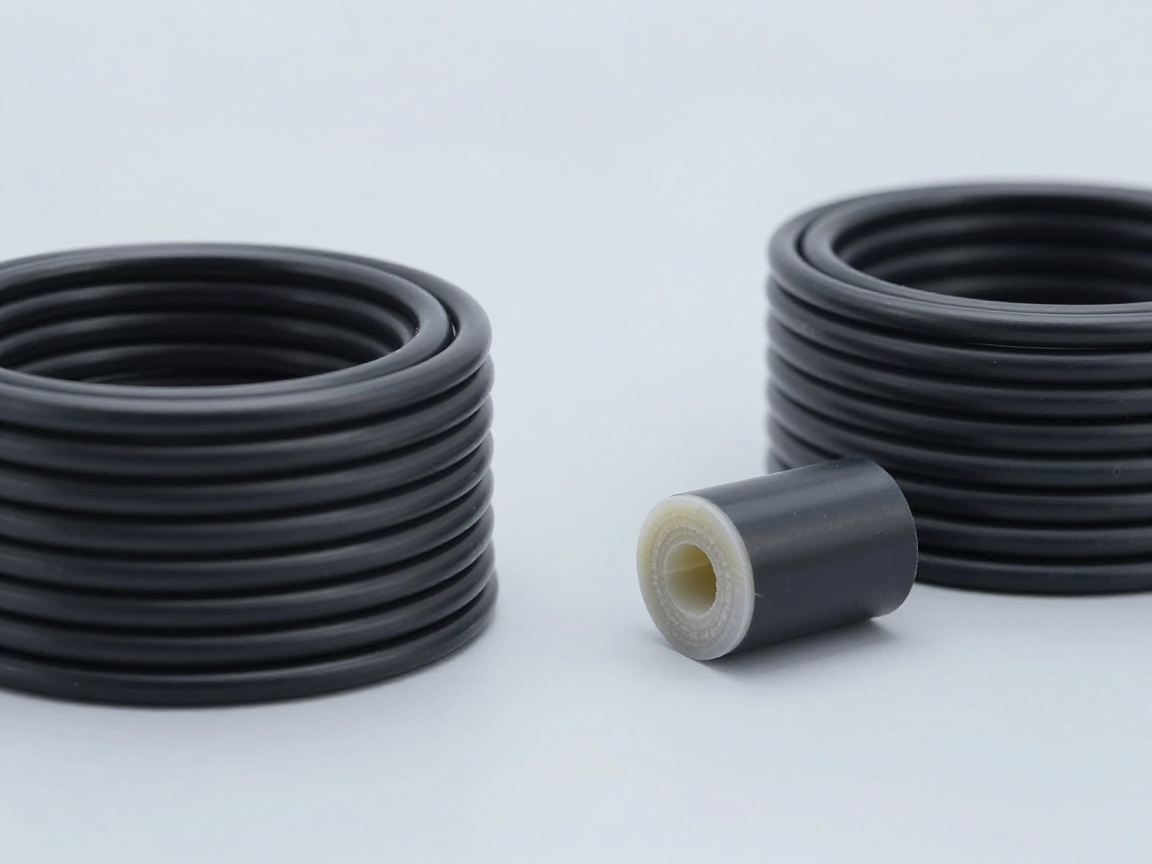
        The cable sheath contains a large proportion of plasticizers, so the concentration of the restricted substance can easily exceed the limit.

        3. Roadmap for applying phthalate group

        Product group When to apply the phthalate group Note the fact
        Most electrical and electronic equipment The word mold applies generally to the list of restricted substances Many older reports prior to this milestone did not include the phthalate group
        Medical equipment and monitoring and control equipment Apply later according to separate roadmap It is necessary to check the correct milestones by product group when receiving old reports
        In vitro diagnostic medical equipment There is a separate itinerary for groups Should confirm with customers about specific application milestones

        Practical consequence: many RoHS test reports predate the phthalate application milestone, although they are still “in time” in the sense of time. Businesses need to check whether the content of the report includes this group of substances, not just the date of issue.

        4. How to control cables in the supply chain

        1. Make a cable list by detailed code: Includes both separately purchased cables and pre-installed cables in purchased modules.
        2. Requires material declaration for each type of cable cover, clearly state the plasticizer group and the fireproof group.
        3. Try confirming according to mass spectrometry method for phthalate group, for first batch and periodically.
        4. Controlling recycled plastic: If the cable jacket uses recycled plastic, put it in the high-risk group and control each batch of raw materials.
        5. Internal labeling for materials meets: Helps warehouses and factories avoid mixing unconfirmed materials.
        Cut cable sheath samples to prepare for plasticization group analysis in the test room
        Cable sheath inspection should include plasticizer groups, fireproof groups and heavy metals.

        5. Alternative material selection and trade-offs

        Choose Advantages Trade-offs need to be evaluated
        PVC with plasticization is not in the restricted group Maintains the familiar properties of PVC It must be verified that substitution plasticization is not limited and is batch stable
        Halogen-free materials such as polyurethane or thermoplastics Does not generate halogen groups when burned Higher cost, need to re-evaluate fire resistance and durability
        Cross-linked insulating material Good electrical properties, commonly used in power cables Flexibility and bending radius may vary

        What needs to be avoided is changing materials just to achieve one criterion and then ruining another criterion. With cables, three criteria often have to be weighed at the same time: fire safety, mechanical durability and electrical properties.

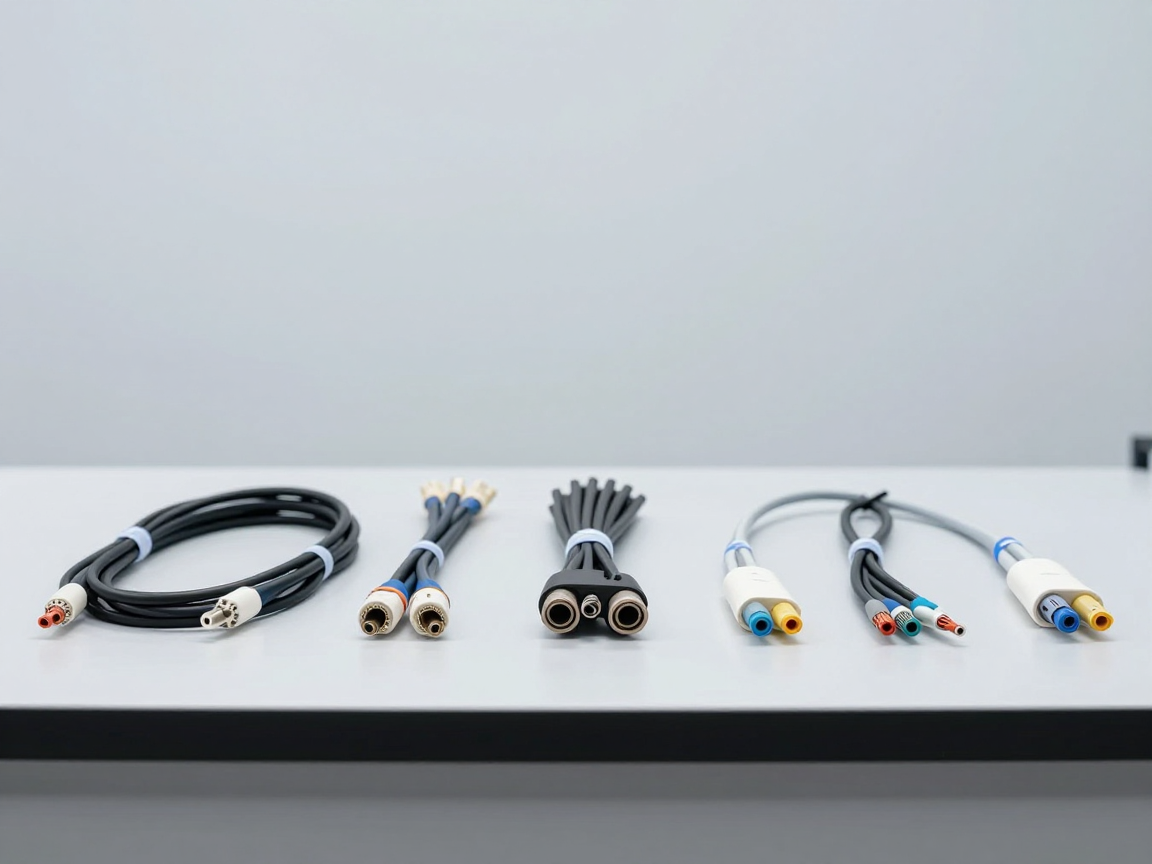
        Cable reels of different materials are compared for their properties on the technical table
        Changing cable sheath material requires weighing all three criteria: fire resistance, durability and electrical properties.

        6. Frequently asked questions

        Are RoHS reports from before the phthalate adoption milestone still valid?

        Formally it may be there, but in terms of content it does not include the phthalate group unless tested. Need to try supplementing this group of substances, especially with products that use a lot of PVC.

        Are alternative plasticizers restricted by RoHS?

        May not be on the restricted list, but still needs to be checked according to other requirements such as REACH and customer’s own requirements.

        Does the cable purchased with the module have to be tested separately?

        Yes. This is a material included in the end product and therefore within the scope of assessment, even if purchased by the module supplier. Material data for the entire cable section should be requested.

        What if the limit is only exceeded in a small section of cable?

        The limit applies to each homogeneous material, regardless of length or mass. So it still has to be handled.

        Is there a way to quickly test for phthalates at the factory?

        There is no reliable hand-held screening method for phthalates because they are organic compounds. Control is mainly based on material declaration and periodic testing using mass spectrometry methods.

        7. Conclusion

        Cables are a phthalate hot spot because the PVC sheath contains a large proportion of plasticizers, and this group of substances is only applied by route so many older reports do not include it. Good cable control eliminates one of the most common causes of overshoot.

        Three things to do: check the content of the old report to see if there is a phthalate group; Requires declaration of cable cover according to detailed code; and evaluate all three criteria when switching to alternative cable jacket materials.

        References

        • Directive 2011/65/EU and its amendments (RoHS), including the Directive authorizing the addition of the phthalate group.
        • IEC 62321-8 — determination of phthalate groups in polymer materials by mass spectrometry.
        • Regulation (EC) 1907/2006 (REACH) — restrictions relating to plasticizers and plastic materials.

        Related articles


        Discuss further


          Disclaimer

          This article is an interpretive content compiled by us; not legal advice. Enterprises need to compare relevant documents/standards verbatim before applying them to specific products.

          See more: Copyright Policy & Disclaimer by ticforall.com.

          Cr(VI) in the chromium passive layer: why does the mechanical and electronic industry often stick?

          0
          Cover image of the article «Cr(VI) in the chromium passive layer: why does the mechanical and electronic industry often stick?»

          In the mechanical and electronic industry, the chromium passivation layer is the most underrated Cr(VI) hot spot. Many factories carefully inspect welds and plastics but ignore plating on metal parts — where hexavalent chromium was once commonly used to increase corrosion resistance.

          This article explains the mechanism, the four most common sticking situations, and how to develop practical controls for plating.

          1. What is chromium passivation layer and why is it related to RoHS?

          Steel or zinc parts are often plated and then surface treated to increase corrosion resistance. Traditional surface treatment uses hexavalent chromium, creating a characteristic golden or rainbow color.

          Hexavalent chromium is on the RoHS restricted substances list. Meanwhile, trivalent chromium — the form used in replacement passivation layers — is not part of the restricted group. These two forms have the same chromium element but their properties and legal obligations are completely different.

          This is the source of nearly all the confusion about chromium in RoHS filings.

          Characteristics Trivalent chromium Hexavalent chromium
          Related to RoHS Not in a restricted group Restricted
          Typical coating color Clear or pale green Golden or rainbow luster
          Corrosion resistance Lower, requires a suitable material system Higher
          How to recognize It cannot be concluded by sight or by elemental screening Need a method to determine chemotherapy
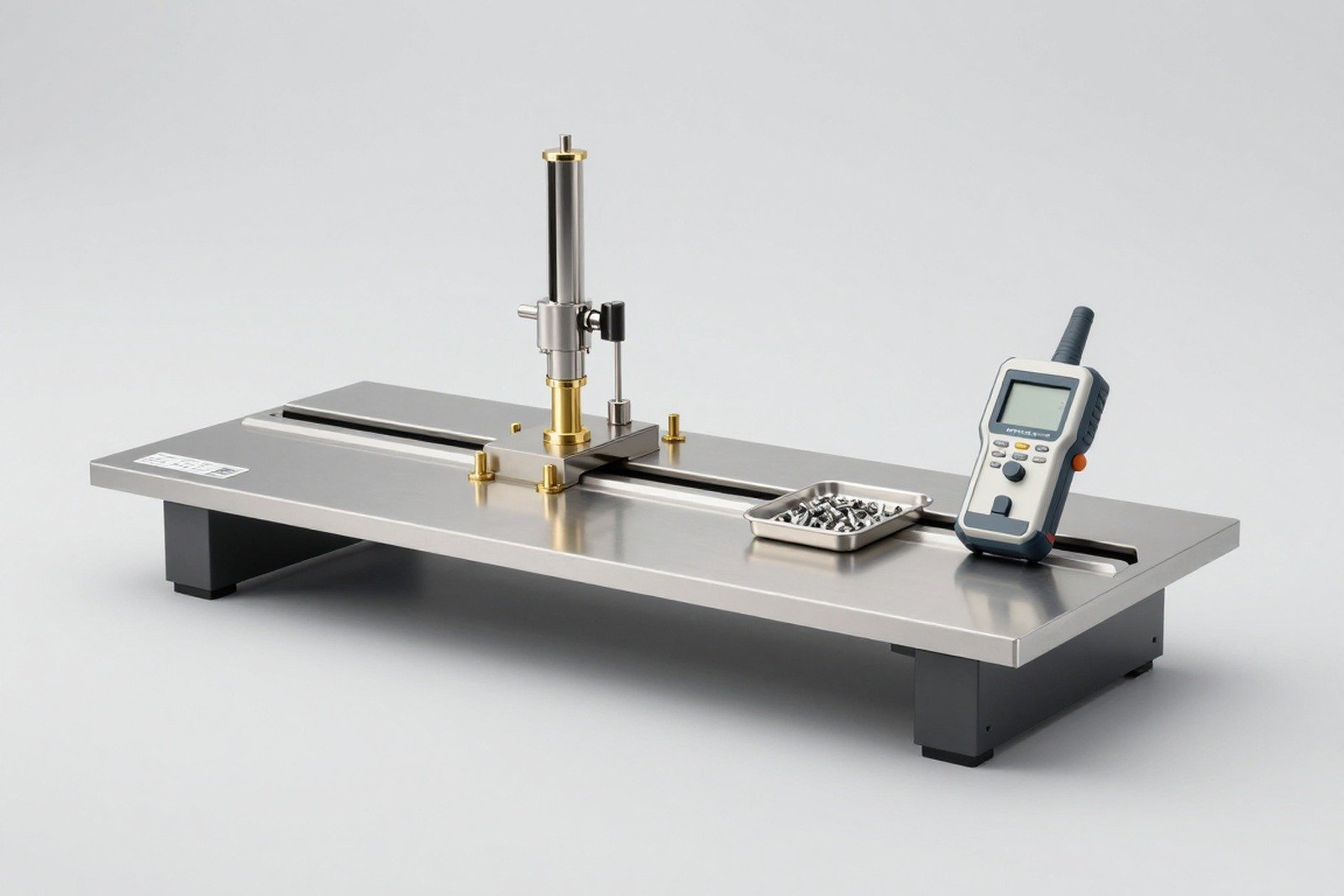
          Metal parts with surface treatment are tested in the test room
          Trivalent and hexavalent chromium have the same element but are completely different in liability.

          2. Why does XRF report high chromium without concluding anything?

          The screening device only measures total chromium, regardless of valency. Consequences:

          • False alarm: The trivalent chromium passivation layer results in increased total chromium, causing unnecessary concern.
          • True omission: A very thin coating of hexavalent chromium may give unremarkable total chromium results, especially when the sample matrix is steel.
          • Unable to locate: The total result does not indicate whether the chromium is in the plating layer or in the base alloy.

          Therefore, with plating, the conclusion must be based on the method of determining valence, not on the results of elemental screening.

          3. Four situations where Cr(VI) is often stuck in the plating layer

          Situation Why did it happen? How to room
          The plating processing supplier changed the procedure Return to hexavalent chromium passivation layer to meet corrosion resistance requirements Requires written commitment to process and periodic inspection
          Imported plating details of unknown source Purchased through intermediaries, no declaration of coating Request to declare according to detailed code, try to confirm the first batch
          Production inventory before conversion Old supplies are still in stock, mixed with new batches Control inventory, isolate and test before use
          Small details are purchased according to the catalog The catalog supplier does not provide overlay data Priority is given to suppliers with complete material data
          Coated steel parts and screws are inspected for coating at the receiving area
          Cr(VI) risk usually comes from the surface processing supplier and not from the assembly plant.

          4. How to control reality

          1. Make a detailed catalog with overlays: All metal parts are plated, passivated or surface treated.
          2. Overlay process declaration required from the supplier, with a commitment not to use hexavalent chromium.
          3. Test confirmation for the first batch and periodically by chemical determination method for metal coatings.
          4. Use the rapid point-of-care test for screening only: Positive results need to be confirmed, negative results are not enough to be conclusive.
          5. Change control: Any change in processing supplier requires retesting the first batch.
          Evidence What to use? Limit
          Declare the supplier’s process Establish expectations and responsibilities It is an assertion that needs to be cross-checked
          Quick test on the spot Quickly screen suspicious details Only qualitative
          Analysis determines the valence for the coating Conclusion for profile It is necessary to sample the correct material layer
          Periodic test reports Maintain evidence over time Needs to be associated with detailed code and supplier
          Preparation of plating samples allows determination of chromium valence in the laboratory
          Conclusions about Cr(VI) require a chemical determination method, not using total chromium results.

          5. Frequently asked questions

          Is the yellow coating definitely hexavalent chromium?

          Not sure. Color is for reference only, not evidence. Some coating systems that do not contain hexavalent chromium remain yellow. Conclusions must be based on analysis.

          If the result of determining chemotherapy is higher than the limit, how to handle it?

          It is necessary to determine the scope of influence: which batch, which detail, from which supplier. Then ask the supplier to switch to a passivation layer that does not contain hexavalent chromium and retest the first batch before resuming production.

          Can an exemption be used for chrome plating?

          Some applications have exemptions, but they are narrow in scope and have an expiration date. The exemption should not be assumed for normal plating; need to compare the list of exemptions according to the correct application.

          Is a rapid test with an indicator solution acceptable as evidence?

          Usually not enough to conclude compliance records, but useful for internal control. Positive results should be confirmed analytically, negative results should be periodically cross-checked.

          Is it true that the supplier says the plating “does not contain chromium”?

          Need to clarify: completely chromium-free, or just hexavalent chromium-free. Many passive layers still contain trivalent chromium and that is completely RoHS compliant.

          6. Conclusion

          Cr(VI) in the chromium passivation layer is a persistent hot spot for three reasons: the risk lies with the procedureing supplier, the screening results do not distinguish valence, and switching to alternative coatings affects corrosion resistance.

          Three things to do: catalog all parts with surface treatment; request process commitment from the procedureing supplier; and try to confirm chemotherapy for the first batch and periodic batches instead of relying on total chromium results.

          References

          • Directive 2011/65/EU and its amendments (RoHS) — hexavalent chromium on the restricted substances list.
          • IEC 62321-7-1 — colorimetric determination of hexavalent chromium in metal coatings.
          • IEC 62321-7-2 — determination of hexavalent chromium in polymer and electronic materials.

          Related articles


          Discuss further


            Disclaimer

            This article is an interpretive content compiled by us; not legal advice. Enterprises need to compare relevant documents/standards verbatim before applying them to specific products.

            See more: Copyright Policy & Disclaimer by ticforall.com.

            Cadmium in plating and brass alloys: a little talked about RoHS hot spot

            0
            Cover image of the article «Cadmium in plating and brass alloys: a little talked about RoHS hot spot»

            If you have to choose a substance that causes electronic businesses to exceed the RoHS limit the most without knowing it, the answer is usually cadmium. The reason is simple: cadmium has a limit ten times stricter than other substances, and it often enters the product as an impurity, not as the intended ingredient.

            This article analyzes why cadmium is difficult to control, five common sources of contamination, and how to develop a cadmium control program in factories.

            1. Why is cadmium the most difficult substance on the list?

            Characteristics Practical consequences
            Thresholds are stricter than other substances on the restricted list Just a very small amount is enough to exceed the limit
            Usually present as impurities in alloys Suppliers may not know that their materials contain cadmium
            Available in many different materials Must check from alloy, plating, plastic to colorant
            Screening measurements are difficult at low levels A “pass” screening result is not necessarily enough to make a conclusion
            The source is deep in the supply chain Materials purchased through many intermediaries are difficult to trace

            For the first four substances on the restricted list, the commonly remembered limit is 0.1%. With cadmium, the limit is much tighter, so the control method must also be different: the same testing procedure that is sufficient for lead may not be adequate for cadmium.

            2. Five common sources of cadmium contamination

            Source Common location Why is it difficult to detect?
            Brass and copper alloy Connectors, pins, mechanical details Cadmium is an impurity in ore or an undeclared additive
            Plating and coating Plated steel details, screws, clamps The plating layer is very thin, it is necessary to sample the correct layer of material
            Colorants and stabilizers in plastics Yellow, orange, red plastic; some types of PVC Plastic has complex additives that are easily overlooked when declaring
            Low temperature solder alloy Special welds, some legacy applications Only used for some details, easy to miss when removing samples
            Electrical contacts and some functional materials Relays, switches Small volume but high concentration

            Common point: cadmium is almost never a material that is intentionally declared in records. It comes from impurities or from additives that are not communicated through the supply chain.

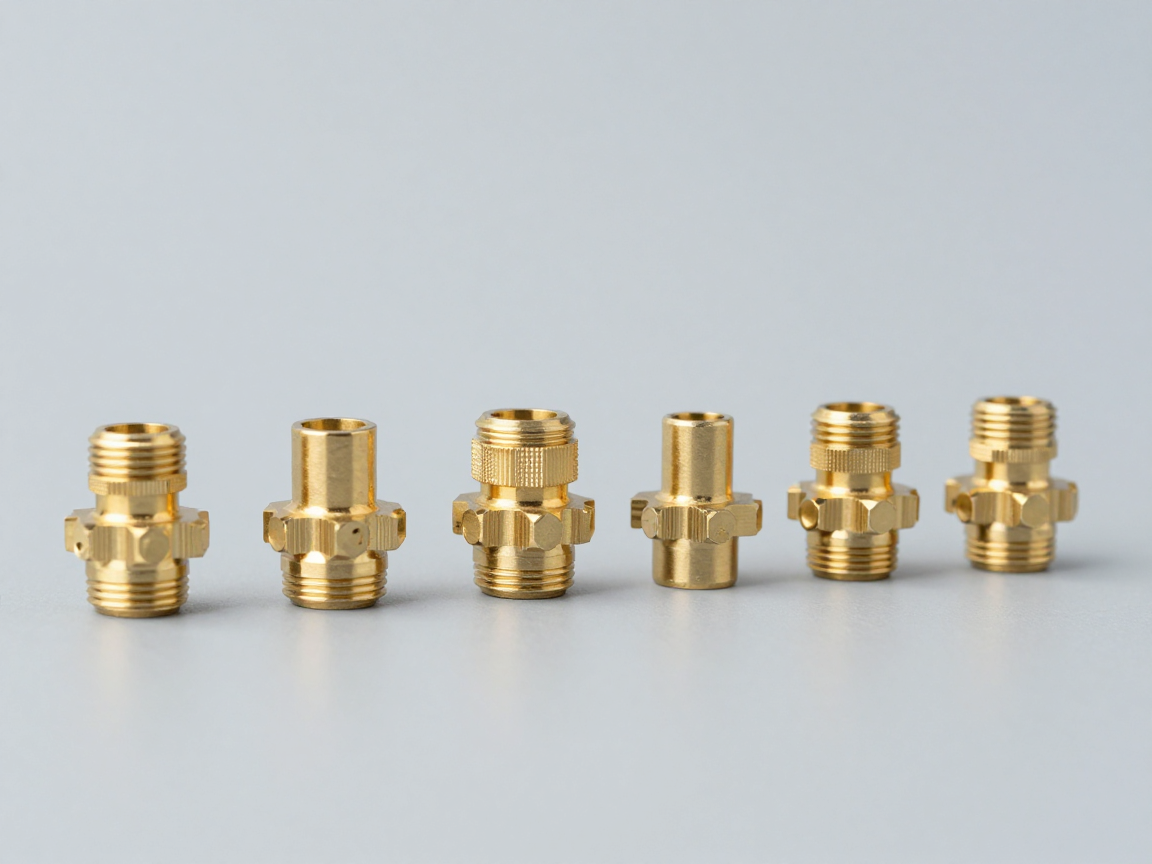
            Metal parts, connectors and plating are prepared for cadmium testing
            Cadmium often enters through the alloy and plating as an impurity, not the intended material.

            3. Why are screening results not sufficient for cadmium?

            Handheld screening equipment is useful for input control, but with cadmium there are three problems:

            1. Detection Limit: At a tight limit, the screening error can be larger than the distance from the result to the limit.
            2. Influence of sample background: Brass alloy or plating can distort results in both directions.
            3. Non-representative measurement locations: Cadmium may be concentrated in a layer or small area that point measurements do not reach.

            Therefore, the principle should be applied: screening to detect, quantitative analysis to conclude. When the screening results are close to the limit or the material falls into the risk category, a precise analytical method must be turned to.

            Quantitative analysis of cadmium in the test room with processed samples
            With cadmium, near-limitscreening results need to be confirmed by quantitative analysis.

            4. Cadmium control program in 5 steps

            Step Content Results needed
            1. Mapping cadmium-containing materials Check alloys, plating, colored plastics, contacts, special welding materials List of risk group materials
            2. Require separate declaration of cadmium concentration The general declaration “passes RoHS” is not accepted. Declare data according to materials
            3. Screen input by batch The screening index is lower than the limit to create a safe zone Internal acceptance criteria
            4. Quantitative analysis by risk level Priority is given to brass, plating, and colored plastic Periodic test reports
            5. Control supply changes Any change in alloy supplier requires re-examination Contract terms and confirmation records
            Control incoming materials in batches at the factory receiving area
            Batch input screening with internal acceptance criteria helps detect discrepancies before production.

            5. Frequently asked questions

            Does cadmium have the same limit as other substances?

            No. Cadmium has a stricter limit than the remaining substances on the restricted list, so it needs a separate control method.

            Does brass always contain cadmium?

            Not always, but this is a high-risk group of materials because cadmium can be an impurity. Need to check by batch and by supplier.

            Is there an alternative to cadmium pigment?

            There are many alternative colorant systems, but color fastness and processing conditions must be checked. This is a change that requires approval of new materials, not just simple replacement.

            Can materials be mixed to dilute the concentration?

            No. Dilution to fall below the limit is an act of evasion of obligations, and is also not a guarantee because the limit is calculated based on the homogeneous material of the actual part.

            If only one small detail exceeds the limit, does it have to be handled?

            Yes. The limit applies to each homogeneous material, regardless of the mass of the part in the product.

            6. Conclusion

            Cadmium is the most difficult substance on the restricted list because the limit is tight, the contamination source is an impurity, and screening is limited. Controlling cadmium is almost synonymous with controlling all RoHS records.

            Three things to do: map cadmium risk materials in products; require suppliers to declare cadmium concentrations separately instead of just certifying “pass”; and move to quantitative analysis for all cases near the limit.

            References

            • Directive 2011/65/EU and its amendments (RoHS) — limits according to homogeneous materials.
            • IEC 62321 series of standards — section on the determination of cadmium and heavy metals.
            • Technical documentation on brass alloys, coatings and plastic additives in the electronics industry.

            Related articles


            Discuss further


              Disclaimer

              This article is an interpretive content compiled by us; not legal advice. Enterprises need to compare relevant documents/standards verbatim before applying them to specific products.

              See more: Copyright Policy & Disclaimer by ticforall.com.

              Lead in solder joints: lead removal roadmap and pitfalls when switching to SAC305

              0
              Cover image of the article «Lead in solder joints: lead removal roadmap and pitfalls when switching to SAC305»

              Solder joints are the number one RoHS hotspot in the electronics industry, as this is where lead was once most commonly used. The lead removal roadmap has been going for nearly two decades, but in reality there are still many traps that cause shipments to exceed the limit.

              This article presents the transition roadmap, technical changes when switching to lead-free alloys, and six common traps in manufacturing.

              1. Why is the weld a hot spot?

              Lead in solder joints is the most common application of lead in electrical and electronic equipment: lead-tin solder alloys are easy to use, low melting temperature, flexible solder joints and low cost. When RoHS was born, the electronics industry was forced to switch to lead-free alloys on a global scale.

              Three sources of lead need to be distinguished:

              • Lead in solder alloy: main source, replaceable with lead-free alloy.
              • Lead in tin plating: Corrosion resistant and solderable, replace with pure tin or barrier tin plating.
              • Lead in base alloys and exemptions: Some lead-containing alloys are exempt at certain concentration levels, for example lead in brass alloys or aluminum alloys at permissible impurity levels.

              2. Roadmap to remove lead and replace alloys

              Phase Content Impact on production
              Before RoHS Use the popular lead–tin solder alloy Low welding temperature, stable process
              Convert Switch to SAC group tin–silver–copper alloy, of which SAC305 is the commonly used type The higher the melting temperature, the thermal profile and material must be adjusted
              Stable now Lead-free alloys are the standard for consumer goods; Exemptions still apply for some specific applications Controlling cross-contamination and repair materials becomes an important step

              Point to remember: exemptions for lead in solder joints still exist, but only for specific applications, usually very high-melting temperature soldering or specific product groups. No exemption shall be inferred for ordinary welds.

              Circuit board after soldering and coil of lead-free solder wire on production table
              Lead-free solder is the standard, but exemptions exist for some specific applications.

              3. Six traps when switching to lead-free alloys

              Trap Expression How to handle
              Pure tin causes filament growth Solder joints and plating layer form tin fibers, causing short circuits in the long term Use a suitable barrier tin plating or matt tin rather than gloss tin
              Higher welding temperatures damage components Plastic components deform and welds fail after changing heat profile Calibrate thermal profile, reevaluate heat-resistant components
              Cross-contamination on the chain The “lead-free” batch still detected low levels of lead Clean equipment, separate areas, check input of materials
              Repair materials contain lead Goods repaired before export have lead solder joints Standardize welding supplies for both lines and repair areas
              Misunderstanding of exemptions Use the exemption for normal welds or use it beyond the exemption period Review the list of exemptions by application and expiration date
              Supplier of lead-plated components Purchased components have plating or lead solder joints Requires material declaration for components and periodic screening

              4. Affects reliability

              Factor Lead alloy SAC group lead-free alloy
              Melting temperature Lower Significantly higher, thermal profile adjustment is needed
              Weld flexibility More flexible Harder, need to pay attention to thermal stress
              Weld joint design requirements Easy to achieve Attention should be paid to weld shape and adhesion
              Requires production control Lower Higher, thermal profile and cross-contamination need to be controlled

              A consequence to note: when switching to lead-free alloys, reliability criteria must be re-evaluated, especially for products subject to vibration, high temperatures or thermal cycling.

              The solder joint and circuit board sections are viewed under a magnifying glass to check quality
              Changing the welding alloy requires re-evaluating the reliability of the weld.

              5. Lead sources other than solder joints

              Source Common location Notes
              Tin plating contains lead Component pins, cosse heads, contacts Replace with pure tin plating with controlled tin fibers
              Brass alloy containing lead Mechanical details, connectors, valves There is an exemption for lead in brass alloys
              Aluminum alloy and steel Frame, shell, structural details There is an impurity exemption level for each type of alloy
              Glass and ceramic Resistors, capacitors, piezoelectric materials There are separate exemptions for some applications
              Repair welding materials Repair area, testing station Is the most commonly overlooked source
              Check welding consumables and component pins at the receiving area
              Controlling soldering supplies and component pins is a step that cannot be skipped after removing lead.

              6. Frequently asked questions

              Is every solder joint required to be lead-free?

              Most consumer electronics must use lead-free alloys. However, there are still exemptions for some specific applications, for example welding at very high temperatures or specific product groups. Need to check the list of exemptions according to the correct application.

              Is the exemption for lead in solder limited?

              Yes. Waivers have expiration dates and can be renewed in stages. Therefore, businesses must monitor, the exemption cannot be considered permanent.

              How do you know if a shipment is cross-contaminated with lead?

              Check incoming welding supplies, clean equipment when changing, and periodically take weld samples. If lead is detected at unusually low levels, it is necessary to review the entire flow of materials in the production line and repair area.

              Is pure tin plating safe?

              In terms of RoHS, it is satisfactory, but it is necessary to control the phenomenon of tin filament growth. The common way is to use a nickel barrier layer underneath or use matte tin with temperature control.

              Is SAC305 alloy the only choice?

              Are not. There are many different lead-free alloys, each with its own trade-offs in terms of temperature, durability, and cost. The choice depends on the reliability requirements of the product.

              7. Conclusion

              Removing lead from the solder joint is more than just replacing a consumable: it entails thermal profile changes, reliability reassessment, cross-contamination control, and exemption management. Lead can still be present in plating, alloys and repair supplies — not just solder joints.

              Three things to do: control welding supplies in both the line and the repair area; Review the list of exemptions according to the correct application and expiration date; and reassess reliability each time the solder alloy is changed.

              References

              • Directive 2011/65/EU and its amendments (RoHS), including Annex III on exemptions.
              • The Mandate Directives update the list of exemptions and expiration dates for the period 2026–2027.
              • Industry technical documents on lead-free solder alloys and tin filament growth phenomenon.

              Related articles


              Discuss further


                Disclaimer

                This article is an interpretive content compiled by us; not legal advice. Enterprises need to compare relevant documents/standards verbatim before applying them to specific products.

                See more: Copyright Policy & Disclaimer by ticforall.com.

                7 errors caused electronic shipments to be detained at EU border gates because of RoHS

                0
                Cover image of the article «7 errors caused electronic shipments to be detained at EU border gates because of RoHS»

                Electronic goods detained at EU border gates because of RoHS are almost never due to complex technical errors. In most cases, the cause is very basic documentation and labeling errors — and completely preventable before the container is closed.

                This article lists the seven most common practical errors, signs of an inspection, how to prevent them, and a short pre-shipment checklist.

                1. Seven mistakes and how to avoid them

                # Error Signs when checking How to room
                1 There is no declaration of conformity or product mismatch content Enterprises only present test reports, no written statements Prepare a declaration of conformity according to product code, with a responsible person signing
                2 Apply CE mark when documents are not complete Only RoHS test results are available, lacking other directives applicable to the product Review all applicable directives before applying the seal
                3 The test report does not include enough materials The report only has a few materials but the product has more materials Completely disassemble and compare the material list with the report
                4 Use screening results as conclusive evidence There is only a screening result sheet, no standard analysis method Clearly determine which results are used for conclusion and which results are only for control
                5 The label lacks identifying information Missing manufacturer name, missing responsible person within the EU, or missing identification code Check labels according to identification requirements before mass printing
                6 There is no responsible person in the EU Goods come from abroad but there is no importer or authorized representative Clearly state in the contract and on the responsible party label
                7 Documents do not match between documents The product name, product code or parameters on the report are different from the label and bill of lading Standardize the way names and product codes are written in all documents
                The set of conformity documents and product labels are compared before shipment
                Most inspection errors are records and label errors, not complex technical errors.

                2. Why are profile errors more dangerous than technical errors?

                With a technical error, businesses can prove it through testing and batch processing. With document errors, businesses often lose the right to explain from the beginning: goods are held, time is pushed back and storage costs are incurred while waiting for additional documents.

                Three common root causes:

                • Documentation is located in many places: Technicians keep test reports, businesses keep contracts, warehouses keep labels — no one has a complete set of records.
                • Outdated documentation: old report, materials have changed but records are not updated.
                • No one takes overall responsibility: Each department does its part, there is no final reviewer.

                3. 10-point checklist before shipping

                # Content of inspection Evidence
                1 Confirm the directives that apply to the product code List of directives by product code
                2 The declaration of conformity remains true for the current product version The document has the date and signer
                3 Full homogeneous material list Material take-off sheet
                4 The test report adequately covers the hazardous materials Compare materials with reports
                5 Supplier’s material declaration is valid Declaration with date
                6 There are no longer any old parts in stock Delivery note, batch trace
                7 The label has enough identifying information Actual label photo
                8 CE mark in correct position, correct size Product photo
                9 Name and product code match between documents Compare three documents
                10 There is someone responsible in the target market Contract or authorization document
                Check labels and conformity marks on products before packaging for export
                The pre-shipment checklist should include both records and actual labels.

                4. Substance groups are often overlooked when tested

                Substance group Why is it easy to miss? How to check
                Phthalate group Only applicable according to the roadmap for each product group, so the old report may not include it Check the report includes this group and the correct applicable milestone
                Hexavalent chromium in plating Total chromium results do not differentiate between valence Request the results of separate determination of hexavalent chromium for plated parts
                Cadmium in alloys and plating The limit is tighter so it is easy to exceed even if it is just an impurity Check the source of alloys, especially brass
                Lead in soldering and repair materials Lead-based repair supplies still exist in the production line Control repair materials and traces of cross-contamination
                Review documents for conformity with regulations before delivering export shipments
                One person responsible for final review helps avoid most filing errors.

                5. Frequently asked questions

                Does customs do RoHS inspection?

                Testing depends on each country and each batch. However, when in doubt, businesses will be required to present a declaration of conformity and supporting documents. Therefore, the application package needs to be ready to send immediately.

                Is a test report issued by a testing laboratory in Vietnam acceptable?

                Acceptable in principle if the testing laboratory has appropriate capacity and correct methods. It is important that the report properly covers the material of the delivery and has clear identification.

                If the goods have been detained, how will they be handled?

                Immediately prepare additional documents: declaration of conformity, valid test report, label photo and product description. In some cases, additional testing may be required at an accredited testing laboratory.

                Is a test report required for each batch?

                Not required by law. But businesses need evidence that the products sold are still as designed and assessed for compliance.

                How do you know which product codes are most susceptible to inspection?

                Prioritize according to batch value, material complexity, substance group risk level and history of each customer or market. High-risk materials in large quantities are the most susceptible to inspection.

                6. Conclusion

                Goods detained because of RoHS are mainly due to records and labels, not due to analytical machinery. Therefore, the most effective prevention lies not in the testing room but in the pre-shipment inspection process.

                Three things to do: assign one person to be responsible for final review of each batch; Check the list of directives applicable to each product code; and compare the name and product code between the test report, label and bill of lading before closing the container.

                References

                • Directive 2011/65/EU and its amendments (RoHS) — obligations of manufacturers and importers.
                • Directive 2012/19/EU (WEEE) and labeling and registration regulations for each member state.
                • EN IEC 63000 standard on conformity assessment documents for electrical and electronic equipment.

                Related articles


                Discuss further


                  Disclaimer

                  This article is an interpretive content compiled by us; not legal advice. Enterprises need to compare relevant documents/standards verbatim before applying them to specific products.

                  See more: Copyright Policy & Disclaimer by ticforall.com.

                  RoHS and ESPR/digital product passport: how will the way of proving compliance change?

                  0
                  Cover image of the article «RoHS and ESPR/digital product passport: how will the way of proving compliance change?»

                  RoHS is a regulation that restricts substances in products. But in Europe, a new layer of requirements is being developed in parallel: requirements on eco-design and product information, which include Product passport no. This layer of requirements does not replace RoHS, but will change the way businesses demonstrate and retain regulatory data.

                  This article describes the two parallel layers of obligations, what changes in filing practices, and what businesses should prepare for now.

                  1. Two layers of obligations: substance restriction and ecological design

                  Criteria RoHS Request eco design & product passport no
                  Central question Does the product exceed the restricted substance limit? Does the product meet requirements for durability, repairability, recyclability, recycled content and accompanying information?
                  Main tools List of substances, limits, exemptions Design requirements by product group, digital product profile, and published information
                  Request type Prohibited or limited at limit Specification and information requirements, which may include material limitations
                  Evidence Technical documents, declaration of conformity, test reports Product data is structured, associated with product codes, and can be retrieved digitally
                  Applicable subjects Electrical and electronic equipment Each product group follows a work plan and has its own roadmap

                  Point to remember: these two layers overlap, are not mutually exclusive. The product must still meet RoHS, and may also have to meet eco-design requirements if it belongs to a priority product group.

                  2. What will digital product passports change?

                  The core idea: instead of a stack of paper documents sitting in an internal file, product information is organized into structured data, tied to product codes, that can be retrieved digitally.

                  With RoHS compliance, this means:

                  1. Material data needs to be standardized from the beginning: material code, detail code, data source, version.
                  2. Data must be linked to specific products: not just in yearly folders.
                  3. Evidence needs structure: Test reports and material declarations are organized by data fields instead of separate files.
                  4. Information may be released publicly or at a limited level depending on the type of data and specific regulations.
                  Product data is structured and has conforming records on the computer system
                  The trend is to move from file records to structured data, tied to product codes.

                  3. Five practical impacts on businesses

                  Impact What changes? What should I prepare?
                  Material data must be reusable It is not possible to respond by resubmitting an old report Build a material database according to detailed codes
                  Retrieve by product code Questions will come by specific product code Organize records by product code, not by batch
                  Requirements on material origin Recycled content and material source may have to be declared Start recording material source data from suppliers
                  Repair and recycling capabilities Influence from the design stage, not just the testing stage Incorporate dismantling and material separation criteria into design requirements
                  The role of the supply chain Data from the supplier becomes part of the published record Standardize declaration forms and change notification provisions

                  4. Things that do NOT change

                  • RoHS remains in effect: Substance lists, homogeneous material limits and exemption mechanisms remain independent obligations.
                  • The manufacturer’s responsibility remains with the manufacturer: cannot switch to a supplier or e-commerce platform.
                  • The declaration of conformity still requires: Digitized data is an organization, not a substitute for liability.
                  • The principle of pre-market evaluation remains the same.
                  Technical dossier and declaration of conformity parallel to digital product data
                  The new requirements class supplements, does not replace existing technical documents.

                  5. Four things to do immediately

                  1. Standardize material codes and detail codes throughout the production and purchasing system.
                  2. Convert regulatory documents into data format: At a minimum, there is a table linking the part number, material, supplier and test report.
                  3. Include data terms in supply contracts: Requires material declaration in data form with clear fields.
                  4. Track the roadmap by product group: Determine in advance which group your product belongs to and which milestones will apply.
                  The new requirements roadmap is monitored along with the compliance review schedule
                  Product group work plans should be included in the same review schedule as the RoHS dossier.

                  6. Frequently asked questions

                  Does a digital product passport replace a declaration of conformity?

                  No. Declaration of conformity is a legal document signed by the manufacturer; A digital product passport is a way to organize and publish product information. The two things serve two different purposes.

                  Do small businesses have to worry right away?

                  There is no need to prepare large infrastructure right away, but you should start standardizing material codes and organizing records according to product codes. These are two useful things for all current compliance requirements.

                  Is material data publicly available?

                  Depending on the type of data and specific regulations: some information is public, some is only for authorities and supply chains. Businesses should classify data as soon as it is collected.

                  Does the new requirement apply to components sold separately?

                  The scope depends on each group’s product definition in the work plan. With components, pressure often comes indirectly through data requests from customers manufacturing the end product.

                  Where should I start if I don’t have anything yet?

                  Start from material data: create a table linking product code, detail code, supplier, test report and effective date. This is common ground for both current RoHS and upcoming information requirements.

                  7. Conclusion

                  RoHS asks about substances in products; The class requires eco-design and a digital product passport asking about product features and information. The two layers are parallel, not interchangeable — and require the same thing: material data standardized by product code.

                  Businesses that have organized records by product code and have a materials database will move to the new stage much more easily. Any business that still leaves records scattered in folders and emails will have to start over.

                  References

                  • EU regulations on eco-design for sustainable products and product group working plans.
                  • Directive 2011/65/EU and its amendments (RoHS).
                  • EN IEC 63000 standard on conformity assessment documents for electrical and electronic equipment.

                  Related articles


                  Discuss further


                    Disclaimer

                    This article is an interpretive content compiled by us; not legal advice. Enterprises need to compare relevant documents/standards verbatim before applying them to specific products.

                    See more: Copyright Policy & Disclaimer by ticforall.com.

                    What is halogen-free? Not covered by RoHS but customers still request it — why?

                    0
                    Cover image of the article «What is halogen-free? Not covered by RoHS but customers still request it — why?»

                    In the technical records of many electronics factories, besides RoHS, there is often another requirement that sounds very similar but is actually completely different: halogen-free. This requirement is not covered by RoHS, but appears frequently in supply contracts, especially with customers in Europe, Japan and the automotive industry.

                    Confusion between these two requirements leads to two types of errors: receiving halogen-free claims but reporting with RoHS results, or vice versa, wasting halogen testing costs when customers only ask about restricted substances.

                    1. What is halogen-free?

                    Halogen is a group of elements including fluorine, chlorine, bromine, and iodine. The “halogen-free” requirement sets a limit on the total content of this group in the material, most commonly according to the levels:

                    • Chlorine must not exceed 900 parts per million in materials.
                    • Bromine not more than 900 parts per million in materials.
                    • The sum of chlorine and bromine is not more than 1,500 parts per million.

                    These three levels are a common expression in printed circuit board material standards and in many customer requirements. There are also other ways to say it such as “low halogen” (looser limit) or “no added halogen” (only a commitment to not actively add, no background limit).

                    With cables, halogen-free requirements are often accompanied by requirements on smoke and fire emissions, because the main purpose is to reduce corrosive gases and toxic fumes in fires.

                    2. Why is halogen-free NOT included in RoHS?

                    Criteria RoHS Halogen-free
                    Legal basis EU directive, mandatory Technical standards and contractual requirements, not required by law
                    Limited audience 10 specific substances on the list Total halogen element group, regardless of compound
                    Bromine group Only PBB and PBDE are limited Total bromine limits, including brominated flame retardants, are not restricted by RoHS
                    How to check Analyze each substance according to the list Measure total chlorine and total bromine in the material
                    Who requested it? Market management agency Customers, industries, green label certification

                    In short: RoHS banned some compounds bromine; halogen-free limited total amount halogen. A material can meet RoHS but still not be halogen-free, and vice versa.

                    Printed circuit board and cable materials are tested according to two different requirements
                    RoHS restricts certain compounds; Halogen-free limits the total amount of halogen in the material.

                    3. Why do customers still demand halogen-free?

                    1. Fire safety: Halogen-containing materials produce corrosive gases and toxic fumes when burned; Especially important requirements for cables in buildings, medical equipment, and vehicles.
                    2. Industry requirements: Some industries have their own standards for halogen-free materials for components and cables.
                    3. Green purchasing policy: Many corporations include halogen-free in the list of purchasing requirements with RoHS and REACH.
                    4. Market orientation: used as a point of environmental competition, although there is no mandatory legal basis.

                    4. How to check halogen-free?

                    How to check What can be measured? Limits to know
                    XRF Total bromine Chlorine cannot be measured; Total bromine results do not indicate which compound
                    Burn the sample and then analyze ion chromatography Fluorine, chlorine, total bromine This is the most appropriate way to conclude based on the limit 900/900/1,500
                    Analyze each compound Identify specific flame retardants Needed when there is a requirement to exclude a certain compound

                    Note: the rapid screening method is useful for input control, but to conclude on a halogen-free limit requires measurement of total halogen using a suitable method.

                    Prepare material sample for total halogen measurement in the test room
                    The halogen-free conclusion requires total halogen measurement, not just reliance on bromine screening.

                    5. Five points to consider when receiving a halogen-free request

                    Point to close Why? How to handle
                    Applicable limit 900/900/1,500 is a common level but not the only one Record specific limits in the test request record
                    Material range Applies to all products or just some details List applicable materials according to detailed codes
                    How to understand requirements “Halogen-free”, “low halogen” and “no added halogen” are different Ask the customer again in writing, do not speculate
                    Documents required Some customers just need to declare, others need to test report Confirm the document type before submitting the form
                    Affects fire resistance Removing halogen flame retardants may affect fire resistance Recheck the fire resistance index of the replacement material

                    The last point is most often overlooked: switching to halogen-free materials can reduce fire resistance if the correct alternative material system is not chosen. It is necessary to evaluate both indicators at the same time.

                    Compare halogen-free requirements with fire resistance criteria of alternative materials
                    Changing to halogen-free materials requires re-checking the fire resistance criteria.

                    6. Frequently asked questions

                    Does achieving RoHS mean achieving halogen-free?

                    No. RoHS only restricts certain bromine compounds. Materials with other bromine flame retardants still meet RoHS but exceed the total bromine limit of the halogen-free requirement.

                    Is there any law mandating halogen-free?

                    There are no general mandatory requirements for all electrical and electronic products. This requirement mainly comes from contracts, industry standards and customer purchasing policies.

                    Is XRF measuring bromine enough to conclude halogen-free?

                    Not enough, because XRF does not indicate chlorine content and cannot distinguish compounds. Use XRF to control input, but need total halogen measurement for conclusion.

                    Is TBBPA restricted by RoHS?

                    Not on the RoHS restricted substances list. However, this is a bromine-containing compound so it will be included in the total bromine when evaluating the halogen-free requirement.

                    If a customer requests “no added halogen”, what should be done?

                    This is a different requirement from the halogen-free limit. It is necessary to clarify whether the customer wants to commit to not actively adding halogen compounds or wants to limit the total content, and then choose the corresponding evidence.

                    7. Conclusion

                    Halogen-free and RoHS are two essentially different requirements: one is a legal limit according to the substance list, the other is a technical limit according to the total amount of halogens. Both are important, but do not replace each other.

                    Three things to do: clearly state the limit and material range when receiving halogen-free requests; use total halogen measurements to conclude instead of just screening for bromine; and re-check the fire resistance index each time switching to alternative materials.

                    References

                    • Directive 2011/65/EU and its amendments (RoHS) — list of restricted substances, including PBB and PBDE.
                    • Material standards for halogen content in printed circuit board and cable materials.
                    • IEC 62321-3-2 — Screening total Fluorine, Chlorine, Bromine in electrical and electronic products by sample combustion ion chromatography.

                    Related articles


                    Discuss further


                      Disclaimer

                      This article is an interpretive content compiled by us; not legal advice. Enterprises need to compare relevant documents/standards verbatim before applying them to specific products.

                      See more: Copyright Policy & Disclaimer by ticforall.com.